Sump Pump Backup Systems: What You Need to Know
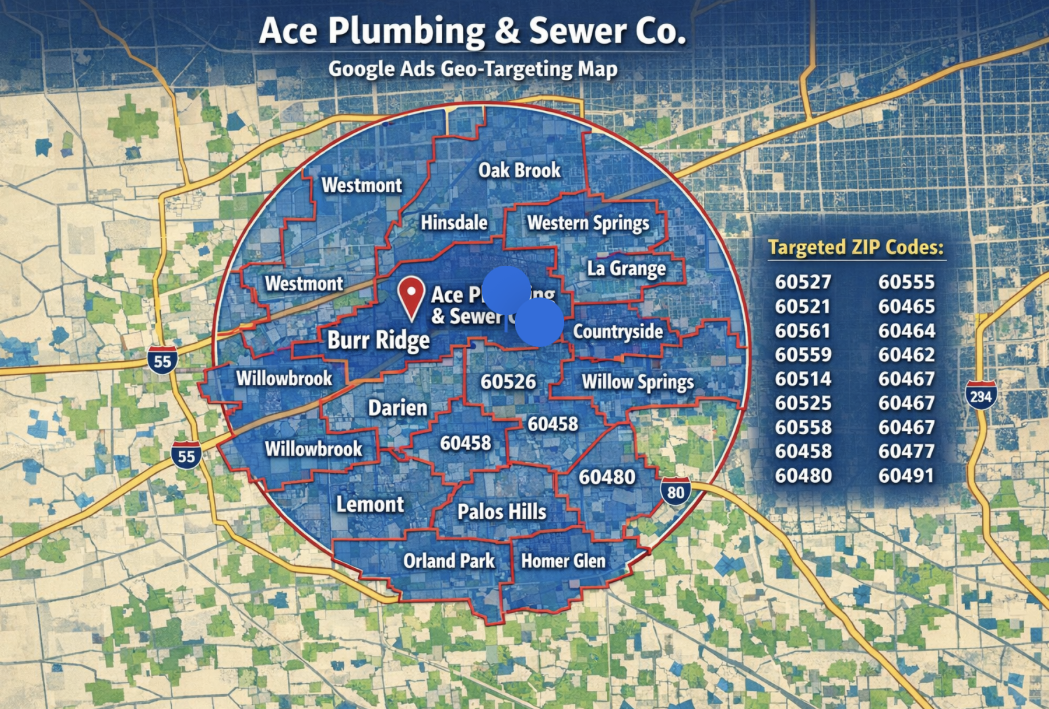
Trusted by homeowners across Burr Ridge and Chicago, IL
Your primary sump pump works hard to keep your basement dry, but what happens when it fails during a storm? Power outages and mechanical breakdowns leave homes vulnerable to flooding at the worst possible times.
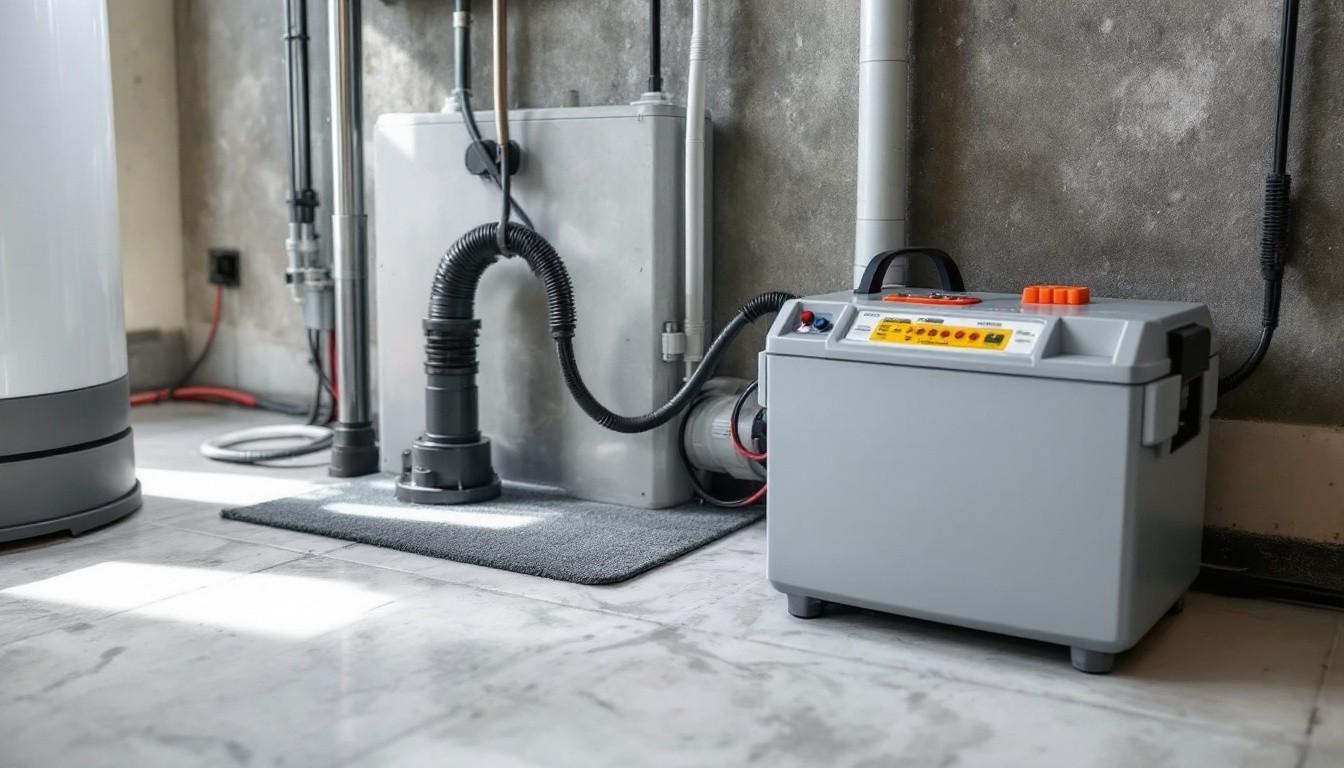
We at Ace Plumbing & Sewer see firsthand how a reliable sump pump backup system can save homeowners thousands in water damage repairs. The right backup solution provides peace of mind when you need it most.
Which Backup System Works Best
Three distinct backup systems protect your home when your primary sump pump fails. Battery-powered systems cost between $200 and $400 for standard capacity units, with deep-cycle batteries that last up to seven years according to industry data. These systems pump 800 to 2,000 gallons per hour and run for 7 to 8 hours on a full charge. Water-powered backups operate differently and use municipal water pressure to remove one gallon of sump water for every two gallons consumed. Climate Central reports that weather-related power outages account for 80% of all major U.S. power outages from 2000 to 2023, which makes battery systems increasingly valuable. Generator-powered systems provide unlimited runtime but require proper ventilation and fuel management.

Battery Systems Deliver Reliable Protection
Battery-powered backups activate automatically when your primary pump fails or loses power. AGM batteries offer maintenance-free operation and seven-year lifespans, while standard lead-acid batteries cost $100 to $200 but need replacement every three to five years. High-capacity systems that pump 2,200 gallons per hour start at $400. Smart batteries now include WiFi monitoring that sends alerts about water levels and battery status directly to your phone (perfect for homeowners who travel frequently). Deep-cycle marine batteries provide maximum reliability during extended outages.
Water-Powered Systems Need Municipal Pressure
Water-powered pumps work as long as your municipal water maintains adequate pressure. Installation costs run higher due to plumbing connections, and some drought-prone areas restrict their use. These systems provide unlimited operation time without batteries to maintain, which makes them ideal for areas with reliable water pressure but frequent power issues.
Generator Systems Offer Unlimited Power
Generator-powered backup systems connect to your home’s backup generator and provide unlimited runtime during extended outages. These systems require professional installation to connect safely to your electrical panel (typically costing $800 to $1,500 more than battery systems). Proper ventilation prevents carbon monoxide buildup, and regular fuel maintenance keeps generators ready for emergencies.
Now that you understand the three main backup options, the next step involves selecting the right features and specifications for your specific home and flood risk level.
Key Features to Consider When Choosing a Backup System
Battery capacity determines how long your backup system protects your basement during outages. AGM batteries deliver 7-8 hours of continuous operation and last seven years without maintenance, while standard lead-acid batteries provide 3-5 years of service at half the cost. A 12-volt deep-cycle battery powers most residential backup pumps, but capacity matters more than voltage.
Your backup system must match your primary pump’s gallon-per-hour rate to handle peak water flow effectively. High-capacity systems that pump 2,200 gallons per hour cost $400 minimum, while standard 1,000-gallon systems start at $200. Smart monitoring technology now tracks battery levels and sends phone alerts when power drops below 50% (preventing surprise failures during storms).

Space Requirements and Electrical Connections
Your sump pit needs adequate space for both primary and backup pumps to operate without interference. Most backup systems require 18 inches of clearance around the pit for proper installation and maintenance access. Water-powered backups need direct connection to your home’s main water line, which increases installation complexity and costs $300-500 more than battery systems.
Generator-powered backups require dedicated electrical connections to your home’s backup power system. Professional installation costs $800-1,500 above standard battery setups. Cast-iron backup pumps last longer than plastic alternatives but weigh 40% more and need reinforced brackets (check your mounting surface strength before installation).
Performance Specifications for Your Environment
Your backup system’s rate must exceed your area’s typical water intrusion during storms. Homes in flood-prone areas need backup systems with vertical lift capabilities that match their primary pumps, typically 10-15 feet for standard basements. Float switch reliability determines activation speed when water levels rise.
Smart float switches with WiFi connectivity cost $150-300 more but provide early warning alerts before floods occur. Water-powered systems work only with municipal water pressure above 40 PSI, which makes them unsuitable for homes with well water or areas with frequent pressure drops.
Professional installation becomes the next critical step once you select the right backup system specifications for your home’s unique requirements.
Installation and Maintenance Best Practices
Professional installation costs $45 to $200 per hour but prevents costly mistakes that void warranties and create safety hazards. DIY installation saves money but requires electrical knowledge, proper tools, and understanding of local plumbing codes. Battery-powered systems need precise wiring to prevent short circuits, while water-powered backups require connection to your main water line with proper backflow prevention.
Generator-powered systems demand licensed electrician involvement due to electrical panel connections. Improper installation creates more problems than it solves, which makes professional help worth the investment.
Professional vs DIY Installation Decisions
Licensed plumbers handle electrical connections safely and meet local code requirements that protect your home insurance coverage. DIY installers often miss critical details like proper float switch positioning or adequate discharge pipe slope (which causes water backup issues). Battery systems require specific terminal connections that prevent corrosion and power loss over time.
Water-powered backups need backflow prevention devices that cost $150-300 but protect your drinking water from contamination. Generator connections involve electrical panel work that requires permits in most municipalities.
Monthly System Testing Procedures
Test your backup system monthly by unplugging your primary pump and pouring water into the sump pit until the backup activates. A properly functioning system should start pumping within 30 seconds and remove water completely. Check battery voltage monthly using a multimeter – readings below 12.4 volts indicate replacement needs.
Smart monitoring systems send automatic alerts when battery levels drop below 50%, which eliminates guesswork about system readiness. Annual professional maintenance costs approximately $526 but prevents costly repair bills.

Seasonal Maintenance Requirements
Clean battery terminals every three months to prevent corrosion that reduces power transfer efficiency. Replace AGM batteries every seven years or lead-acid batteries every three to five years regardless of apparent condition. Test float switches twice yearly by lifting them manually to verify pump activation.
Clear debris from inlet screens monthly during heavy use periods. Water-powered systems need annual pressure testing to confirm municipal water pressure remains above 40 PSI for proper operation. Winter storage requires battery disconnection in unheated areas to prevent freeze damage.
Final Thoughts
Weather-related power outages nearly doubled between 2014 and 2023 compared to the previous decade, which makes sump pump backup systems more important than ever for home protection. Water damage from basement floods costs homeowners thousands in repairs that proper backup protection prevents completely. Battery-powered systems work best for most homes and offer 7-8 hours of protection with minimal maintenance needs.
Water-powered backups suit areas with reliable municipal pressure but frequent power issues. Generator-powered systems provide unlimited runtime for homes with existing backup power infrastructure. Your choice depends on local flood risk, power reliability, and budget considerations (high-capacity systems that pump 2,200 gallons per hour cost more upfront but handle severe weather better than standard units).
Professional installation prevents warranty issues and safety hazards that DIY mistakes create. We at Ace Plumbing & Sewer handle sump pump installations and basement waterproofing solutions with emergency response throughout the western Chicago suburbs. Monthly checks and annual professional service cost far less than flood damage repairs.
Proudly serving Burr Ridge and Southwest Chicago
Request a free quote
Tell us what’s going on and we’ll get right back to you. Need help now? Call and a real plumber answers 24/7.