Basement Flooding Prevention: Complete Chicago Homeowner Guide
Trusted by homeowners across Burr Ridge and Chicago, IL
Last spring, Chicago area homeowners filed over 3,000 basement flooding insurance claims—but 80% of these disasters could have been prevented with proper preparation and professional maintenance. As a third-generation plumbing company serving the Chicago area since 1983, we’ve seen firsthand how devastating basement flooding can be for families and businesses alike. The good news? Effective basement flooding prevention is entirely achievable when you understand the risks, implement the right systems, and maintain them properly.
Chicago’s unique combination of heavy spring rains, aging sewer infrastructure, and clay soil creates perfect storm conditions for basement flooding. But with the right knowledge and preparation, you can protect your home from water damage that costs the average homeowner $10,000 to remediate.
Common Causes of Basement Flooding in Chicago Suburbs
Understanding why basements flood is the first step in prevention. Chicago’s geography and infrastructure create several distinct flooding scenarios that homeowners must prepare for.
Sewer System Backups
The most common cause of basement flooding in Chicago suburbs is sewer system backup during heavy rainfall. When storm sewers become overwhelmed, water has nowhere to go but back through floor drains and basement fixtures. This contaminated water poses serious health risks and requires immediate professional cleanup.
Clay soil, prevalent throughout the Chicago area, compounds this problem by preventing proper water absorption. Instead of soaking into the ground, rainwater runs directly into storm sewers, quickly overwhelming the system’s capacity.
Foundation Water Intrusion
Chicago’s freeze-thaw cycles create foundation cracks that allow groundwater to seep into basements. Over time, these small cracks expand, creating pathways for significant water intrusion during wet seasons.
Poor exterior drainage around foundations exacerbates this issue. When gutters discharge too close to the foundation or soil grades toward the house, water accumulates against basement walls, eventually finding its way inside.
Sump Pump Failures
Sump pumps are your first line of defense against basement flooding, but they’re mechanical devices that can fail. Power outages during storms, mechanical breakdowns, or improper installation can render sump pumps useless precisely when you need them most.
Many homeowners discover their sump pump has failed only when water starts rising in their basement. Regular maintenance and backup systems are essential for reliable protection.
Essential Basement Waterproofing Systems Every Homeowner Needs
Effective Chicago basement waterproofing requires multiple layers of protection. No single solution can address all potential flooding scenarios, which is why comprehensive systems approach basement flood damage prevention.
Interior Waterproofing Systems
Interior waterproofing manages water that has already penetrated your foundation. A properly installed interior drainage system includes perimeter drains that collect water and channel it to a sump pit, where a pump removes it from your home.
Vapor barriers on basement walls prevent moisture intrusion and reduce humidity levels that can lead to mold growth. These systems are particularly effective for homes with minor foundation settling or hairline cracks.
Exterior Waterproofing Solutions
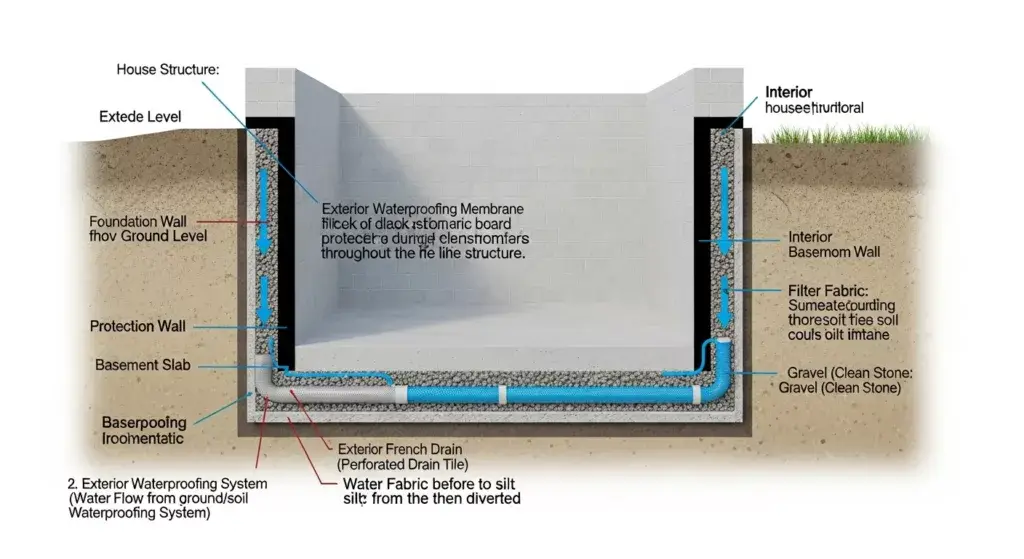
Exterior waterproofing prevents water from reaching your foundation in the first place. This comprehensive approach involves excavating around the foundation, applying waterproof membranes, and installing drainage systems that redirect water away from your home.
While more expensive initially, exterior waterproofing provides superior long-term protection and can actually increase your home’s value. For homes with chronic water intrusion issues, this investment often pays for itself by preventing costly damage.
Sewer Backup Prevention
Installing a backwater valve in your main sewer line prevents contaminated water from flowing back into your basement during system overflows. Chicago building codes now require these valves in many new construction projects, recognizing their critical importance.
Floor drain plugs provide additional protection for basement floor drains. These simple devices can prevent thousands of dollars in damage during sewer backup events.
Professional Sump Pump Installation and Maintenance Guide
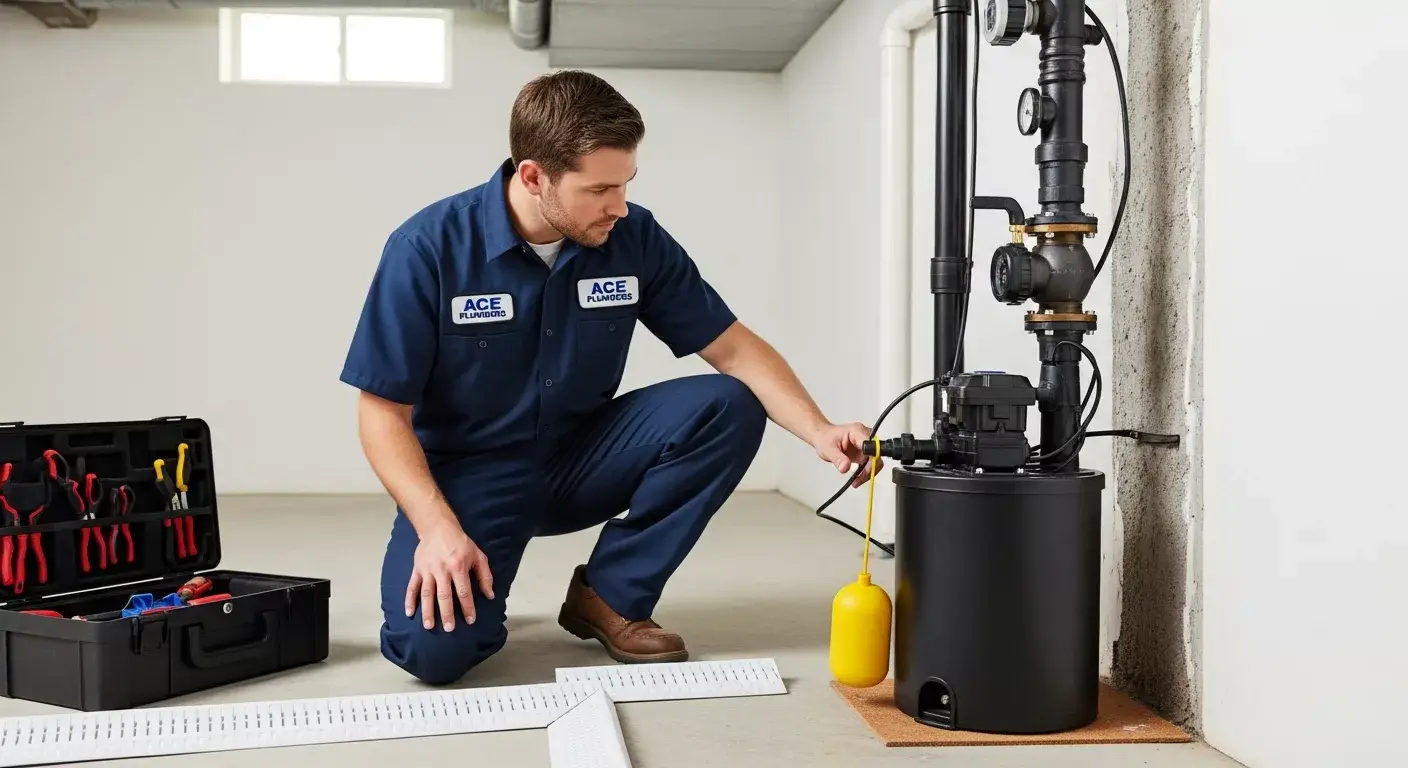
Your sump pump is only as reliable as its installation and maintenance. Professional installation ensures proper sizing, positioning, and backup power systems that keep your basement dry even during power outages.
Choosing the Right Sump Pump System
Submersible pumps, installed inside the sump pit, operate more quietly and efficiently than pedestal pumps. They’re also less likely to clog and can handle higher water volumes—critical factors during heavy Chicago storms.
Pump capacity should match your home’s specific needs. A pump that’s too small won’t keep up with heavy water intrusion, while an oversized pump will cycle on and off frequently, reducing its lifespan.
Battery Backup Systems
Power outages during storms are common, making battery backup systems essential for reliable sump pump maintenance. Modern backup systems can operate for 8-12 hours on a single charge, providing protection when you need it most.
Some homeowners also install water-powered backup pumps that use municipal water pressure to remove basement water. These systems work indefinitely during power outages but require adequate water pressure to function effectively.
Regular Maintenance Schedule
Test your sump pump monthly by pouring water into the pit until the float activates the pump. Listen for unusual noises and ensure water is being discharged properly through the outlet pipe.
Annual professional inspections should include checking the discharge line for clogs, testing the backup system, and verifying that the pump is properly secured in the pit. Clean the inlet screen regularly to prevent debris from clogging the system.
Foundation and Drainage Solutions That Actually Work
Effective foundation drainage solutions begin with proper grading and extend to comprehensive water management systems that protect your home’s structural integrity.
Proper Site Grading
The ground around your foundation should slope away from the house at least 6 inches over the first 10 feet. This simple principle prevents water from pooling against foundation walls where it can find its way into your basement.
Many Chicago-area homes were built before modern grading standards, requiring homeowners to add soil and regrade their lots. This investment in proper drainage pays dividends in prevented water damage.
Gutter and Downspout Systems
Gutters should discharge at least 6 feet from your foundation, preferably into underground drain lines that carry water to the street or a designated drainage area. Splash blocks alone are insufficient for Chicago’s heavy rainfall patterns.
Regular gutter cleaning prevents overflow that can saturate soil around your foundation. Consider installing gutter guards to reduce maintenance while ensuring proper water flow.
French Drain Installation
French drains intercept groundwater before it reaches your foundation. These systems consist of perforated pipes surrounded by gravel that collect and redirect water to safe discharge points.
Professional installation ensures proper slope and sizing for your specific soil conditions and drainage needs. According to EPA stormwater management research, properly installed drainage systems can reduce foundation water pressure by up to 90%.
Emergency Preparedness: What to Do When Water Starts Rising
Despite the best prevention efforts, emergency flooding can still occur. Having a clear action plan minimizes damage and protects your family’s safety during basement flooding emergencies.
Immediate Safety Measures
Never enter a flooded basement if electrical outlets, appliances, or the electrical panel might be submerged. Turn off electricity to the basement at the main panel before entering any flooded area.
Wear protective clothing including rubber boots and gloves when dealing with flood water, especially if sewer backup is involved. Contaminated water poses serious health risks that require proper precautions.
Water Removal and Documentation
Remove standing water as quickly as possible to minimize damage and prevent mold growth. Portable pumps or wet vacuums can handle smaller amounts, while professional water extraction services may be necessary for major flooding.
Document all damage with photographs before beginning cleanup for insurance claims. The Insurance Institute flood damage statistics show that thorough documentation significantly improves claim outcomes.
Professional Restoration Services
Contact professional restoration services within 24-48 hours of flooding to prevent mold growth and structural damage. These specialists have industrial-grade equipment for water extraction, dehumidification, and sanitization.
Time is critical in flood restoration. According to FEMA flood risk guidelines, mold can begin growing within 24-48 hours in humid conditions, making rapid response essential.
When to Call Licensed Commercial Plumbing Experts
While some aspects of basement flood damage prevention can be handled by homeowners, certain situations require professional expertise to ensure proper installation and compliance with local codes.
Complex System Installation
Installing sump pumps, backwater valves, or interior drainage systems requires specialized knowledge of local building codes and proper installation techniques. Improper installation can actually increase flooding risk or create new problems.
At Ace Plumbers, we’ve seen numerous DIY installations that failed during the first major storm because critical details were overlooked. Professional installation includes proper permits, code compliance, and warranty protection for your investment.
Professional Plumbing Inspection Services
Annual professional plumbing inspection services identify potential problems before they cause flooding. Our licensed technicians check sump pump operation, test backup systems, and inspect sewer lines for blockages or damage.
These preventive inspections often reveal minor issues that can be corrected inexpensively before they become major flooding disasters. For example, a partially blocked sewer line might handle normal flows but back up during heavy rains.
Emergency Response Services
When basement flooding occurs, immediate professional response can minimize damage and begin the restoration process quickly. Our emergency services include water extraction, temporary repairs, and coordination with restoration specialists.
We understand that flooding emergencies don’t follow business hours, which is why we provide 24/7 emergency response throughout the Chicago suburbs. Quick action during flooding emergencies can save thousands in damage costs.
Maintenance Contracts for Long-Term Protection
Consistent maintenance is the key to reliable basement flooding prevention. Many homeowners benefit from professional maintenance contracts that ensure their protection systems receive regular attention from experienced technicians.
Scheduled System Inspections
Our maintenance contracts include biannual inspections of all basement waterproofing systems. We test sump pumps, check backup power systems, inspect drainage lines, and verify that all components are operating properly.
These scheduled inspections often identify wear components before they fail, allowing for planned replacement rather than emergency repairs during the next storm. This proactive approach saves money and ensures reliable protection.
Priority Emergency Service
Maintenance contract customers receive priority scheduling for emergency calls and discounted rates on repairs. During major storm events when service calls spike, contract customers get faster response times when they need help most.
For homeowners who’ve experienced basement flooding before, this priority service provides invaluable peace of mind during Chicago’s severe weather seasons.
You can learn more about comprehensive plumbing protection in our Residential Plumbing Maintenance Guide for Chicago Homeowners, which covers additional preventive measures for your entire plumbing system.
Investment Costs and Long-Term Value
Understanding the costs associated with basement flooding prevention helps homeowners make informed decisions about protecting their property investment.
Prevention vs. Remediation Costs
A comprehensive basement waterproofing system might cost $3,000-8,000 depending on your home’s specific needs. However, a single major flooding event can cost $10,000-25,000 in damage remediation, not including the disruption to your family’s life.
Insurance typically covers sudden flooding from burst pipes but may exclude sewer backup or seepage damage unless you have specific coverage. Prevention systems often pay for themselves the first time they prevent major damage.
Home Value Protection
Professional waterproofing systems can actually increase your home’s value by providing documented flood protection to potential buyers. Many home inspectors specifically look for sump pumps, drainage systems, and waterproofing during pre-purchase inspections.
Homes with documented flooding history often sell for significantly less than comparable properties, making prevention systems a wise long-term investment even beyond damage prevention.
For additional information on protecting your plumbing investment, check out our guide on 5 Essential Plumbing Maintenance Tasks to Prevent Costly Repairs.
Seasonal Preparation Checklist
Chicago’s distinct seasons require different preparation strategies to maintain effective basement flooding prevention year-round.
Spring Preparation
Test your sump pump system before spring rains arrive. Pour water into the sump pit to verify the pump activates and discharges properly. Check that the discharge line is clear and directs water away from your foundation.
Inspect your foundation for new cracks that may have developed during winter freeze-thaw cycles. Small cracks can be sealed with appropriate materials, but larger cracks may require professional evaluation.
Summer Maintenance
Clean gutters and downspouts to prepare for summer storm seasons. Verify that all drainage systems are functioning properly and haven’t been damaged by winter weather.
Summer is also an ideal time for exterior waterproofing projects, as dry conditions allow for proper excavation and material application.
Fall and Winter Preparation
Disconnect and store garden hoses to prevent frozen pipe damage. Ensure your sump pump discharge line won’t freeze during winter months—frozen discharge lines can cause pump failure when you need protection most.
Consider whether your basement heating is adequate to prevent freezing of plumbing components during extended cold periods.
Working with Insurance and Contractors
Understanding insurance coverage and selecting qualified contractors are crucial elements of comprehensive basement flooding prevention planning.
Insurance Coverage Considerations
Standard homeowner’s insurance policies often exclude certain types of water damage. Sewer backup coverage and flood insurance may require separate policies or riders that must be purchased before problems occur.
Review your coverage annually and document any prevention systems you install. Many insurance companies offer discounts for homes with professional waterproofing systems and may require documentation of preventive measures.
Selecting Qualified Contractors
Choose contractors with specific experience in basement waterproofing and local building codes. Proper licensing, insurance, and bonding protect you if problems arise during or after installation.
At Ace Plumbers, our forty years of experience serving Chicago-area homeowners means we understand local soil conditions, building codes, and the unique challenges of basement flooding prevention in this region. We’re fully licensed, bonded, and insured, with certified technicians who stay current on the latest waterproofing technologies.
Our comprehensive approach includes site evaluation, custom system design, professional installation, and ongoing maintenance support. We use American-made parts and materials that stand up to Chicago’s demanding climate conditions.
For more information about professional drain systems, read our Professional Drain Cleaning Services: Complete Solutions Guide.
Conclusion
Basement flooding prevention requires a comprehensive approach that combines proper systems, regular maintenance, and emergency preparedness. The investment in professional waterproofing systems pays dividends in prevented damage, protected home value, and peace of mind during Chicago’s severe weather seasons.
Don’t wait until water starts rising to address basement flooding risks. The time to implement protection systems is before you need them, when installation can be planned and executed properly without the pressure of emergency conditions.
As a trusted Chicago-area plumbing contractor since 1983, Ace Plumbers has helped thousands of homeowners protect their properties from basement flooding. Our experienced technicians can evaluate your home’s specific risks and recommend appropriate protection systems that fit your budget and needs.
Ready to protect your home from basement flooding? Call us at (708) 204-8602 for a professional evaluation of your basement flooding prevention needs. Our licensed technicians will provide a detailed assessment and custom recommendations to keep your basement dry year-round.
Have you experienced basement flooding before, or are you taking proactive steps to prevent it? We’d love to hear about your experiences and answer any questions about basement waterproofing solutions.
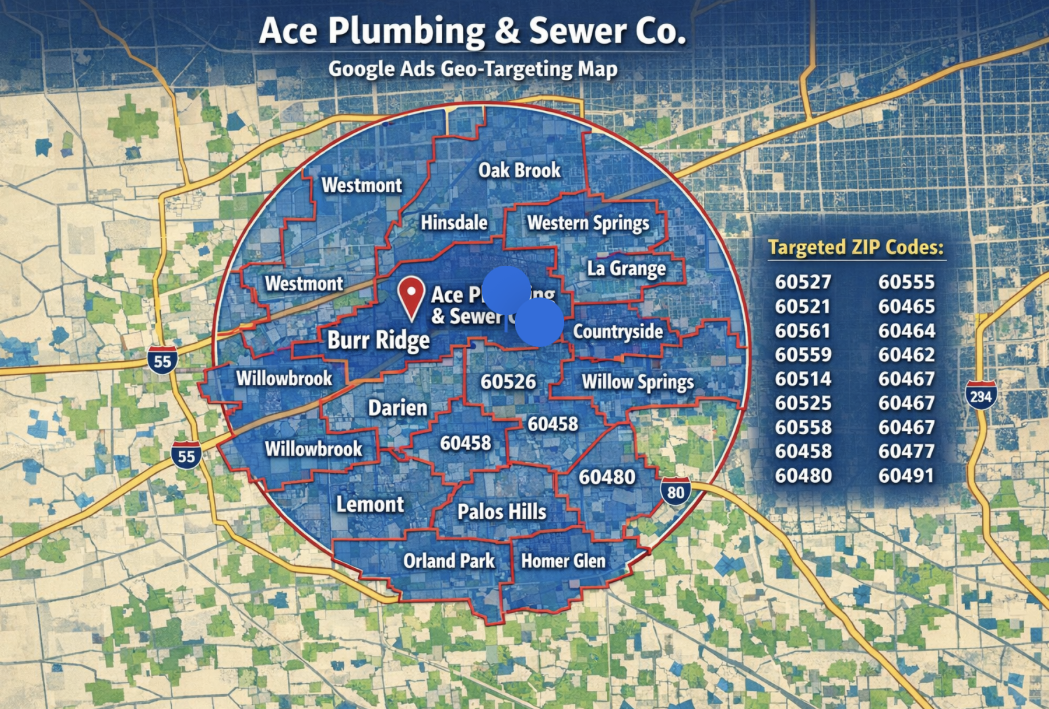
Proudly serving Burr Ridge and Southwest Chicago
Request a free quote
Tell us what’s going on and we’ll get right back to you. Need help now? Call and a real plumber answers 24/7.