
Installing a Sump Pump in Your Finished Basement
Trusted by homeowners across Burr Ridge and Chicago, IL
Water in your finished basement can spell disaster. A sump pump is your first line of defense against flooding and moisture damage.
At Ace Plumbing & Sewer, we’ve seen firsthand how a properly installed sump pump in a finished basement can save homeowners thousands in repairs. This guide will walk you through the process of adding this crucial protection to your lower level living space.
What Is a Sump Pump?
A sump pump is your basement’s best friend for flood prevention. This device sits in a pit (called a sump) at the lowest point of your basement floor. When water levels rise, the pump activates, moving excess water away from your home’s foundation.
How Sump Pumps Work
Sump pumps use a float mechanism (similar to the one in your toilet tank). As water fills the sump pit, the float rises. Once it reaches a certain level, it triggers the pump to start. The pump then moves water through a discharge pipe, typically leading outside and away from your home’s foundation.
Types of Sump Pumps
Two main types of sump pumps exist: submersible and pedestal. Submersible pumps sit inside the sump pit, fully underwater when activated. They’re quieter but can be more challenging to maintain. Pedestal pumps have the motor above the pit, making them easier to service but noisier.
For finished basements, submersible pumps often prove ideal due to their quieter operation. However, the best choice depends on your specific basement setup and water management needs.
Benefits of Sump Pumps in Finished Basements
Installing a sump pump in your finished basement is a smart move. It protects your investment by preventing water damage to flooring, walls, and personal belongings. The American Society of Home Inspectors reports that over 60% of homes with basements experience some form of water intrusion. A sump pump can significantly reduce this risk.

Moreover, a properly installed sump pump can increase your home’s value. The National Association of Realtors indicates that homes with effective water management systems (including sump pumps) can see up to a 10% boost in resale value.
Sump Pump Maintenance
Regular maintenance keeps your sump pump in top shape. We recommend testing your pump every three to four months and performing a thorough check before the rainy season. This includes cleaning the pit, checking the float, and ensuring the discharge pipe is clear.
As we move forward, let’s explore how to prepare your finished basement for sump pump installation, ensuring you get the most out of this essential home protection system.
Preparing Your Finished Basement for Sump Pump Installation
Identifying Water Issues
Water problems in basements are common. Look for damp spots on walls, white powdery deposits (efflorescence), or musty odors. These signs indicate moisture problems. An astonishing 98% of basements in the U.S. suffer some level of water damage. Don’t wait for visible flooding – act on early warning signs.

Selecting the Optimal Location
The sump pit location is vital. Place it at the lowest point of your basement, typically near a corner or along an exterior wall. This position allows the pump to collect water most effectively. Avoid areas near load-bearing walls or where utilities enter your home.
A professional assessment proves invaluable here. Advanced moisture detection tools help pinpoint the optimal location, ensuring maximum efficiency for your sump pump system.
Safeguarding Your Finished Space
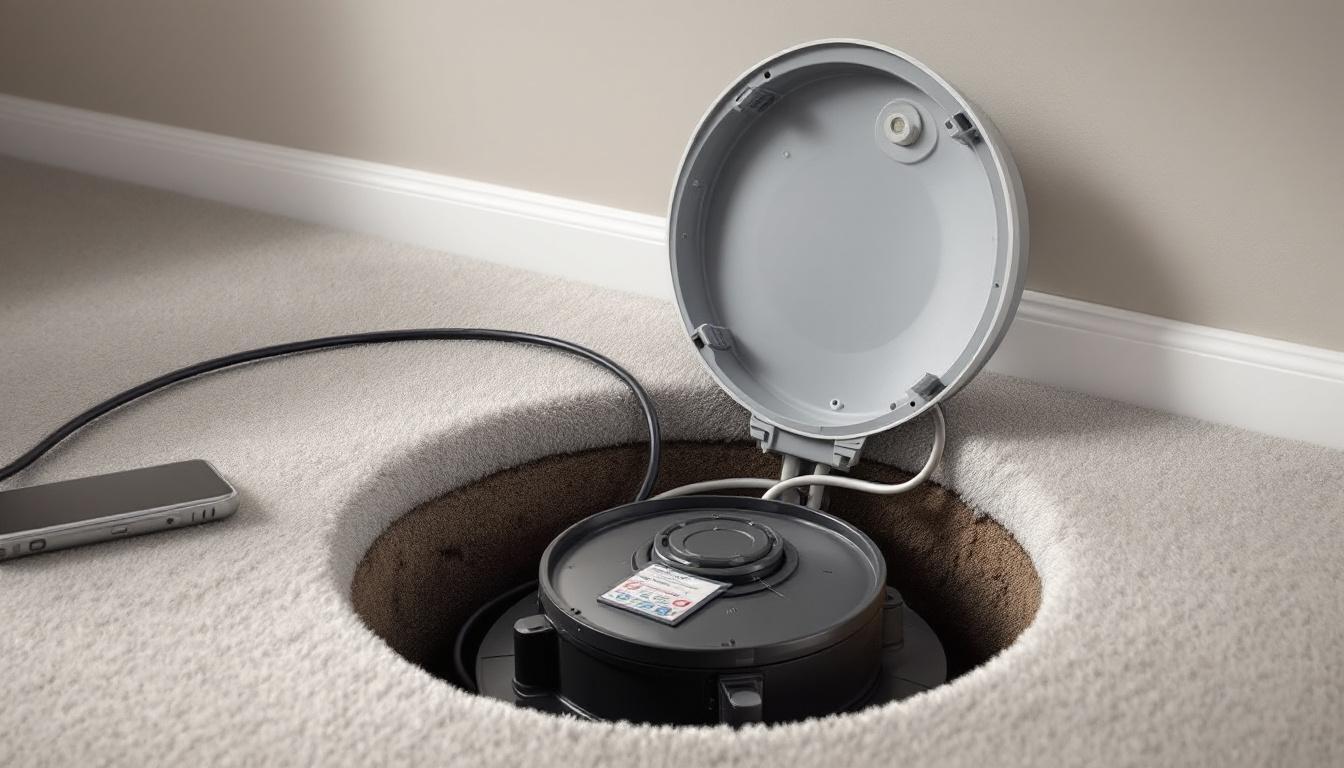
Sump pump installation in a finished basement requires extra care. Cover furniture and belongings with plastic sheeting. Remove carpeting or flooring in the installation area – at least a 3-foot radius around the proposed pit location.
For walls, consider temporary plastic barriers to contain dust and debris. If you have drywall, it may need partial removal near the installation site. A skilled plumber can minimize damage and often work through small access points.
Addressing Electrical Requirements
Sump pumps need a dedicated electrical circuit. GFCI protection must be provided as required in 210.8(A) through (F). GFCI protective devices must be in a readily accessible location. If your basement lacks appropriate wiring, factor in the cost of an electrician. This isn’t a task for DIY enthusiasts – improper wiring in a potentially damp environment poses serious risks.
Planning the Discharge Route
The discharge pipe needs a clear path outside, away from your foundation. This often involves drilling through your basement wall. Plan the route carefully to avoid landscaping features and ensure the water drains at least 10 feet from your home.
In areas with freezing winters, consider a special discharge line to prevent ice blockages. The International Association of Certified Home Inspectors recommends insulated pipes (or a dedicated drainage system) for cold climates.
Proper preparation sets the stage for a successful sump pump installation. While it might seem challenging, the long-term protection for your home is invaluable. The next step involves the actual installation process, which requires precision and expertise to ensure your basement stays dry without compromising its finished state.
How to Install a Sump Pump in Your Finished Basement
Installing a sump pump in a finished basement requires precision and expertise. Here’s an inside look at a professional installation approach:

Excavation and Pit Preparation
The first step involves cutting through your basement floor. Specialized equipment minimizes dust and debris, protecting your finished spaces. The typical sump pit measures 18 to 24 inches in diameter and 24 to 36 inches deep. Proper sizing prevents frequent cycling and premature pump failure.
After excavation, a sturdy liner prevents soil infiltration. This liner (perforated to allow groundwater entry while keeping out larger debris) is surrounded by gravel to improve drainage and reduce sediment buildup in your pump.
Pump Installation and Plumbing
The sump pump sits level on a solid base in the pit. A properly leveled pump reduces wear and extends its lifespan. A check valve on the discharge line prevents backflow, which can cause your pump to cycle unnecessarily.
The discharge pipe (typically 1.5 to 2 inches in diameter) routes through your basement wall, sloping slightly downward to facilitate water flow. Outside, the pipe extends at least 10 feet from your foundation, often connecting to a dedicated drainage system.
Electrical Setup
Sump pumps require a dedicated circuit (15 or 20 amps). A GFCI-protected outlet near the pit adheres to all local electrical codes. For added protection, a battery backup system ensures your basement stays dry even during power outages – a common occurrence during severe storms when you need your pump most.
System Testing and Calibration
Once installed, the system undergoes thorough testing. This involves filling the pit with water to ensure the pump activates at the correct level and shuts off properly. The float switch adjusts as needed for optimal performance. The team also checks for any leaks in the plumbing connections and verifies that the check valve functions correctly.
Final Touches
To complete the installation, the area around the discharge pipe (where it exits your basement wall) receives proper sealing. This prevents water infiltration and pest entry. The pit cover secures and levels with your basement floor, maintaining the aesthetic of your finished space.
Final Thoughts
A sump pump in a finished basement protects your living space from water damage. Professional installation maximizes the effectiveness of your sump pump system. Experts assess your basement’s unique needs, select the right equipment, and install it with precision.
Regular maintenance keeps your sump pump in top condition. Annual inspections, periodic tests, and a clean pit extend the life of your pump. These steps ensure it’s ready when you need it most.
Ace Plumbing & Sewer understands the importance of protecting your finished basement with a reliable sump pump system. Our experienced professionals (with over four decades of service in the western Chicago suburbs) will help safeguard your home against water intrusion. Contact us today for expert sump pump installation and peace of mind.
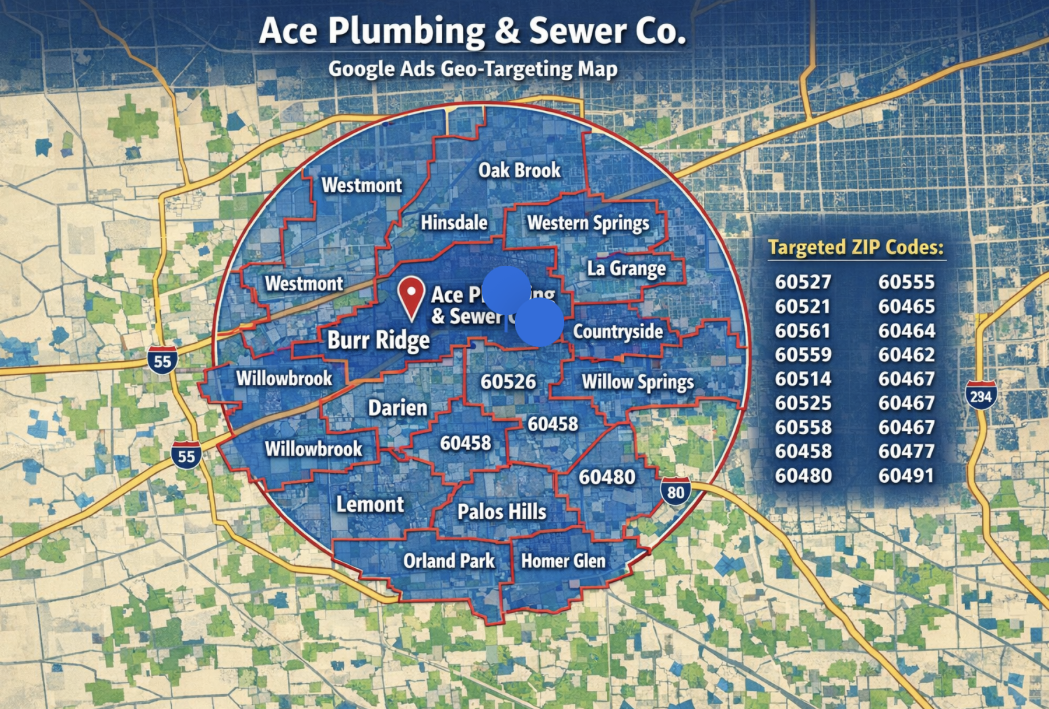
Proudly serving Burr Ridge and Southwest Chicago
Request a free quote
Tell us what’s going on and we’ll get right back to you. Need help now? Call and a real plumber answers 24/7.