Water Heater Maintenance: Extend Life & Prevent Costly Repairs
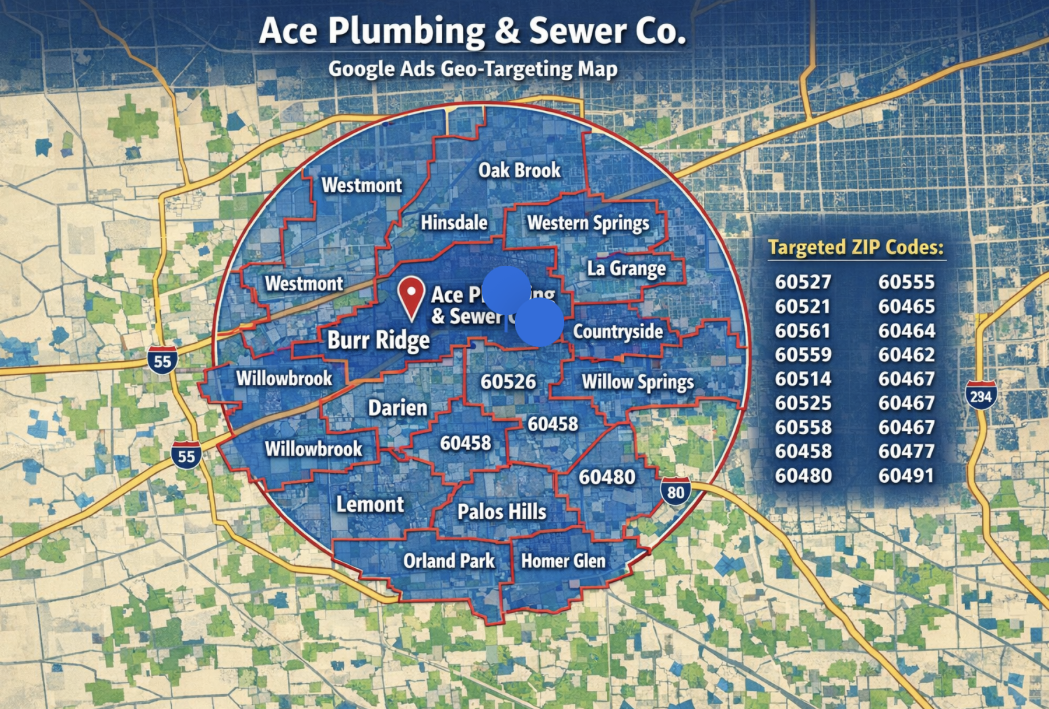
Trusted by homeowners across Burr Ridge and Chicago, IL
Your water heater works 24/7 to deliver reliable hot water, but without proper water heater maintenance, you’re looking at premature failure, emergency repairs, and costly downtime. After three generations in the plumbing business at Ace Plumbers, we’ve seen how simple preventative maintenance can extend equipment life by years and save thousands in replacement costs. The reality is that most water heaters fail not from old age, but from neglect—and the difference between a 6-year lifespan and a 12-year lifespan often comes down to consistent care.
Whether you’re managing a commercial property with high-capacity systems or maintaining your home’s standard tank, understanding proper maintenance protocols can prevent those dreaded 6 AM emergency calls and protect your investment. Let’s dive into the essential maintenance practices that actually work.
Essential Water Heater Maintenance Tasks Every Property Owner Should Know
The foundation of effective water heater maintenance starts with understanding the critical tasks that prevent the most common failure points. These aren’t complicated procedures, but they require consistency to deliver real protection.
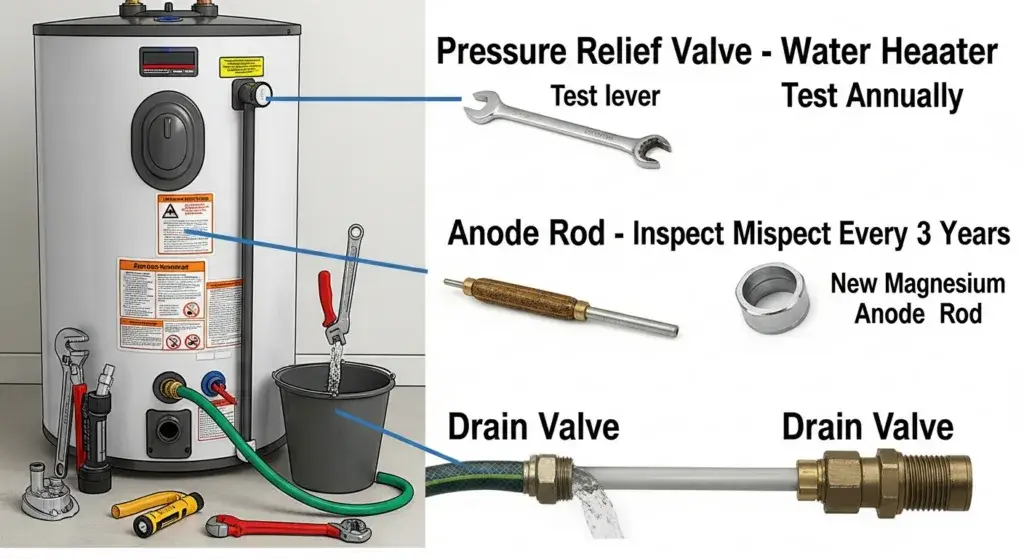
Annual Tank Flushing
Sediment buildup is the silent killer of water heaters. Minerals in Chicago’s water supply settle at the bottom of your tank, creating an insulating barrier that forces your heating element to work harder and eventually fail.
Here’s how to flush your tank properly:
- Turn off power (electric) or gas supply
- Connect a garden hose to the drain valve
- Run hot water from a nearby faucet to break the vacuum
- Open the drain valve and flush until water runs clear
- Close valves and restore power
For commercial properties, this process may require coordination with tenants and should be performed by licensed professionals to avoid disrupting business operations.
Pressure Relief Valve Testing
The temperature and pressure (T&P) relief valve is your water heater’s safety mechanism. A faulty valve can lead to dangerous pressure buildup or constant water discharge.
Test your T&P valve every six months by lifting the lever slightly. You should hear rushing water and see discharge from the relief pipe. If nothing happens, or if the valve continues leaking after testing, replacement is necessary immediately.
Anode Rod Inspection and Replacement
The sacrificial anode rod prevents tank corrosion by attracting corrosive elements in your water. Most homeowners never think about this component, but it’s critical for extending water heater life.
Check your anode rod annually. If it’s less than 1/2 inch thick or heavily corroded, replace it. This $30 part can add 3-5 years to your water heater’s lifespan—a tremendous return on investment.
Creating a Preventative Maintenance Schedule That Actually Works
The best water heater maintenance checklist is one that fits seamlessly into your property management routine. We’ve developed schedules that work for both residential and commercial clients over our 40 years in business.
Monthly Quick Checks (5 minutes)
- Visual inspection around the unit for leaks, rust, or unusual sounds
- Check that the area around the water heater is clear of storage or debris
- Verify pilot light is burning (gas units)
- Test hot water temperature at nearby faucet
Quarterly Deep Inspection (30 minutes)
- Examine all visible pipes and connections for corrosion
- Check insulation on hot water pipes
- Test T&P relief valve
- Inspect venting system (gas units) for blockages or damage
- Review energy bills for unusual consumption spikes
According to the Department of Energy water heating efficiency guide, proper maintenance can improve efficiency by up to 20% annually.
Annual Professional Service
Some maintenance tasks require professional expertise and specialized tools. Schedule annual service that includes:
- Complete system flush and cleaning
- Anode rod inspection and replacement
- Combustion analysis (gas units)
- Electrical connection inspection (electric units)
- Full safety system testing
For commercial water heater maintenance, consider bi-annual service due to higher usage demands and the critical nature of uninterrupted hot water supply.
Warning Signs Your Water Heater Needs Professional Attention
Recognizing early warning signs can mean the difference between a simple repair and complete system replacement. After decades of emergency calls, we’ve identified the most reliable indicators that professional intervention is needed.
Water Quality Changes
Rusty, cloudy, or metallic-tasting water often indicates internal tank corrosion. Don’t ignore these signs—they typically worsen rapidly once they begin.
Unusual odors, particularly a rotten egg smell, can indicate bacterial growth in the tank or issues with the anode rod. While sometimes manageable with professional cleaning, these problems require immediate attention.
Performance Issues
Inconsistent water temperature, longer heating times, or running out of hot water faster than usual all signal declining efficiency. These symptoms often appear gradually, making them easy to dismiss until the system fails completely.
Strange noises—particularly rumbling, popping, or banging sounds—indicate sediment buildup interfering with normal operation. The longer you wait to address these sounds, the more expensive the eventual repair becomes.
Visible Problems
Any moisture around your water heater demands immediate investigation. Small leaks rapidly become major floods, and water damage often exceeds the cost of the water heater itself.
Corrosion on the tank exterior, especially around connections and the base, indicates advanced deterioration. While some surface rust is cosmetic, widespread corrosion usually means replacement is imminent.
Our residential plumbing maintenance guide provides additional insights into recognizing plumbing system problems before they become emergencies.
DIY Maintenance vs. When to Call Licensed Commercial Plumbing Experts
Understanding the boundary between safe DIY maintenance and professional service protects both your equipment and your safety. Some tasks are straightforward for any capable property owner, while others require specialized knowledge and tools.
Safe DIY Tasks
Property owners can safely handle these routine maintenance activities:
- Visual inspections and basic cleaning around the unit
- Testing T&P relief valves (following manufacturer instructions)
- Adjusting water temperature settings
- Insulating hot water pipes
- Replacing basic components like drain valves (with proper preparation)
Always turn off power and water supply before performing any hands-on maintenance. When in doubt, consult your owner’s manual or contact professionals.
Tasks Requiring Professional Service
These maintenance activities require licensed technicians due to safety concerns and technical complexity:
- Gas line work and combustion system service
- Electrical repairs and connections
- Internal tank inspection and repair
- Pressure vessel testing and certification
- Anode rod replacement (requires specialized tools)
- Complete system diagnostics
For commercial properties, most maintenance should be professionally managed due to liability concerns, warranty requirements, and the critical nature of consistent hot water supply.
The Cost-Benefit Analysis
Professional preventative water heater maintenance typically costs $150-300 annually for residential systems and $300-800 for commercial units. Compare this to emergency replacement costs of $1,500-15,000, and the value becomes clear.
Professional maintenance also maintains warranty coverage, ensures code compliance, and provides documentation for insurance claims if problems do arise.
How Proper Maintenance Prevents Costly Downtime and Emergency Repairs
The true value of consistent maintenance becomes apparent when you consider the full cost of water heater failure. Beyond the replacement equipment, there’s lost productivity, emergency service premiums, and potential property damage.
The Real Cost of Water Heater Failure
Emergency water heater replacement typically costs 40-60% more than planned replacement due to:
- After-hours service charges
- Limited equipment availability
- Rushed installation without optimization
- Potential water damage during failure
For commercial properties, the costs multiply quickly. A restaurant without hot water can lose thousands in daily revenue. An office building with cold showers creates tenant complaints and potential lease issues.
Maintenance ROI
Proper maintenance delivers measurable returns:
- Extended lifespan: Well-maintained units last 8-12 years vs. 6-8 years for neglected systems
- Energy efficiency: Clean, well-tuned systems use 10-20% less energy
- Reduced repairs: Preventative maintenance catches problems before they require emergency intervention
- Warranty protection: Most manufacturers require maintenance records for warranty claims
The EPA Fix a Leak Week guidelines emphasize that small maintenance investments prevent major system failures and water waste.
Predictable vs. Emergency Costs
Scheduled maintenance allows you to budget predictably and plan around your operations. Emergency repairs force you to accept whatever timeline and cost the crisis demands.
Our commercial clients consistently report that maintenance contracts eliminate surprise repair costs and provide peace of mind. When problems do arise, they’re addressed during scheduled service calls rather than emergency situations.
Maintenance Best Practices for Commercial and Multi-Family Properties
Commercial water heater maintenance requires a more sophisticated approach due to higher demands, regulatory requirements, and the critical nature of uninterrupted service.
Scaling Maintenance for High-Demand Systems
Commercial water heaters work harder and require more frequent attention:
- Monthly inspections instead of quarterly
- Bi-annual professional service
- Continuous monitoring of performance metrics
- Immediate response protocols for any anomalies
Large commercial systems often benefit from predictive maintenance using temperature and pressure monitoring to identify problems before they affect performance.
Regulatory Compliance
Commercial properties must maintain compliance with:
- Local building codes and safety regulations
- Insurance requirements for equipment maintenance
- Health department standards (restaurants, healthcare)
- Environmental regulations for energy efficiency
Professional maintenance ensures all regulatory requirements are met and documented properly.
Multi-Unit Coordination
Multi-family properties require careful coordination to minimize tenant disruption:
- Advance notification for any service affecting hot water
- Scheduled maintenance during low-demand periods
- Backup systems or temporary solutions for extended service
- Clear communication about maintenance schedules and benefits
Our experience with commercial plumbing solutions has shown that proactive communication prevents most tenant complaints about maintenance activities.
Service Contract Benefits
Commercial maintenance contracts provide:
- Priority scheduling and emergency response
- Predictable annual costs
- Comprehensive documentation for regulatory compliance
- Access to commercial-grade replacement parts
- Relationship with technicians who understand your specific systems
Long-Term Investment Protection
Water heater maintenance isn’t just about preventing breakdowns—it’s about protecting a significant investment and ensuring reliable operation for years to come.
Documentation and Record Keeping
Maintain detailed records of all maintenance activities:
- Service dates and tasks performed
- Parts replaced and warranty information
- Performance measurements and efficiency data
- Photos of key components over time
This documentation supports warranty claims, helps identify patterns, and provides valuable information for insurance and regulatory purposes.
Planning for Replacement
Even with excellent maintenance, water heaters eventually need replacement. Start planning replacement 2-3 years before expected end-of-life to:
- Research improved efficiency options
- Budget for installation costs
- Schedule replacement during convenient periods
- Take advantage of rebates and incentives
Professional maintenance technicians can provide realistic assessments of remaining equipment life and help you plan accordingly.
Key Takeaways for Successful Water Heater Maintenance
Effective water heater maintenance combines consistent basic care with professional expertise. The most successful property owners understand that maintenance is an investment that pays dividends through extended equipment life, improved efficiency, and avoided emergencies.
Start with monthly visual inspections and basic care, then build a relationship with qualified professionals for technical service. Document everything, address problems promptly, and view maintenance costs as insurance against expensive failures.
For commercial properties, the stakes are higher and professional maintenance becomes even more critical. The cost of comprehensive maintenance contracts pales in comparison to the potential costs of system failure and business disruption.
Professional Water Heater Maintenance in the Chicago Western Suburbs
At Ace Plumbers, we’ve spent over 40 years helping property owners protect their water heating investments through comprehensive maintenance programs. Our licensed technicians understand both residential and commercial systems, and we provide the responsive service that keeps your hot water flowing reliably.
Whether you need to establish a maintenance routine for your home or require comprehensive commercial service contracts, we’re here to help. Our maintenance programs are designed to fit your schedule, meet your budget, and deliver measurable results.
Don’t wait for emergency repairs to remind you about maintenance. Schedule your professional water heater service today by calling (708) 204-8602 or visiting our office at 8602 Wolf Rd., Burr Ridge, IL 60527. Your future self will thank you when your water heater is still running strong years from now.
What’s your biggest concern about water heater maintenance? Are you dealing with an aging system that needs professional attention, or are you looking to establish a preventative program for new equipment?
Proudly serving Burr Ridge and Southwest Chicago
Request a free quote
Tell us what’s going on and we’ll get right back to you. Need help now? Call and a real plumber answers 24/7.