Residential Plumbing Maintenance Guide for Chicago Homeowners
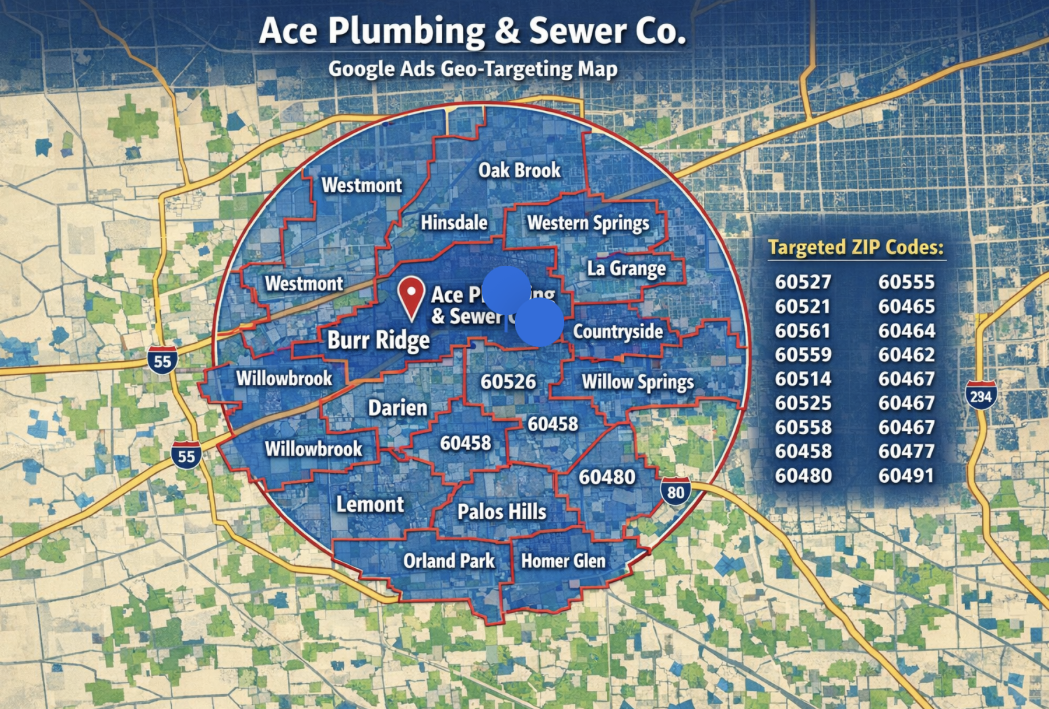
Trusted by homeowners across Burr Ridge and Chicago, IL
Chicago’s harsh winters and aging home infrastructure mean that 73% of local homeowners will face a plumbing emergency within five years – but simple residential plumbing maintenance can help you avoid becoming part of that statistic. The key isn’t waiting for problems to strike, but implementing a systematic approach that protects your investment year-round.
Between frozen pipes in January and basement flooding during spring storms, Chicago homeowners face unique challenges that make preventative maintenance absolutely critical. The good news? Most plumbing disasters are completely preventable with the right knowledge and consistent care.
Why Preventative Plumbing Maintenance Saves Chicago Homeowners Money
The average Chicago plumbing emergency costs homeowners between $2,500 and $8,000 – money that could stay in your pocket with proper maintenance. Consider this: replacing a $15 water heater anode rod every few years prevents complete system failure that could cost $3,000 or more.
Here’s what Chicago homeowners typically spend when they skip maintenance:
- Frozen pipe repairs: $1,200 to $4,500 per incident
- Water heater replacement: $2,800 to $5,200 (vs. $200-400 for regular maintenance)
- Sewer line replacement: $8,000 to $15,000 (vs. $300-500 for annual cleaning)
- Basement flood restoration: $10,000+ in damages
Beyond the immediate financial impact, emergency repairs often happen at the worst possible times. We’ve seen families spending holidays in hotels because their heating system failed, or businesses shutting down during peak season due to preventable plumbing failures.
The EPA WaterSense plumbing guidelines emphasize that regular maintenance not only prevents costly repairs but also improves water efficiency by up to 30%.
Essential Monthly and Seasonal Home Plumbing Maintenance Tasks
Creating a home plumbing maintenance checklist doesn’t have to be overwhelming. Break it down into manageable monthly and seasonal tasks that become second nature over time.
Monthly Maintenance Tasks
These quick checks take less than 30 minutes total and can prevent major headaches:
- Test all faucets and fixtures: Run water in rarely-used sinks, tubs, and showers to prevent trap seals from drying out
- Check toilet functionality: Listen for running water, test flush mechanisms, and inspect for leaks around the base
- Examine visible pipes: Look for signs of corrosion, small leaks, or unusual moisture in basements and under sinks
- Clean drain stoppers: Remove hair and debris from bathroom drains before they cause blockages
- Test water pressure: Note any significant changes that might indicate developing problems
Seasonal Plumbing Maintenance Schedule
Spring (March-May):
- Inspect outdoor spigots and hose connections for winter damage
- Clean gutters and downspouts to prevent water backup
- Test sump pump operation before heavy rain season
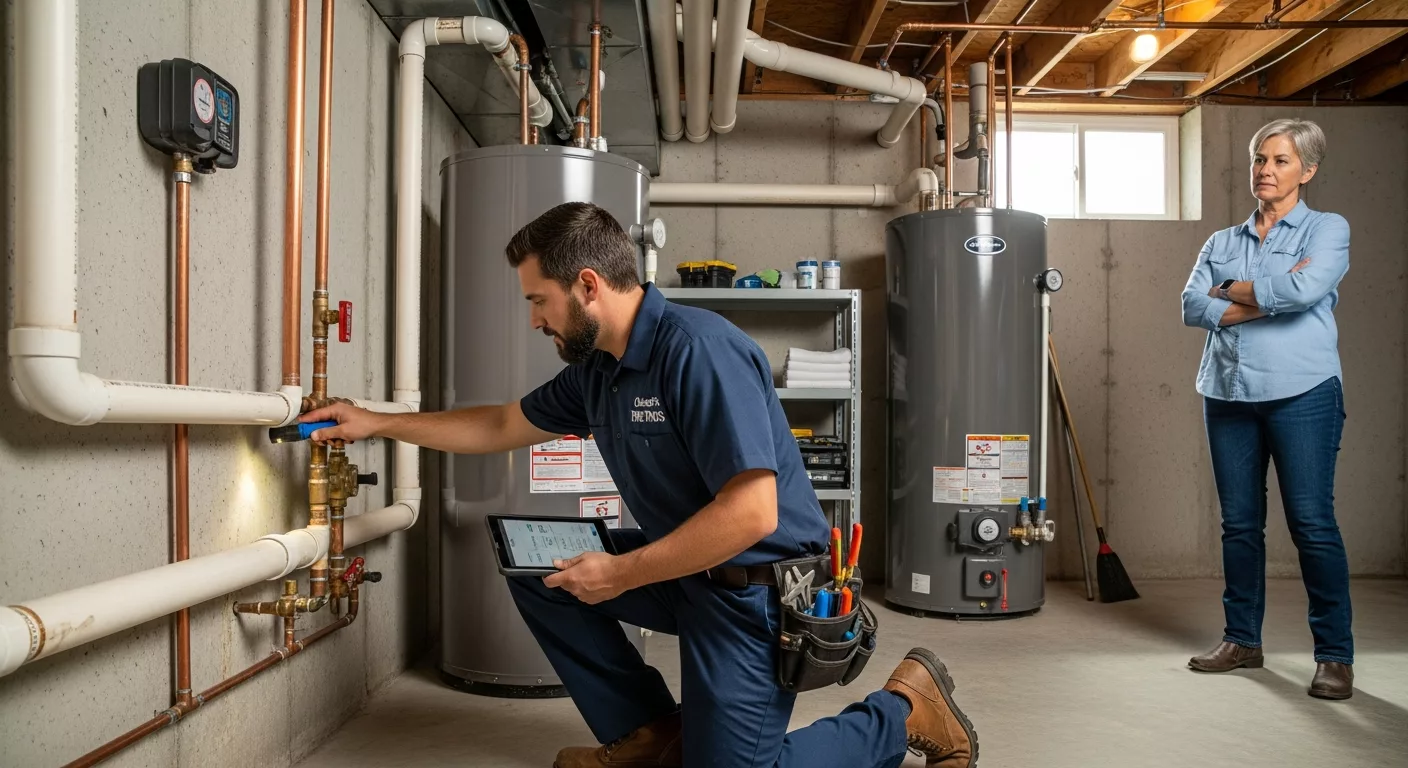
- Check water heater for sediment buildup
- Schedule professional flood control system inspection
Summer (June-August):
- Inspect and clean bathroom exhaust fans
- Check washing machine hoses for cracks or bulges
- Test outdoor irrigation systems for leaks
- Maintain garbage disposal with ice cubes and citrus peels
Fall (September-November):
- Disconnect and drain outdoor hoses
- Insulate exposed pipes in unheated areas
- Clean out water heater tank and replace anode rod if needed
- Schedule professional drain cleaning before winter
Warning Signs That Require Professional Licensed Plumber Attention
While many maintenance tasks are DIY-friendly, recognizing when to call professionals can save you from turning small problems into major disasters. Some situations always require a licensed plumber Chicago suburbs residents can trust.
Immediate Professional Intervention Required
- Water pressure drops significantly: Could indicate main line problems or hidden leaks
- Multiple drains backing up simultaneously: Usually signals main sewer line blockage
- Water heater making unusual noises: Banging, popping, or rumbling sounds indicate serious internal problems
- Sewage odors indoors: May indicate dangerous sewer gas leaks or trap failures
- Discolored water: Brown, yellow, or cloudy water suggests pipe corrosion or contamination
The Chicago Department of Water Management recommends immediate professional consultation for any water quality issues, as they may indicate problems requiring specialized equipment and expertise.
Schedule Professional Maintenance When You Notice
- Slow drains that don’t respond to basic cleaning
- Toilets that require multiple flushes or run constantly
- Water temperature inconsistencies
- Unusual increases in water bills
- Mineral buildup around fixtures and appliances
Professional maintenance becomes especially valuable for homes over 20 years old, where aging pipes and fixtures require specialized knowledge. Licensed plumbers save money in the long run by identifying potential problems before they become expensive emergencies.
Chicago Winter Plumbing Protection: Pipes, Water Heaters, and More
Chicago’s brutal winters demand specific seasonal plumbing maintenance strategies. When temperatures drop below freezing for extended periods, your plumbing system faces stress that can lead to catastrophic failures.
Pipe Protection Strategies
Frozen pipes cause more Chicago plumbing emergencies than any other single factor. Here’s how to protect your system:
- Insulate vulnerable areas: Focus on pipes in basements, crawl spaces, and exterior walls
- Maintain consistent heating: Keep indoor temperatures above 55°F even when away
- Allow faucet dripping: During extreme cold snaps, let faucets drip to maintain water movement
- Open cabinet doors: Expose pipes under sinks to warmer indoor air
- Seal air leaks: Use caulk and weatherstripping around pipes entering the home
Water Heater Winter Maintenance
Cold weather forces water heaters to work overtime. Proper maintenance prevents mid-winter failures:
- Insulate the tank and first few feet of pipes
- Test the temperature relief valve monthly
- Flush the tank to remove sediment that reduces efficiency
- Check the anode rod and replace if corroded
- Ensure adequate clearance around the unit for proper ventilation
Many Chicago homeowners discover they need water heater repair or replacement during the coldest months when systems are under maximum stress. Winter maintenance helps avoid emergency situations when replacement units may be harder to obtain.
When DIY Maintenance Isn’t Enough: Professional Inspection Benefits
Even the most diligent homeowner can’t access or properly evaluate every component of their plumbing system. Professional inspections reveal hidden problems and provide peace of mind that your preventative plumbing maintenance program is complete.
What Professional Inspections Uncover
Licensed plumbers use specialized equipment and experience to identify issues invisible to homeowners:
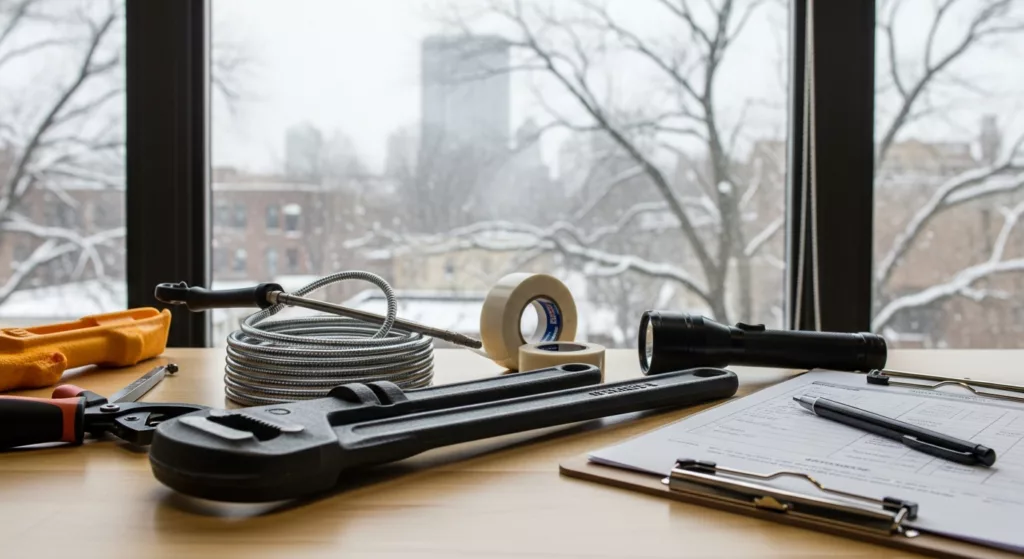
- Camera inspections: Video scoping reveals pipe condition, root intrusion, and blockages in main lines
- Pressure testing: Identifies small leaks before they cause visible damage
- Thermal imaging: Detects temperature variations indicating hidden leaks or poor insulation
- Water quality testing: Reveals pipe corrosion, mineral buildup, or contamination
- System capacity evaluation: Ensures your plumbing meets current household demands
Recommended Professional Maintenance Schedule
The Plumbing-Heating-Cooling Contractors Association suggests these professional maintenance intervals:
- Annual comprehensive inspection: Complete system evaluation including water heater, main lines, and fixtures
- Bi-annual drain cleaning: Professional cleaning prevents buildup and identifies developing problems
- Water heater maintenance: Professional service every 2-3 years extends equipment life significantly
- Sewer line inspection: Video inspection every 3-5 years for homes over 25 years old
Creating Your Year-Round Home Plumbing Maintenance Schedule
Success with residential plumbing maintenance comes from consistency, not perfection. Create a schedule that fits your lifestyle and stick to it rather than attempting an overly ambitious plan you’ll abandon.
Building Your Personal Maintenance Calendar
Start by marking these dates on your calendar:
January: Test and maintain sump pump, check pipe insulation
March: Inspect outdoor spigots, test water heater relief valve
May: Clean gutters, schedule professional drain cleaning
July: Inspect washing machine hoses, maintain garbage disposal
September: Winterize outdoor plumbing, flush water heater
November: Final winter preparation, professional system inspection
Making Maintenance a Habit
Transform maintenance from a chore into a routine by:
- Linking tasks to existing habits (check drains when cleaning bathrooms)
- Setting phone reminders for monthly tasks
- Keeping a simple maintenance log to track completed tasks
- Involving family members in age-appropriate maintenance activities
- Celebrating successes – recognize when your maintenance prevents problems
Remember that a comprehensive home plumbing maintenance checklist should evolve with your home’s age and changing needs.
Taking Action on Your Plumbing Maintenance Plan
The difference between homeowners who avoid plumbing emergencies and those who experience costly disasters isn’t luck – it’s consistent, preventative maintenance. Your Chicago plumbing maintenance plan starts today with a simple inspection of visible pipes and fixtures.
Begin with the monthly tasks outlined above, then gradually incorporate seasonal maintenance as the calendar progresses. Remember that professional support doesn’t replace your efforts – it enhances them by catching problems beyond your ability to detect.
At The Ace Plumbers, we’ve helped Chicago-area homeowners avoid thousands of dollars in emergency repairs through our preventative maintenance programs. Our three generations of experience serving the community means we understand exactly what Chicago homes need to stay protected year-round.
Don’t wait for the next plumbing emergency to strike your home. Schedule a comprehensive plumbing inspection today by calling (708) 204-8602 and take the first step toward protecting your investment with proper preventative maintenance.
What maintenance task will you tackle first this weekend? Your future self will thank you for starting today.
Proudly serving Burr Ridge and Southwest Chicago
Request a free quote
Tell us what’s going on and we’ll get right back to you. Need help now? Call and a real plumber answers 24/7.