5 Essential Plumbing Maintenance Tasks to Prevent Costly Repairs
Trusted by homeowners across Burr Ridge and Chicago, IL
A single burst pipe can cost Chicago property owners thousands in emergency repairs and water damage – but five simple maintenance tasks can prevent 80% of plumbing disasters before they strike. When winter temperatures plummet to -20°F and aging infrastructure meets neglect, the result is catastrophic flooding, business downtime, and repair bills that can reach $50,000 or more. The good news? Most plumbing emergencies are completely preventable with the right plumbing maintenance prevent costly repairs strategy.
The True Cost of Neglecting Plumbing Maintenance
Property owners who skip regular plumbing maintenance face devastating financial consequences. According to the EPA’s Fix a Leak Week guidelines, the average household wastes 10,000 gallons annually from leaks – that’s enough water for 270 loads of laundry.

But water waste is just the beginning. Here’s what neglecting preventative plumbing maintenance really costs:
- Emergency repairs: $3,000-$15,000 for burst pipe repairs and water damage restoration
- Business downtime: Commercial properties lose $5,000-$50,000 per day during plumbing failures
- Mold remediation: $2,000-$10,000 after water damage sits undetected
- Insurance deductibles: $1,000-$5,000 out-of-pocket costs
- Tenant displacement: Lost rental income while units undergo repairs
At Ace Plumbers, we’ve responded to countless emergency calls that could have been prevented with basic maintenance. One Chicago restaurant owner faced $30,000 in damages when a neglected water line burst during the dinner rush, flooding the kitchen and dining room.
The math is simple: investing $500-$1,000 annually in preventative maintenance saves thousands in emergency repairs.
5 Critical Plumbing Maintenance Tasks Every Property Owner Should Know
These five essential maintenance tasks form the foundation of any effective plumbing maintenance checklist. Performed regularly, they’ll catch problems before they become disasters.
1. Inspect and Test Water Shut-Off Valves
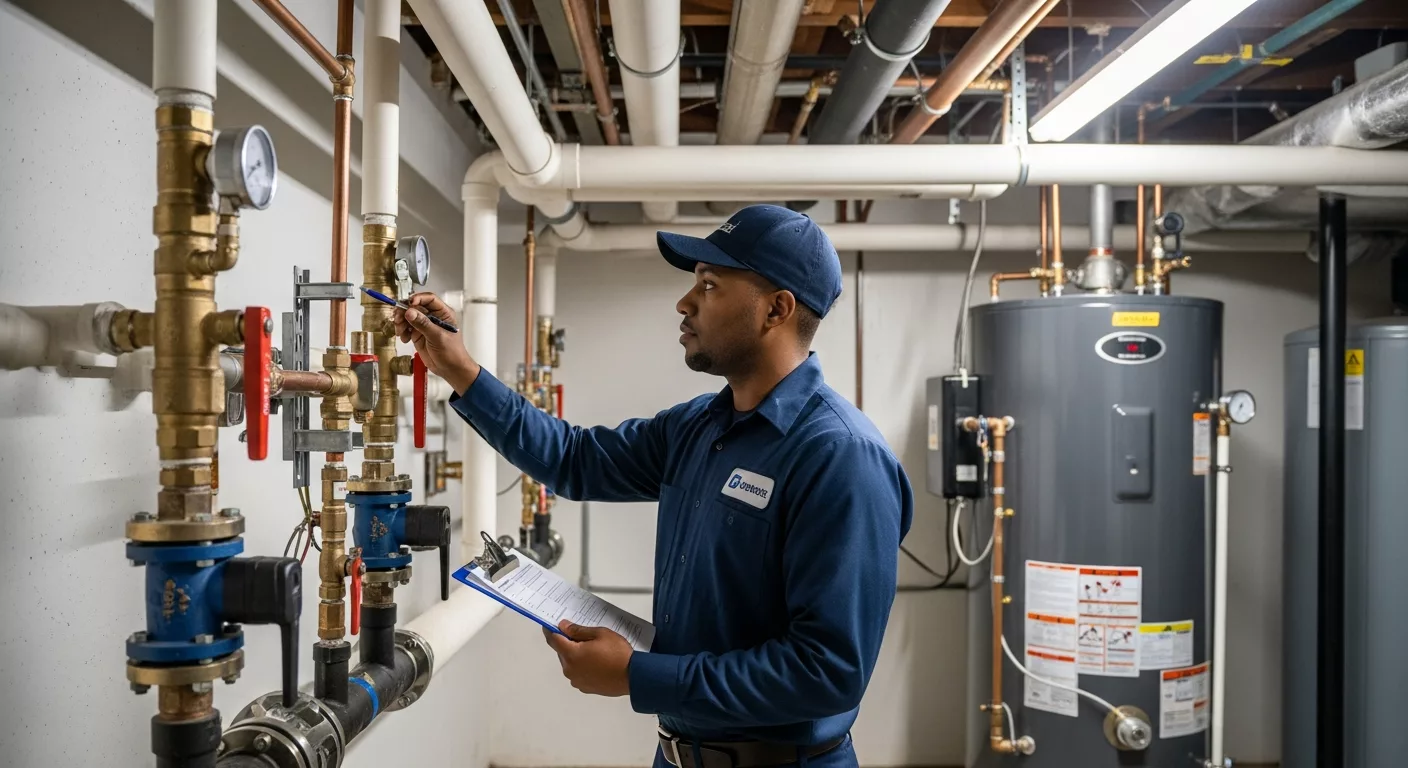
Your main water shut-off valve is your first line of defense during plumbing emergencies. Yet most property owners discover their valve is seized shut only when disaster strikes.
What to do:
- Locate your main water shut-off valve (usually near the water meter or where the main line enters the building)
- Turn the valve clockwise to close, then counterclockwise to open
- If the valve is difficult to turn or won’t budge, call a licensed plumbing service immediately
- Test individual fixture shut-offs under sinks and behind toilets
- Label valves clearly for emergency situations
Frequency: Test every 6 months
Pro tip from our team: If your valve hasn’t been turned in years, don’t force it. Seized valves can break, creating a much bigger emergency. Our licensed technicians can safely service and replace problematic shut-off valves.
2. Flush Water Heaters and Check Safety Systems
Water heaters work hard, especially in commercial settings where demand is constant. Sediment buildup reduces efficiency and can cause complete system failure.
Maintenance steps:
- Turn off power (electric) or gas supply
- Connect a hose to the drain valve and flush until water runs clear
- Check temperature and pressure relief valve by lifting the lever slightly
- Inspect for rust, corrosion, or water pooling around the base
- Test water temperature at faucets (should be 120°F for safety)
Frequency: Annual flushing for residential, bi-annual for commercial units
Commercial properties with high-capacity water heaters should have commercial plumbing experts perform this service. The systems are more complex, and improper maintenance can void warranties or create safety hazards.
3. Clean and Inspect Sump Pumps
Chicago’s heavy spring rains and snowmelt make sump pumps critical for basement protection. A failed sump pump during a storm can flood an entire basement in hours.
Essential sump pump maintenance:
- Pour water into the pit to test automatic activation
- Clean debris from the pit and intake screen
- Check that the float moves freely
- Test backup battery systems (if equipped)
- Ensure discharge pipes are clear and drain away from the foundation
Frequency: Monthly during wet seasons, quarterly year-round
For detailed guidance on backup systems, check our How to Replace Your Sump Pump Battery guide. Remember, Chicago basement flooding can happen in any season – we’ve seen January thaws cause as much damage as spring storms.
4. Perform Professional Drain Cleaning
Slow drains aren’t just annoying – they’re warning signs of bigger problems. Grease buildup, hair, and debris create blockages that can cause sewage backups and pipe damage.
Signs you need drain cleaning:
- Water drains slowly from sinks, tubs, or floor drains
- Gurgling sounds when water drains
- Foul odors from drains
- Water backing up in other fixtures when one is used
- Fruit flies around drains
While homeowners can handle basic drain cleaning with plungers or drain snakes, professional drain cleaning uses hydro-jetting technology to completely clear buildup and inspect pipe condition.
Frequency: Annual professional cleaning, or immediately when problems arise
Commercial properties, especially restaurants and multi-unit buildings, need quarterly drain maintenance to handle heavy usage and prevent costly backups during business hours.
5. Inspect Pipes and Connections for Leaks
Small leaks become big problems fast. A pinhole leak in a supply line can waste 31,000 gallons annually and cause hidden water damage behind walls.
Comprehensive leak inspection checklist:
- Check under sinks for water stains or dampness
- Inspect exposed pipes in basements, crawl spaces, and utility rooms
- Look for water stains on ceilings and walls
- Monitor your water bill for unexplained increases
- Check toilet bases for movement or water rings
- Test faucets and shower heads for drips
Frequency: Monthly visual inspections, annual professional assessment
The Consumer Reports plumbing prevention guide recommends turning off all water fixtures and checking your meter – if it’s still moving, you have a leak somewhere in the system.
Seasonal Plumbing Maintenance: What to Check When
Chicago’s extreme seasonal changes demand specific maintenance timing to prevent plumbing emergencies when they’re most likely to occur.
Spring Maintenance (March-May)
After winter’s assault on your plumbing system, spring is recovery time:
- Test sump pumps before heavy rains arrive
- Check for freeze damage on outdoor spigots and pipes
- Clear debris from outdoor drains and gutters
- Schedule professional drain cleaning after winter buildup
Summer Maintenance (June-August)
High usage season requires proactive care:
- Monitor water pressure during peak usage
- Clean garbage disposals and kitchen drains
- Check irrigation systems and outdoor connections
- Inspect basement humidity levels to prevent pipe condensation
Fall Maintenance (September-November)
Preparation is key before winter hits:
- Disconnect and drain garden hoses
- Shut off and drain outdoor water lines
- Check heating system connections for leaks
- Clean floor drains to handle melting snow
Winter Maintenance (December-February)
Cold weather vigilance prevents freeze damage:
- Keep cabinet doors open during extreme cold
- Let faucets drip during sub-zero temperatures
- Monitor basement temperature and humidity
- Clear snow from meter pits and vent stacks
Warning Signs That Require Professional Attention
While regular maintenance prevents most problems, certain warning signs require immediate professional intervention. Ignoring these red flags can turn manageable issues into plumbing disasters.
Emergency Warning Signs
- No water pressure system-wide: Could indicate main line failure
- Sewage backing up: Health hazard requiring immediate professional response
- Gas smell near water heater: Potential safety emergency
- Flooding from unknown source: Hidden pipe burst requires expert detection
- Brown or rusty water: May indicate pipe corrosion or contamination
Non-Emergency Professional Issues
- Persistent low water pressure after basic troubleshooting
- Unusual noises from pipes or water heater
- Frequent drain clogs despite regular cleaning
- Water heater age over 8-10 years with declining performance
- Visible pipe corrosion or mineral buildup
For commercial properties, the stakes are higher. Issues that might wait a day in a residence can cost thousands in lost business. That’s why our licensed commercial plumbing experts offer same-day emergency service and preventative maintenance contracts.
Creating Your Preventative Maintenance Schedule
Consistency is key to effective preventative plumbing maintenance. A structured schedule ensures nothing gets overlooked and problems are caught early.
Monthly Tasks (15 minutes)
- Test sump pump operation
- Check for visible leaks under sinks
- Run water in rarely used drains
- Monitor water bill for unusual increases
Quarterly Tasks (1 hour)
- Test all shut-off valves
- Inspect exposed pipes for damage
- Clean garbage disposal and kitchen drains
- Check toilet stability and seals
Semi-Annual Tasks (2-3 hours)
- Flush water heater
- Professional drain cleaning (commercial properties)
- Test water pressure throughout building
- Inspect outdoor plumbing and irrigation
Annual Tasks (Professional recommended)
- Complete plumbing system inspection
- Water heater professional service
- Sewer line camera inspection (commercial/older properties)
- Backflow prevention testing (where required)
The comprehensive plumbing maintenance checklist from Family Handyman provides additional seasonal tasks specific to different climate zones.
When to Call Licensed Commercial Plumbing Experts
While property owners can handle basic maintenance, certain situations require professional expertise. Knowing when to call commercial plumbing experts can save money and prevent catastrophic damage.
Always Call Professionals For:
- Gas line work: Safety regulations require licensed technicians
- Sewer line issues: Specialized equipment and expertise needed
- Commercial water heater service: Complex systems with safety implications
- Backflow prevention: Legal compliance requires certified installers
- Main line repairs: Municipality permits and coordination required
Consider Professionals For:
- Recurring drain clogs despite regular cleaning
- Water pressure problems throughout the building
- Older buildings with galvanized or cast iron pipes
- Multi-unit properties where downtime costs money
- Properties with complex mechanical systems
At Ace Plumbers, we’ve served Chicago-area commercial and residential properties since 1983. Our third-generation, family-owned company understands that every property is different. Whether you manage a single-family home or a multi-story commercial building, our licensed, bonded, and insured technicians bring four decades of expertise to every job.
We specialize in preventative maintenance contracts that keep commercial properties running smoothly while reducing long-term costs. Our team knows Chicago’s unique challenges – from winter freeze damage to summer storm flooding – and we’re available for same-day emergency service when prevention isn’t enough.
Key Takeaways
- Regular plumbing maintenance prevent costly repairs by catching problems early
- Five essential tasks – valve testing, water heater service, sump pump maintenance, drain cleaning, and leak inspection – prevent 80% of plumbing emergencies
- Seasonal maintenance timing is crucial in Chicago’s extreme climate
- Professional service for complex systems and emergency situations saves money long-term
- Preventative maintenance costs $500-$1,000 annually but prevents $3,000-$50,000 in emergency repairs
Don’t wait for a plumbing disaster to strike your Chicago property. The team at Ace Plumbers is ready to help you implement a comprehensive maintenance strategy that protects your investment and gives you peace of mind. Our Chicago Homeowner’s Complete Residential Plumbing Guide offers additional insights for residential property owners.
Ready to protect your property with professional preventative plumbing maintenance? Call Ace Plumbers at (708) 204-8602 for a consultation, or visit our Burr Ridge office at 8602 Wolf Rd. We’ll help you create a maintenance schedule that prevents emergencies and saves money year after year.
What plumbing maintenance task has saved you from a costly repair? Share your experience in the comments below – your story might help another property owner avoid disaster.
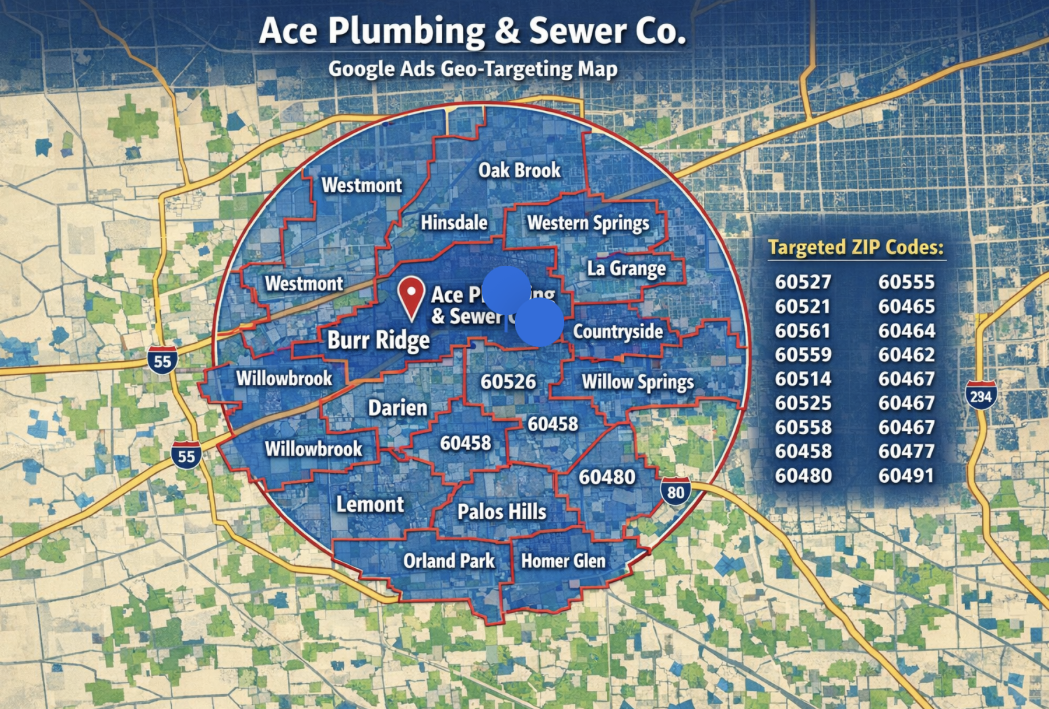
Proudly serving Burr Ridge and Southwest Chicago
Request a free quote
Tell us what’s going on and we’ll get right back to you. Need help now? Call and a real plumber answers 24/7.