
Top Rated Battery Backup Sump Pump Systems
Trusted by homeowners across Burr Ridge and Chicago, IL
Basement flooding during storms can happen in seconds, and a power outage makes it worse. We at Ace Plumbing & Sewer know that a top rated battery backup sump pump system keeps your home protected when you need it most.
This guide covers everything homeowners in the Western Chicago suburbs need to know about these systems, from key features to installation.
Why Your Basement Needs Protection Right Now
The Real Cost of Basement Flooding
Basement flooding costs homeowners an average of $3,838 nationally in cleanup, restoration, and potential mold remediation, though costs vary based on scope and severity. A single power outage during a storm can turn that risk into reality within hours. Most homeowners rely on a single primary sump pump, but that single point of failure leaves them vulnerable when the power goes out-exactly when they need pumping protection most.
How Battery Backup Systems Activate
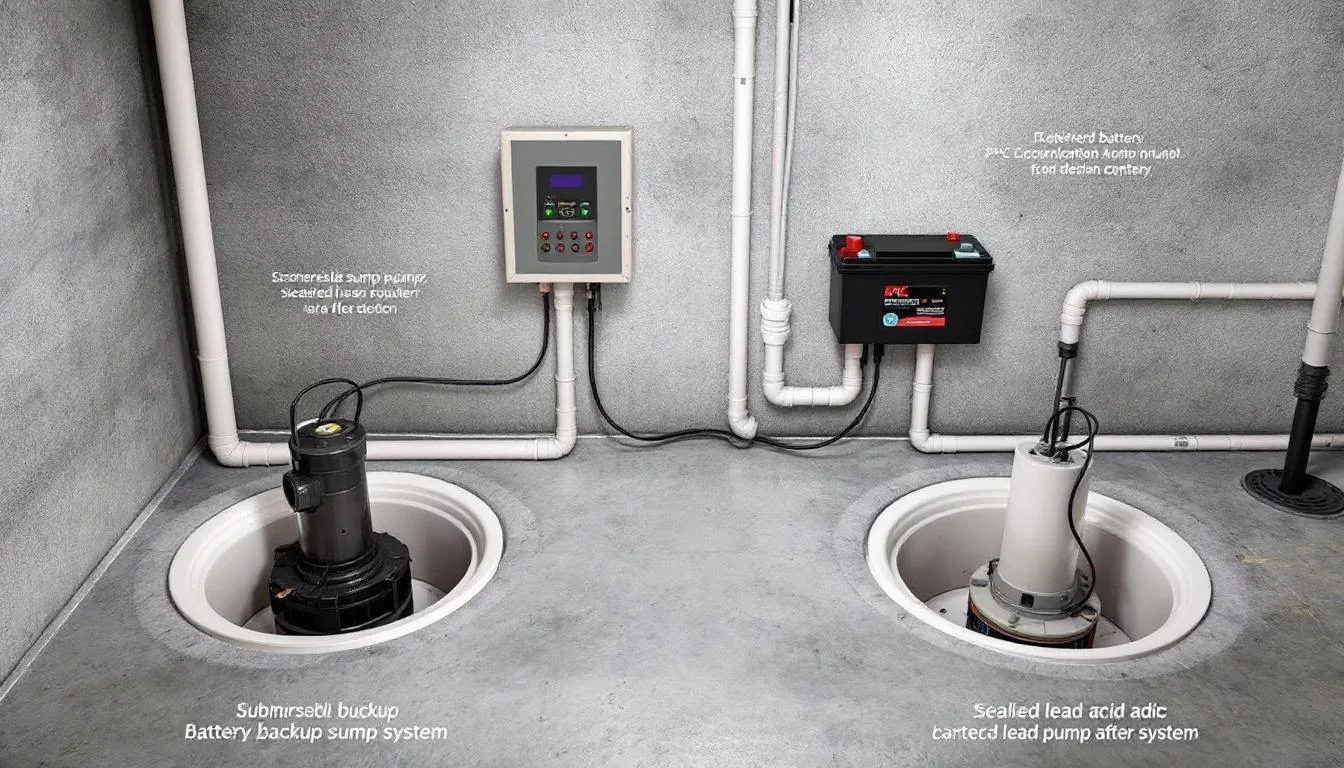
A battery backup system activates the moment your primary pump loses electricity, stepping in to handle water that would otherwise flood your basement. When your primary pump stops working, water rises in the sump pit within minutes during heavy rainfall. A battery backup sump pump capacity can evacuate approximately 40 gallons per minute at a 10-foot lift, giving you real pumping capacity when you need it.
Why Your Location Matters
In areas like Hinsdale, Clarendon Hills, La Grange, and Western Springs, where heavy rainfall and high water tables are common, backup systems aren’t optional upgrades-they’re practical necessities that prevent thousands in damage and stress. Homeowners in Bridgeview, Orland Park, and nearby communities who install backup systems gain genuine peace of mind knowing their basements stay protected even when the grid fails.

Battery Life and System Reliability
Sealed lead-acid batteries powering these systems last three to five years and can run a pump drawing five amps for 20 to 48 hours depending on demand and battery size. Professional installation matters because improper wiring, check valve placement, or float switch positioning can render the entire system useless during an actual emergency. Treating backup system installation and testing as seriously as you would handle an emergency prevents emergencies from happening in the first place.
The difference between a flooded basement and a dry one often comes down to having a backup pump ready when storms knock out power. Understanding what features matter most in a battery backup system helps you select the right protection for your home.
What Capacity and Features Actually Matter
Runtime Capacity Determines Real Protection
The difference between a battery backup system that saves your basement and one that fails when you need it lies in three concrete specifications you must understand before purchasing. Runtime capacity matters most because a battery powering a pump delivers continuous operation during storms, with real-world cycling depending on how often the pump activates. Runtime capacity and pump flow rate matching ensures your battery size matches your home’s water intrusion rate and prevents the system from dying mid-emergency. Professional installation ensures the backup pump sits a few inches above your primary pump, allowing the float switch to activate the backup only when water rises beyond what the main pump can handle, avoiding unnecessary battery drain on days with moderate rainfall.
Automatic Switching Technology That Works When It Counts
Automatic switching technology separates systems that actually work from expensive paperweights sitting in your basement. When your primary pump loses power, a quality float switch must trigger instantly without manual intervention, and automatic switching technology with dual AC/DC capability runs on grid power when available while the battery charges, only draining the battery during outages. This dual-power approach maximizes battery lifespan and reduces replacement costs over time.
Smart Monitoring Alerts You Before Disaster Strikes
Alarm systems and monitoring capabilities have evolved from simple audible beeps to Wi-Fi alerts that notify your phone during power failures, giving you actionable information rather than discovering a flooded basement hours later. Homeowners in Hinsdale, Clarendon Hills, La Grange, and Western Springs dealing with frequent storms should prioritize smart monitoring over basic models because the $50 to $150 investment in Wi-Fi connectivity pays for itself through early warning and battery health status updates.

Battery Replacement and Maintenance Schedules
Sealed lead-acid batteries last three to five years before replacement, costing $100 to $200 per unit, so selecting systems with accessible battery compartments and clear replacement procedures saves time and money during maintenance. Annual professional testing verifies your backup activates properly by unplugging the primary pump and confirming water evacuation, a simple step most homeowners skip until an actual emergency reveals their system never worked correctly.
Why Professional Installation Matters for Long-Term Success
Improper wiring, check valve placement, or float switch positioning can render the entire system useless during an actual emergency. Treating backup system installation and testing as seriously as you would handle an emergency prevents emergencies from happening in the first place. The next section covers exactly what happens during professional installation and how to maintain your system for years of reliable protection.
Getting Your Backup System Installed Right
Professional Installation Prevents Costly Failures
Professional installation separates systems that actually protect your basement from expensive failures that leave you flooded during the next storm. Improper wiring, check valve placement, or float switch positioning renders the entire system useless when you need it most. Your backup pump must sit a few inches above your primary pump so the float switch activates only when water rises beyond what the main pump handles, preventing unnecessary battery drain on moderate rainfall days. The technician verifies that both pumps have independent discharge lines or a properly installed check valve preventing backflow, and that the float switch moves freely without obstruction.
Testing Your System Before the Storm Arrives
After installation, unplug your primary pump and confirm the backup activates within seconds and evacuates water properly-this single test catches installation errors before an actual emergency. Most homeowners skip this verification step, then discover during a real storm that their system never worked correctly. Schedule professional testing annually, ideally before storm season, to confirm everything functions as designed. Test your system monthly during calm weather by unplugging the primary pump for five minutes and observing the backup activate, then plug the primary back in and let it resume normal operation.

Battery Maintenance Extends System Life
Sealed lead-acid batteries powering these systems last three to five years, with backup battery costs ranging from $300 to $1,800 depending on capacity and features. Check battery terminals quarterly for corrosion and ensure all electrical connections remain tight, as loose connections cause voltage drops that prevent activation. For non-sealed batteries, add distilled water every three months and clean any white or blue corrosion from terminals using a wire brush and baking soda solution.
Integration With Your Existing Pump System
Your backup system integration with existing pumps determines whether you have redundant protection or a false sense of security. Homeowners in Hinsdale, Clarendon Hills, La Grange, and Western Springs who maintain their backup systems annually experience zero unexpected failures, while those who skip maintenance discover problems only during actual flooding events. Professional installation matters more than equipment brand or price because proper integration ensures your backup activates reliably when your primary pump fails.
Final Thoughts
A top rated battery backup sump pump system protects your basement when power fails and storms strike hardest. We at Ace Plumbing & Sewer have seen firsthand how backup systems prevent thousands in water damage across Hinsdale, Clarendon Hills, La Grange, Western Springs, Bridgeview, and Orland Park. The systems that work reliably share three critical features: adequate runtime capacity matched to your home’s water intrusion rate, automatic switching technology that activates without manual intervention, and smart monitoring that alerts you before disaster strikes.
Professional installation separates systems that actually protect your basement from expensive equipment that fails when you need it most. Improper wiring, check valve placement, or float switch positioning renders even the best equipment useless during an actual emergency (your backup pump must sit correctly above your primary pump with independent discharge lines or proper check valves). Annual testing before storm season catches installation errors and battery degradation before they cause flooding.
Contact us today to schedule a professional site visit and let our licensed, bonded team handle the plumber work so your basement stays protected year-round.
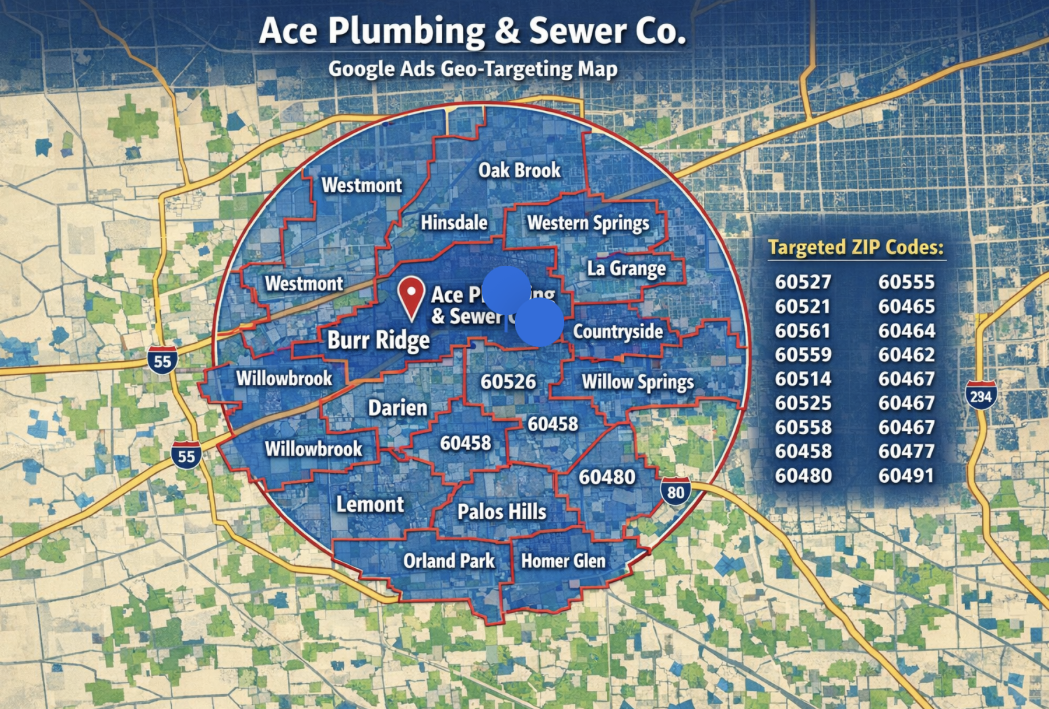
Proudly serving Burr Ridge and Southwest Chicago
Request a free quote
Tell us what’s going on and we’ll get right back to you. Need help now? Call and a real plumber answers 24/7.