Tank Sump Pumps: Features and Applications
Trusted by homeowners across Burr Ridge and Chicago, IL
Tank sump pumps handle water removal in basements, commercial buildings, and industrial facilities across the United States. These submersible systems prevent flooding damage that costs property owners billions annually.
We at Ace Plumbing & Sewer see how proper tank sump pump selection saves money and protects property. Understanding their features and applications helps you make informed decisions about water management systems.
Tank Sump Pump Design and Key Features
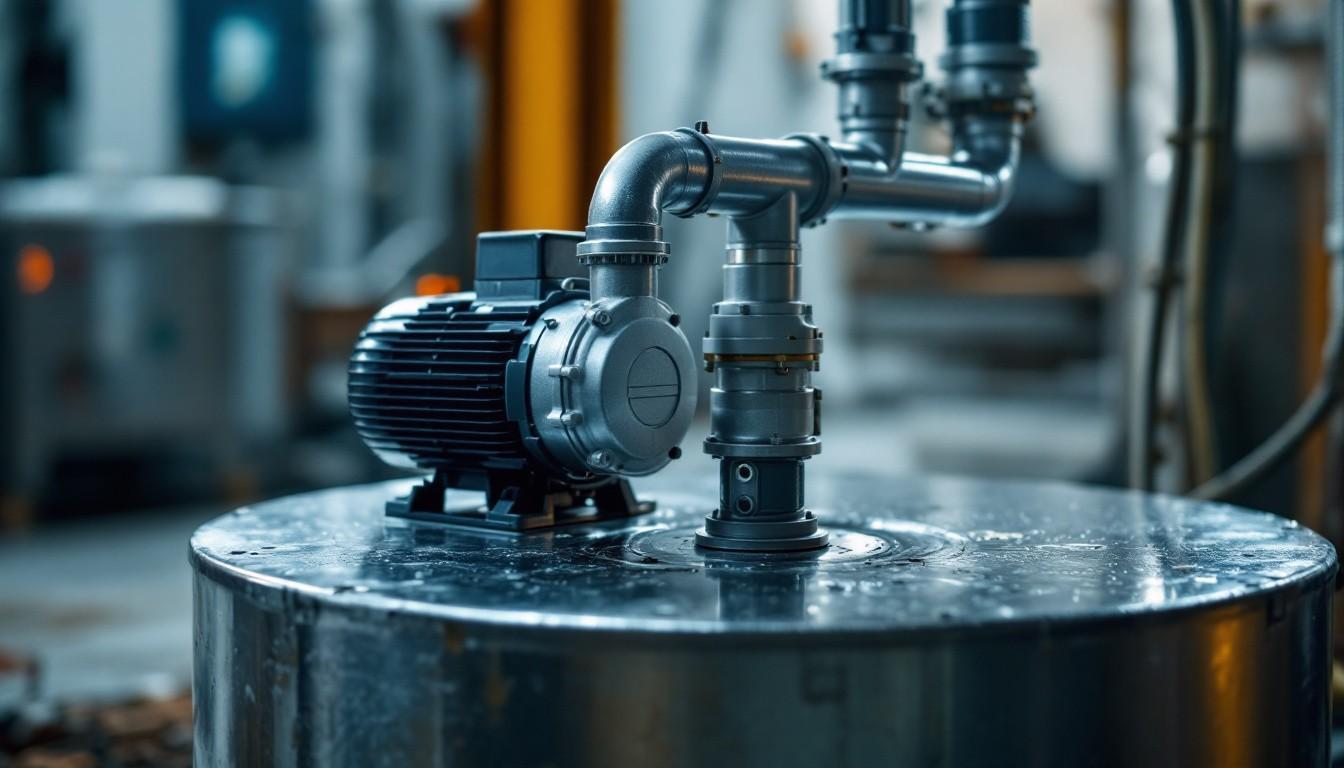
Tank sump pumps rely on three core components that determine their effectiveness and longevity. The submersible motor sits inside a sealed housing that protects electrical components from water damage while it operates continuously underwater. A sump pump system with a cast-iron housing will best distribute heat from the motor, ensuring the longest operating lifespan. The centrifugal impeller moves water through the discharge pipe with rotational force, and stainless steel impellers handle debris better than plastic alternatives.
Float Switch Technology Controls Operation
Modern tank sump pumps use vertical float switches that activate when water reaches predetermined levels. These switches trigger pump operation at 6-8 inches of water depth and shut off when levels drop to 2-3 inches, which prevents dry operation that damages motors. Tethered float switches offer more reliable operation than rigid switches because they move freely with water movement. Professional installations position float switches away from pump vibrations to prevent false activation that shortens motor life.
Capacity Specifications Match Water Volume Needs
Tank sump pump capacity ranges from 1,800 to 4,200 gallons per hour, with 1/3 horsepower pumps that handle most residential applications effectively. Head pressure ratings indicate vertical lift capability (typically 15-25 feet for standard installations). A pump rated at 3,000 GPH at 10 feet of head drops to 2,400 GPH at 15 feet, which makes proper calculations necessary. Professional contractors measure actual water inflow rates during heavy rainfall to select appropriate pump capacity rather than guess based on basement size alone.
Motor Protection Features Extend Service Life
Advanced tank sump pumps include thermal overload protection that shuts down motors when temperatures exceed safe limits. Oil-filled motors run cooler and quieter than air-filled alternatives, which extends operational life by 30-40%. Sealed bearing systems prevent water infiltration that causes premature failure in standard pumps. These protection features become particularly important in commercial applications where pumps operate frequently during storm seasons and require energy efficiency to minimize operational costs.

Common Applications for Tank Sump Pumps
Basement Water Removal and Flood Prevention
Tank sump pumps protect millions of properties nationwide from water damage, with basement installations that effectively prevent foundation problems. Residential basements require pumps rated between 2,500-3,500 GPH to handle typical water table fluctuations and storm runoff effectively.
Properties in flood-prone areas like Cook County see water damage claims drop by 78% after professional sump pump installation. The Federal Emergency Management Agency reports that one inch of basement flooding costs homeowners more than $26,000 in repairs and replacement costs (making prevention systems a smart investment).

Commercial Building Drainage Systems
Office complexes typically install 1/2 to 3/4 horsepower pumps that move 4,200-6,000 GPH to handle HVAC condensation, parking garage drainage, and elevator pit water removal. These commercial applications demand higher-capacity systems that operate continuously during peak demand periods without failure.
Hospital basement mechanical rooms need dual-pump systems with battery backup to maintain critical operations during power outages. Shopping centers and office buildings rely on these pumps to protect expensive equipment and maintain safe conditions for tenants and visitors.
Industrial Process Water Management
Manufacturing plants use tank sump pumps for process water management, with food processing facilities that require stainless steel components meeting FDA standards. Chemical plants install explosion-proof motors and specialized discharge piping that meets OSHA safety requirements for hazardous environments.
Industrial applications often process contaminated water containing oils, chemicals, or debris that standard residential pumps cannot handle. These facilities need pumps with corrosion-resistant materials and higher durability ratings to maintain continuous operation (sometimes 24/7 during production cycles).
Professional contractors evaluate site conditions, water volume calculations, and local building codes to select appropriate pump specifications for each unique application, which leads directly to proper installation and maintenance practices.
Installation and Maintenance Best Practices
Proper Sizing and Pump Selection Criteria
Proper pump selection requires calculations of actual water inflow rates rather than estimates based on basement square footage. A 1,200 square foot basement needs a 1/3 horsepower pump that can handle 7-10 foot vertical lifts for typical residential applications, but properties with high water tables require 1/2 horsepower units that move 3,500-4,200 GPH. Professional contractors measure water entry during heavy rainfall to determine exact capacity needs. Oversized pumps waste energy while undersized units fail during peak demand periods.
Professional Installation Requirements and Code Compliance
Tank sump pump installations must comply with local codes that specify discharge locations, electrical requirements, and permit procedures. Local codes require discharge lines to terminate at appropriate distances from foundation walls, and many municipalities mandate 10-20 foot minimum distances to prevent water return. Licensed contractors install GFCI protection, dedicated electrical circuits, and proper connections that meet National Electrical Code standards.
Professional installations include check valves that prevent backflow, discharge line insulation in cold climates, and basin seals that stop water infiltration around the pump housing. Contractors handle permit applications and inspections (which homeowners often overlook during DIY attempts). Throughout the installation, plumber adhere strictly to local building codes and industry best practices.
Regular Maintenance Schedules and Component Inspections
Tank sump pumps require quarterly tests and annual professional inspections to maintain peak performance throughout their 7-10 year service life. Monthly float switch tests involve water addition to the basin until the pump activates, then verification of automatic shutoff when water levels drop. Annual maintenance includes impeller cleanouts, discharge line inspections, and motor bearing lubrication that prevents 85% of premature pump failures according to the Sump and Sewage Pump Manufacturers Association.
Professional technicians replace worn components before they fail, clean debris from intake screens, and verify proper electrical connections that prevent motor damage from voltage fluctuations. Maintenance contracts provide scheduled service visits that catch problems early (before expensive emergency repairs become necessary).

Regular inspections and timely repairs by qualified plumbing professionals can prevent minor issues from escalating into major system failures.
Final Thoughts
Tank sump pump systems protect property investments worth millions of dollars annually through reliable water management solutions. These submersible units prevent basement flooding, support commercial drainage operations, and handle industrial process water with proven effectiveness across diverse applications. Property owners who invest in quality systems see significant returns through damage prevention.
Professional installation and maintenance determine system performance and longevity over time. Licensed contractors handle proper size calculations, code compliance requirements, and electrical connections that homeowners often miss during DIY attempts. Regular inspections catch component wear before expensive failures occur (which extends pump service life from 7 to 10 years through preventive care).
We at Ace Plumbing & Sewer provide commercial and residential pump installations throughout the western Chicago suburbs. Our licensed team offers emergency response, maintenance contracts, and warranty-backed service for all tank sump pump applications. Contact The Ace Plumber at (708) 204-8602 for professional consultation and installation services that protect your property investment.
Proudly serving Burr Ridge and Southwest Chicago

Request a free quote
Tell us what’s going on and we’ll get right back to you. Need help now? Call and a real plumber answers 24/7.