Are Tankless Water Heaters a Good Investment?
Trusted by homeowners across Burr Ridge and Chicago, IL
Are tankless water heaters worth it? This question often comes up when homeowners consider upgrading their water heating systems.
At Ace Plumbing & Sewer, we’ve seen a growing interest in these innovative appliances. They promise energy savings, endless hot water, and space-saving benefits.
Let’s explore whether tankless water heaters are a smart investment for your home.
How Tankless Water Heaters Function
The On-Demand Heating Process
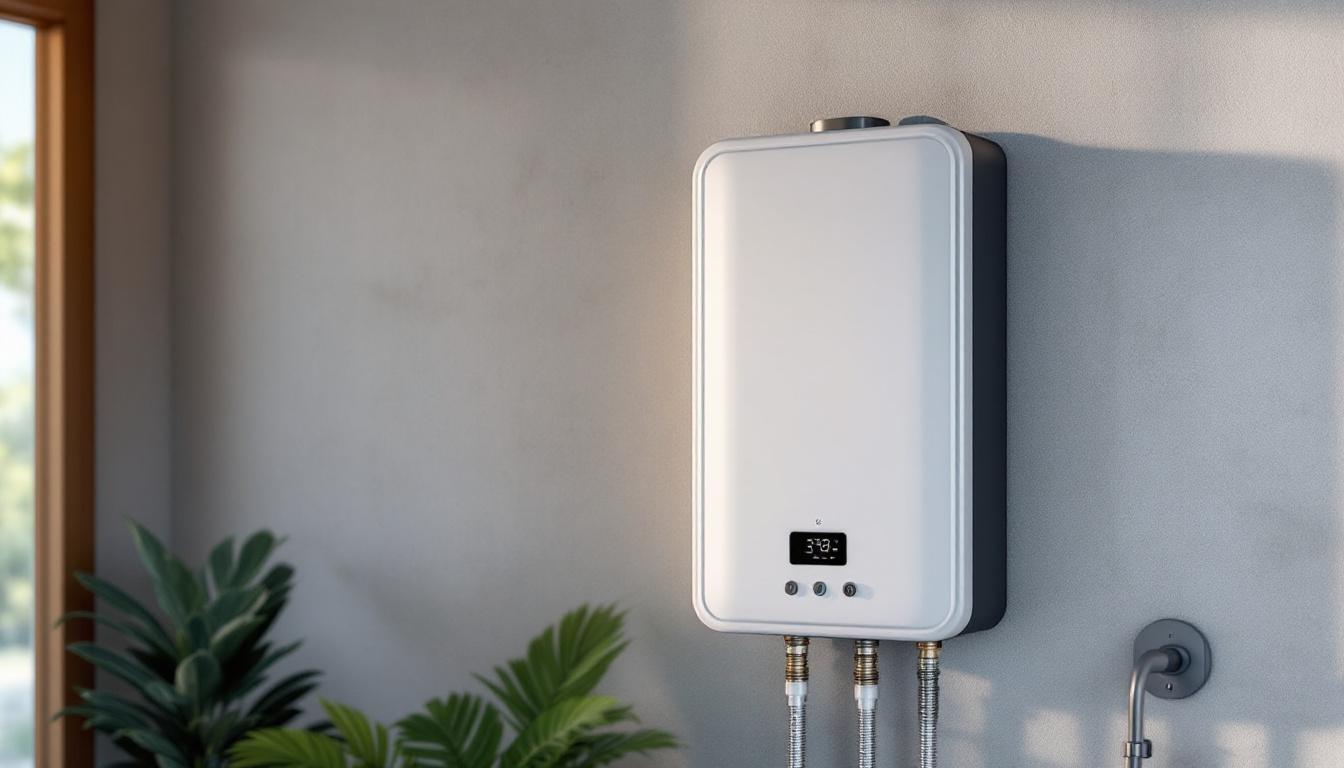
Tankless water heaters, also known as on-demand water heaters, operate differently from traditional tank-based systems. These units heat water as it flows through the device, providing hot water only when needed (without storing it in a tank).
When you turn on a hot water tap, cold water enters the tankless unit through a pipe. A flow sensor detects the water movement and activates the heating element. For gas-powered units, this ignites a burner. For electric models, it powers up electrical heating elements.
The water then passes through a heat exchanger, where it rapidly heats to the desired temperature. This process typically takes just a few seconds. Once you turn off the tap, the heater shuts down, which conserves energy.
Efficiency in Action
The U.S. Department of Energy reports that tankless water heaters can be 8%–14% more energy efficient for homes that use a lot of hot water — around 86 gallons per day. This efficiency stems from the elimination of standby heat loss associated with storage tanks.

Capacity Considerations
It’s important to note that tankless heaters have flow rate limitations. Most residential units can provide 2-5 gallons of hot water per minute. Natural gas tankless water heaters are the choice for greater water heating capacity, while electric models are better for small households.
For larger households with simultaneous hot water needs, the installation of multiple units (or choosing a larger capacity model) might be necessary. A professional assessment can help determine the most suitable solution for your home.
Energy Source Options
Tankless water heaters come in two main types: gas-powered and electric. Each has its advantages:
- Gas-powered units: These typically have higher flow rates and can handle larger hot water demands. They’re ideal for homes with existing natural gas lines.
- Electric units: These are often more compact and easier to install. They work well in smaller homes or as point-of-use heaters for specific fixtures.
The choice between gas and electric often depends on your home’s existing infrastructure and your specific hot water needs.
As we move forward, let’s explore the advantages that make tankless water heaters an attractive option for many homeowners.
Why Choose Tankless Water Heaters
Energy Efficiency Leads to Cost Savings
Tankless water heaters outperform traditional systems in energy efficiency. Although tankless gas water heaters should save approximately 33% on hot water heating compared to a conventional storage water heater, actual energy savings may vary. This efficiency results from the elimination of standby heat loss (a common issue with storage tanks).
For a typical family, these savings can amount to $100 to $200 annually on utility bills. Over time, these savings can offset the higher initial investment. Many homeowners recoup their costs within 5 to 10 years (depending on usage patterns and local energy prices).
Space-Saving Design
The compact size of tankless water heaters stands out as one of their most apparent benefits. While traditional tank water heaters can occupy up to 16 square feet of floor space, tankless units are typically wall-mounted and about the size of a small suitcase.
This space-saving design proves particularly valuable in smaller homes or apartments where every square foot counts. Many homeowners have reclaimed closet space or opened up their basement areas by switching to tankless systems.

Extended Lifespan and Reduced Maintenance
Tankless water heaters generally outlast traditional tank models. Conventional water heaters typically last 10 to 15 years, while tankless units can often operate efficiently for 20 years or more with proper maintenance.
This extended lifespan translates to fewer replacements over time, which reduces long-term costs and environmental impact. Additionally, tankless systems often require less frequent maintenance, although annual check-ups remain recommended to ensure optimal performance and longevity.
Endless Hot Water Supply
One of the most appealing aspects of tankless water heaters is their ability to provide an endless supply of hot water. Unlike traditional tanks that can run out of hot water during peak usage times, tankless systems heat water on demand. This feature proves especially beneficial for large families or households with high hot water demands.
Tankless hot water heaters only heat water when needed. This dramatically reduces energy consumption compared to traditional tank heaters.
Improved Water Quality
Tankless water heaters can contribute to better water quality. Traditional tank systems can accumulate sediment over time, which may affect the taste and quality of the water. Tankless systems, on the other hand, heat water as it flows through, reducing the risk of sediment buildup and potential contamination.
As we consider these advantages, it’s important to also weigh the potential drawbacks and considerations before making a decision. Let’s explore these factors in the next section to provide a comprehensive view of tankless water heaters.
What to Consider Before Installing a Tankless Water Heater
Upfront Costs and Return on Investment
The initial investment for a tankless water heater exceeds that of traditional models. Prices typically range from $1,000 to $3,000 for the unit alone (not including installation). Labor costs can add another $500 to $1,500, depending on the job’s complexity.
However, long-term savings can offset this initial expense. ENERGY STAR certified tankless water heaters can save a family of four $95 per year, or $1,800 over its lifetime, on gas bills. Over the 20-year lifespan of the unit, this amounts to significant savings, potentially covering the initial investment.

Sizing and Capacity Concerns
A common mistake is the underestimation of hot water needs. A family of four might require a unit that can handle at least 8-10 gallons per minute during peak usage. Smaller units might struggle to keep up with simultaneous hot water demands from multiple sources.
We recommend a professional assessment of your household’s hot water usage patterns. This ensures you select a unit with adequate capacity, avoiding the frustration of lukewarm showers or insufficient hot water for appliances.
Potential Home Upgrades
The installation of a tankless water heater might necessitate upgrades to your home’s systems. For gas-powered units, you may need to increase the size of the gas line or improve ventilation. Electric models often require a dedicated 240-volt circuit and potentially an upgrade to your electrical panel.
These additional modifications can add to the overall cost and complexity of the installation. It’s essential to factor these potential upgrades into your budget and decision-making process.
Maintenance Requirements
While tankless water heaters generally require less maintenance than traditional tanks, they’re not maintenance-free. Regular maintenance ensures optimal performance and longevity. This typically involves water filter maintenance, air filter maintenance, and descaling to remove mineral buildup (particularly in areas with hard water).
Some homeowners opt for professional maintenance plans, which can cost between $100 to $200 per year. However, this expense is often offset by the extended lifespan and improved efficiency of a well-maintained unit.
Environmental Impact
Tankless water heaters can reduce your carbon footprint. They use less energy than traditional tank heaters, which translates to lower greenhouse gas emissions. For environmentally conscious homeowners, this factor might tip the scales in favor of a tankless system.
Final Thoughts
Tankless water heaters offer significant benefits that make them a worthwhile investment for many homeowners. Their energy efficiency, space-saving design, and ability to provide endless hot water stand out as major advantages. The potential for long-term cost savings and reduced environmental impact further enhance their appeal.
Are tankless water heaters worth it? The answer depends on factors such as your hot water usage patterns, available space, and budget for initial installation. While the upfront costs can be higher, the long-term savings and extended lifespan often justify the investment for many households.
At Ace Plumbing & Sewer, we understand that every home has unique requirements. Our team can help you evaluate whether a tankless water heater suits your property. With over 40 years of experience serving Downers Grove and surrounding areas, we have the expertise to guide you through the decision-making process. Contact Ace Plumbing & Sewer today to explore how a tankless water heater could benefit your household.
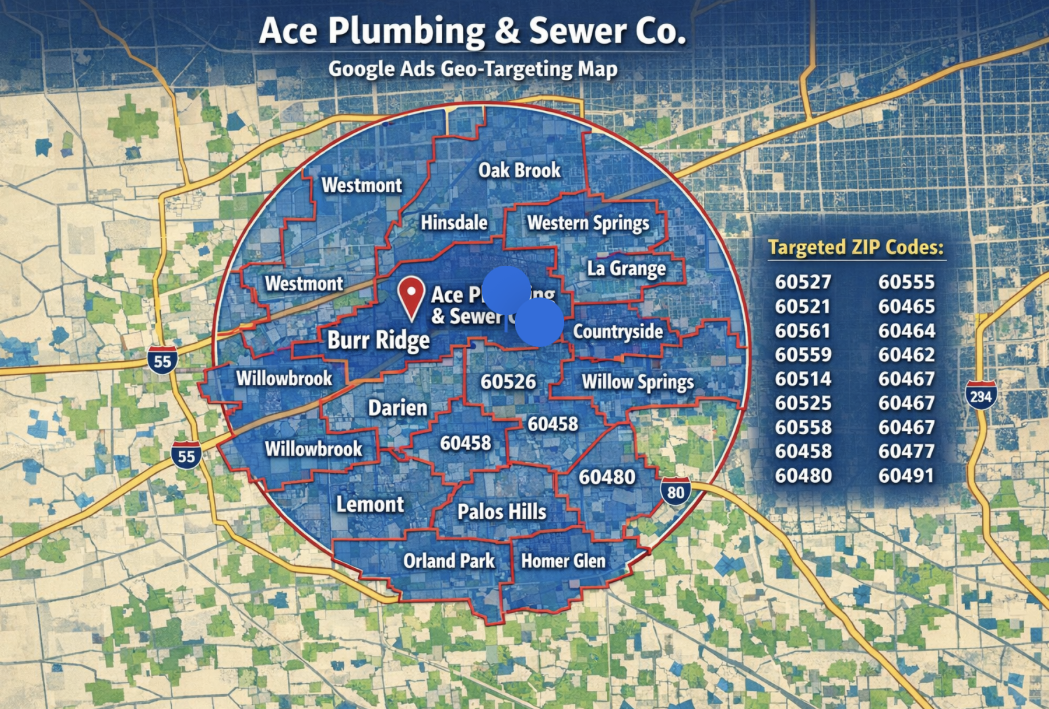
Proudly serving Burr Ridge and Southwest Chicago
Request a free quote
Tell us what’s going on and we’ll get right back to you. Need help now? Call and a real plumber answers 24/7.