Sump Pump Running Constantly: Causes and Repair Options
Trusted by homeowners across Burr Ridge and Chicago, IL
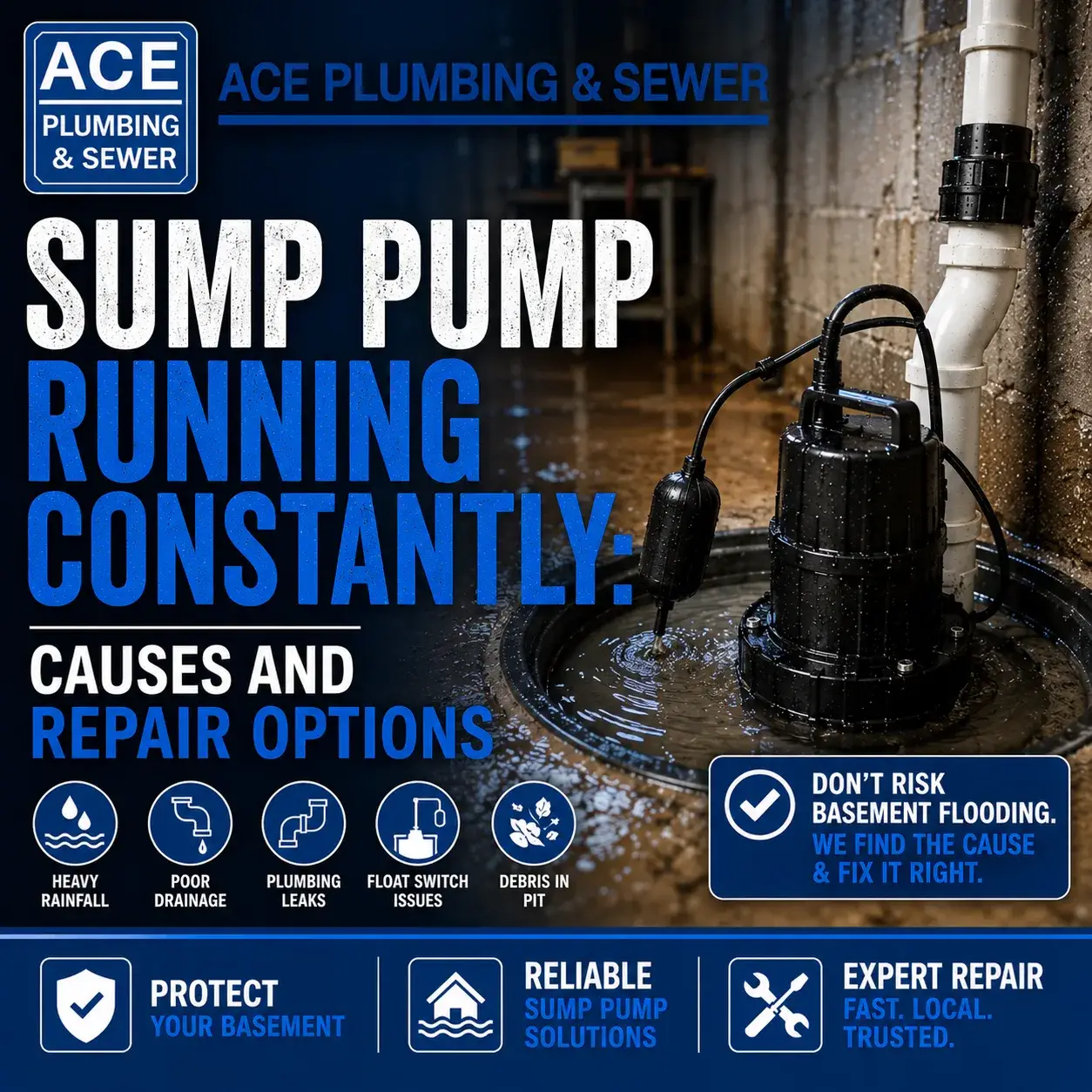
Ace Plumbing & Sewer provides sump pump repair in Burr Ridge, IL, for systems that run constantly, cycle too often, or fail to control rising water.
A sump pump may run longer during heavy rain, but nonstop operation usually points to a problem that needs attention. Constant cycling can wear out the motor, increase electrical use, and leave the basement vulnerable if the unit fails during a storm. Burr Ridge homeowners who hear the pump running for hours or notice that it never shuts off should arrange an inspection before the system becomes damaged.
What Causes a Sump Pump to Run Without Shutting Off?
A sump pump is controlled by a float switch that rises and falls with the water level inside the basin. When the float reaches a set height, the pump turns on. It should shut off after the water has been removed. If the float becomes stuck, tangled, or pressed against the side of the pit, the pump may continue running even when the basin is nearly empty.
A damaged float switch can create the same problem. Internal contacts may remain engaged, causing the motor to operate continuously. A plumber can test the switch, reposition it, or replace it when necessary. Prompt sump pump repair can prevent the motor from overheating and reduce the chance of complete pump failure.
Constant operation may also mean that water is entering the basin faster than the pump can remove it. This can happen during severe storms, rapid snowmelt, or periods of high groundwater. In these situations, the pump may be working correctly but lack the capacity needed for the property.
How Discharge Line Problems Lead to Constant Operation
The discharge line carries water from the sump basin to an outdoor drainage location. If the line becomes clogged with dirt, leaves, debris, roots, or ice, water may not leave the system properly. The pump continues running because the water level never drops enough to trigger the shutoff.
A damaged or missing check valve can also cause water to flow back into the pit after the pump stops. The returning water raises the float and starts the pump again, creating a repeated cycle. Homeowners may hear the pump switch on every few minutes even when rainfall has ended.
The outdoor discharge point should release water far enough from the foundation that it does not drain back toward the house. Poor placement can force the pump to remove the same water repeatedly. Professional sump pump service in Burr Ridge can clear blockages, repair the line, and correct drainage problems around the foundation.
Signs the Sump Pump May Be Too Small
An undersized sump pump may run constantly because it cannot keep up with the amount of water entering the basin. This is common in homes with frequent groundwater problems, low-lying lots, or drainage systems that direct large volumes of water into a single pit.
The design of the discharge system also affects capacity. Long pipe runs, narrow piping, multiple elbows, and a high vertical lift can reduce the amount of water the pump moves. A unit that appears powerful enough on paper may perform poorly when connected to an inefficient discharge layout.
Warning signs of an undersized system include:
- Water remaining near the top of the basin
- The pump running throughout a storm
- Slow drainage despite normal motor sounds
- Basement moisture during heavy rain
- Frequent activation under light rainfall
- A backup pump starting regularly
A plumber can measure the incoming water volume, review the pipe layout, and recommend the correct pump capacity. Some properties may benefit from a larger basin, secondary pump, or battery backup sump pump.
Mechanical Wear That Keeps a Sump Pump Running
Sump pumps contain moving components that wear down over time. A damaged impeller may spin without moving enough water, while a weak motor may lose the power needed to push water through the discharge line. The pump can remain on because the basin level falls too slowly.
Debris inside the pit may also interfere with the impeller or intake screen. Gravel, sediment, mud, and small objects can restrict water flow and force the motor to work harder. Humming, grinding, rattling, or screeching sounds may indicate internal wear or an obstruction.
An older pump that runs often may be nearing the end of its useful service life. Replacing a worn component can make sense when the unit is otherwise in good condition. However, repeated breakdowns, corrosion, overheating, and weak performance may make sump pump replacement the more dependable option.
Can High Groundwater Cause Normal Extended Operation?
Heavy Illinois rain can saturate the soil around a foundation and keep water flowing into the sump basin for hours or even days. In these conditions, extended pump operation may be expected. The key question is whether the system continues lowering the water level and takes occasional breaks.
A pump that runs steadily while the basin remains nearly full is struggling. A pump that cycles at regular intervals and keeps the water well below the top may simply be responding to high groundwater. Homeowners should still listen for new sounds and check that water is leaving the outdoor discharge point.
Long operating periods place added stress on the motor, even when the system is functioning properly. A professional inspection can confirm whether the pump is sized correctly and whether a secondary or backup unit would provide added basement flood protection.
What Homeowners Should Check Before Calling for Service
Homeowners can look into the basin and confirm that the float is not caught on a cord, pipe, or basin wall. The outdoor discharge opening should also be checked for visible debris, standing water, or ice. Any inspection should be completed without touching electrical components or reaching into moving equipment.
The pump should be unplugged only when there is no immediate flood risk and it can be done safely. A unit that feels hot, smells burned, or makes harsh mechanical noises should be shut down and inspected promptly. Water near an outlet, extension cord, or damaged wiring requires extra caution.
Repeatedly lifting the float or unplugging the pump does not correct the underlying issue. A licensed plumber can inspect the float switch, check valve, impeller, motor, basin, and discharge route to find the actual cause of nonstop operation.
Repairing or Replacing a Constantly Running Sump Pump
Repair is often practical when the issue involves a stuck float, faulty switch, clogged impeller, failed check valve, or blocked discharge line. Correcting these problems can restore normal cycling and reduce stress on the motor.
Replacement may be more appropriate when the pump is old, corroded, underpowered, or damaged by prolonged operation. A motor that has overheated repeatedly may no longer provide dependable performance during severe weather.
The best solution depends on the pump’s age, capacity, condition, and repair history. The plumber should also consider the size of the basin, the path of the discharge line, and the amount of water entering the system. Addressing the full setup helps prevent the new or repaired pump from developing the same problem.
Get the Help You Need From Ace Plumbing & Sewer
Get the help you need from Ace Plumbing & Sewer when your sump pump runs constantly or cycles more often than normal. Our team provides sump pump repair in Burr Ridge, IL, including float switch replacement, check valve service, discharge line clearing, pump upgrades, and battery backup installation.
Fast service can protect the pump from premature failure and reduce the risk of basement water damage. Contact Ace Plumbing & Sewer to schedule an inspection and make sure your sump pump is ready to handle heavy rain and rising groundwater.
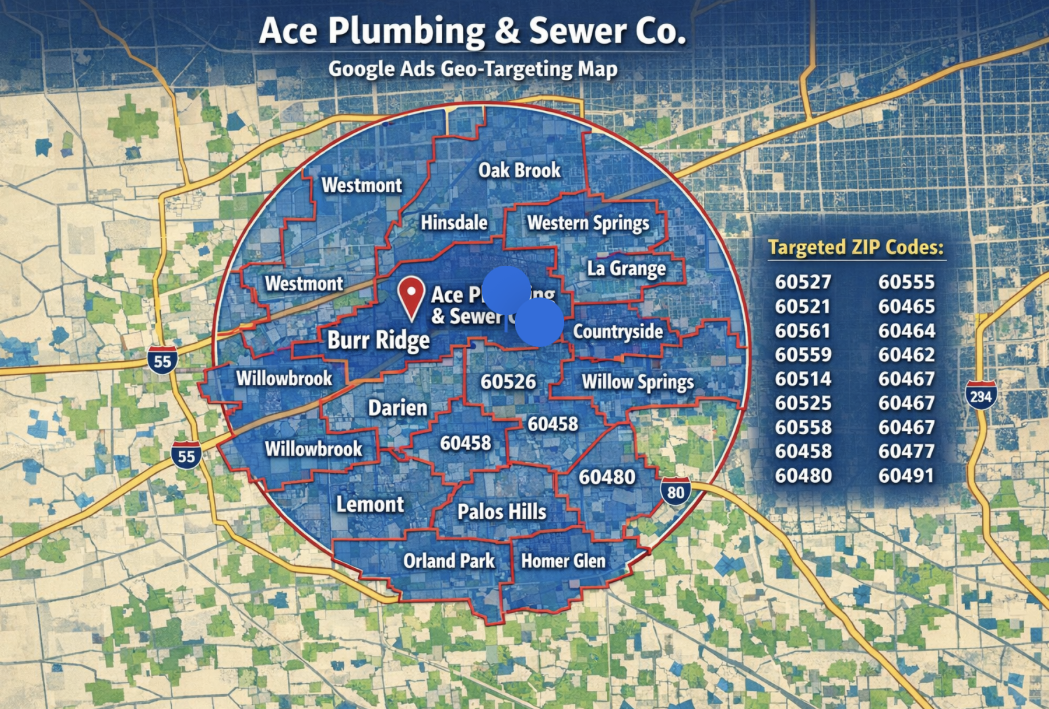
Proudly serving Burr Ridge and Southwest Chicago
Request a free quote
Tell us what’s going on and we’ll get right back to you. Need help now? Call and a real plumber answers 24/7.