Sump Pump Repair in Burr Ridge, IL: Signs You Need Service
Trusted by homeowners across Burr Ridge and Chicago, IL
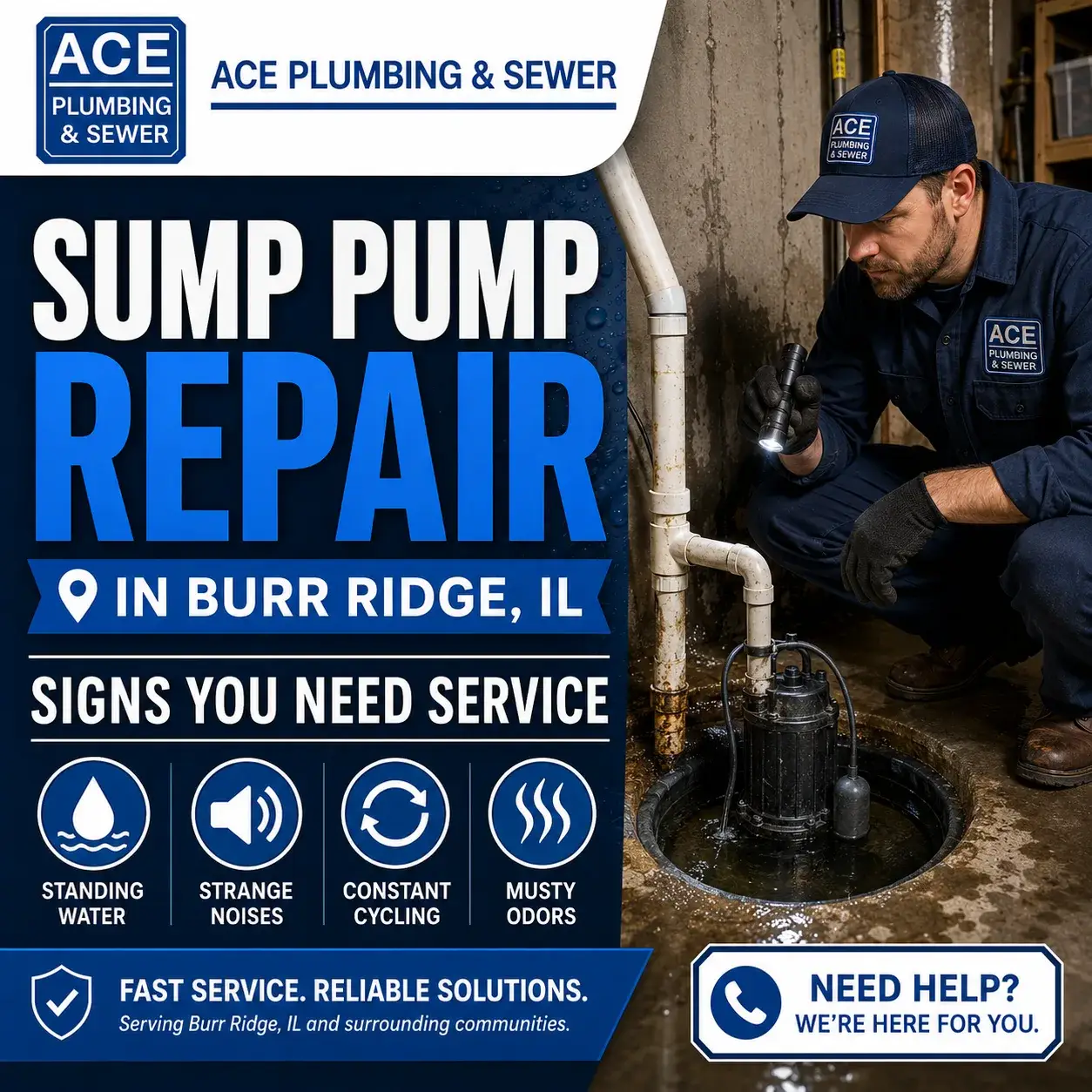
Ace Plumbing & Sewer provides dependable sump pump repair in Burr Ridge, IL, for failing pumps, drainage issues, and basement water concerns.
A sump pump is one of the most important defenses against basement flooding. It collects groundwater in a sump basin and moves it safely away from the foundation before it reaches the basement floor. When the pump stops working correctly, even a short period of heavy rain can lead to standing water, damaged belongings, ruined flooring, mold growth, and costly repairs. Recognizing the early signs of trouble gives Burr Ridge homeowners a chance to schedule service before a plumbing emergency develops.
Common Signs Your Sump Pump Needs Professional Repair
A sump pump should turn on automatically as the water level rises and shut off after the basin has been emptied. Any change in that normal cycle may signal a mechanical, electrical, or drainage problem. A pump that does not start, runs continuously, or switches on and off every few seconds should be inspected.
Water collecting near the sump basin is another serious warning. The pump may be too weak, the discharge line may be blocked, or the float switch may not be activating at the correct water level. Even if the water has not reached the finished part of the basement, moisture around the pit can indicate that the system is struggling.
Homeowners should also watch for slow drainage from the basin. A working unit should lower the water level quickly. If water remains near the top of the pit while the pump is operating, professional sump pump repair in Burr Ridge, IL may be needed to restore proper drainage.
Sump Pump Noises That Should Not Be Ignored
Some sound is expected when a sump pump starts and pushes water through the discharge pipe. Loud grinding, rattling, humming, screeching, or banging noises are not normal. These sounds can point to worn motor parts, a damaged impeller, loose piping, trapped debris, or a failing check valve.
A humming pump that does not move water may have a jammed impeller or a motor that can no longer operate properly. Allowing the unit to continue humming can cause overheating and permanent damage. Grinding or screeching often indicates internal wear that should be checked before the pump fails completely.
Banging may occur when water flows backward through the discharge line after the pump shuts off. A damaged or missing check valve can cause this problem. Repairing the valve can reduce noise, protect the motor from repeated cycling, and help the system operate more efficiently.
Sump Pump Running Constantly or Cycling Too Often
A sump pump that never shuts off is under excessive strain. The float switch may be stuck, the discharge pipe may be returning water toward the foundation, or the unit may be too small for the amount of groundwater entering the basin. Constant operation can wear out the motor and increase the chance of failure during severe weather.
Frequent short cycling can be just as damaging. When the pump starts and stops repeatedly within a few minutes, the sump basin may be too small, the check valve may be leaking, or the float may be positioned incorrectly. This repeated activity places stress on electrical and mechanical components.
A plumber can test the float, inspect the discharge system, and determine whether the pump has enough capacity for the home. Correcting the cause of constant operation can extend the life of the unit and provide better basement flood protection.
Power Problems and Failed Float Switches
The float switch is responsible for activating the sump pump when water reaches a set level. If the float becomes tangled, blocked by debris, or pressed against the side of the basin, the pump may not start. A damaged switch can also leave the pump running after the water level has dropped.
Power issues are another common cause of sump pump failure. A tripped breaker, damaged outlet, unplugged cord, or failed electrical connection can prevent the unit from operating. Because severe storms can cause outages, homeowners should not assume the pump will always have power when rainfall is at its heaviest.
A battery backup sump pump can provide added protection during an outage or primary pump failure. Backup systems are especially useful for homes with finished basements, valuable stored items, or a history of groundwater problems. The battery should be tested regularly so the system is ready when needed.
Discharge Line Problems That Can Cause Basement Water
The discharge line carries water from the sump basin to a safe location outside the home. If the pipe becomes clogged with dirt, leaves, roots, or debris, the pump may be unable to remove water. Frozen discharge lines can create the same problem during cold Illinois weather.
Water should be released far enough from the foundation that it does not drain back toward the house. Poor discharge placement can cause the pump to move the same water repeatedly, leading to constant operation and unnecessary wear.
Signs of a discharge problem include gurgling pipes, water returning to the basin, wet soil near the foundation, or little to no water coming from the outdoor outlet while the pump is running. Professional service can locate the blockage, repair damaged piping, and improve drainage away from the home.
What Homeowners Should Check Before Heavy Rain
Testing the sump pump before storm season can reveal problems while there is still time to arrange service. Homeowners can carefully pour water into the basin and watch the float rise. The pump should start automatically, remove the water, and shut off after the level drops.
A basic inspection should also include:
- Checking the power cord and outlet
- Confirming the float moves freely
- Looking for debris inside the basin
- Inspecting the visible discharge pipe
- Testing the battery backup
- Listening for unusual motor sounds
A professional sump pump inspection provides a closer look at the motor, check valve, discharge line, pump capacity, and electrical connections. Routine maintenance can reduce the risk of unexpected failure and help the system perform reliably during spring storms and periods of heavy rainfall.
Deciding Between Sump Pump Repair and Replacement
Repair may be practical when the problem involves a float switch, clogged impeller, faulty check valve, damaged pipe, or loose connection. These parts can often be corrected without replacing the complete system, especially when the pump is relatively new and the motor remains in good condition.
Replacement may be the better option when the pump is heavily corroded, repeatedly overheats, frequently loses power, or cannot keep up with normal groundwater flow. An older pump with a history of breakdowns may not provide dependable protection when it is needed most.
Homeowners should consider the age, condition, capacity, and repair history of the unit. The cost of a single repair may be reasonable, but repeated service can become more expensive than installing a reliable new pump. A licensed plumber can compare the available options and recommend the right system for the property.
Get the Help You Need From Ace Plumbing & Sewer
Get the help you need from Ace Plumbing & Sewer when your pump fails to start, runs nonstop, makes loud noises, or cannot keep the sump basin under control. Our team provides sump pump repair in Burr Ridge, IL, along with maintenance, replacement, discharge line service, and battery backup installation.
Prompt service can help protect your basement, foundation, flooring, and personal belongings from water damage. Ace Plumbing & Sewer can inspect the complete system, locate the source of the problem, and provide a practical repair or replacement recommendation. Contact our team to schedule sump pump service before the next round of heavy rain puts your basement at risk.
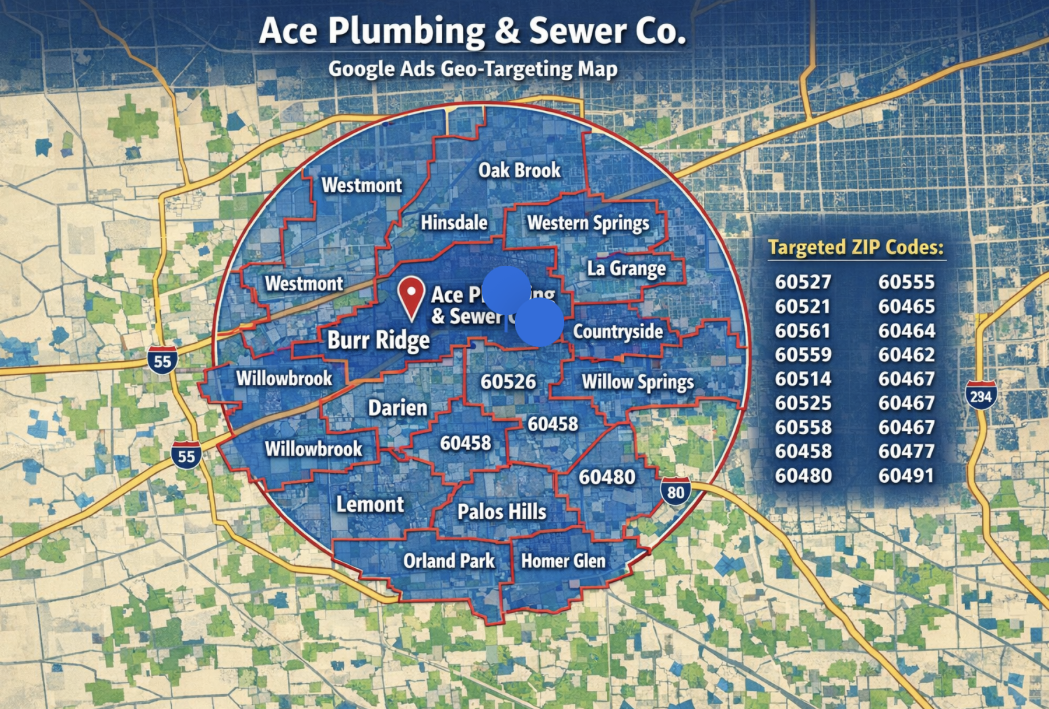
Proudly serving Burr Ridge and Southwest Chicago
Request a free quote
Tell us what’s going on and we’ll get right back to you. Need help now? Call and a real plumber answers 24/7.