
Common Sump Pump Problems During Heavy Illinois Rain
Trusted by homeowners across Burr Ridge and Chicago, IL
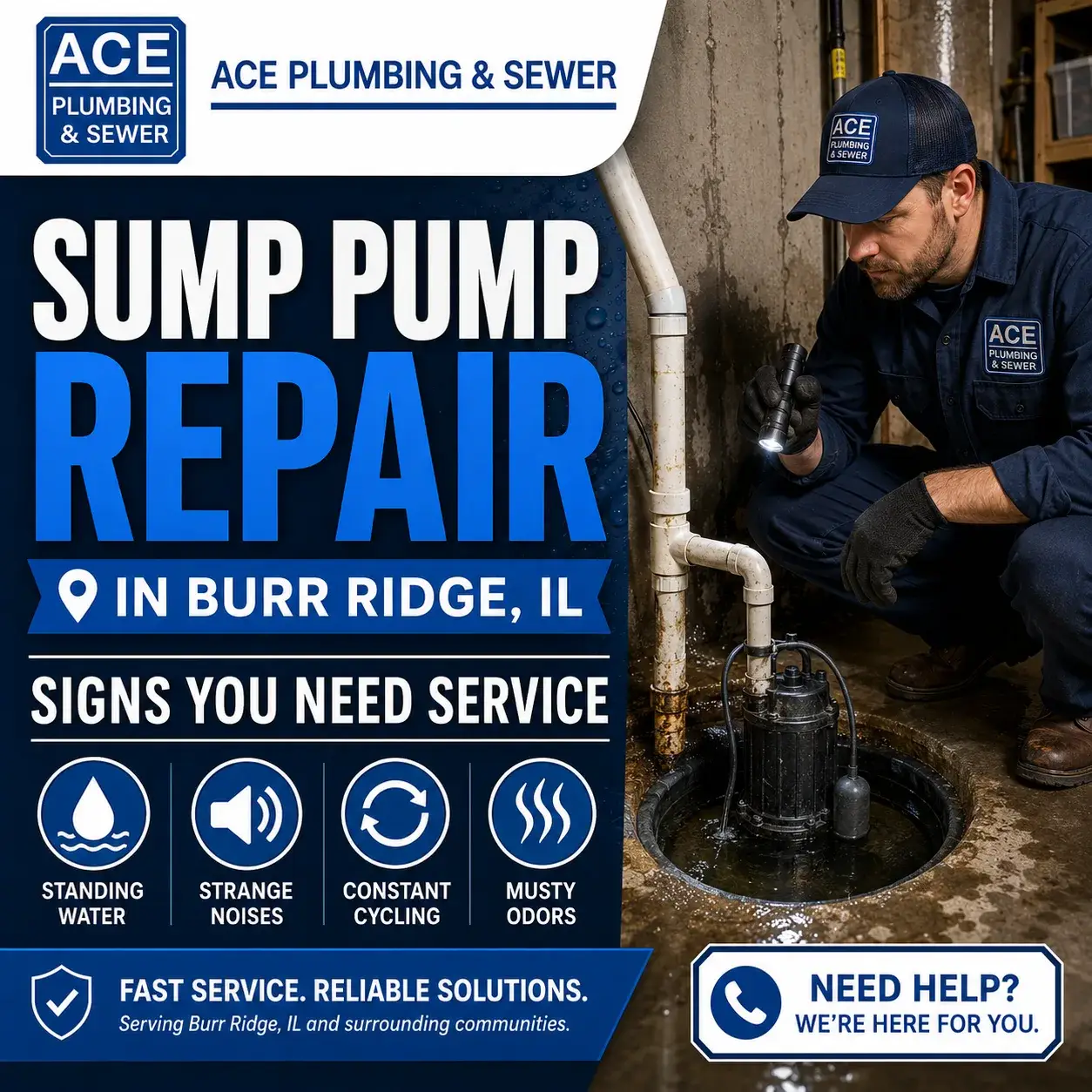
Ace Plumbing & Sewer repairs sump pump problems caused by heavy Illinois rain, power loss, clogged discharge lines, and failing pump components.
Heavy rain can overwhelm drainage systems and place added pressure on a sump pump. In Burr Ridge and nearby communities, repeated storms may cause groundwater to rise quickly around the foundation, forcing the pump to run longer and more often than usual. When the system is not prepared for that demand, homeowners may notice standing water, unusual noises, nonstop operation, or a pump that fails to start. Recognizing these warning signs early can help prevent basement flooding and costly water damage.
Sump Pump Running Constantly During Heavy Rain
A sump pump may run for extended periods during a major storm, but it should still be able to lower the water level inside the basin. If the pump runs continuously without making progress, the unit may be too small, worn out, or restricted by a clogged discharge line.
Constant operation can also be caused by a stuck float switch. The float tells the pump when to turn on and off. If it becomes trapped against the wall of the basin or tangled in a power cord, the pump may continue running even after the water level drops. This can overheat the motor and shorten the life of the system.
Water may also be cycling back into the basin because of a damaged check valve or poor discharge placement. A professional sump pump repair visit can identify the source of constant operation and correct the problem before the motor fails during the next storm.
Sump Pump Not Turning On When Water Rises
A sump pump that does not start is one of the most serious problems homeowners can experience during heavy rain. The cause may be as simple as a tripped breaker or unplugged cord, but it may also involve a failed motor, damaged float switch, or electrical connection problem.
The float should move freely as the basin fills. If it becomes blocked by debris, the pump may never receive the signal to start. Dirt, gravel, small objects, and sediment can collect inside the pit and interfere with the float or impeller.
Power outages create another major concern. Severe storms can interrupt electricity at the exact time the sump pump is needed most. Installing a battery backup sump pump provides another layer of protection when the main unit loses power or cannot keep up with the incoming water.
Clogged or Frozen Sump Pump Discharge Lines
The discharge line carries water away from the sump basin and foundation. If this pipe becomes clogged with leaves, dirt, debris, or roots, the pump may continue running without moving enough water. A blocked line can cause the basin to overflow even when the motor is still working.
Illinois weather can also create seasonal problems. Water left inside the discharge pipe may freeze during cold conditions and form a solid blockage. When snow melts or winter rain arrives, the pump may have nowhere to send the water.
Common signs of a discharge problem include:
- Water returning to the sump basin
- Little or no water leaving the outdoor outlet
- Wet soil close to the foundation
- Gurgling or banging inside the pipe
- A pump that runs longer than normal
A plumber can clear the obstruction, repair damaged piping, and confirm that water is being released a safe distance from the home.
Sump Pump Cannot Keep Up With Incoming Water
A sump pump can be working and still fail to protect the basement. During intense rainfall, water may enter the basin faster than the pump can remove it. This often happens when the unit is undersized for the property or has lost performance with age.
Homes with recurring groundwater problems may need a higher-capacity pump, a secondary unit, or a backup system. The size of the basin can also affect performance. A basin that is too small may cause frequent cycling and prevent the pump from managing larger volumes of water efficiently.
Slow water removal may also point to a clogged impeller, worn motor, narrow discharge pipe, or excessive pipe length. A professional sump pump inspection can determine whether the existing system has enough capacity for heavy Illinois rain.
Loud Noises and Repeated Short Cycling
Sump pumps make some noise during normal operation, but grinding, rattling, screeching, or loud banging should not be ignored. Grinding may indicate a damaged impeller, while rattling can come from loose piping or worn internal components.
Banging often happens when the check valve closes suddenly after the pump shuts off. Although this may sound like a minor annoyance, repeated pressure changes can place stress on the discharge system.
Short cycling occurs when the pump turns on and off every few seconds. This may be caused by a faulty check valve, incorrect float position, or a basin that is too small. Frequent cycling places added strain on the motor and can lead to early failure. Timely sump pump maintenance can correct these issues and reduce unnecessary wear.
Water Around the Sump Basin or Basement Floor
Standing water near the sump pit is a clear sign that the system needs attention. The pump may have stopped working, the basin may be overflowing, or water may be escaping through a loose connection.
Homeowners may also notice damp walls, musty odors, peeling paint, warped flooring, or dark stains around the basement. These signs can indicate repeated moisture intrusion even when there is no large pool of water.
Water damage can spread quickly into drywall, insulation, carpeting, furniture, and stored belongings. Moist conditions may also support mold growth. Scheduling emergency sump pump service as soon as water appears can help limit the damage and restore proper drainage.
Preparing Your Sump Pump Before the Next Storm
Homeowners can test the sump pump by carefully pouring water into the basin. The float should rise, the pump should start, and the water level should drop quickly. The unit should then shut off when the basin is nearly empty.
The power cord, outlet, float switch, check valve, and visible discharge piping should also be checked. Debris should be removed from the basin, and the outdoor discharge point should remain clear. A battery backup should be tested to confirm that it activates during a power interruption.
Professional service provides a more complete evaluation. A plumber can test pump capacity, inspect the motor, check electrical connections, clean the basin, and review the drainage route. These steps can reduce the chance of sudden failure when heavy rain arrives.
Get the Help You Need From Ace Plumbing & Sewer
Get the help you need from Ace Plumbing & Sewer when heavy rain exposes problems with your sump pump. Our team provides sump pump repair in Burr Ridge, IL, including float switch service, discharge line repair, pump replacement, check valve installation, and battery backup solutions.
Fast service can help protect your basement, foundation, flooring, and personal belongings from water damage. Ace Plumbing & Sewer can inspect the full system, explain the cause of the problem, and recommend a practical solution for your home. Contact our team before the next storm to make sure your sump pump is ready for heavy Illinois rain.
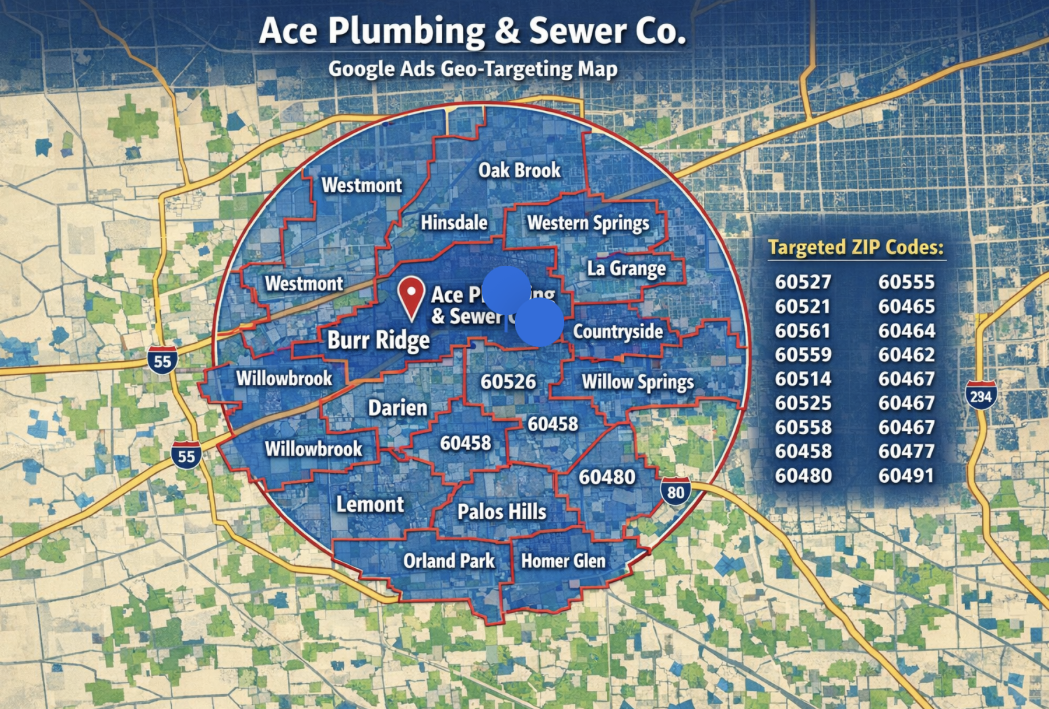
Proudly serving Burr Ridge and Southwest Chicago
Request a free quote
Tell us what’s going on and we’ll get right back to you. Need help now? Call and a real plumber answers 24/7.