How to Choose a Septic Tank Sump Pump
Trusted by homeowners across Burr Ridge and Chicago, IL
A septic tank sump pump is one of the most overlooked components of a healthy septic system. Most homeowners don’t think about it until something goes wrong, and by then, costly damage may already be happening.
We at Ace Plumbing & Sewer help property owners in Burr Ridge, Hinsdale, and Clarendon Hills understand what their systems need. The right pump choice protects your property, prevents backups, and keeps your system running smoothly for years.
What Your Septic Pump Actually Does
A septic tank sump pump moves liquid waste from your tank to the drain field, preventing backups and system failures. Without it, wastewater accumulates in your tank and backs up into your home. The pump activates when liquid levels rise above a set point (typically around 12 to 18 inches) and shuts off once levels drop. This cycle repeats continuously, which is why pump reliability directly impacts your property’s safety and your wallet. We at Ace Plumbing & Sewer service properties across Burr Ridge, Hodgkins, and La Grange, and we’ve seen firsthand how neglecting pump maintenance leads to system failures that homeowners never anticipated.
Choosing Between Sump, Sewage, and Effluent Pumps
The pump type you need depends entirely on what liquid it handles. Sump pumps move clear water or treated effluent and work best for drain fields located below your tank. Sewage pumps handle raw wastewater with solids and are essential for basement bathrooms or situations where gravity won’t move waste uphill to your main line. Effluent pumps move filtered wastewater from aerobic septic systems and require higher pressure to reach spray or drip irrigation fields. Grinder pumps macerate solids before pumping, making them ideal for long-distance runs or uphill discharge to a pressurized sewer main.

Installing the wrong pump type wastes money and damages your system, so identifying your system’s actual configuration matters more than price. A professional plumber can inspect your setup in about an hour and recommend the correct pump.
Sizing Your Pump for Peak Performance
Pump capacity is measured in gallons per minute (GPM), and undersizing creates frequent failures while oversizing wastes energy. Calculate your peak flow by counting all fixtures that might run simultaneously-showers, toilets, washing machines, dishwashers-and multiply by their typical flow rates. A standard toilet uses 1.6 to 2.8 GPM, a shower uses 2.0 to 2.5 GPM, and a washing machine uses 2.0 to 2.5 GPM. Most residential systems need 750 to 1,500 GPM daily capacity, but your pump must handle peak flow during morning routines or laundry day. Total Dynamic Head (TDH) also matters: it combines vertical lift distance plus friction loss from pipe length and diameter.

A 1-inch PVC line loses roughly 10 to 20 feet of head per 100 feet of run, while a 2-inch line loses only 3 to 5 feet. Oversizing your pipe reduces friction loss and extends pump life significantly. Properties in Western Springs, Hinsdale, and Clarendon Hills often have elevation changes that increase TDH requirements, making professional sizing essential before purchase.
Understanding Total Dynamic Head Calculations
You calculate TDH by measuring your vertical rise and adding friction loss from your pipe run. Start with the distance from your pump to your drain field outlet, then add the elevation gain if your drain field sits uphill from your tank. Next, estimate friction loss based on your pipe diameter and flow rate-larger pipes reduce friction significantly. A professional assessment takes the guesswork out of this calculation and prevents costly mistakes. Properties in Hodgkins, La Grange, and Western Springs benefit from expert plumbing evaluation since terrain variations affect these numbers substantially.
What Matters Most When Picking Your Pump
Power Source Reliability Protects Against Emergencies
Electric pumps remain standard for residential systems and depend on grid power. A power outage during heavy rain or seasonal flooding can leave your system disabled for hours. Battery backup systems add $500 to $1,500 but activate automatically when electricity fails, keeping your pump running through emergencies. Water-powered backup pumps exist as an alternative, using incoming water pressure to operate without electricity or batteries, though they’re less common in residential setups. For properties in Hodgkins, La Grange, and Hinsdale where weather patterns bring heavy spring runoff, backup power isn’t optional-it’s protection against thousands in water damage.
Redundancy Extends Equipment Life
Single-switch pumps cost less upfront but offer no redundancy, while dual-pump systems with alternating operation extend equipment life by distributing wear evenly. A second pump activates automatically if the primary unit fails, preventing system backups during emergencies. This redundancy proves especially valuable in Burr Ridge, Western Springs, and Clarendon Hills, where seasonal flooding and heavy precipitation stress septic systems repeatedly.
Material Quality Determines Longevity
Pump durability comes down to material quality and manufacturer reputation. Cast iron housings last longer than plastic in corrosive septic environments, though they cost more. Zoeller, Franklin Electric, and Little Giant consistently deliver reliable service with proper maintenance, supported by warranties covering defects. Cheaper brands often fail within 3 to 5 years because their seals degrade faster and impellers wear unevenly.
Warranty Coverage Protects Your Investment
Request warranty details before purchase and compare what’s covered (parts only versus labor) and whether the manufacturer honors claims without receipts. Flow rate capacity matters for durability too: a pump sized exactly to your peak demand runs efficiently, while undersized pumps cycle constantly and overheat, cutting lifespan in half. Properties across Burr Ridge, Western Springs, and Clarendon Hills benefit from professional assessment before purchase because selecting the right combination of power backup, material quality, and sizing prevents the false economy of buying cheap pumps that fail repeatedly.
Next Steps: Professional Sizing and Installation
The right pump selection requires matching capacity to your actual system demands and understanding your terrain’s elevation changes. Professional assessment takes the guesswork out of this critical decision and prevents costly mistakes down the road.
Installation and Maintenance Tips
Position Your Pump Basin Correctly
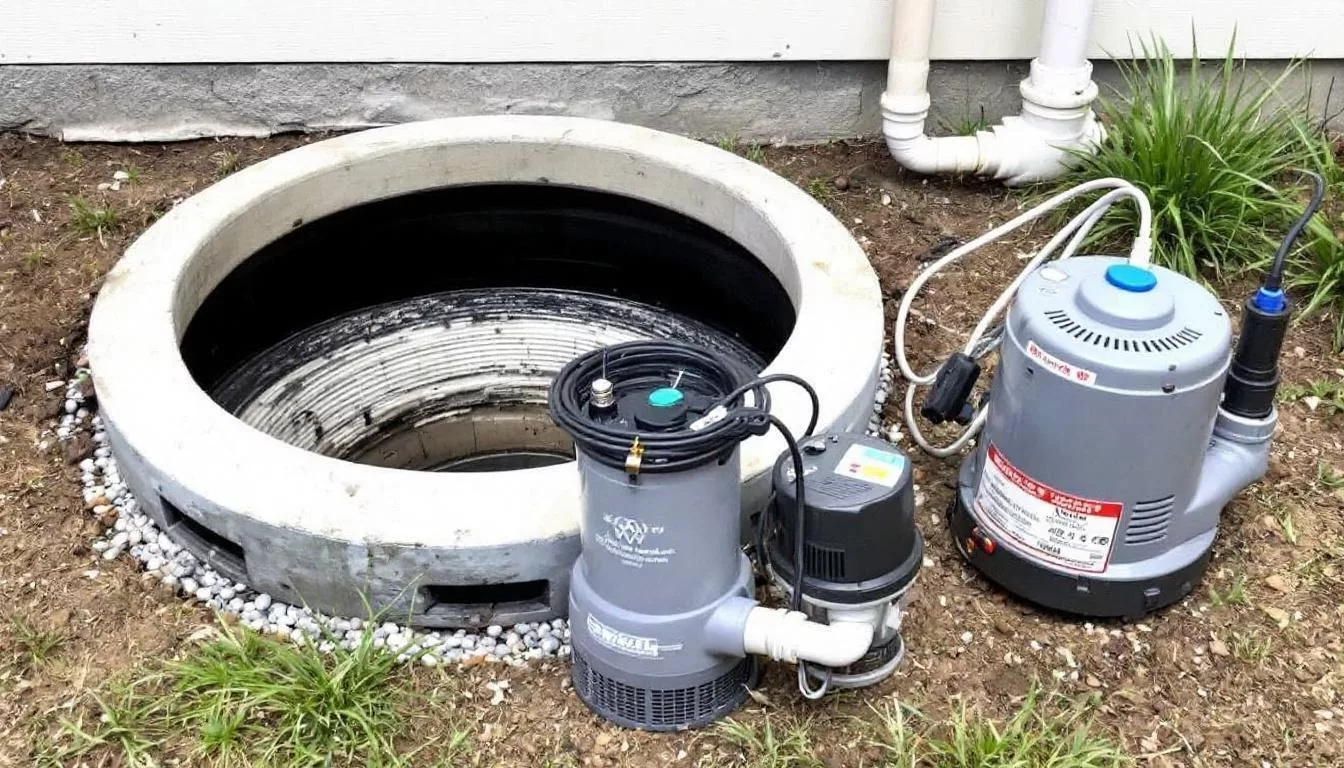
Proper installation determines whether your pump operates efficiently for a decade or fails within three years. The pump location matters enormously-it must sit in a basin below your tank’s outlet so gravity feeds wastewater into the pump chamber naturally. The basin itself needs adequate volume to prevent the pump from cycling constantly; undersized basins force the pump to activate every few minutes, burning out motors prematurely. A minimum basin capacity of 40 to 50 gallons works for residential systems, though larger basins in areas like Hinsdale and La Grange with higher water tables should measure 75 to 100 gallons. The pump discharge line must slope upward at least one-eighth inch per foot toward the drain field to prevent siphoning and backflow when the pump shuts off-a common mistake that destroys pump seals.

Check valves installed on the discharge line stop reverse flow and extend pump life significantly.
Set Up Electrical Connections Safely
Electrical connections require a dedicated circuit with proper grounding, not shared outlets that can overload during simultaneous appliance use. The pump outlet should terminate above the highest anticipated flood level in your drain field; if your field floods regularly in spring, the discharge needs elevation protection. Installation in Western Springs, Clarendon Hills, or Hodgkins often requires additional considerations for seasonal water table changes, making professional setup non-negotiable.
Inspect Your Basin Quarterly
Maintenance schedules separate pumps that last 10 years from those failing at five. Inspect your pump basin quarterly for debris, grease buildup, or sand that clogs the intake screen-these materials accumulate faster than most homeowners expect and reduce flow dramatically. Test your pump operation monthly by pouring water into the basin until the pump activates; if it doesn’t start within 30 seconds or runs continuously without shutting off, the float switch has failed and needs replacement immediately.
Schedule Annual Professional Inspections
Annual professional inspections identify wear before catastrophic failure occurs; technicians measure vibration levels, check seal integrity, and verify that discharge pressure remains within manufacturer specifications. Grease and solid buildup accelerates wear in sewage and grinder pumps more than in sump pumps, so properties in Burr Ridge, Western Springs, and Bridgeview using older septic systems benefit from professional cleanings. Battery backup systems need testing every six months to confirm they activate properly during power loss-many homeowners discover dead batteries only during actual emergencies.
Know When Replacement Becomes Necessary
Replace your pump when it cycles more frequently than normal, makes grinding or rattling sounds, produces weak discharge pressure, or leaks fluid from the housing. Most residential pumps last six to eight years under normal conditions, but undersized units or those in high-stress environments may need replacement within three to four years.
Final Thoughts
Selecting the right septic tank sump pump requires matching pump type to your system’s actual configuration, sizing capacity for peak flow and elevation changes, and choosing quality materials with solid warranties. A pump that’s undersized fails repeatedly and costs thousands in emergency repairs, while one that’s oversized wastes energy without adding protection. Professional installation separates pumps that last a decade from those failing within years, since proper basin placement, correct discharge line slope, and secure electrical connections determine whether your pump operates efficiently or burns out prematurely.
Many homeowners attempt DIY installation to save money, only to discover that a misaligned check valve or undersized basin creates constant cycling that destroys the motor within months (the upfront cost of professional setup pays for itself through extended equipment life and avoided emergency calls). Your septic tank sump pump performs critical work that most property owners never think about until something fails catastrophically. Contact a licensed professional to assess your current system, calculate your actual TDH requirements, and recommend the correct pump for your property in Burr Ridge, Hinsdale, La Grange, Western Springs, or Clarendon Hills.
Schedule a site visit with Ace Plumbing & Sewer today and get the expert guidance your septic system deserves. Don’t wait for system failure to force an expensive emergency repair. We serve property owners across western Chicago suburbs and provide upfront pricing, same-day emergency response, and warranty-backed work that protects your investment.
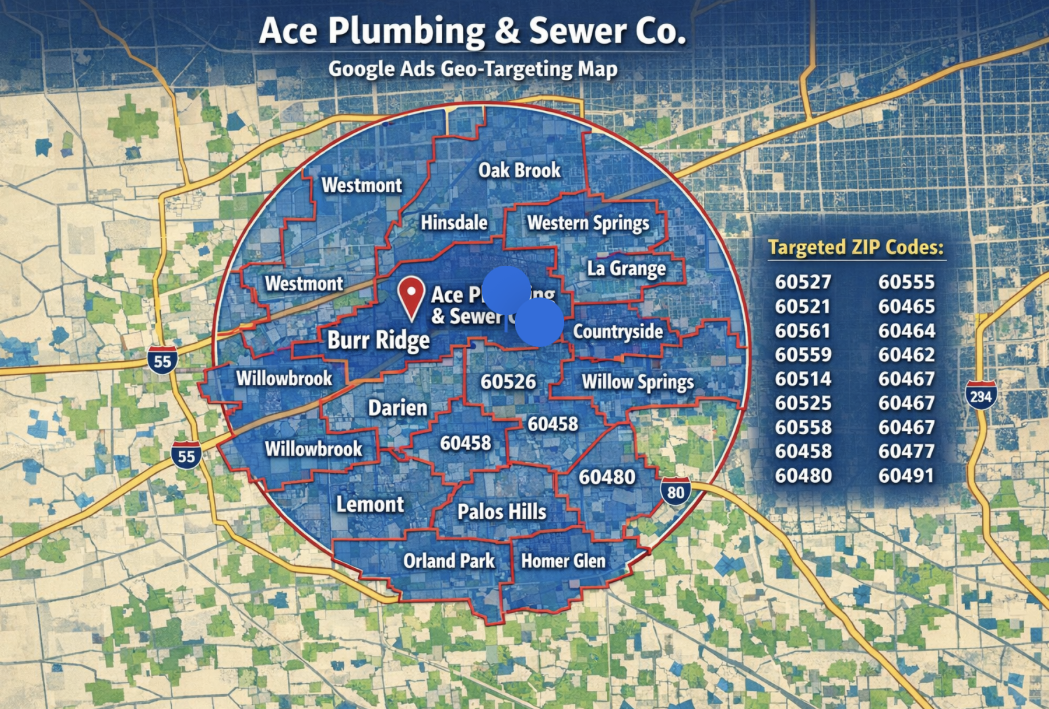
Proudly serving Burr Ridge and Southwest Chicago
Request a free quote
Tell us what’s going on and we’ll get right back to you. Need help now? Call and a real plumber answers 24/7.