Choosing the Best Backup Sump Pump System
Trusted by homeowners across Burr Ridge and Chicago, IL
A backup sump pump is your home’s unsung hero during heavy rains and power outages. It’s the safety net that keeps your basement dry when your primary pump fails.
At Ace Plumbing & Sewer, we’ve seen firsthand the damage that can occur without a reliable backup system. This guide will help you choose the best backup sump pump for your home, ensuring peace of mind even in the worst weather conditions.
Which Backup Sump Pump System Is Right for You?
At Ace Plumbing & Sewer, we understand the importance of protecting your basement from flooding. Let’s explore the various backup sump pump systems to help you make an informed decision.

Battery-Powered Backup Systems
Water-powered units offer lower maintenance and longer lifetimes, though installation is more complex due to the need for a water supply line. Battery-powered backup sump pumps are generally more budget-friendly than generator solutions, but they have limited runtime.
These systems automatically activate when your primary pump fails or during blackouts. They typically use a 12-volt deep-cycle battery, capable of pumping 800 to 2,000 gallons of water per hour.
A fully charged battery provides about 7 to 8 hours of active pumping (often sufficient for several days of intermittent use during extended outages). However, these systems require regular maintenance, including battery replacement every five to seven years.
Water-Powered Backup Systems
Water-powered backup sump pumps present a unique advantage: they don’t rely on electricity or batteries. Instead, they harness municipal water pressure to create suction and remove water from your sump pit. This allows for indefinite operation as long as your municipal water supply functions.
These systems excel in areas prone to extended power outages. However, they use municipal water to operate (typically removing one gallon of sump water for every two gallons of municipal water used). This can affect your water bill during prolonged use.
Combination Systems
Combination backup sump pumps merge the benefits of electric and battery-powered systems into a single package. These units include both a primary AC-powered pump and a battery-powered backup. This design simplifies installation and ensures coverage whether you face a power outage or a primary pump failure.
Many combination systems now feature smart technology, allowing you to monitor pump activity and receive alerts via a smartphone app (an added layer of protection, especially when you’re away from home during severe weather).
Generator-Powered Backup Systems
For homeowners in areas with frequent, extended power outages, a generator-powered backup system might prove the best option. This setup connects your sump pump to a standby generator, which can power your entire home during an outage.
While this option requires a significant upfront investment, it provides comprehensive protection not just for your sump pump, but for all your home’s critical systems. Remember, generators require regular maintenance and fuel to operate effectively.
The right backup sump pump system depends on various factors, including your home’s specific needs, your budget, and the frequency of power outages in your area. We recommend having a professional assess your situation to determine the most effective solution for your home.
Now that we’ve covered the types of backup sump pump systems, let’s move on to the factors you should consider when making your choice.
What Factors Matter Most When Choosing a Backup Sump Pump?
Assessing Your Home’s Specific Needs
Your basement’s size and the local water table level impact your pump choice significantly. Larger basements or areas with high water tables need more powerful pumps. A 1,000 square foot basement in an area with a high water table might require a pump capable of moving at least 2,000 gallons per hour.
Power Outage Frequency
The frequency of power outages in your area should guide your decision. Weather-related outages accounted for 80% of all major U.S. power outages reported from 2000 to 2023. If you live in an area prone to frequent outages, a water-powered or battery backup system might suit you better than a generator-dependent option.

Cost Considerations
Upfront costs matter, but don’t overlook long-term expenses. Battery backup systems cost $900 on average, with prices ranging from $600 to $1,200 depending on the pump type and professional labor. Water-powered systems might increase your water bill during use but have lower maintenance costs over time.
Maintenance Requirements
Consider how much time and effort you want to invest in maintenance. Battery-powered systems need regular checks and occasional battery replacements. Water-powered systems require less maintenance but may need professional installation.
Pump Capacity and Head Pressure
Your backup pump should match or exceed your primary pump’s capacity. Pay attention to the pump’s gallons-per-hour rate and its ability to lift water vertically (head pressure). If your primary pump moves 3,000 gallons per hour at a 10-foot head, your backup should have similar capabilities to ensure adequate protection.
The right choice can save you thousands in potential water damage repairs. A professional assessment can help you determine which system best suits your needs. Now, let’s explore some essential installation and maintenance tips to ensure your backup sump pump operates at peak efficiency.
How to Install and Maintain Your Backup Sump Pump
Proper Sizing and Placement
The first step in installation is to choose the right size pump for your needs. A pump that’s too small won’t keep up with water inflow, while an oversized pump wastes energy and money. Measure your sump pit’s dimensions and calculate the gallons per hour (GPH) needed based on your home’s water table and typical rainfall.
For placement, install your backup pump slightly higher than the primary pump. This ensures the backup only activates when necessary, which prolongs its lifespan. Make sure there’s enough space for both pumps to operate without interference.
Regular Testing and Inspection
Once installed, regular testing is vital. Set a monthly reminder to check your backup system. Pour water into the sump pit until the float switch activates the pump. Watch for smooth operation and listen for any unusual noises.
Inspect the check valve annually to prevent backflow. Clean the pump inlet screen to remove debris that could clog the system. These simple steps can prevent costly failures when you need the pump most.

Battery Care for Battery-Powered Systems
If you’ve opted for a battery-powered backup, proper battery maintenance is essential. Check the water levels in lead-acid batteries monthly, and top up with distilled water if needed. Keep terminals clean and free of corrosion.
With proper maintenance, your sump pump system should last about ten years. Remember that power failure is a common culprit for sump pump failure, making a battery backup crucial.
Professional vs. DIY Installation
While DIY installation might seem tempting, professional installation often proves more beneficial. Compliance with local codes is essential, and professional plumbers can provide expert diagnostics.
Professional installers bring expertise in sizing, placement, and local regulations. They can also spot potential issues with your existing system that might compromise the backup’s effectiveness.
If you choose to install yourself, carefully follow manufacturer instructions and local building codes. Don’t hesitate to call a professional if you encounter any uncertainties during the process.
Final Thoughts
A backup sump pump protects your home from water damage during power outages and primary pump failures. The right system depends on your specific needs, budget, and local conditions. You must consider factors such as basement size, water table, and power outage frequency when making your choice.
Regular maintenance and testing will keep your backup sump pump ready for action. Professional installation ensures compliance with local codes and optimal system performance. A well-chosen backup sump pump can save you thousands in potential repair costs and safeguard irreplaceable belongings.
At Ace Plumbing & Sewer, we offer expert advice and installation for backup sump pump systems. Our experienced team can assess your needs and recommend the most suitable solution. Contact us today to protect your home from unexpected flooding and enjoy peace of mind during severe weather events.
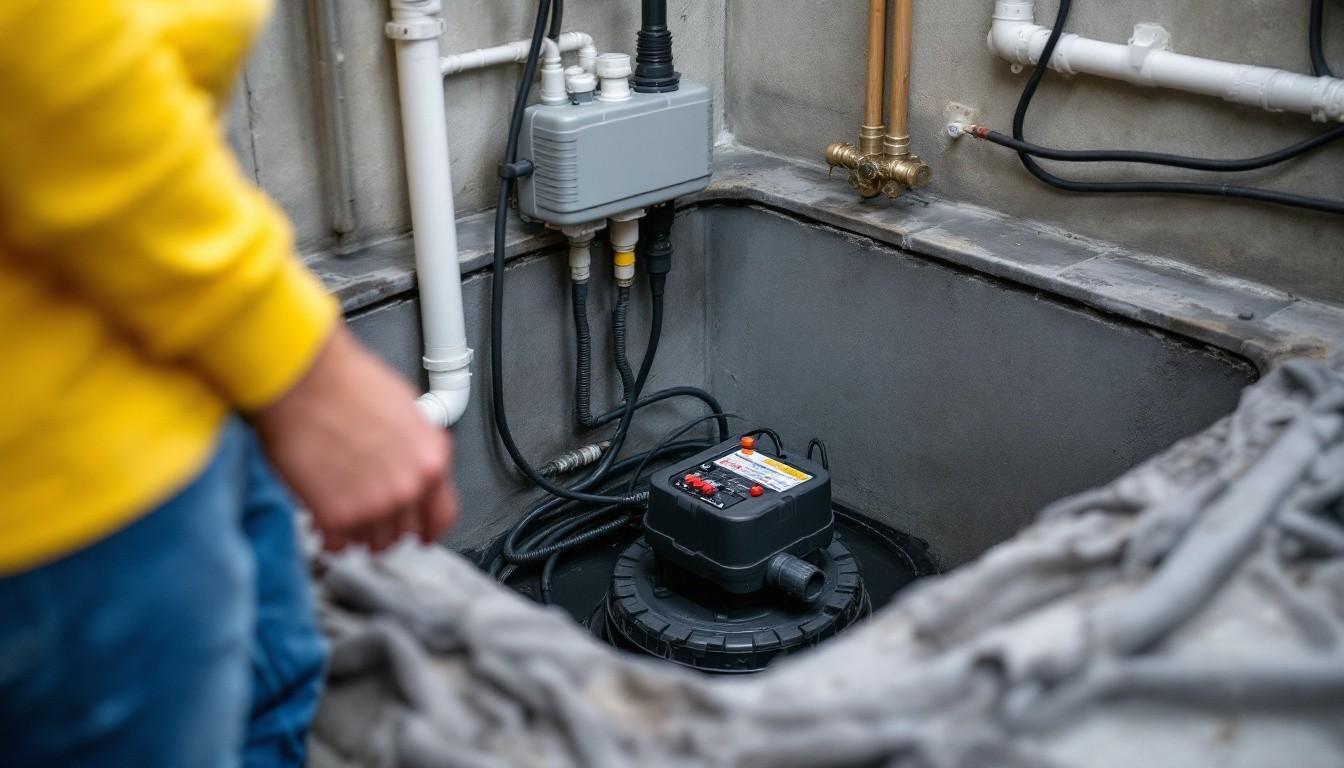
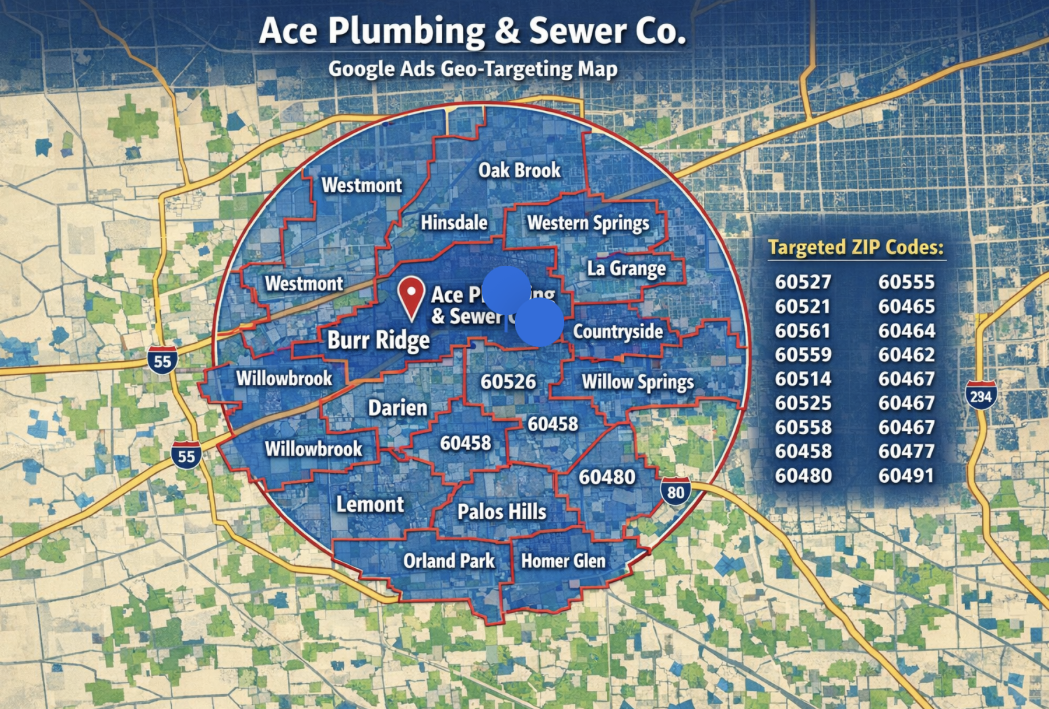
Proudly serving Burr Ridge and Southwest Chicago
Request a free quote
Tell us what’s going on and we’ll get right back to you. Need help now? Call and a real plumber answers 24/7.