Commercial Kitchen Plumbing: 7 Critical Systems Every Owner Must Know
Trusted by homeowners across Burr Ridge and Chicago, IL
A single plumbing failure in your commercial kitchen can shut down operations for hours or even days, costing thousands in lost revenue. After three generations of serving Chicago-area restaurants and commercial kitchens, we’ve seen how the right commercial kitchen plumbing systems—and proper maintenance—can be the difference between seamless operations and costly disasters. Whether you’re running a bustling restaurant in downtown Chicago or managing a cafeteria in the western suburbs, understanding these seven critical plumbing systems will help you prevent emergencies, maintain health code compliance, and protect your bottom line.
Essential Commercial Kitchen Plumbing Components
Commercial kitchen plumbing differs drastically from residential systems. The volume, temperature, and types of waste your kitchen produces require specialized infrastructure designed to handle extreme conditions day after day.

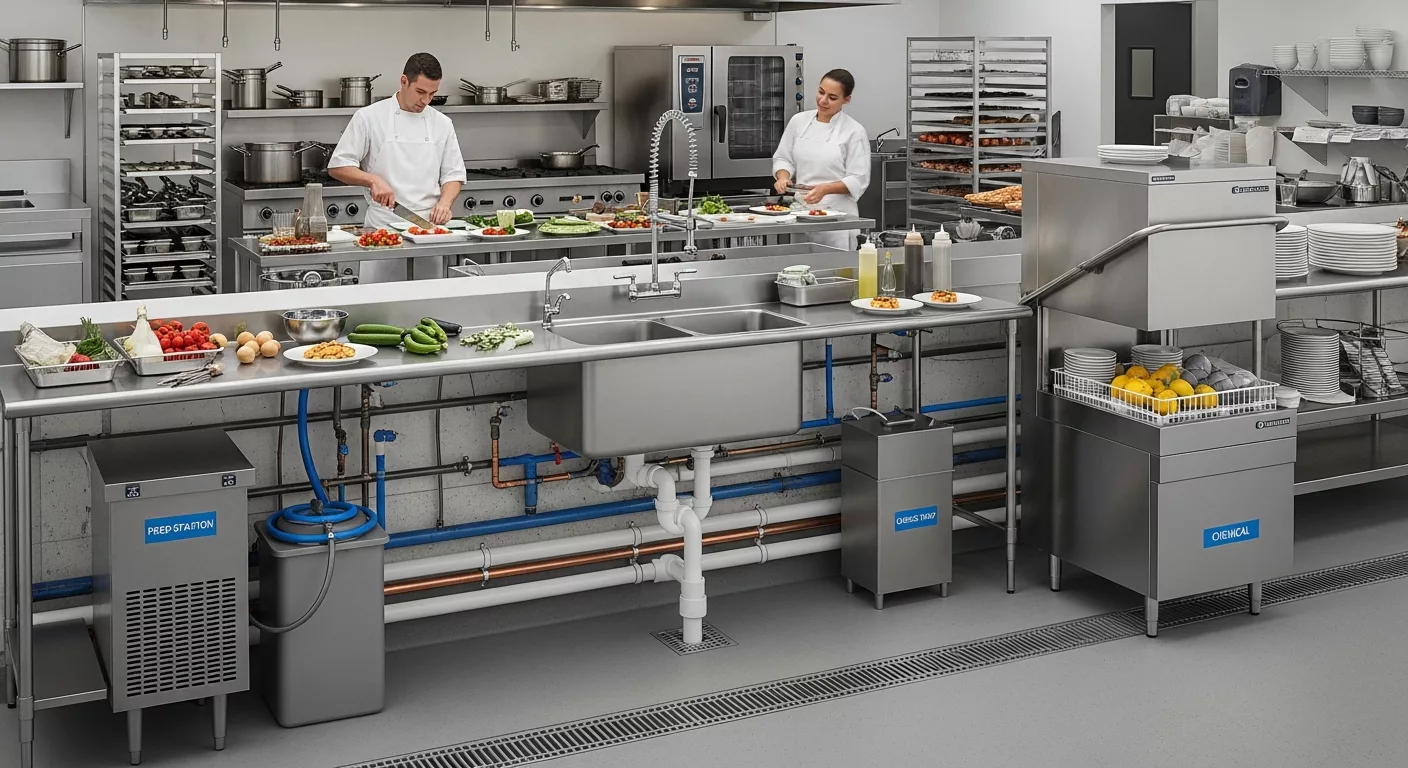
The backbone of any restaurant plumbing systems starts with proper pipe sizing and material selection. Commercial kitchens need larger diameter supply lines to deliver adequate water pressure to multiple stations simultaneously. When a dishwasher, three-compartment sink, and prep station all demand hot water at peak service hours, undersized pipes create bottlenecks that slow operations.
High-temperature discharge is another critical consideration. Commercial dishwashers and steam equipment discharge water at temperatures that would damage standard residential piping. Proper commercial installations use materials rated for these extreme temperatures and include tempering systems to protect downstream components.
Floor drains represent the first line of defense against flooding and contamination. Unlike residential kitchens, commercial facilities require multiple floor drains strategically positioned near equipment, walk-in coolers, and dishwashing areas. These aren’t just convenience features—they’re health department requirements that prevent standing water and bacterial growth.
Water Supply Systems Built for Demand
Commercial kitchens consume massive amounts of hot water during peak hours. A typical restaurant can use 200-300 gallons of hot water per hour during busy periods. This demand requires commercial water heaters sized appropriately for your operation, often with redundant systems to prevent service interruptions.
Cross-connection control becomes critical when you’re dealing with chemical dispensers, pre-rinse spray valves, and equipment that could potentially contaminate the water supply. Backflow prevention devices aren’t optional—they’re required by code and regularly tested by certified professionals.
Grease Management Systems: Your First Line of Defense
Nothing threatens a commercial kitchen more than grease-related plumbing failures. Grease trap installation and maintenance represent the most crucial aspect of any restaurant plumbing system, yet they’re often the most neglected until problems arise.
Grease interceptors work by slowing down the flow of wastewater, allowing grease and oils to separate and float to the surface while heavier solids settle to the bottom. The clarified water then flows to the municipal sewer system. However, this process only works when the system is properly sized, installed, and maintained.
Undersized grease traps create immediate problems. When water flows too quickly through the interceptor, grease doesn’t have time to separate and gets carried into your drain lines. This leads to blockages that can back up into your kitchen, creating health hazards and forcing you to close until the problem is resolved.
The EPA guidelines for grease interceptors specify minimum retention times and sizing requirements based on your kitchen’s fixture count and flow rates. Professional installation ensures compliance with both federal regulations and local health department requirements.
Maintenance Schedules That Prevent Disasters
Grease trap maintenance isn’t something you can postpone. Most commercial kitchens need service every 30-90 days, depending on volume and menu type. Establishments that serve fried foods or use significant amounts of cooking oils need more frequent attention.
Warning signs of grease system problems include slow-draining sinks, foul odors, and backup into floor drains. By the time you notice these symptoms, you’re already at risk of a complete system failure that could shut down operations.
Regular kitchen drain maintenance includes not just grease removal, but inspection of baffle systems, inlet and outlet piping, and sampling ports. Professional technicians can identify developing problems before they become emergencies, saving you thousands in lost revenue and emergency repair costs.
High-Capacity Water Supply and Drainage Solutions
Commercial kitchens place enormous strain on both water supply and drainage systems. During peak service hours, your plumbing infrastructure must deliver consistent performance while handling waste streams that would overwhelm residential systems.
Supply line sizing requires careful calculation based on fixture units, simultaneous usage patterns, and peak demand periods. A busy restaurant might have dishwashers, steam tables, ice machines, and multiple prep sinks all demanding water simultaneously. Undersized supply lines create pressure drops that affect equipment performance and slow kitchen operations.
Water temperature consistency becomes critical for both food safety and equipment protection. Commercial water heating systems often use recirculation pumps to maintain hot water at fixtures, eliminating the wait time that would slow kitchen workflow. These systems require proper balancing and regular maintenance to operate efficiently.
Drainage Infrastructure for Heavy-Duty Use
Commercial drainage systems must handle not just higher volumes, but different types of waste. Food particles, cleaning chemicals, and high-temperature discharge create unique challenges that residential drains never face.
Proper slope and pipe sizing prevent the settling of solid waste that leads to blockages. Commercial drain lines typically use larger diameter piping with steeper slopes to maintain adequate flow velocity. This keeps particles suspended and moving toward the main sewer connection.
Strategic cleanout placement allows for maintenance access without disrupting kitchen operations. Professional installations include cleanouts at direction changes, equipment connections, and intervals that comply with local plumbing codes while providing practical access for routine maintenance.
Preventative Maintenance Programs That Reduce Downtime
Reactive maintenance costs far more than preventative care, both in direct repair costs and lost revenue from unexpected shutdowns. Smart commercial kitchen operators invest in comprehensive maintenance programs that address problems before they become emergencies.
A proper maintenance program includes regular inspection of all plumbing components, from supply lines and fixtures to drainage systems and grease management. Our Professional Drain Cleaning Guide: When to DIY vs Call Experts explains why commercial systems require professional attention that goes beyond basic cleaning.
Scheduled drain cleaning using professional hydro jetting equipment removes buildup before it causes blockages. Unlike residential systems where you might notice slow drains developing gradually, commercial kitchens can go from normal flow to complete backup in hours when grease and debris reach critical levels.
Equipment-Specific Maintenance Requirements
Different kitchen equipment requires different maintenance approaches. Dishwashers need regular deliming and spray arm cleaning to maintain proper operation. Steam equipment requires water quality management to prevent mineral buildup that affects performance and shortens equipment life.
Ice machines are particularly sensitive to water quality and plumbing issues. Poor drainage can cause ice contamination, while supply line problems affect ice production capacity. Regular maintenance includes sanitization, water filter replacement, and drain line cleaning.
Pre-rinse spray valves and pot-filling faucets see heavy use and abuse in commercial kitchens. Regular inspection and replacement of worn components prevents the gradual flow reduction that slows kitchen operations and increases water usage.
Code Compliance and Health Department Requirements
Commercial kitchen plumbing must meet strict health department standards that go far beyond basic plumbing codes. These requirements exist to protect public health by preventing contamination and ensuring proper sanitation.
The NFPA 96 ventilation control and fire protection standards include specific requirements for kitchen drainage systems, particularly around equipment that generates grease-laden vapors. Compliance isn’t optional—violations can result in immediate closure orders.
Backflow prevention requirements are particularly stringent in commercial food service. Any equipment that could potentially introduce contaminants into the water supply must have appropriate backflow prevention devices. This includes dishwashers, chemical dispensing systems, and any equipment with direct water connections.
Floor drain requirements specify materials, locations, and maintenance access. Health inspectors regularly check that floor drains are properly trapped, accessible for cleaning, and positioned to prevent standing water. Missing or damaged floor drains can result in failed inspections and forced closures.
Documentation and Testing Requirements
Many jurisdictions require regular testing and documentation of plumbing systems. Backflow prevention devices need annual testing by certified technicians, with documentation filed with local authorities. Grease interceptors may require periodic sampling to ensure proper function.
Permit requirements for plumbing modifications can be complex in commercial kitchens. Adding equipment, relocating drains, or modifying existing systems often requires permits and inspections. Professional commercial plumbing experts understand these requirements and can navigate the permitting process efficiently.
When to Call Licensed Commercial Plumbing Experts
Knowing when to call professionals versus attempting repairs in-house can mean the difference between minor inconvenience and major disaster. Commercial kitchen plumbing failures escalate quickly, and improper repairs often make problems worse.
Immediate professional attention is required for any sewage backup, cross-connection concerns, or grease system failures. These situations pose immediate health risks and can result in forced closures if not addressed properly. Our Emergency Drain Cleaning Chicago: 24/7 Professional Solutions service exists specifically for these critical situations.
Water pressure problems affecting multiple fixtures indicate supply line issues that require professional diagnosis. What appears to be a simple pressure problem might indicate pipe scaling, valve failures, or undersized infrastructure that needs systematic correction.
Temperature consistency issues can indicate water heater problems, but they might also signal circulation system failures or mixing valve problems. Professional technicians can diagnose the root cause and recommend solutions that restore proper operation without unnecessary equipment replacement.
Choosing the Right Commercial Plumber
Not all plumbers have commercial kitchen experience. The unique requirements of food service plumbing require specialized knowledge of health codes, grease management, and high-capacity systems. When selecting a commercial plumber Chicago area, look for companies with specific commercial kitchen experience and appropriate certifications.
Response time matters in commercial situations. A plumbing failure during peak service hours costs money every minute it continues. Professional commercial plumbing services understand this urgency and prioritize emergency calls from food service establishments.
Proper licensing and insurance are non-negotiable for commercial work. The liability exposure from improper commercial plumbing work is enormous, both for code violations and potential contamination issues. Always verify that your plumbing contractor carries appropriate commercial insurance and licensing.
Investment in Long-Term Success
Quality commercial kitchen plumbing represents an investment in your operation’s long-term success. While the initial cost of proper installation and regular maintenance might seem significant, it’s minimal compared to the cost of system failures, health department violations, and lost revenue from unexpected closures.
At Ace Plumbers, we’ve spent over 40 years helping Chicago-area commercial kitchens maintain reliable, code-compliant plumbing systems. Our experience with Chicago’s unique infrastructure challenges and local health department requirements means we can design and maintain systems that perform reliably under the demanding conditions of commercial food service.
From initial design and installation to ongoing maintenance and emergency service, proper commercial kitchen plumbing requires expertise that goes far beyond basic residential plumbing. The seven critical systems we’ve discussed—supply infrastructure, drainage design, grease management, equipment connections, backflow prevention, maintenance programs, and code compliance—all work together to keep your kitchen operational and profitable.
Don’t wait for a plumbing emergency to evaluate your commercial kitchen systems. Contact Ace Plumbers at (708) 204-8602 to schedule a comprehensive system evaluation. Our licensed commercial plumbing experts can identify potential problems, recommend improvements, and design a maintenance program that keeps your kitchen running smoothly. Because in the restaurant business, time is money—and proper plumbing systems protect both.
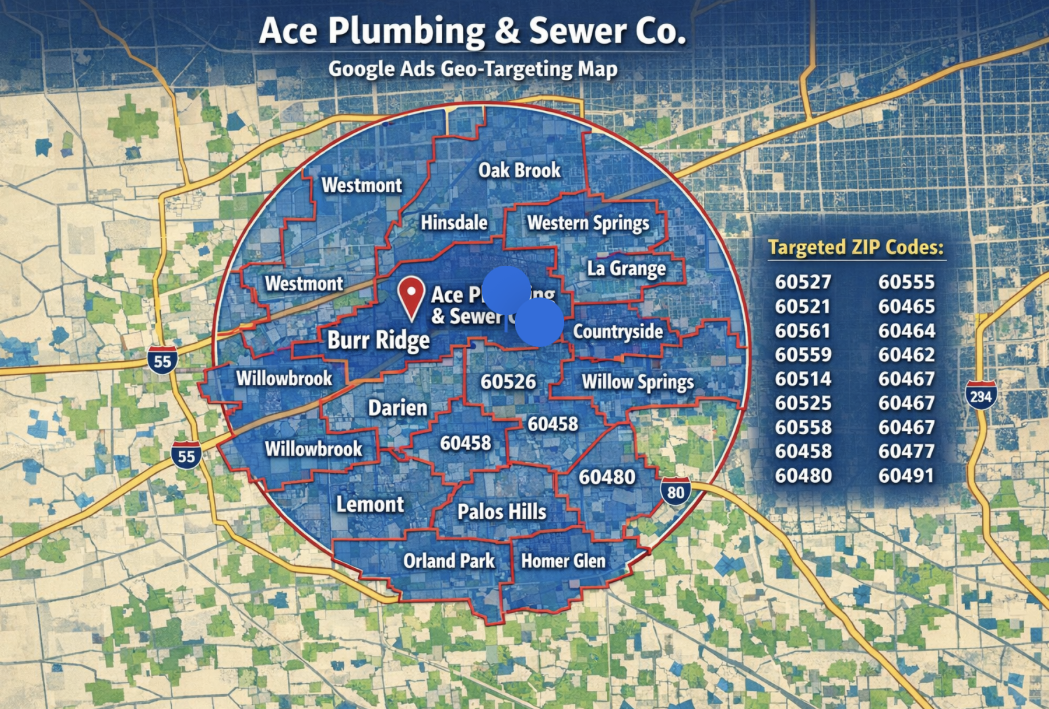
Proudly serving Burr Ridge and Southwest Chicago
Request a free quote
Tell us what’s going on and we’ll get right back to you. Need help now? Call and a real plumber answers 24/7.