Chicago Homeowner’s Complete Residential Plumbing Guide
Trusted by homeowners across Burr Ridge and Chicago, IL
Chicago’s brutal winters and aging infrastructure create a perfect storm of plumbing nightmares that can drain thousands from your bank account without warning. But here’s what most homeowners don’t realize: nearly 80% of expensive plumbing emergencies are preventable with the right knowledge and proactive approach. This Chicago residential plumbing guide will arm you with the insider knowledge to protect your home, your wallet, and your peace of mind year-round.
As a third-generation plumbing company serving Chicago’s western suburbs since 1983, Ace Plumbers has seen every type of plumbing disaster imaginable. We’ve helped thousands of homeowners navigate everything from frozen pipe catastrophes to sewer line collapses. The difference between a minor inconvenience and a major financial disaster often comes down to understanding your home’s plumbing systems and knowing when to take action.

Essential Plumbing Systems Every Chicago Homeowner Should Understand
Your home’s plumbing isn’t just pipes and fixtures—it’s a complex network of interconnected systems that work together to deliver clean water and remove waste safely. Understanding these systems is the foundation of effective Chicago plumbing maintenance.
Water Supply System Basics
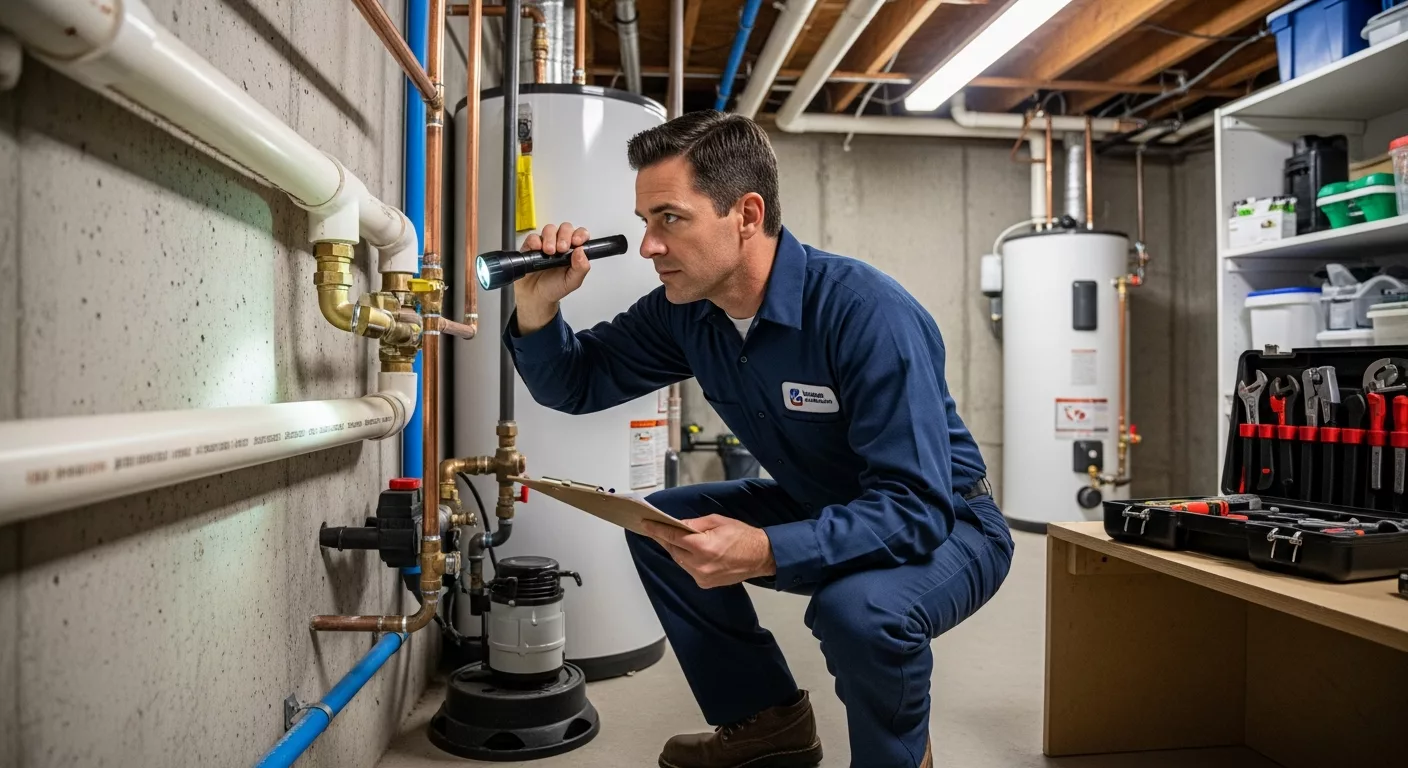
Chicago’s water supply system delivers Lake Michigan water through a network of municipal pipes to your home’s main water line. This line typically enters your basement or crawl space, where it connects to your home’s distribution system. Understanding this entry point is crucial because it’s where you’ll find your main shutoff valve—your first line of defense during plumbing emergencies.
The water then travels through a series of supply lines made from various materials depending on your home’s age. Newer homes typically feature copper or PEX piping, while older Chicago homes may still have galvanized steel or even lead service lines that require attention.
Drainage and Waste Systems
Every drain in your home connects to a larger network that ultimately leads to Chicago’s municipal sewer system. This drainage system relies on gravity and proper venting to function correctly. When these systems fail, you’ll face everything from slow drains to sewage backups.
Chicago homes built before 1975 often have clay tile sewer lines that are particularly vulnerable to tree root intrusion and settling. Understanding your sewer line material and age helps predict potential problems before they become expensive emergencies.
Water Heating Systems
Your water heater works harder in Chicago than in most climates due to extremely cold incoming water temperatures during winter months. Whether you have a traditional tank system, tankless unit, or hybrid heat pump model, understanding its maintenance requirements is essential for preventing unexpected failures during the coldest months.
Common Chicago-Specific Plumbing Challenges and Solutions
Living in Chicagoland means dealing with plumbing challenges that homeowners in milder climates never face. These Chicago home plumbing problems require specific knowledge and preparation to avoid costly disasters.
Frozen Pipe Prevention and Response
When temperatures drop below 20°F for extended periods, any exposed pipes in unheated areas become vulnerable to freezing. This includes pipes in exterior walls, crawl spaces, basements, and especially pipes running along exterior foundation walls.
The key to prevention lies in understanding which pipes are most at risk in your specific home. Pipes serving outdoor hose bibs, those running through unheated garages, and supply lines in exterior walls facing north or west are prime candidates for freezing problems.
If you discover a frozen pipe, resist the temptation to use open flames or high-heat sources. Instead, use a hair dryer, space heater, or warm towels to gradually thaw the affected area while keeping the faucet open to allow melting water to flow.
Sump Pump Systems and Basement Protection
Chicago’s clay-heavy soil and seasonal precipitation patterns make basement flooding a constant threat. A properly functioning sump pump system isn’t just recommended—it’s essential for most Chicago area homes.
Your sump pump should cycle several times during heavy rains, but if it’s running constantly or not at all, you need immediate attention. Regular testing involves pouring water into the sump pit to ensure the float switch activates the pump correctly.
Battery backup systems are particularly important in Chicago, where severe storms often cause power outages exactly when you need your primary pump most. Consider installing a professional sump pump system with both primary and backup protection.
Tree Root Intrusion Issues
Chicago’s mature tree canopy creates beautiful neighborhoods but also generates serious sewer line problems. Tree roots naturally seek water sources, making your sewer line an attractive target, especially during dry periods.
Clay tile sewer lines common in older Chicago homes develop small cracks over time, providing perfect entry points for aggressive tree roots. Once inside, these roots grow rapidly, causing complete blockages that require professional intervention.
Signs of root intrusion include gurgling sounds from drains, slow-draining fixtures throughout the house, and sewage odors in your basement or yard. Professional sewer line inspection and repair can address these issues before they become major problems.
Preventative Maintenance Schedule to Protect Your Investment
Effective homeowner plumbing tips Chicago residents can use revolve around consistent, seasonal maintenance that addresses our unique climate challenges. This schedule will help you stay ahead of problems before they become expensive emergencies.
Monthly Maintenance Tasks
Test your sump pump by pouring a bucket of water into the pit and ensuring it activates properly. Check for unusual noises, slow cycling, or failure to activate. Clean out any debris around the intake screen.
Inspect visible pipes in your basement, crawl spaces, and utility areas for signs of corrosion, mineral buildup, or small leaks. Look for water stains, rust spots, or white mineral deposits that indicate ongoing issues.
Run water in rarely used fixtures like basement utility sinks, guest bathrooms, or bar areas. Stagnant water in traps can evaporate, allowing sewer gases to enter your home.
Seasonal Preparation Strategies
Fall Preparation (September-October): Disconnect and drain all exterior hoses and shut off water to outdoor spigots. Insulate pipes in unheated areas using foam pipe insulation. Schedule professional drain cleaning to remove summer buildup before winter stress.
Winter Monitoring (November-March): Keep a slow drip running from faucets on exterior walls during extreme cold snaps. Monitor your water heater more closely as it works harder against cold incoming water. Check that your main water shutoff valve operates freely in case of emergency.
Spring Startup (April-May): Reconnect outdoor water sources carefully, checking for freeze damage. Test your sump pump before spring rains arrive. Schedule professional inspection of your sewer line to address any winter damage from ground shifting.
Summer Maintenance (June-August): Monitor water pressure throughout your home, as summer usage peaks can reveal developing problems. Clean mineral deposits from faucet aerators and showerheads. Inspect your water heater’s efficiency as you prepare for another heating season.
Annual Professional Inspections
Even with diligent DIY maintenance, certain aspects of your plumbing system require professional expertise. Annual inspections should include drain camera inspection of your main sewer line, water heater efficiency testing, and comprehensive examination of supply lines and fixtures.
Professional inspections often catch developing problems while they’re still affordable to fix. A small leak behind a wall or a partially blocked sewer line can be addressed proactively instead of waiting for an emergency situation.
When to Call Licensed, Bonded, and Insured Professionals
Knowing when to tackle a problem yourself versus calling a licensed plumber Chicago homeowners trust can save you thousands in unnecessary repairs and protect your family’s safety.
DIY-Friendly Issues
Simple faucet repairs, toilet flapper replacement, and basic drain snaking with handheld augers are typically safe for homeowners to handle. Replacing toilet seats, adjusting float mechanisms, and installing new showerheads require minimal skill and carry low risk of damage.
However, even these simple tasks can reveal larger problems. If you encounter unexpected complications, unusual resistance, or discover additional damage during a simple repair, stop and call for professional help.
Professional-Only Territory
Any work involving gas lines, main water line connections, or electrical components requires professional expertise. In Chicago, most plumbing work requires permits and inspections to ensure code compliance and protect your home’s insurance coverage.
Sewer line repairs, water heater installation, and repiping projects involve significant safety risks and require specialized tools and knowledge. Attempting these repairs without proper training can result in dangerous situations, code violations, and expensive damage.
When dealing with Chicago plumbing permit requirements, professional plumbers handle all necessary documentation and inspections, ensuring your work meets city standards.
Quality Indicators for Professional Services
A reputable residential plumber Chicago suburbs homeowners can trust should carry current licensing, comprehensive insurance, and bonding protection. They should provide detailed written estimates, explain repair options clearly, and offer warranties on their work.
Professional plumbers also stay current with industry standards and continuing education, ensuring they understand the latest techniques, materials, and code requirements.
Emergency Plumbing Situations That Need Same-Day Service
Recognizing true plumbing emergencies helps you respond appropriately and minimize damage to your home. These situations require immediate professional response regardless of time or day.
Water-Related Emergencies
Burst pipes create immediate flooding risks that can cause thousands of dollars in damage within hours. If you discover a burst pipe, immediately shut off your main water supply and call for emergency plumbing service.
Significant leaks behind walls or under flooring require immediate attention to prevent structural damage and mold growth. Signs include water stains spreading rapidly, soggy drywall, or the sound of running water when no fixtures are in use.
Complete loss of hot water during winter months constitutes an emergency, especially if you have young children or elderly family members. Water heater failures can also create safety hazards if gas connections or electrical components are involved.
Sewer and Drainage Emergencies
Sewage backing up into your home through floor drains, toilets, or basement fixtures requires immediate professional response due to health hazards. Don’t attempt to clear major sewer blockages yourself, as this often makes the situation worse.
Multiple fixtures backing up simultaneously usually indicates a main sewer line problem that requires professional diagnosis and equipment to resolve safely.
Safety-Related Issues
Gas odors near water heaters, furnaces, or other gas appliances require immediate attention. If you smell gas, don’t use electrical switches, create sparks, or attempt repairs yourself. Shut off the gas supply if you know how and call for emergency service.
Electrical issues combined with plumbing problems, such as outlets near water sources showing signs of electrical problems, require immediate professional attention to prevent electrocution risks.
Choosing the Right Residential Plumber in Chicago’s Western Suburbs
Finding a trustworthy residential plumber Chicago suburbs families can depend on requires careful evaluation of credentials, experience, and service approach.
Essential Credentials and Qualifications
Verify that any plumber you hire carries current Illinois plumbing licenses and maintains comprehensive general liability insurance. Bonding protection ensures you’re covered if problems arise during or after service.
Look for plumbers who maintain memberships in professional organizations and pursue continuing education. This indicates commitment to staying current with evolving techniques, materials, and safety standards.
Experience with Chicago-area homes is particularly valuable, as local plumbers understand regional challenges like clay soil conditions, municipal water system characteristics, and climate-related plumbing issues.
Service Quality Indicators
Professional plumbers provide detailed written estimates that break down labor, materials, and any additional costs. They should explain repair options clearly, including pros and cons of different approaches.
Quality service includes arriving on time, maintaining clean work areas, and treating your home respectfully. Professional plumbers wear identifiable uniforms, carry proper tools, and can show identification upon request.
Warranty coverage on both parts and labor demonstrates confidence in workmanship and provides peace of mind for significant repairs or installations.
Evaluating Local Expertise
Established local companies understand Chicago-area building codes, permit requirements, and inspection processes. They maintain relationships with local suppliers and can source parts quickly when needed.
Local expertise also means understanding seasonal challenges specific to our area, such as which pipe materials perform best in Chicago’s freeze-thaw cycles and how to prevent problems common to homes built during different eras of Chicago’s development.
A residential plumber with local expertise can provide valuable guidance about when repairs make sense versus replacement, helping you make cost-effective decisions.
Advanced Prevention Strategies for Chicago Homes
Beyond basic maintenance, Chicago homeowners can implement advanced strategies to minimize plumbing problems and extend system life.
Water Quality Management
Chicago’s municipal water is generally high quality, but local variations and home plumbing materials can affect water characteristics. Understanding your water’s mineral content helps predict fixture lifespan and maintenance needs.
Homes with copper plumbing may benefit from water softening systems, especially in areas with harder water. However, overly soft water can also cause problems by making water more corrosive to metal components.
Regular water testing helps identify developing issues before they affect your plumbing system. Testing should include mineral content, pH levels, and bacterial presence, especially if you notice changes in taste, odor, or appearance.
Smart Home Integration
Modern monitoring systems can alert you to developing plumbing problems before they become emergencies. Water leak detectors placed near water heaters, washing machines, and in basements provide early warning of problems.
Smart water shutoff valves can automatically stop water flow when leaks are detected, potentially preventing thousands of dollars in damage when you’re away from home.
Flow monitoring systems track water usage patterns and can alert you to unusual consumption that might indicate hidden leaks or running fixtures.
Energy Efficiency Considerations
Upgrading to energy-efficient fixtures and appliances reduces utility costs while often improving reliability. Modern low-flow fixtures provide excellent performance while reducing water consumption.
Proper pipe insulation reduces heat loss from hot water lines and prevents condensation problems in humid conditions. This simple upgrade can improve hot water delivery time and reduce energy costs.
According to the Department of Energy’s water heating efficiency guide, proper maintenance and upgrades can reduce water heating costs by 25% or more while improving system reliability.
Cost-Effective Maintenance Investment Strategy
Smart homeowners view plumbing maintenance as an investment that pays dividends through avoided emergency costs and extended system life.
Budget Planning for Plumbing Maintenance
Set aside 1-2% of your home’s value annually for all maintenance, with about 20% of that dedicated to plumbing-related expenses. This budget should cover routine maintenance, minor repairs, and gradual upgrades.
Prioritize maintenance spending on systems that could cause the most damage if they fail. Sewer line maintenance, water heater care, and sump pump reliability should receive top priority in Chicago homes.
Consider maintenance contracts with established local companies. These agreements often provide priority service, discounted repairs, and regular inspections that catch problems early.
Timing Major Investments
Plan major plumbing upgrades during favorable seasons when possible. Spring and fall typically offer better scheduling flexibility and may provide cost advantages for larger projects.
Coordinate plumbing upgrades with other home improvement projects to minimize disruption and potentially reduce overall costs through combined scheduling.
Understanding the lifecycle of different plumbing components helps you plan replacements before failures occur. Water heaters typically last 8-12 years, while quality fixtures can last decades with proper maintenance.
Working with Municipal Systems and Regulations
Chicago-area homeowners must understand how municipal systems and regulations affect their home plumbing decisions and responsibilities.
Understanding Your Responsibilities
Homeowners typically own and maintain all plumbing from the main connection to their house, including the service line running from the street to your home. Understanding this boundary helps clarify when problems are your responsibility versus the municipality’s.
Sewer line maintenance up to the connection point at the street is typically the homeowner’s responsibility, including tree root removal and pipe repairs within your property boundaries.
Water meter protection and access requirements vary by municipality, but homeowners generally must ensure meters remain accessible and undamaged.
Permit and Code Compliance
Most plumbing work beyond simple repairs requires permits and inspections to ensure code compliance. Professional plumbers handle permit applications and coordinate required inspections as part of their service.
Code compliance isn’t just about avoiding fines—it ensures work meets safety standards and protects your home insurance coverage. Non-compliant work can create liability issues and complicate future sales.
Working with EPA WaterSense guidelines ensures your upgrades meet efficiency standards while maintaining performance expectations.
Conclusion: Taking Control of Your Home’s Plumbing Future
Mastering your Chicago residential plumbing guide knowledge puts you in control of one of your home’s most critical systems. By understanding your plumbing systems, implementing preventative maintenance, and knowing when to call professionals, you transform from a reactive homeowner dealing with expensive emergencies into a proactive protector of your investment.
The strategies outlined in this guide can save you thousands of dollars over your homeownership journey while ensuring your family’s comfort and safety year-round. Remember that small investments in maintenance and timely repairs prevent major disasters that can disrupt your life and drain your savings.
At Ace Plumbers, we’ve helped thousands of Chicago-area homeowners implement these strategies successfully. Our third-generation expertise and commitment to transparent, professional service make us the trusted partner you need for both routine maintenance and unexpected emergencies.
Ready to take control of your home’s plumbing future? Whether you need a professional sump pump evaluation, routine maintenance, or emergency service, our licensed, bonded, and insured team is here to help. Call (708) 204-8602 today to schedule your comprehensive plumbing assessment and join the thousands of homeowners who trust Ace Plumbers to protect their most important investment.
Don’t wait for the next polar vortex or summer storm to test your home’s plumbing systems. Take action today and ensure your family’s comfort and safety for years to come.
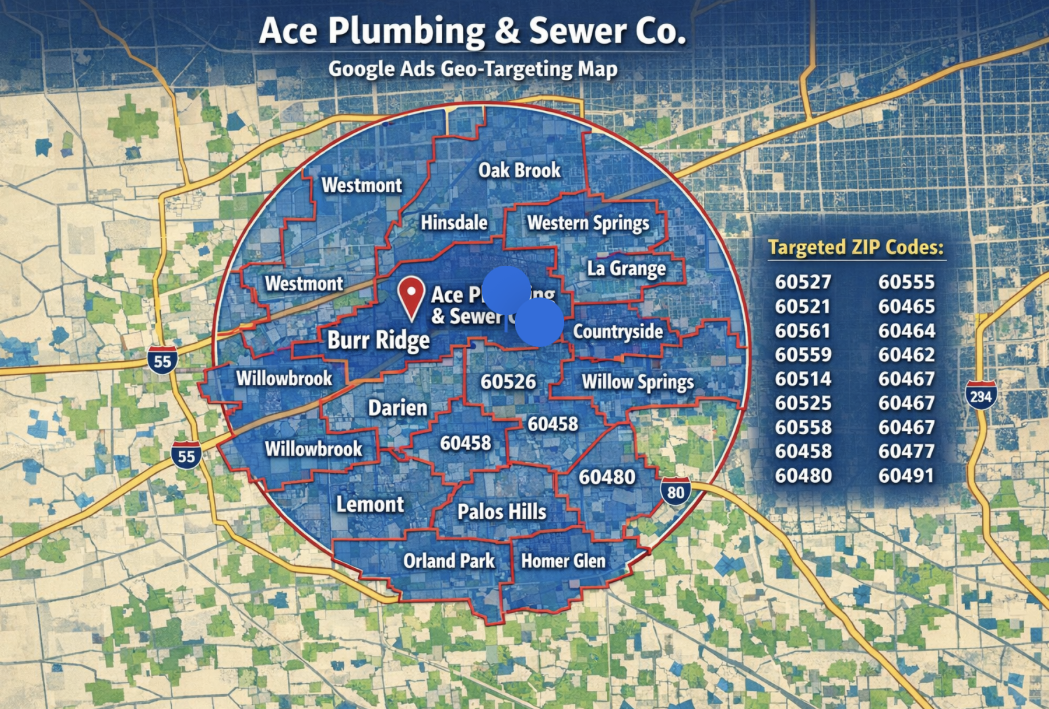
Proudly serving Burr Ridge and Southwest Chicago
Request a free quote
Tell us what’s going on and we’ll get right back to you. Need help now? Call and a real plumber answers 24/7.