How to Test Your Sump Pump Properly
Trusted by homeowners across Burr Ridge and Chicago, IL
Your sump pump is your home’s first line of defense against basement flooding. We at Ace Plumbing & Sewer know that many homeowners skip testing until water starts seeping in-and by then it’s too late.
Learning how to test your sump pump properly takes just minutes and can save you thousands in water damage repairs. This guide walks you through the process step by step, plus shows you what problems to watch for.
Why Regular Sump Pump Testing Matters
Testing Prevents Costly Water Damage
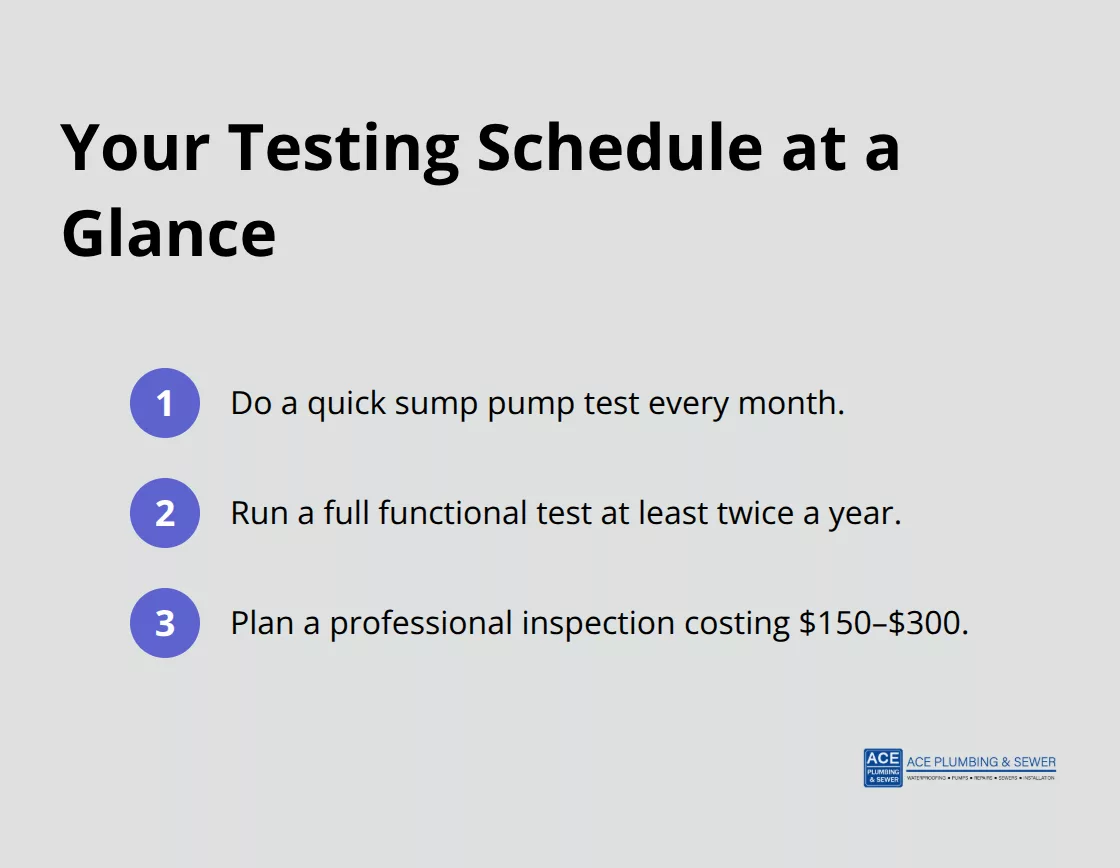
Skipping sump pump tests until heavy rain arrives creates a dangerous situation. A failed pump during a storm floods your basement in hours, causing thousands in damage that insurance may not fully cover. Regular testing catches problems before they become emergencies. When you test monthly and run a full functional test at least twice yearly, you catch float switch failures, discharge line clogs, and motor wear while there’s still time to fix them. A professional inspection costs $150–$300, but it prevents losses that dwarf that investment.
Testing Extends Equipment Life
Sump pumps typically last seven to ten years, but that lifespan shrinks dramatically when debris accumulates in the pit or the float switch gets stuck. Testing forces you to inspect the sump basin for sediment and sludge that clog the impeller and strain the motor. A pump running continuously due to a stuck float or backflow wastes energy and burns out bearings fast. Quarterly visual checks and annual functional tests keep your equipment running at design capacity, extending its working life and delaying expensive replacement. Listen for unusual noises during testing-grinding or squealing signals worn bearings that need professional attention before the motor fails completely.
Peace of Mind When Storms Arrive
Knowing your sump pump works removes the anxiety of watching storm clouds roll in during spring and summer. A tested system with a functioning float switch, clear discharge line, and charged battery backup (if installed) means you can face heavy rainfall confident your basement stays dry. This matters especially in flood-prone areas near Burr Ridge, Clarendon Hills, Darien, Hinsdale, and Willow Springs, where groundwater rises seasonally. If you discover problems during testing, you have time to call a professional and schedule repairs before the next downpour. That peace of mind-knowing you’ve done everything to protect your home-is invaluable.
Understanding why testing matters sets the stage for learning how to do it correctly. The next section walks you through each step of the testing process so you can verify your pump operates as designed.
How to Test Your Sump Pump in Three Simple Steps
Prepare Your Pump and Pit for Testing
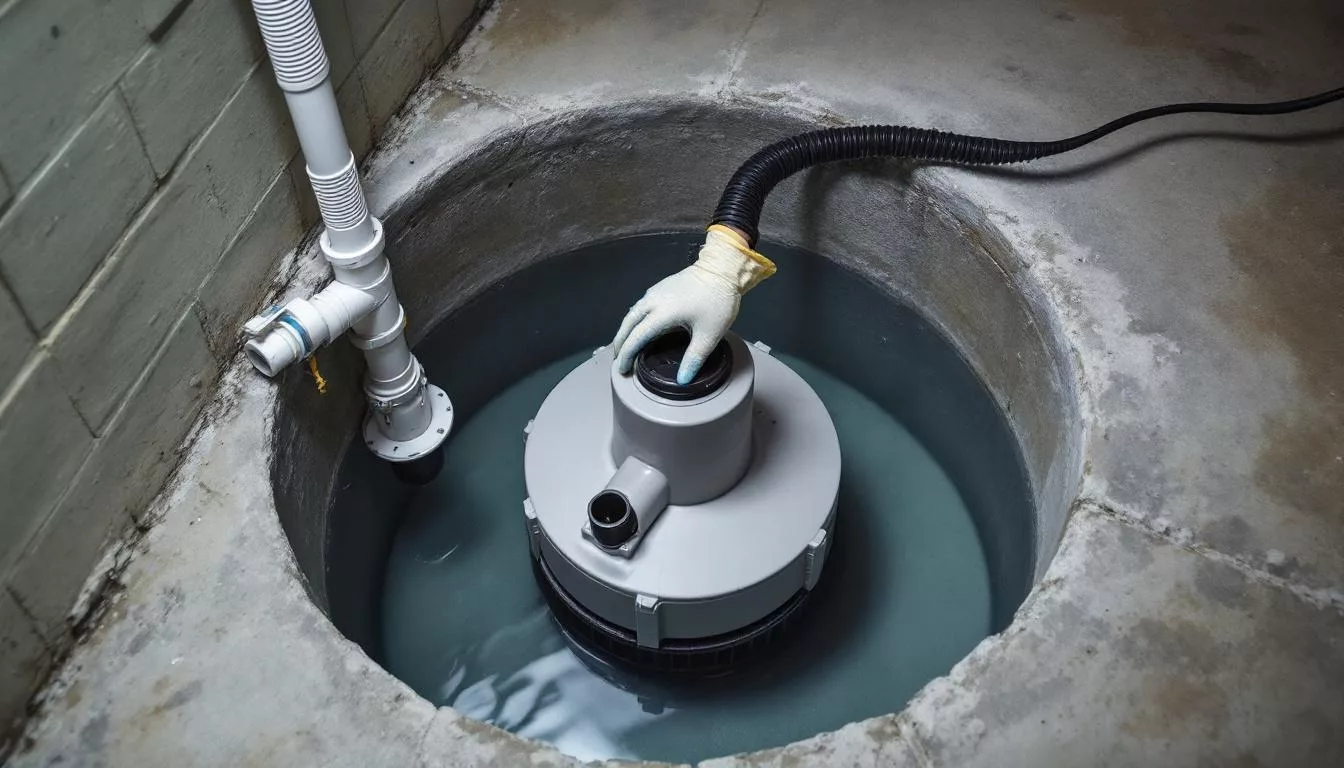
Plug your pump into a GFCI outlet and verify the outlet works properly-a standard outlet without ground fault protection leaves you exposed to electrical hazard during water contact. Inspect the power cord for any visible damage, cracks, or exposed wiring that could create a fire risk. If your pump has a battery backup system, confirm the battery is fully charged before testing begins. Open the sump pit and remove any debris, sediment, or sludge that has accumulated on the bottom, as this buildup clogs the impeller and forces the motor to work harder than designed. Check that the float switch moves freely without snagging on wires, pit walls, or debris. A stuck float switch ranks among the most common reasons pumps fail to activate when water rises, yet clearing obstructions during your test fixes it easily.
Activate the Pump and Monitor Operation
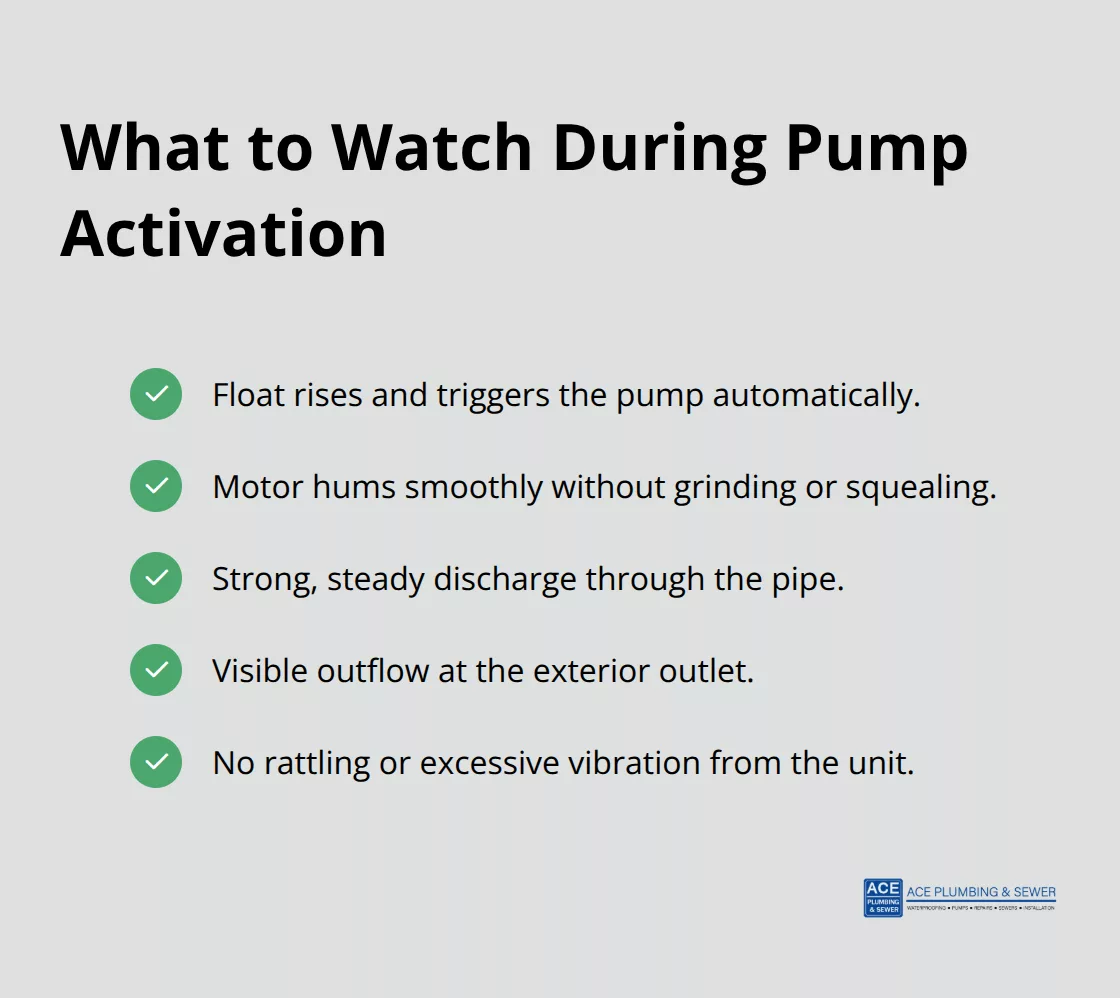
Pour water into the pit slowly and steadily, watching the float rise as the water level climbs. The float switch should trigger the pump to start automatically once water reaches the activation point (typically six to eight inches above the pit bottom). Listen carefully as the motor engages-you should hear a gentle, consistent hum. Unusual sounds like grinding, squealing, or rattling signal worn bearings or mechanical damage that requires professional attention before the motor fails completely. Once running, the pump should discharge water steadily through the discharge line and away from your foundation. Walk outside and confirm water is flowing out the exterior outlet-poor flow or no flow indicates a clogged discharge pipe, frozen line, or blocked check valve.
Verify Discharge and Test Backup Systems
Inspect the discharge line path to verify it slopes away from your home and exits at least 10 to 20 feet from the foundation. After the pit empties, the pump should shut off automatically as the float drops. If it continues running or shuts off prematurely, the float switch may be damaged or the pump incorrectly sized for your basement. Test your battery backup separately by unplugging the main power and pouring water into the pit again-the backup should activate and run the pump without hesitation. A licensed professional can run a complete diagnostic if you encounter problems during testing and help you decide whether repair or replacement makes sense for your home. Issues discovered now give you time to address them before the next heavy rainfall arrives.
What Problems Will Testing Reveal
Activation Failures and Float Switch Issues
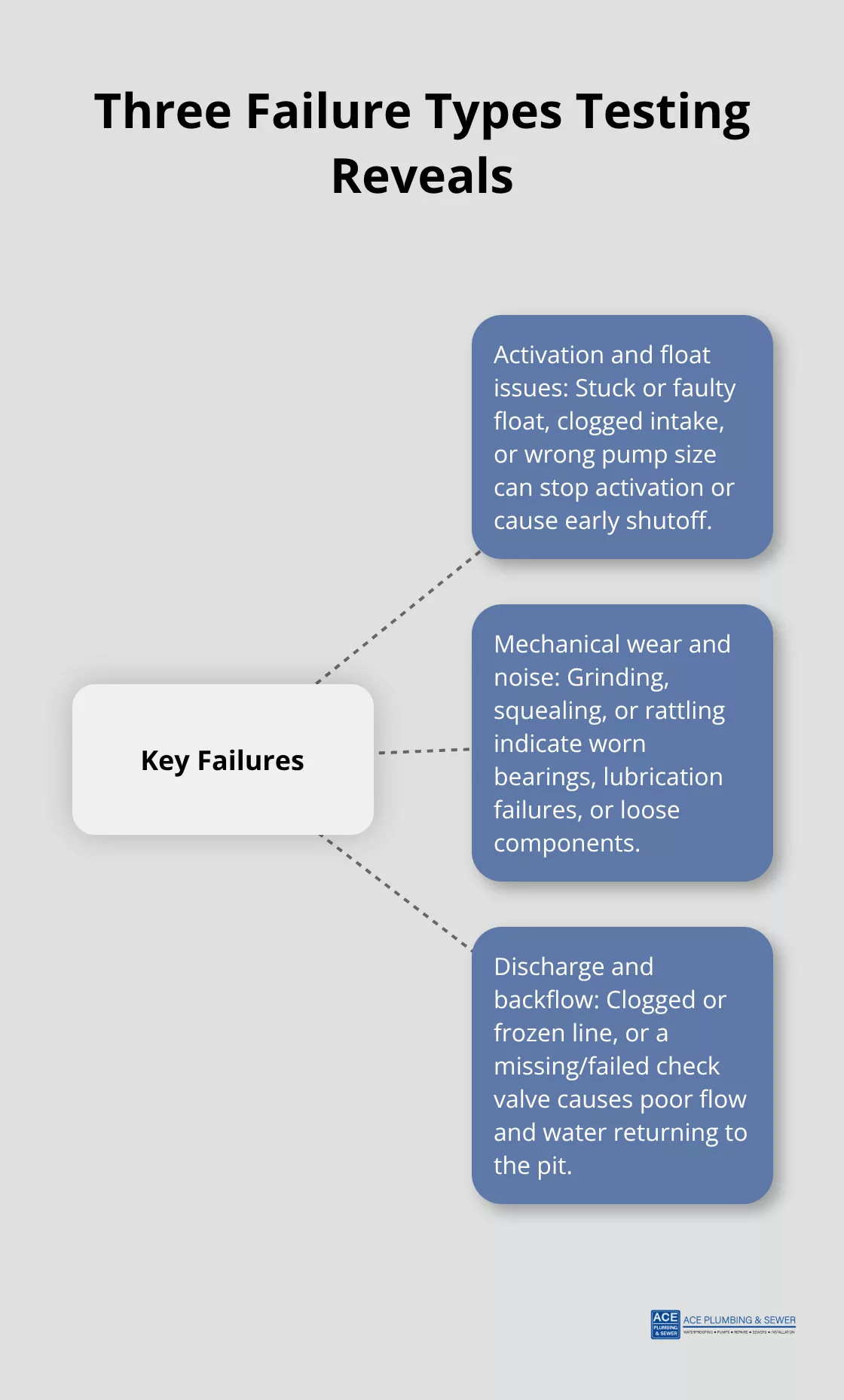
Testing your sump pump exposes three critical failures that homeowners often miss until water flows into the basement. A pump that refuses to activate or shuts off too early typically stems from a float switch stuck or malfunctioning, incorrect pump sizing, or a clogged intake screen. Debris and silt accumulate in sump pits over time, preventing the float from rising freely or blocking water from reaching the pump intake. When you pour water during testing and the float doesn’t rise smoothly, you’ve found the problem before it costs you thousands in water damage. If the pump starts but shuts off prematurely, the culprit is usually a check valve failure and backflow that allows water to backflow into the pit, forcing the pump to cycle endlessly or give up entirely.
Mechanical Wear and Unusual Sounds
Strange noises and vibrations reveal mechanical wear that progresses rapidly once it starts. A grinding sound indicates worn bearings inside the motor or impeller damage from running dry or processing debris. Squealing points to lubrication failure in the motor shaft. Rattling suggests loose mounting bolts or internal components striking the casing. These noises appear during testing while you stand right there, giving you time to call a licensed plumber in Hinsdale, Darien, Clarendon Hills, or Burr Ridge before the motor burns out completely. Catching these sounds early prevents catastrophic failure and extends your equipment’s working life significantly.
Discharge Line Blockages and Backflow Problems
Water that doesn’t drain or backs up into the basement during testing signals a discharge line clog, frozen pipe, or missing check valve. Walk outside and verify water flows from the exterior outlet-if nothing comes out, the line is blocked by ice, dirt, or sediment. A missing check valve allows gravity to push water back into the pit, defeating the entire system. These three categories of failures are preventable with regular testing, and catching them now means you avoid costly basement water damage and mold remediation that follows pump failure during heavy rain.
Conclusion
Testing your sump pump regularly protects your home from basement flooding and the thousands in water damage that follows pump failure. You now understand how to test your sump pump, what problems to watch for, and why catching issues early matters far more than waiting for an emergency. A few minutes of testing each month and a full functional test twice yearly prevent the costly repairs and mold remediation that homeowners face when their systems fail during heavy rain.
When testing reveals problems you cannot fix yourself, or when you want professional verification that your system operates correctly, we at Ace Plumbing & Sewer stand ready to help. We serve Burr Ridge, Hinsdale, Darien, Clarendon Hills, and Willow Springs with licensed, bonded, and insured technicians who understand sump pump systems inside and out. Our team handles everything from float switch repairs and discharge line cleaning to complete pump replacement and battery backup installation.
Contact us today to schedule a professional sump pump inspection or to discuss a preventative maintenance plan that fits your home’s needs. Same-day service is available for emergencies, and we provide upfront pricing with no surprises. Let plumbing professionals at Ace Plumbing & Sewer be your trusted partner in keeping your basement dry and your home protected.
Proudly serving Burr Ridge and Southwest Chicago

Request a free quote
Tell us what’s going on and we’ll get right back to you. Need help now? Call and a real plumber answers 24/7.