Understanding Commercial Plumbing: What Every Facility Manager Should Know
Trusted by homeowners across Burr Ridge and Chicago, IL
Commercial plumbing systems are often the unseen backbone of a facility’s daily operation. From office buildings and restaurants to schools and industrial warehouses, these systems are responsible for providing clean water, proper drainage, and functional restrooms—all while meeting rigorous building codes and safety standards. In this post, we’ll break down what commercial plumbing entails, common challenges, and how proactive maintenance can save your business time, money, and stress.
What Makes Commercial Plumbing Different?
Scale and Complexity
Unlike residential systems, commercial plumbing systems are designed to serve a large number of users. They often span multiple floors, service dozens (if not hundreds) of fixtures, and must accommodate fluctuating demand throughout the day. This complexity requires specialized materials, advanced system design, and experienced technicians who understand code compliance for commercial properties.
Heavy Usage
Commercial plumbing is subjected to much more wear and tear due to constant use. For instance, restrooms in restaurants, gyms, or corporate offices experience far more foot traffic than those in a home. This means parts like flush valves, faucets, and drains must be more durable and frequently inspected for wear.
Strict Compliance and Inspection Requirements
Commercial buildings are held to stricter regulations by local municipalities. Regular backflow testing, water quality standards, ADA compliance, and fire suppression tie-ins all fall under the umbrella of commercial plumbing—and all require proper documentation and professional management.
Common Commercial Plumbing Issues
Clogged or Slow Drains
Grease, food debris, hair, paper waste, and even non-flushable items often find their way into commercial drains. Over time, this leads to backups and blockages that can affect multiple units or facilities. Hydro jetting is a common solution, using high-pressure water to safely clear pipes without damage.
Leaking Fixtures and Pipes
Even minor leaks can escalate into water damage, increased utility bills, and mold problems. In commercial settings, leaks are sometimes hidden behind walls, in ceilings, or under slabs—making professional leak detection services essential.
Water Heater Failures
Restaurants, hotels, and healthcare facilities can’t operate without hot water. Commercial water heaters must be large enough to meet demand, properly maintained, and replaced before system failure causes downtime. Preventive inspections and timely repairs are critical.
Backflow Contamination
Backflow occurs when contaminated water flows in reverse through a clean water line. This is dangerous and illegal in most jurisdictions. Installing and annually testing a backflow prevention device is not only smart—it’s required.
Preventive Maintenance: The Key to Longevity
Why Maintenance Matters
Reactive repairs are always more expensive than proactive maintenance. Routine inspections and service checks catch small issues before they become emergencies, reducing operational downtime and repair costs.
What to Include in a Maintenance Plan
- Annual or semi-annual inspections of all pipes and fixtures
- Drain and sewer cleaning to prevent backups
- Backflow testing and certification
- Water heater flushing and pressure checks
- Leak detection for hidden pipes and connections
How Often Should You Schedule Maintenance?
Most facilities benefit from a bi-annual plumbing inspection, but high-use environments like restaurants or schools may require quarterly visits. Working with a plumbing provider who offers tailored maintenance plans can help you determine the right schedule for your building.
Choosing the Right Commercial Plumbing Partner
Experience and Specialization
Not every plumber is equipped to handle commercial-scale projects. Look for a provider with experience in your industry and services like hydro-jetting, trenchless repair, and commercial water heater installation. They should also be licensed, bonded, and insured for large-scale work.
Availability and Emergency Services
Plumbing issues don’t always happen during business hours. Your plumbing partner should offer 24/7 emergency service with rapid response times to minimize downtime when critical issues arise.
Compliance Knowledge
Staying compliant with local codes isn’t optional—it’s essential. From permitting and inspections to documentation for backflow and grease trap cleaning, your plumbing company should know your municipality’s requirements and keep your building in full compliance.
Final Thoughts
Understanding and properly managing your commercial plumbing system is essential to maintaining a safe, efficient, and fully operational facility. Whether you’re running a busy restaurant, a multi-story office building, or a warehouse, having the right plumbing infrastructure—and the right partner to maintain it—can prevent costly problems down the line.
At Ace Plumbing & Sewer, we specialize in commercial plumbing solutions tailored to your facility’s unique demands. From emergency repairs to long-term maintenance plans, we provide the expertise, equipment, and reliability you need to stay focused on your business—not your pipes.
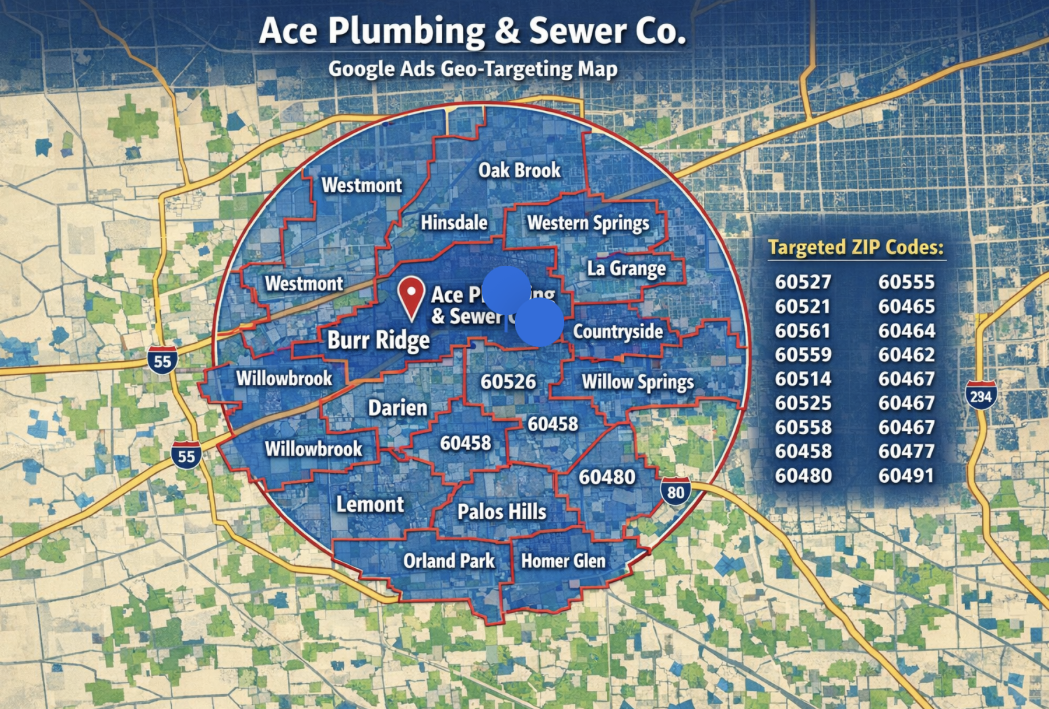
Proudly serving Burr Ridge and Southwest Chicago
Request a free quote
Tell us what’s going on and we’ll get right back to you. Need help now? Call and a real plumber answers 24/7.