
Sump Pump Kits: What’s Included and How to Choose
Trusted by homeowners across Burr Ridge and Chicago, IL
Basement flooding can cause thousands of dollars in damage within hours. A quality sump pump kit provides the complete solution to protect your home from water intrusion.
We at Ace Plumbing & Sewer see homeowners struggle with choosing the right system for their specific needs. This guide breaks down what’s included in different sump pump kits and how to select the perfect match for your basement.
What’s Included in Sump Pump Kits
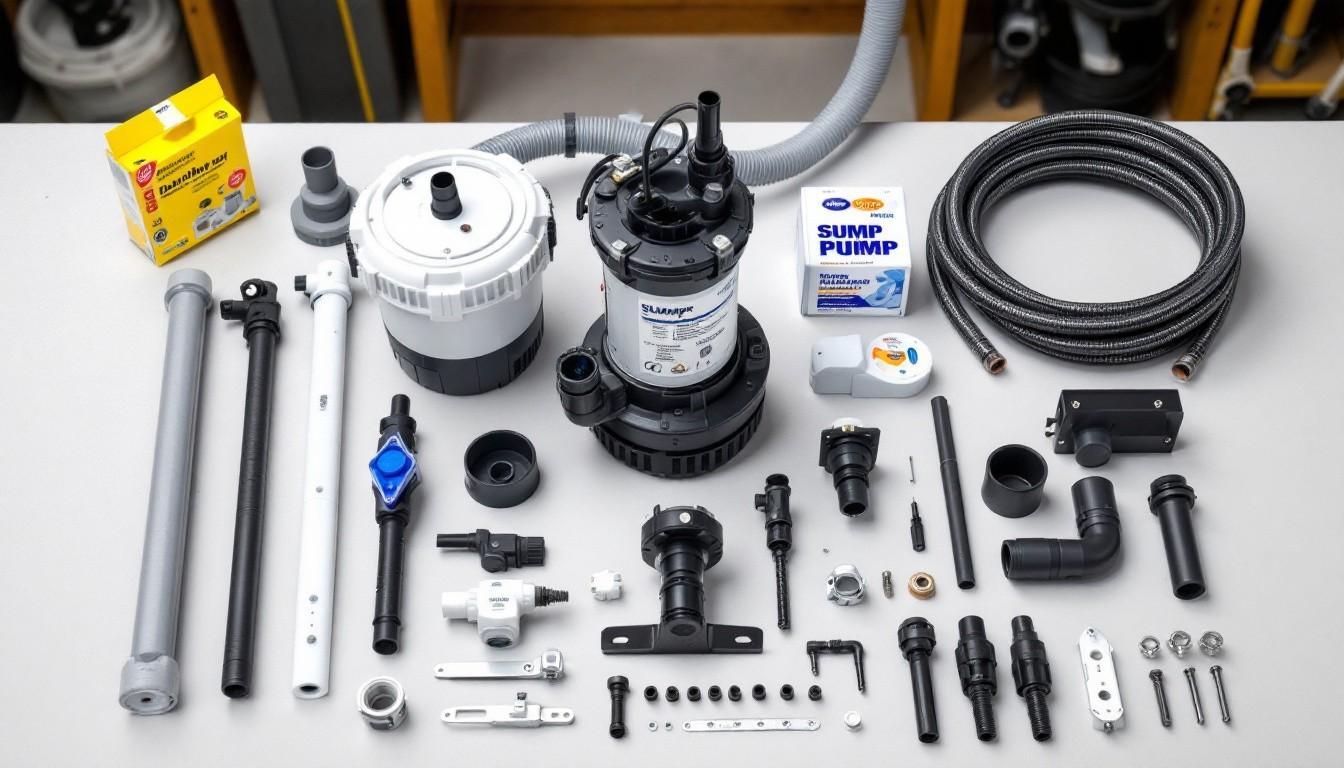
Most sump pump kits contain six essential components that work together to protect your basement from water damage. The pump unit features specific motor specifications that range from 1/3 HP for standard homes to 3/4 HP for deeper basins or flood-prone areas.

Pump Unit and Motor Specifications
A 1/3 HP submersible pump is ideal for average water removal, while 1/2 HP models deliver 35% to 40% more capacity. Cast iron construction beats thermoplastic alternatives in durability and noise reduction, which makes it the preferred choice for residential installations. These pumps operate on standard 120V household electricity, though higher-capacity models may require special electrical configuration.
Discharge System Components
The discharge pipe system contains PVC pipes that match your pump’s output capacity. Larger diameter pipes work with higher horsepower units to prevent operational problems. Check valves stop backflow into the sump pit after the pump shuts off. Installation hardware includes mounting brackets, electrical connections, and float switches that activate the pump when water levels rise.
Safety and Monitoring Features
Electronic float switches outperform mechanical versions due to their compact size and consistent operation. Quality kits feature thermal overload protection that prevents motor burnout from overheating. Advanced systems include WiFi-enabled monitoring that alerts homeowners via text or email when issues occur (particularly valuable for vacation homes or unattended properties).
Basin and Installation Package
Complete kits include a sump basin with cover that collects water and prevents debris from entering the system. Basin size affects pump operation frequency – larger basins reduce wear from constant on-off cycles. Professional-grade kits often bundle primary and backup systems together, which simplifies installation while providing redundancy during power outages. Battery backup components with 75Ah to 120Ah will allow several hours of intermittent pumping, which can often stretch over several days during an extended power outage.
The variety of available kit types means homeowners need to understand which configuration best matches their specific basement conditions and flood risk level.
Types of Sump Pump Kits Available
Submersible vs Pedestal Pump Kits
Submersible pump kits dominate residential installations because they operate 40% more quietly than pedestal models and fit completely inside the sump pit. These units handle debris better and pump more efficiently at depths greater than 8 feet, which explains why contractors recommend them for 90% of basement applications.

Pedestal pumps mount above water level with motors that last longer due to better ventilation, but their noise levels make them unsuitable for finished basements. The exposed motor design allows easier maintenance access but creates operational challenges in tight spaces.
Primary vs Battery Backup System Kits
Battery backup systems cost $200 to $500 more than primary-only kits but prevent flooding during power outages. Deep-cycle batteries with 75Ah to 120Ah capacity power backup pumps for 7 to 8 hours of continuous operation.
Water-powered backup systems work indefinitely during outages but use 2 gallons of municipal water for every gallon pumped out. This makes them expensive for extended use but eliminates battery maintenance concerns.
Heavy Duty vs Standard Residential Kits
Standard residential kits with 1/3 HP pumps move 3,000 to 4,000 gallons per hour and work perfectly for typical 8-foot basement depths. Heavy-duty versions with 3/4 HP motors pump 5,500 gallons per hour and handle vertical lifts up to 25 feet.
Heavy-duty kits make sense for homes with deep basements or high water tables. Combination kits that include both primary and backup pumps in one package reduce installation time by 30% and often cost less than separate component purchases.
The right kit selection depends on your specific basement conditions, which requires careful assessment of water volume and power requirements.
How to Choose the Right Sump Pump Kit

Calculate Your Basement Water Volume Requirements
Your basement dimensions directly determine pump capacity needs. Measure your basement square footage and multiply by 0.1 inches to estimate water accumulation during heavy rainfall. A 1,000-square-foot basement requires a pump that moves approximately 1,800 gallons per hour based on standard infiltration rates.
Homes with finished basements below grade need 1/2 HP pumps minimum, while crawl spaces typically work fine with 1/3 HP units. The National Association of Realtors reports that proper size selection prevents the short-cycle operation that destroys pumps within 2-3 years instead of the expected 10-15 year lifespan.
Match Electrical Capacity to Your Home System
Standard 120V circuits handle 1/3 HP and most 1/2 HP pumps, but 3/4 HP models often require 240V dedicated circuits. Check your electrical panel capacity before you purchase – older homes with 100-amp service may need upgrades for larger pumps.
Battery backup systems need 12V deep-cycle batteries with 75Ah minimum capacity. AGM batteries cost $150 to $400 but eliminate maintenance, while flooded lead-acid versions run $100 to $250 but require monthly water level checks. Water-powered backups work only with municipal water pressure above 20 PSI and increase water bills significantly during extended use.
Assess Installation Complexity and Professional Requirements
Complex installations with discharge pipes longer than 20 feet or vertical lifts above 10 feet need professional assessment. Improper pipe size selection reduces pump efficiency by 30% and voids most warranties. Licensed plumbers handle permit requirements and code compliance that DIY installations often miss.
Professional installation typically costs $300 to $600 but prevents thousands in flood damage from undersized or improperly configured systems (especially in areas prone to heavy rainfall or high water tables).
Final Thoughts
The right sump pump kit matches your basement’s specific water volume needs with appropriate horsepower ratings. A 1/3 HP submersible model handles most standard applications, while homes with higher water tables benefit from 1/2 HP units that deliver 35% more capacity. Professional assessment becomes necessary when discharge runs exceed 20 feet or when electrical upgrades are required for larger pumps.
Complex installations demand licensed expertise to meet local building codes and permit requirements. Improper system selection reduces pump efficiency by 30% and typically voids manufacturer warranties. DIY installations often miss critical details that lead to system failures during peak demand periods (when you need protection most).
We at Ace Plumbing & Sewer handle commercial and residential plumbing services that include proper sump pump kit selection and professional installation. Our licensed team understands local water table conditions and building code requirements that affect system performance. Quality installation protects your investment and prevents costly flood damage when severe weather strikes your area.
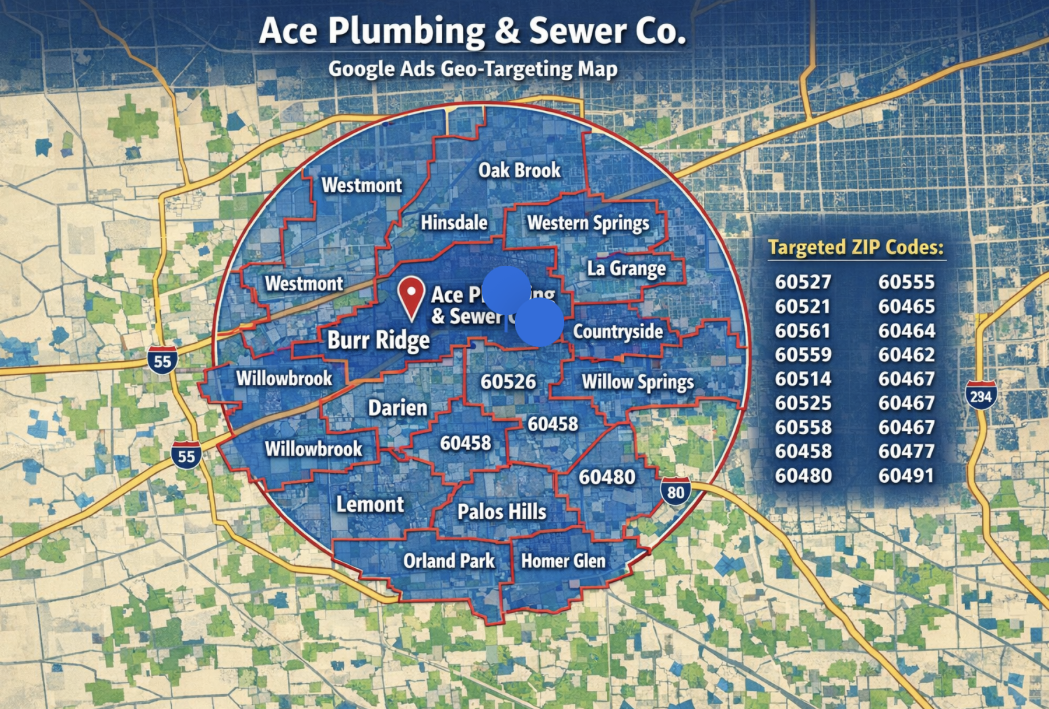
Proudly serving Burr Ridge and Southwest Chicago
Request a free quote
Tell us what’s going on and we’ll get right back to you. Need help now? Call and a real plumber answers 24/7.