How to Repair a Damaged Sewer Drain
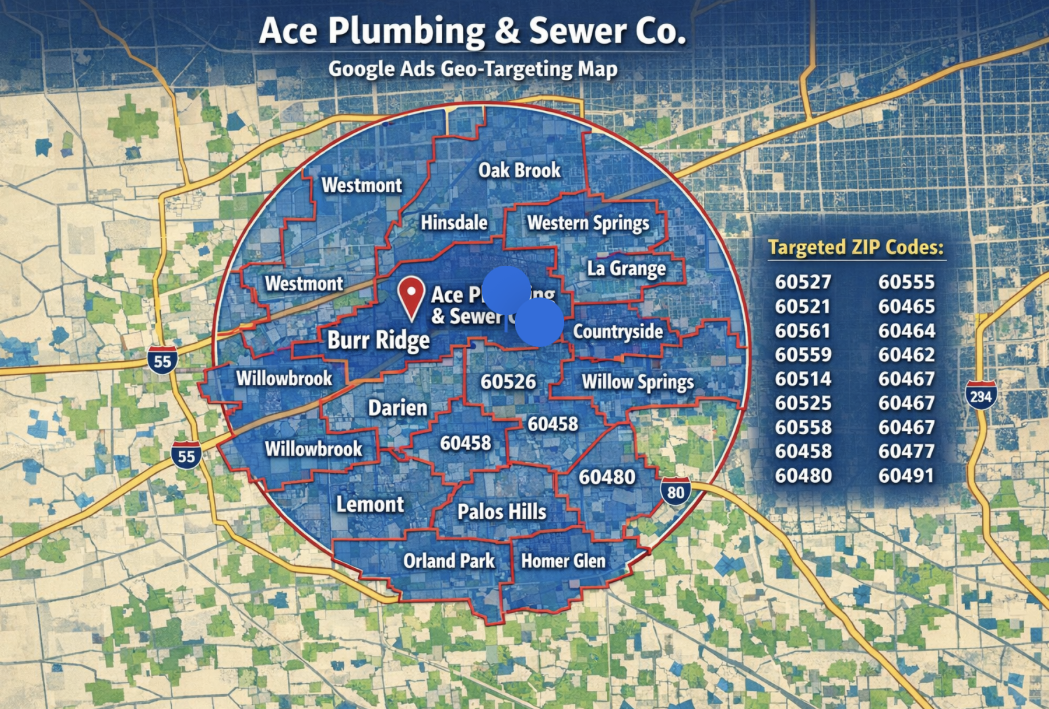
Trusted by homeowners across Burr Ridge and Chicago, IL
Sewer drain problems can quickly turn into major headaches for homeowners. At Ace Plumbing & Sewer, we’ve seen firsthand how a damaged sewer line can disrupt daily life and potentially lead to costly repairs.
Understanding the signs of sewer drain damage and knowing when to seek professional help is key to preventing serious issues. In this guide, we’ll explore the common causes of sewer drain problems and discuss effective repair methods to get your plumbing system back on track.
Warning Signs of Sewer Drain Damage
At Ace Plumbing & Sewer, we know that early detection of sewer drain problems can prevent costly repairs and health hazards. Here are the key warning signs you should never ignore:

The Nose Knows: Unpleasant Odors
A persistent sewage odor inside or outside your home is a clear indicator of sewer drain issues. This smell can be caused by various factors, including damaged toilet seals, clogged drains, dry P-traps, biofilm buildup, or pipe leaks.
Slow Drains and Gurgling Sounds
Watch out for sluggish water flow in sinks, showers, and toilets. If multiple drains are affected, it likely points to a main sewer line problem. Gurgling noises from drains or toilets when water goes down are also red flags. These sounds occur when air trapped in the pipes tries to escape through the drain.
Yard Troubles: Wet Spots and Sinkholes
Your yard can reveal a lot about your sewer system’s health. Unusually lush or wet areas in your lawn might indicate a leaking sewer pipe feeding your grass extra “nutrients.” More alarmingly, sunken areas or small sinkholes can form where the ground has eroded due to a broken sewer line.
The Worst-Case Scenario: Sewage Backup
Water backing up in your basement or crawl space (especially with a sewage smell) signals a serious issue. This often represents the final stage of a sewer line problem and requires immediate professional attention to prevent property damage and health risks.
Professional Diagnosis: The Next Step
Don’t wait for these signs to worsen. If you spot any of these warning signals, it’s time to call in the experts. Professional plumbers use advanced diagnostic tools like camera inspections to pinpoint the exact location and nature of your sewer drain problem. They may also employ sound-based leak detection and smoke testing to help identify issues without the need for extensive digging.
Now that we’ve covered the warning signs, let’s explore the common causes behind these sewer drain issues. Understanding what leads to these problems can help you take preventive measures and make informed decisions about repairs.
Why Do Sewer Drains Fail?
At Ace Plumbing & Sewer, we’ve encountered numerous sewer drain issues. Understanding the main causes can help you prevent problems and recognize when to call for professional help. Let’s explore the primary culprits behind sewer drain damage.

Tree Roots: The Sneaky Invader
Tree roots pose a significant threat to sewer lines. They’re attracted to the moisture and nutrients in pipes and can infiltrate through tiny cracks or loose joints. Once inside, roots grow and expand, causing blockages and pipe damage. Research by Geyer and Lentz (1964) found that roots were a major cause of sewer stoppage in U.S. cities.
Pipe Corrosion: Time Takes Its Toll
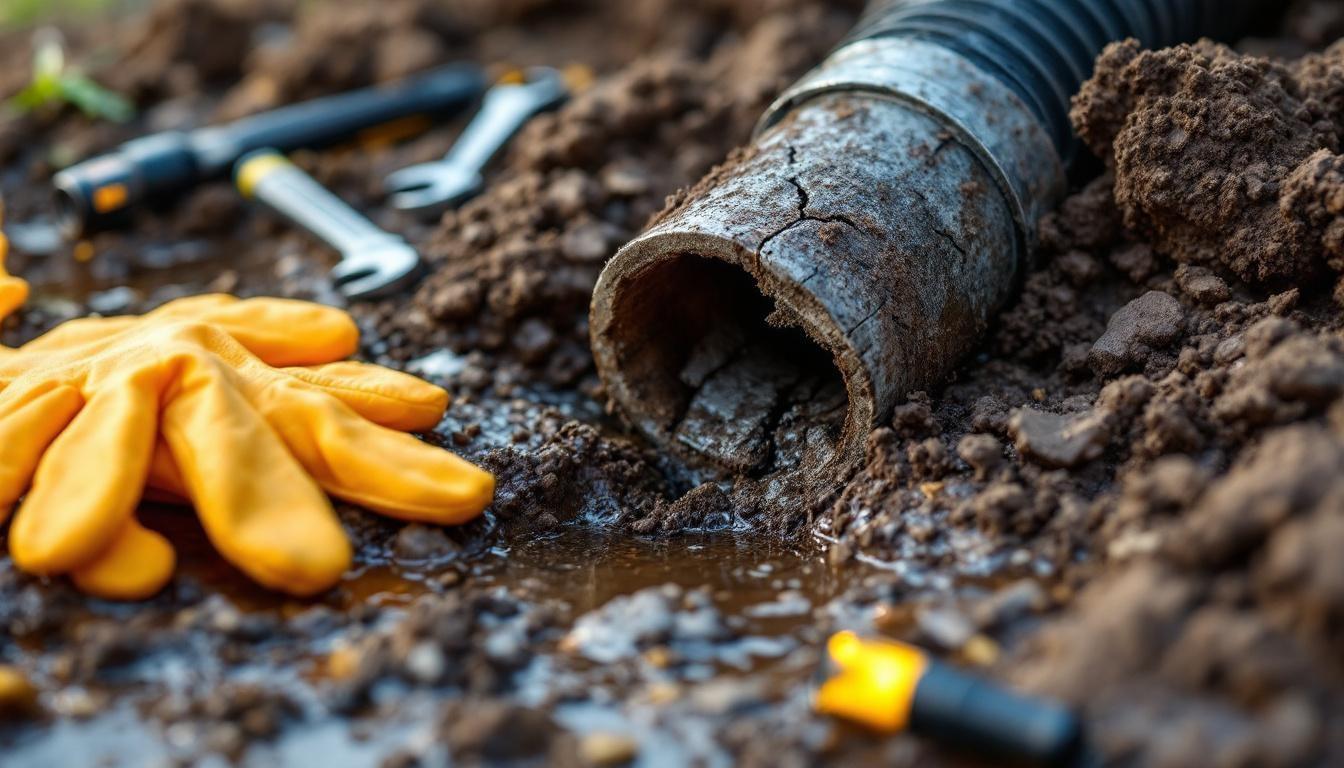
Older pipes (especially those made of cast iron or clay) are susceptible to corrosion and deterioration. This aging infrastructure leads to weakened pipes that can crack, collapse, or develop leaks.
Ground Shifts: Mother Nature’s Impact
Soil movement due to natural settling, earthquakes, or nearby construction can wreak havoc on sewer lines. These movements can misalign pipe sections, creating weak points prone to leaks or collapse.
Poor Installation and Outdated Materials: Human Error
Sometimes, the problem starts from day one. Improper installation techniques or the use of substandard materials can lead to premature sewer line failure. If your home was built before 1980, it’s worth checking what type of sewer pipe material was used.
Clogs and Blockages: The Daily Culprit
While not always causing permanent damage, severe clogs can lead to backups and put undue stress on your sewer system. Fats, oils, and grease (FOG) are among the inappropriate materials sent to sewers that can cause sanitary sewer overflows (SSOs). Other common culprits include non-biodegradable items (like wipes) or large food particles disposed of down the drain.
Now that we’ve identified the main causes of sewer drain failure, let’s move on to discuss the professional repair methods available to address these issues effectively.
How Do Professionals Fix Damaged Sewer Drains?
At Ace Plumbing & Sewer, we use advanced techniques to repair sewer drain issues. Our professional methods ensure effective solutions with minimal disruption. Let’s explore the most efficient ways to fix damaged sewer drains.

Trenchless Technologies: Minimal Disruption, Maximum Results
Trenchless repair methods have transformed sewer line repair. These techniques allow us to fix pipes with minimal excavation, protecting your lawn and driveway from extensive damage. Trenchless sewer repair offers numerous advantages, including minimal disruption, speed, long term cost savings, and enhanced durability.
Pipe lining is a popular trenchless method. We insert a flexible, resin-coated tube into the damaged pipe. Once in place, we inflate and cure the tube, creating a new pipe within the old one.
Pipe bursting is another trenchless technique. We break the old pipe while simultaneously pulling a new pipe into place. This method works well for severely damaged pipes that we can’t repair through lining.
Traditional Excavation: When It’s Necessary
Sometimes, traditional excavation is the best (or only) option. This often applies to collapsed pipes or when multiple sections of the line need replacement. While more invasive, excavation allows for a complete replacement of the damaged section, providing a long-term solution.
Hydro Jetting: Clearing Stubborn Clogs
For severe clogs that resist traditional snaking methods, hydro jetting is an extremely effective solution. This technique uses high-pressure water to scour the inside of the pipe, removing built-up debris, grease, and even tree roots. Full size jetters are units with self-contained water tanks that flow greater than 5 GPM but less than 30 GPM.
Video Camera Inspection: Pinpoint Accuracy
Before and after any repair, a video camera inspection is essential. This technology allows plumbers to see inside the pipe, identifying the exact location and nature of the problem. It’s not just about finding issues – it’s about ensuring the repair was successful and the entire line is in good condition.
We use state-of-the-art camera equipment to provide our customers with accurate diagnoses and effective solutions. This technology has significantly reduced the need for exploratory digging, saving time and money.
The right repair method depends on various factors (including the type and extent of damage, pipe material, and location). That’s why it’s important to work with experienced professionals who can assess your specific situation and recommend the most appropriate solution.
Final Thoughts
Sewer drain repair requires immediate action to prevent costly damages and health risks. Professional plumbers possess the tools and expertise to diagnose and fix complex sewer line issues efficiently. They employ advanced techniques like trenchless repairs and hydro jetting, which often prove more effective than traditional methods.
Homeowners can take proactive steps to prevent sewer drain problems. Regular maintenance, proper disposal habits, and professional inspections (especially for older homes or areas with mature trees) can help avoid major issues. These simple practices can significantly extend the life of your sewer system and save you money in the long run.
When sewer drain issues arise, trust the experts at Ace Plumbing & Sewer. Our team of licensed professionals specializes in both commercial and residential sewer drain repair. We respond quickly, communicate clearly, and provide lasting solutions to keep your sewer system functioning smoothly for years to come.
Proudly serving Burr Ridge and Southwest Chicago
Request a free quote
Tell us what’s going on and we’ll get right back to you. Need help now? Call and a real plumber answers 24/7.