How to Repair a Cracked Sewer Pipe
Trusted by homeowners across Burr Ridge and Chicago, IL
A cracked sewer pipe can turn into a costly nightmare if left unaddressed. The problem often starts small-a slow drain here, a foul smell there-but quickly escalates into serious damage.
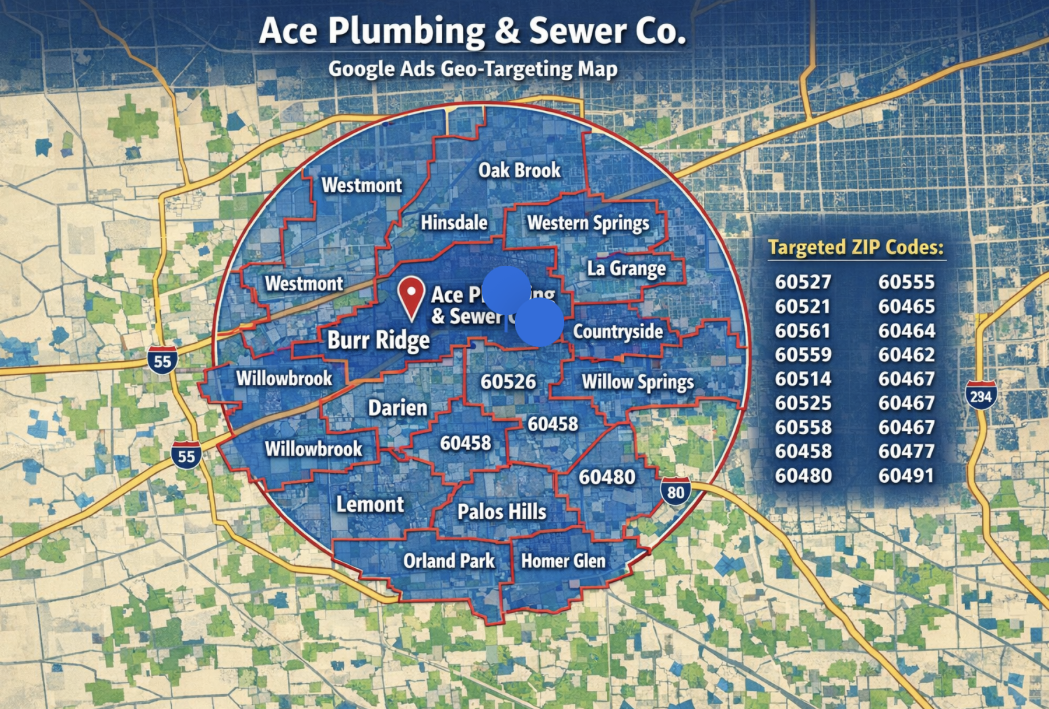
We at Ace Plumbing & Sewer help homeowners in Burr Ridge, Hinsdale, and nearby areas identify and fix these issues before they worsen. This guide walks you through the warning signs, repair methods, and why calling a licensed professional matters.
Warning Signs That Shouldn’t Be Ignored
Multiple Drains Backing Up Throughout Your Home
Multiple drains backing up throughout your home signals a cracked sewer line. When water moves slowly from your toilet, shower, and sinks all at once, the problem isn’t localized to one fixture-it’s your main line. A single slow drain might indicate a simple clog, but widespread backups point to a structural failure deeper in the system. If you notice this pattern, a video camera inspection will pinpoint exactly where the crack is located and how severe the damage has become.
Unusually Lush Patches and Foul Odors
Your yard reveals what’s happening underground. An unusually lush or soggy patch of grass, especially near your sewer line’s path, signals that raw sewage is leaking into the soil. This creates an unintended fertilizer effect that makes vegetation greener and healthier in that specific spot. Beyond the aesthetic oddity, contaminated water seeps into your property and potentially affects groundwater. Foul odors emanating from your drains or yard are equally telling-a rotten-egg smell indicates hydrogen sulfide gas escaping from cracks in your line. If neighbors in Hinsdale, Clarendon Hills, Darien, or Bridgeview report similar issues, the problem might extend beyond your property. However, if the smell stays isolated to your home, the crack almost certainly sits on your private line.
Why Speed Matters
These three warning signs-backups, lush patches, and odors-rarely appear in isolation. When you spot one, the others typically follow within weeks. Acting fast prevents catastrophic damage.

The longer a cracked pipe leaks, the more structural damage spreads, and repair costs climb exponentially. What starts as a $5,000 repair can balloon to $25,000 or more if the crack expands and affects multiple sections of your line.
Traditional sewer-line repair costs roughly $50 to $250 per linear foot. A 50-foot section could run $2,500 to $12,500 depending on depth and soil conditions. Trenchless sewer line repair methods avoid digging under your driveway or foundation, and in some cases the initial cost is similar, but the savings from reduced restoration work make it more cost-effective overall. A professional inspection reveals what you’re facing and which repair method makes financial sense for your situation in Burr Ridge, Westmont, or surrounding areas.
Fixing a Cracked Sewer Pipe: Which Method Works Best
Homeowners in Burr Ridge, Clarendon Hills, Hinsdale, and Westmont face three main repair approaches, each with distinct tradeoffs. The method you choose depends on damage severity, pipe location, and your budget for both repair and yard restoration. A camera inspection reveals exactly what you’re dealing with, and that information guides the decision.
Trenchless Pipe Bursting Replaces Your Line in One Day
Trenchless pipe bursting replaces your old line with a new HDPE pipe by pulling it through the existing path, often completing the work in a single day. This method costs $150 to $190 per linear foot, which means a 50-foot section runs $7,500 to $9,500 depending on depth and complexity. The real advantage emerges when you total the final bill: traditional excavation costs $30 to $70 per cubic foot for digging alone, and restoration expenses frequently double or triple the initial repair price. Pipe bursting eliminates most of that. However, if your pipe sits under a structure or has severe bends, bursting may not work, and your plumber will recommend the traditional method instead.
Pipe Lining Seals Cracks Without Full Replacement
Trenchless pipe lining, also called CIPP cured-in-place pipe, seals cracks without replacing the entire line. A resin-saturated liner gets inserted into the damaged pipe, cured in place, and creates a seamless interior surface that extends pipe life by 50 to 60 years in residential applications. This approach works best for minor cracks and costs less than bursting, but it doesn’t remove the old pipe, so it’s unsuitable for severe structural collapse.
Hydro Jetting Clears Debris Before Repair Work Begins
Hydro jetting uses high-pressure water to blast away debris, tree roots, and buildup before repair work starts. It’s not a standalone fix for cracks, but rather a preparatory step that clears the line so your plumber can assess damage accurately and ensure the repair method chosen will actually work long-term. A licensed plumber in Bridgeview, Hodgkins, or nearby areas will perform a camera inspection first, identify which sections are cracked versus clogged, and recommend hydro jetting only if it serves a purpose.

Skipping this step wastes money and delays repairs.
Trenchless Methods Outperform Traditional Excavation for Most Homeowners
Trenchless methods outperform traditional excavation for most homeowners because they preserve your property and avoid the hidden costs that inflate final bills. Unless your pipe is easily accessible and already exposed, trenchless saves money and hassle. Get multiple quotes that itemize repair costs separately from restoration costs, so you understand what you’re actually paying for. Once you’ve selected your repair method, the next critical step involves working with a licensed professional who can execute the work properly and stand behind the results.
When to Call a Licensed Plumber
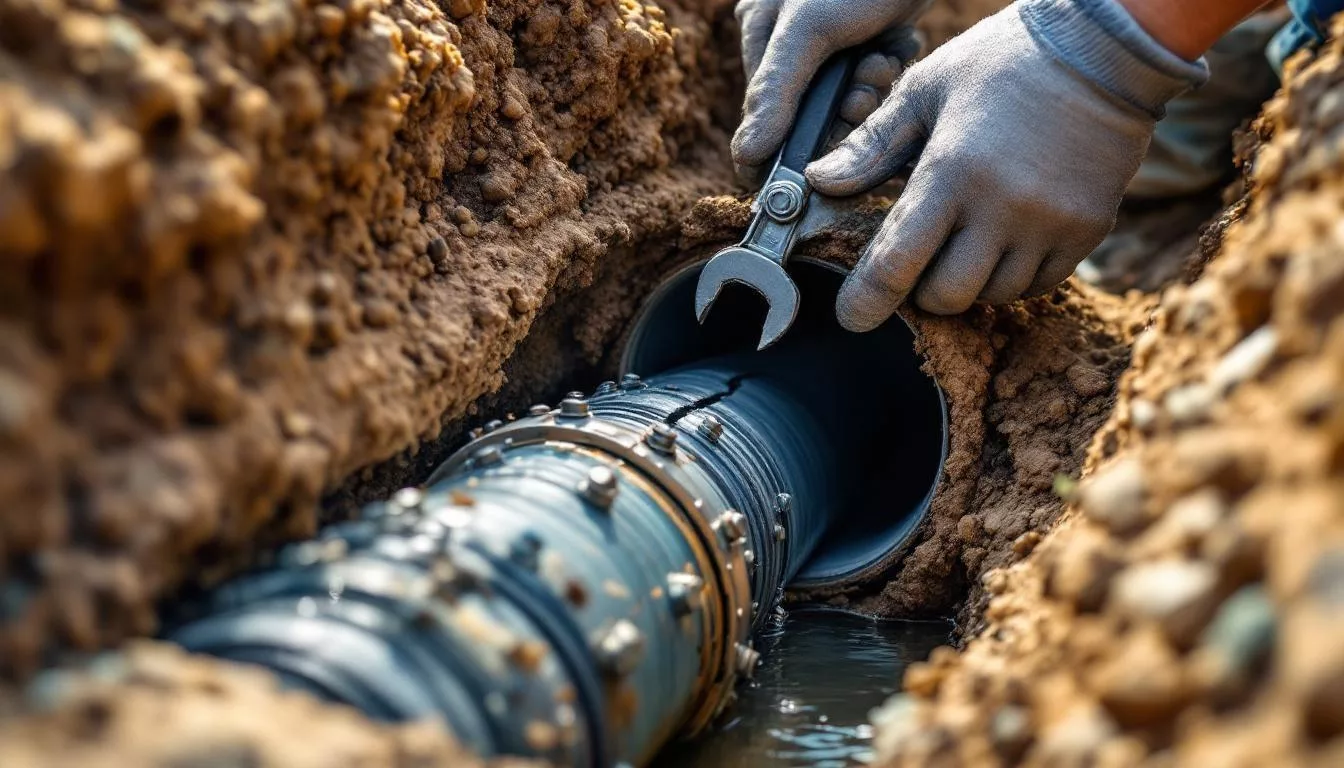
A video camera inspection reveals everything about your sewer line’s condition. Your plumber threads a small camera through your sewer line and records exactly where cracks exist, how severe they are, and what caused the damage. The average cost ranges from $270 to $1,731, with most homeowners paying around $1,000. Without it, contractors quote blindly, often overestimating costs or recommending unnecessary full replacements. The camera shows whether you need bursting, lining, or traditional excavation. It identifies tree roots, debris buildup, and joint failures.
In Hodgkins, Clarendon Hills, and surrounding areas where clay and cast iron pipes dominate older homes, a camera inspection catches corrosion before it spreads. Once the inspection is complete, you have concrete evidence of what needs fixing and exactly where. A licensed plumber interprets this footage and explains your options clearly. Without this visual record, you’re making a five-figure decision based on surface symptoms alone.
Repair Costs Depend on Pipe Length, Depth, and Method
Traditional excavation and replacement runs $50 to $250 per linear foot, according to industry data from This Old House. A 50-foot damaged section costs $2,500 to $12,500 depending on soil type, depth, and restoration needs. Trenchless pipe bursting ranges from $60 to $200 per foot, with average costs between $6,000 to $12,000 for most repairs. Pipe lining costs $150 to $200 per linear foot but only works for minor cracks.
The critical insight: traditional repair estimates rarely include restoration costs for your driveway, landscaping, or foundation access work. Excavation adds $30 to $70 per cubic foot for digging alone. A 50-foot section at eight feet deep can generate $12,000 to $28,000 in digging costs before any pipe work begins. Homeowners in Westmont, Bridgeview, and Hinsdale often receive low initial quotes that balloon once contractors encounter hard soil, rock, or utilities.
Request itemized estimates that separate repair costs from digging and restoration. Compare two or three qualified contractors. A reputable plumber provides a detailed breakdown and explains why their method costs more or less than alternatives.
Get Written Estimates and Ask About Warranties
Never accept a verbal quote. Demand a written estimate that specifies pipe diameter, length of repair, depth, method used, timeline, and total cost. Ask whether the estimate includes video inspection, permits, and restoration. Confirm what happens if the plumber encounters unexpected conditions like abandoned utilities or unexpected soil composition (tree roots, for example, can complicate timelines significantly).

Request a warranty in writing-legitimate contractors back their work for 5 to 10 years on trenchless methods and 10 years on traditional repairs. In Darien, Willow Springs, and nearby suburbs, homeowners deserve clarity before work starts. A contractor who hesitates to provide written details or warranty information is a red flag. Once you’ve selected your method and plumber, confirm the start date, expected completion, and what happens if weather delays the work.
Final Thoughts
A cracked sewer pipe demands immediate action, and waiting costs money while risking serious damage to your home’s foundation and surrounding property. The warning signs are clear: multiple drains back up, unusually lush yard patches appear, and foul odors point to the same problem. Once you identify these symptoms, schedule a video camera inspection with a licensed professional who can see exactly what you’re dealing with.
The repair method you choose depends on damage severity, pipe location, and your budget for both repair and restoration. Trenchless pipe bursting offers speed and minimal disruption, completing most jobs in a single day while preserving your driveway and landscaping, whereas pipe lining works well for minor cracks and costs less upfront. Traditional excavation remains necessary for severe structural damage but typically costs more when you factor in restoration expenses. Request itemized quotes that separate repair work from digging and restoration, ask about warranties, and confirm what happens if contractors encounter unexpected conditions like tree roots or abandoned utilities.
We at Ace Plumbing & Sewer help homeowners throughout Burr Ridge, Clarendon Hills, Westmont, Bridgeview, and surrounding areas with cracked sewer pipe repair that lasts. Call us today at (708) 204-8602 to schedule your plumbing inspection and receive a detailed estimate for your repair.
Proudly serving Burr Ridge and Southwest Chicago
Request a free quote
Tell us what’s going on and we’ll get right back to you. Need help now? Call and a real plumber answers 24/7.