
How to Install a Sump Pump Exterior Drain System
Trusted by homeowners across Burr Ridge and Chicago, IL
Basement flooding costs homeowners an average of $27,000 in repairs, and a sump pump exterior drain system is your best defense against water damage. We at Ace Plumbing & Sewer know that proper drainage installation makes the difference between a dry basement and a costly disaster.
This guide walks you through everything you need to know about installing a sump pump exterior drain system, from choosing the right location to maintaining it for years to come.
How Sump Pumps and Exterior Drains Work Together
A sump pump exterior drain system removes groundwater before it reaches your basement walls. The system works in two stages: exterior drainage lines collect water from around your foundation, channeling it toward a sump pit, and the pump then ejects that water far from your home. Without this dual approach, water pools against your foundation, creating hydrostatic pressure that forces moisture through cracks and seams. The National Flood Insurance Program reports that 98% of basements will experience some water intrusion without proper drainage, making this system essential for any homeowner in areas like Hodgkins, Clarendon Hills, and Bridgeview where water tables fluctuate seasonally.

Why exterior drainage matters more than you think
Most homeowners focus only on the sump pump and ignore the exterior component-a critical mistake. Exterior French drains or perimeter trenches intercept water before it ever reaches your foundation, reducing the workload on your pump and extending its lifespan significantly. According to Schaumburg’s drainage guidelines, perforated drain tile trenches must be at least 18 inches deep and 16 inches wide for a 4-inch pipe, sloped at a minimum of 1% to move water downhill naturally. This design prevents water from sitting against your foundation wall, which is where real damage occurs. Without proper exterior drainage, your sump pump runs constantly during heavy rain, burning out faster and costing you hundreds in premature replacement.
The real cost of failed drainage
Wet basements can involve repair costs ranging from $250–$800 for simple cracks to $2,000–$8,000 for more significant foundation issues, with severe cases running even higher. When water isn’t diverted away from your foundation, it infiltrates through cracks, causes mold growth, and weakens your home’s structural integrity. Tree and shrub roots infiltrate drainage systems that aren’t properly maintained, clogging pipes and rendering them useless. Discharge lines that are too long or poorly designed reduce pump performance due to head pressure, meaning water backs up instead of flowing away.
What separates working systems from failing ones
A properly installed exterior drain system moves water away from your foundation before your sump pump ever activates. The exterior component (typically a French drain trench) handles the heavy lifting by intercepting groundwater at the source. Your sump pump then handles any water that still reaches the pit, providing a reliable backup. Many homeowners discover their basement stays wet even when their pump runs constantly-usually because water never left their yard in the first place. Understanding this two-stage approach helps you recognize whether your drainage problem stems from poor exterior design or an undersized pump. With the right configuration in place, you’re ready to move forward with the actual installation process.
Installing Your Sump Pump and Drainage Setup
Locate Your Sump Pit in the Right Spot
Walk your property during or right after heavy rain to observe where water pools or flows. This observation reveals your natural drainage patterns and tells you exactly where to position your sump pit. The pit should sit at the lowest point inside your basement perimeter, ideally in a corner away from living spaces. Schaumburg’s drainage code requires your sump pit to be deeper than any surrounding trenches so water naturally flows downhill into it rather than pooling in your yard. Measure your basement carefully-a 957-square-foot basement, for example, might require a different pit size than a smaller space.
Position the discharge line to exit at least 10 feet from your foundation, with a minimum downward slope of 1/4 inch per foot to maintain proper drainage efficiency. Towns like Hodgkins, La Grange, and Western Springs experience seasonal water table fluctuations, so account for your local groundwater depth when deciding pit placement.
Collect the Right Materials and Tools
Schedule 40 PVC pipe in 4-inch diameter works best for your main discharge line-this material resists corrosion and connects easily with a screwdriver. You’ll need a sump pump (homeowners often choose Zoeller or similar brands rated for your pit size), a sump crock or basin, perforated drain tile for your exterior trench, geotechnical fabric to wrap around the pipe, and large gravel rather than pea gravel to prevent stone chips from entering your pump. Skip pea gravel entirely; it clogs systems and defeats your drainage purpose. Quickcrete stabilizes components during installation, and a shovel handles most of the physical work-the system is streamlined specifically for homeowner installation.
Install the Basin and Connect Discharge Piping
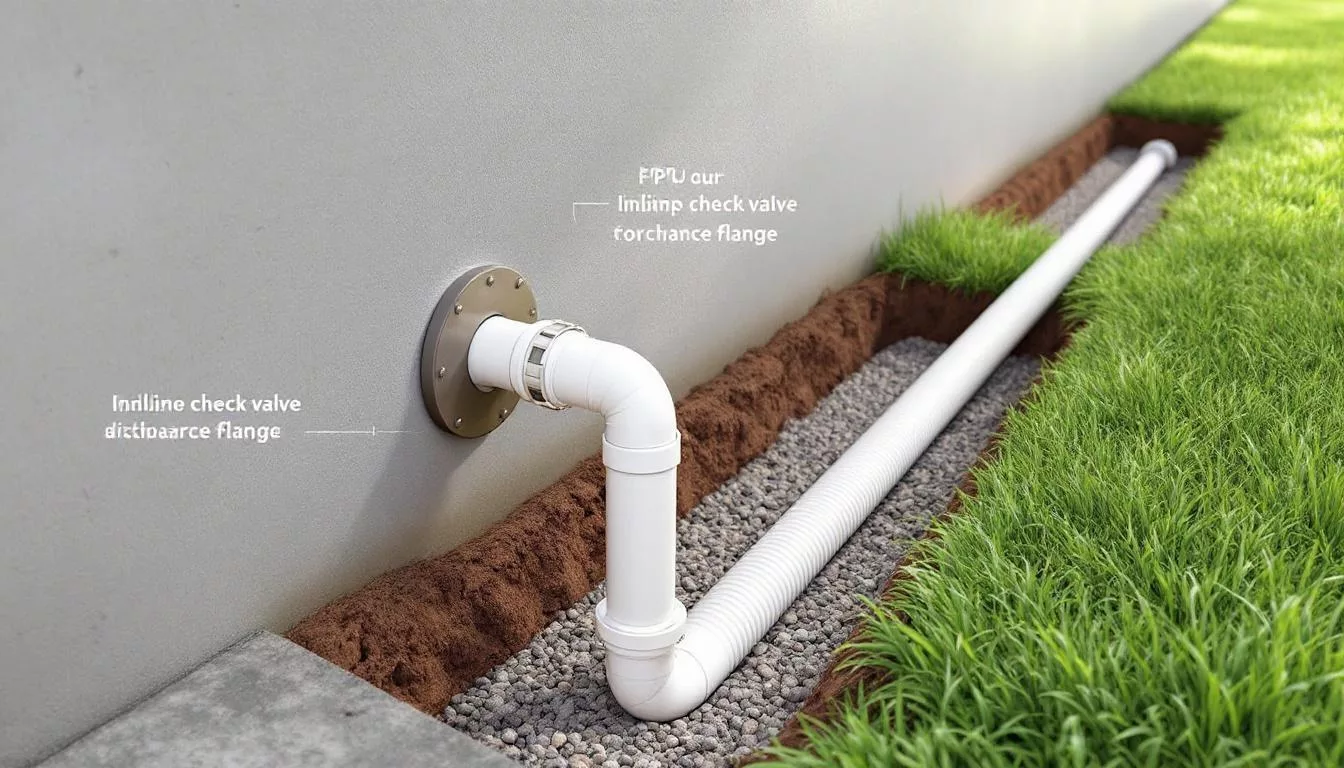
Dig a pit wide enough for your corrugated pipe to fit alongside the pump casing. Once the basin sits level, connect your 4-inch discharge pipe to the pump outlet using a simple threaded connection-no reducer needed since sump discharge typically measures 1.5 inches. Run this discharge line across your yard at ground level or slightly buried, keeping it as short as possible to maintain pressure. If downspouts feed into your system, install an inline distribution box to catch roof debris like shingles and leaves before they reach your pump, preventing clogs that would force water back into your basement.
Lay Your Exterior Drain Trench
Lay your perforated drain tile in an 18-inch-deep, 16-inch-wide trench at a minimum 1% slope around your foundation perimeter, starting on a 2-inch bed of washed gravel. Wrap the drain tile in geotechnical fabric and backfill with CA-7 gravel for the top 4 inches, then add topsoil and seed.

This exterior work is where most homeowners succeed with DIY installation using just a shovel and basic tools. Connect your exterior trench to the sump pit so water flows naturally from your yard into the pit, where the pump then ejects it far from your home.
The Two-Stage System That Works
This two-stage approach keeps your foundation dry by stopping water before it ever reaches your basement walls. Your exterior drainage intercepts groundwater at the source, while your sump pump handles any water that still reaches the pit. With both components working together, you’re ready to learn how regular maintenance keeps your system running smoothly for years to come.
Maintenance and Troubleshooting Tips
Test Your Pump Every Three to Four Months
Your sump pump and exterior drain system need attention roughly every three to four months, or more frequently if you live in areas like Hodgkins, La Grange, or Western Springs where water tables shift seasonally. Pour a bucket of water into the pit to confirm the pump activates and shuts off automatically once the water level drops. If the pump runs continuously or fails to activate, the float mechanism is stuck and needs cleaning or replacement. Inspect the discharge line for kinks or damage that could restrict water flow, and verify that water actually exits at the discharge point during a test run.
Identify the Three Most Common Failures
Debris entering the pump and jamming the impeller, discharge lines freezing or clogging in cold months, and float switches becoming encrusted with mineral buildup cause most system failures. Many homeowners discover their pump works fine but water still backs up because the discharge line became blocked or the outdoor termination froze solid during winter.

Address debris issues immediately by installing or upgrading your inline filter if downspouts feed into the system, and never use pea gravel in your sump pit as it inevitably enters the pump and causes failure.
Clean Your Pit and Filter Box Regularly
Clean your sump pit annually by removing debris, sediment, and gravel that accumulate at the bottom-this sludge reduces water intake capacity and forces your pump to work harder. If you installed an inline distribution box to catch roof debris, empty it every six months and after major storms. Mineral buildup on float switches responds to gentle cleaning with a soft brush; remove the switch, soak it briefly, scrub away crusty deposits, and reinstall.
Prevent Winter Discharge Line Failures
For frozen discharge lines in areas with harsh winters, bury the line deeper than the frost line or insulate it with foam pipe wrap-a $20 preventative measure beats a $500 pump replacement. Water that doesn’t exit your discharge point backs up into your pit and eventually into your basement, so winter protection matters more than most homeowners realize.
Know When to Call a Professional
If your pump cycles on and off rapidly without raising the water level, you likely have a check valve failure preventing water from staying discharged, which requires professional replacement. When water reappears in your basement despite a running pump, the problem almost always traces to failed exterior drainage rather than pump failure-this means your French drain trench is clogged, sloped incorrectly, or wasn’t dug deep enough to intercept groundwater at the source. Call a plumber immediately if you notice water pooling despite an active system, as continued water pressure against your foundation causes structural damage costing thousands to repair.
Final Thoughts
A properly installed sump pump exterior drain system protects your home from the $27,000 average cost of basement water damage. When your exterior drainage intercepts groundwater before it reaches your foundation and your pump handles any water that still enters the pit, you’ve built a defense that keeps your basement dry for decades. Homeowners in Hodgkins, La Grange, Western Springs, and nearby areas who invest in both components together see dramatically fewer water problems than those who rely on the pump alone.
Mistakes in trench depth, slope, or discharge line placement undermine the entire system and cost far more to fix later than to install correctly from the start. A trench that’s too shallow won’t intercept groundwater at the source, and a discharge line that’s too long loses pressure and fails to move water far enough from your foundation. These errors remain hidden until water appears in your basement months or years later, when structural damage compounds your repair costs significantly.
We at Ace Plumbing & Sewer handle the site assessment, material selection, proper installation, and code compliance for your sump pump exterior drain system throughout the western Chicago suburbs. Contact our team today for a site visit and quote, and we’ll deliver fast, professional solutions with upfront pricing and no surprises.
Proudly serving Burr Ridge and Southwest Chicago

Request a free quote
Tell us what’s going on and we’ll get right back to you. Need help now? Call and a real plumber answers 24/7.