How to Connect Your Septic Tank and Sump Pump System
Trusted by homeowners across Burr Ridge and Chicago, IL
Homeowners in Burr Ridge and surrounding areas like Hinsdale often face unique challenges when integrating their septic tank and sump pump systems. Poor connections can lead to costly flooding and system failures.
We at Ace Plumbing & Sewer have helped hundreds of Western Suburbs residents properly connect these critical systems. This guide walks you through the complete process, from initial assessment to ongoing maintenance.
What Happens When These Systems Work Together
Septic System Components in Western Suburbs Homes
Septic tanks in Burr Ridge homes function as biological treatment systems with three main chambers: the inlet where waste enters, the treatment zone where bacteria break down solids, and the outlet that leads to the drain field. The National Association of Home Builders reports that properly sized septic systems handle 20 to 30 years of household waste when matched correctly to a home’s occupancy. Most Western Suburbs properties use conventional gravity-fed systems, though homes in Darien and Willowbrook with high water tables often require pump-assisted designs.

How Sump Pumps Operate During Peak Demand
Sump pumps remove groundwater from basement areas and typically move 2,500 gallons per hour during heavy rainfall events common in our region. These systems activate automatically when water levels rise in collection pits (usually located at the lowest point of basement floors). The float switch detects rising water levels and triggers pump activation, ensuring your basement stays dry during spring thaws and summer storms that create the highest demand periods throughout Hinsdale and Clarendon Hills neighborhoods.
Why Direct Connections Create Problems
The Environmental Protection Agency strongly advises against direct sump pump discharge connections to septic systems because excess water volume disrupts the bacterial treatment process. When groundwater floods the septic tank, it dilutes necessary bacteria and forces untreated waste into the drain field prematurely. This disruption can cause system failures that cost homeowners thousands in repairs and replacement expenses.
Local Soil Conditions That Complicate Integration
Clay soil conditions throughout Countryside and Western Springs create drainage issues that affect both systems significantly. These dense soils slow water absorption rates and increase surface water accumulation during storm events. Properties with poor soil percolation face higher risks of system overload when sump discharge overwhelms septic capacity, which often results in backups into homes during severe weather periods.
Professional assessment becomes necessary to identify proper discharge routes that protect septic investments while maintaining effective basement water management for your specific property conditions.
How Do You Properly Connect These Systems
Permit Requirements and Professional Assessment
Most municipalities in Hinsdale and Clarendon Hills require permits before you connect septic and sump pump systems. The National Fire Protection Association mandates electrical permits for any wastewater-related installations, and local health departments typically require septic modification permits. Professional plumber assessment costs range from $200 to $500 but prevents thousands in future repairs. Soil percolation tests become necessary before any connection work begins, especially in Countryside where clay soil creates drainage complications. Properties with high water tables need additional engineering studies to determine proper discharge routes that protect both systems from overload conditions.
Safe Piping and Electrical Installation
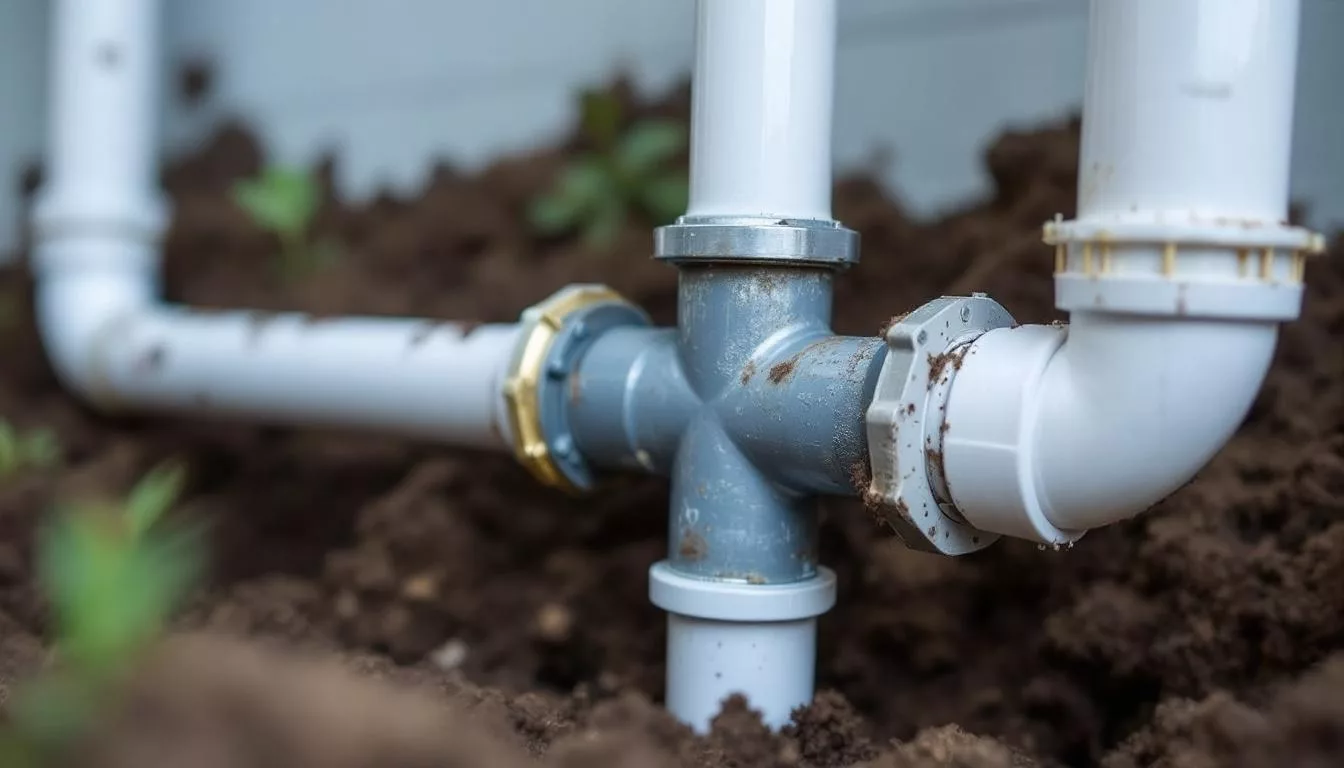
Proper installation requires you maintain adequate distance between sump pump discharge points and septic tank locations to prevent contamination. Discharge piping must slope away from the home at minimum 2% grade to maintain proper flow rates during peak demand periods. The Environmental Protection Agency requires GFCI-protected electrical circuits for all pump installations, with dedicated 20-amp circuits recommended for submersible pumps.

Check valves prevent backflow during system cycles, while battery backup systems protect against power outages common during severe weather in Western Springs and Darien. Professional plumbing contractors use primer and specialized adhesives for watertight connections that withstand ground movement and temperature changes throughout our region.
System Testing and Commissioning
System commissioning involves tests of all electrical connections under load conditions and verification of proper pump activation at designated water levels. Float switch calibration requires precise adjustment to prevent short cycles that reduce pump lifespan and increase maintenance costs. Professional tests include discharge rate verification with systems typically pumping 800 to 2,000 gallons per hour. Air vent installation at 45-degree angles optimizes system efficiency and prevents vacuum conditions that cause pump failure. Final commissioning includes septic system flow tests to confirm the connection maintains proper bacterial treatment processes without disruption from excess groundwater volumes.
Once your system operates correctly, regular maintenance becomes the key factor that determines long-term performance and prevents costly emergency repairs.
How Often Should You Service Connected Systems
Monthly Visual Inspections Prevent Major Failures
Check both systems monthly to catch problems before they become expensive repairs. Inspect your sump pump pit for debris accumulation and test the float switch by pouring water into the pit until the pump activates. The pump should start within 2-3 seconds and discharge water smoothly through the outlet pipe.
Examine your septic system for surface water around the drain field area, which indicates overload conditions common in Hinsdale and Clarendon Hills properties with clay soil. Look for unusual odors near the septic tank location and listen for gurgling sounds from household drains that signal potential backups.
Critical Warning Signs That Demand Immediate Action
Slow drains throughout your home indicate septic system stress, especially when combined with sump pump activity during wet periods. Septic systems require proper maintenance to prevent failures from excess water infiltration. Sump pump short cycles (running every few minutes) signal either a failing check valve or undersized pit capacity.
Sewage odors in your basement during pump operation mean contaminated discharge lines that require professional intervention. Standing water in your yard after pump cycles indicates improper discharge routing that threatens both systems. These symptoms cost Western Springs and Countryside homeowners thousands when ignored.
Professional Service Requirements for Peak Performance
Schedule professional septic pumping every 3-5 years based on household size, with larger families in Darien requiring more frequent service. Annual sump pump maintenance includes motor inspection, discharge line cleaning, and battery backup testing for homes with backup systems.
Professional hydro jetting services clear accumulated debris from discharge lines that reduce pump efficiency over time. Licensed technicians should inspect electrical connections annually, as electrical problems such as loose connections and damaged wiring can cause system failures. Winter preparations require special attention in our region, with discharge line insulation preventing freeze damage that causes system failures during spring thaw periods.

Final Thoughts
Proper septic tank and sump pump connections protect your Burr Ridge home from floods while they maintain effective waste treatment. Professional installation prevents bacterial disruption and system overload that occurs when excess groundwater overwhelms septic capacity. The 20 to 30-year lifespan of properly maintained septic systems depends on correct connections that preserve treatment processes while they manage basement water effectively.
Monthly inspections and annual professional service prevent thousands in repair costs that result from neglected systems in our clay soil conditions. These maintenance schedules keep both systems at peak efficiency and catch problems before they become expensive emergencies. Homeowners throughout Hinsdale and Western Springs who attempt shortcuts or DIY installations face costly repairs that proper integration avoids.
We at Ace Plumbing & Sewer have served Western Suburbs families with licensed, bonded, and insured septic and sump pump services. Our team understands the unique challenges that properties in Darien, Countryside, and Clarendon Hills face (especially with high water tables and clay soil conditions). Contact us today for expert assessment and professional installation that protects your investment for decades.
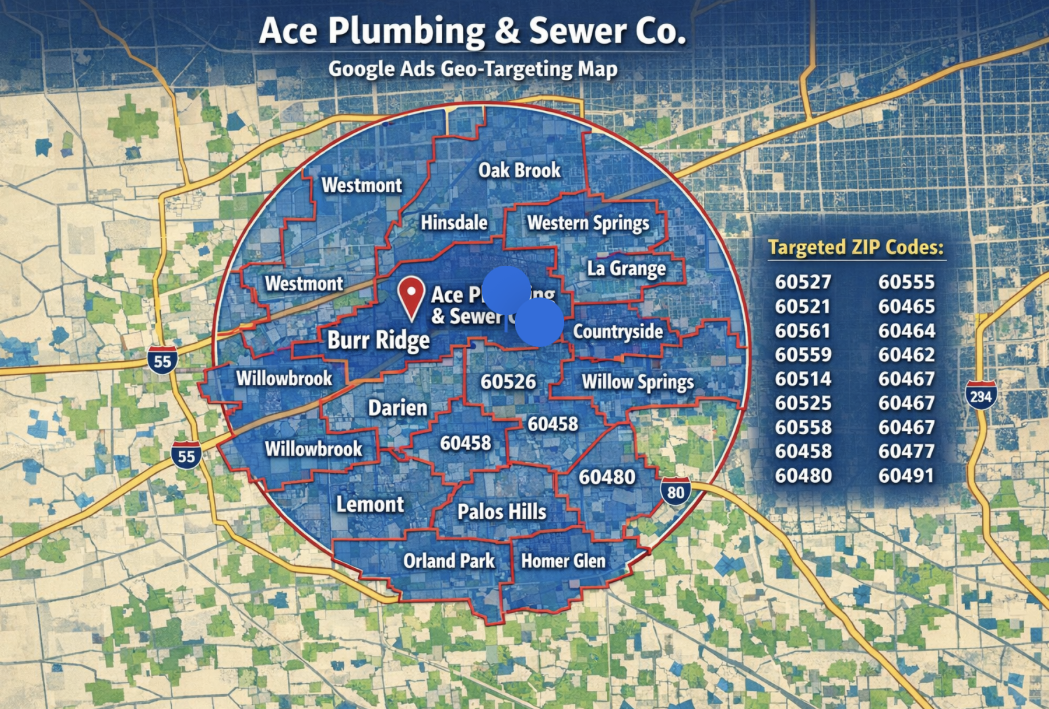
Proudly serving Burr Ridge and Southwest Chicago
Request a free quote
Tell us what’s going on and we’ll get right back to you. Need help now? Call and a real plumber answers 24/7.