How to Choose the Right Sump Pump System for Your Home
Trusted by homeowners across Burr Ridge and Chicago, IL
Basement flooding affects 60% of American homes, making proper water management systems essential for protecting your property and belongings.
We at Ace Plumbing & Sewer help homeowners throughout Burr Ridge, Hinsdale, Western Springs, and surrounding communities select the right sump pump system for their specific needs. The wrong choice can lead to costly water damage and failed protection when you need it most.
Which Sump Pump System Works Best for Your Home
Primary and Backup System Combinations
Your primary sump pump handles daily water removal, but a single pump creates serious risk during power outages or mechanical failure. The American Society of Home Inspectors reports that 60% of basements experience water damage, often because homeowners depend solely on their primary system.

Smart homeowners install both primary and backup systems from day one to avoid costly flooding disasters.
The UltraSump 4 Battery Backup System pumps up to 12,000 gallons on a single charge, which provides extended protection when storms knock out power. Combination systems like the TripleSafe offer integrated solutions with multiple pumps in one basin. These systems deliver maximum protection while often costing less than separate purchases.
Submersible Versus Pedestal Pump Performance
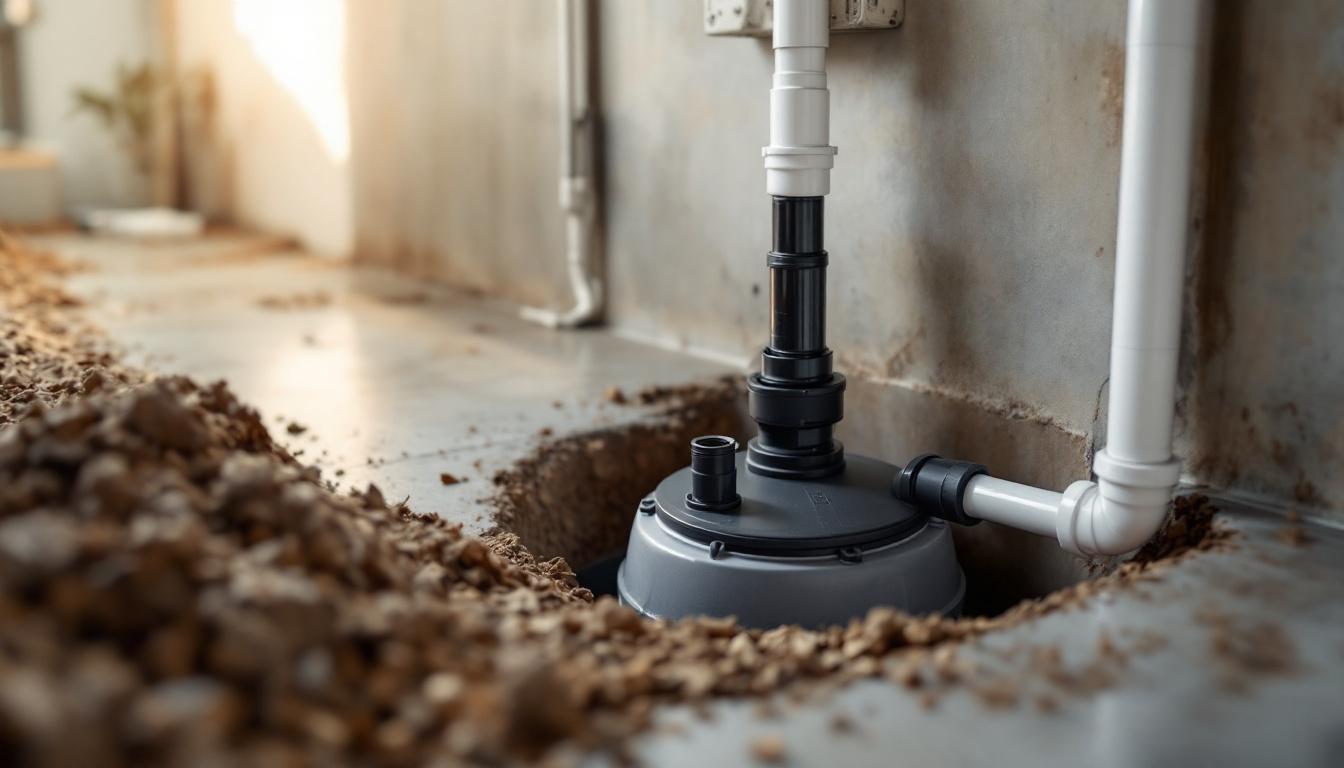
Submersible pumps operate underwater and outperform pedestal models in residential applications across Burr Ridge, Hinsdale, and Western Springs. These units run quieter, last longer, and pose no safety risks to children since the motor stays submerged. Pedestal pumps cost less upfront but create noise problems and expose electrical components above water level.
Most submersible models handle 6,000 gallons per hour with ¾ HP ratings sufficient for standard homes. Choose pumps with thermoplastic or cast iron housing for maximum durability. Electronic float switches work more reliably than mechanical versions, take up less space in your sump pit, and provide consistent operation.
Battery and Water-Powered Backup Options
Battery backup systems provide the most reliable secondary protection during power failures. Modern lithium batteries last 3-5 years and maintain charge better than older lead-acid models. Water-powered backup pumps use municipal water pressure to operate without electricity, but they increase your water bill and may violate local codes in some western Chicago suburbs.
Battery systems with WiFi monitoring alert you via text or email when water levels rise (giving you time to respond before flooding occurs). Install backup pumps with separate discharge lines to prevent single-point failures that could compromise your entire flood protection system. Once you understand these system options, proper sizing becomes the next critical step to protect your home effectively.
How Much Pumping Power Does Your Home Need
Water Volume Requirements and Pump Capacity
Your sump pump must handle peak water flow during heavy storms, not average conditions. For most average-sized homes in Burr Ridge, Darien, and Western Springs, a 1/3 HP pump should be sufficient. However, homes with high water tables or clay soil need ¾ HP to 1 HP pumps that deliver 20-25% more capacity.
Measure the vertical lift from your sump pit bottom to where the discharge pipe exits your home (typically 7-10 feet for basement installations). Add horizontal distance from the pit center to the outdoor discharge point, since every 10 feet of horizontal run equals 1 foot of vertical lift due to friction loss.

Basement Layout and Discharge Setup
Your sump pit needs 18 inches width and 24 inches depth minimum for proper pump operation. Electronic float switches require less space than mechanical versions and prevent the stuck-float failures that cause 40% of pump breakdowns during storms. Route your discharge pipe at least 10 feet from your foundation to prevent water from cycling back toward your home.
Install a check valve in the discharge line to stop backflow when the pump shuts off. Homes in Hinsdale and Willowbrook with finished basements benefit from submersible pumps since they operate silently underwater, while pedestal pumps create noise issues that disturb living spaces.
Professional Installation Benefits
Professional installation costs $300-500 more than DIY but prevents the costly mistakes that lead to basement flooding. Licensed plumbers understand local building codes, proper electrical connections, and discharge requirements that vary between municipalities like Burr Ridge and Western Springs. They also test your system under actual operating conditions and set up monitoring alarms correctly.
DIY installations often fail because homeowners undersize pumps, skip backup systems, or create improper discharge slopes that cause water to pool near foundations. Once you select the right pump size and complete proper installation, regular maintenance becomes essential to keep your system running when storms hit.
How Often Should You Test Your Sump Pump
Monthly Tests Prevent Emergency Failures
Test your sump pump every month by pouring a bucket of water into the sump pit until the float switch activates. The pump should start immediately, remove water quickly, and shut off automatically when water levels drop. This simple test catches potential pump failures before they cause floods in homes throughout Burr Ridge, Darien, and Hinsdale. Replace float switches that stick or fail to activate, since mechanical float problems cause most pump breakdowns during storms.

Check your backup system monthly too, especially battery charge levels and alarm functions. Battery backup systems lose 20% capacity each year, so replace batteries every 3-4 years regardless of apparent condition. Clean debris from the sump pit quarterly and inspect discharge pipes for blockages, ice buildup, or damage that restricts water flow.
Warning Signs That Demand Immediate Action
Strange noises indicate bearing wear or motor problems that will cause complete failure within weeks. Pumps that cycle frequently without heavy rainfall show improper size or float switch malfunctions. Water stains around your sump pit mean previous overflow events that could repeat during the next storm.
Address these problems immediately rather than wait for convenient times. Pump repairs cost $200-400, while basement flood damage averages $3,000-7,000 according to insurance industry data. Replace pumps over 7 years old proactively, since older units fail when you need them most during severe weather events.
Winter Protection Prevents Freeze Damage
Frozen discharge lines can cause water to back up into the sump pit, creating winter sump pump failures in western Chicago suburbs like Western Springs and Willowbrook. Install discharge lines that slope continuously away from your home without low spots where water pools and freezes. Extend pipes at least 10 feet from your foundation with proper grade to prevent ice dams.
Never disconnect your sump pump during winter months (even if groundwater seems minimal). January thaws and ice melt create sudden water surges that overwhelm unprepared systems. Insulate exposed discharge pipes in unheated areas and consider heated discharge line options for homes with repeat freeze problems.
Final Thoughts
The right sump pump system protects your home from the 60% basement flood risk that affects American homeowners. Your choice determines whether you face thousands of dollars in water damage or maintain a dry basement during severe weather. Professional assessment removes the guesswork that causes undersized pumps and failed installations.
We at Ace Plumbing & Sewer evaluate specific home conditions in Burr Ridge, Hinsdale, Western Springs, and nearby communities to recommend optimal primary and backup combinations. Licensed technicians prevent the electrical and discharge issues that cause most pump failures when storms hit hardest. Expert installation costs more upfront but saves thousands in potential flood damage.
Quality sump pump systems provide decades of reliable protection with proper maintenance (monthly tests and seasonal preparation cost far less than cleanup). Smart homeowners choose professional-grade equipment over budget alternatives that fail during critical moments. Contact The Ace Plumber today for a professional assessment that protects your investment and provides storm-season peace of mind.
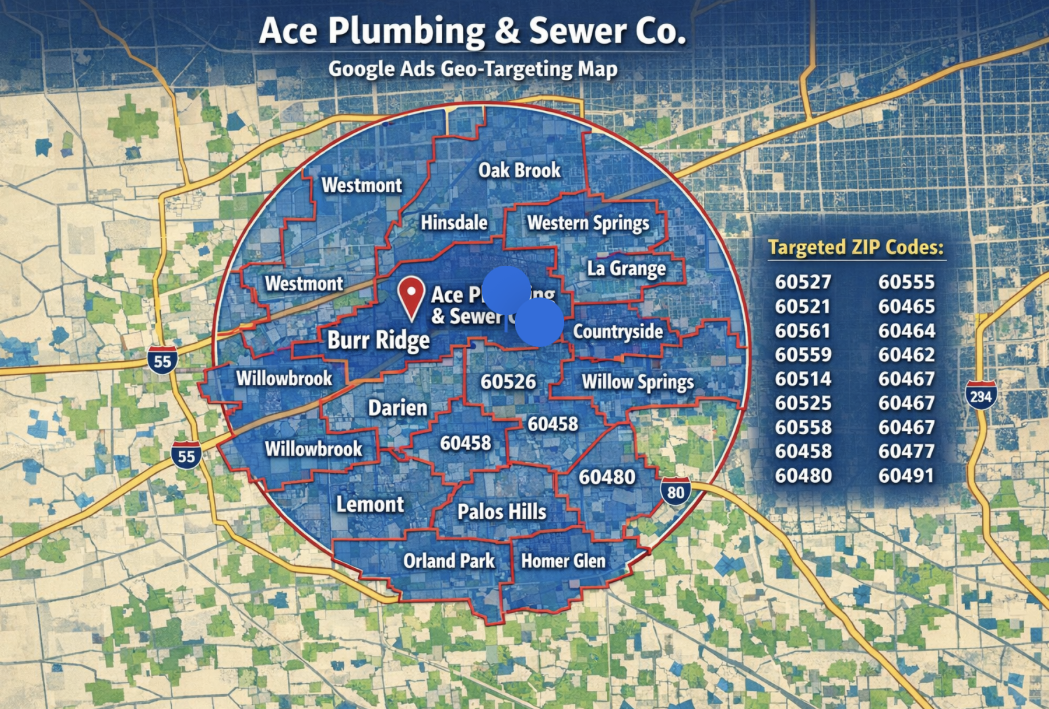
Proudly serving Burr Ridge and Southwest Chicago
Request a free quote
Tell us what’s going on and we’ll get right back to you. Need help now? Call and a real plumber answers 24/7.