How to Choose the Right Sewage Sump Pump for Your Home
Trusted by homeowners across Burr Ridge and Chicago, IL
A sewage sump pump is one of the most important investments you can make for your home’s foundation and basement health. Water damage costs American homeowners an average of $11,098 per incident, and a failing pump puts you at serious risk.
We at Ace Plumbing & Sewer help homeowners in Burr Ridge, Hinsdale, and nearby communities select and install the right system for their specific needs. This guide walks you through everything you need to know before making your purchase.
Understanding Sump Pump Types and Styles
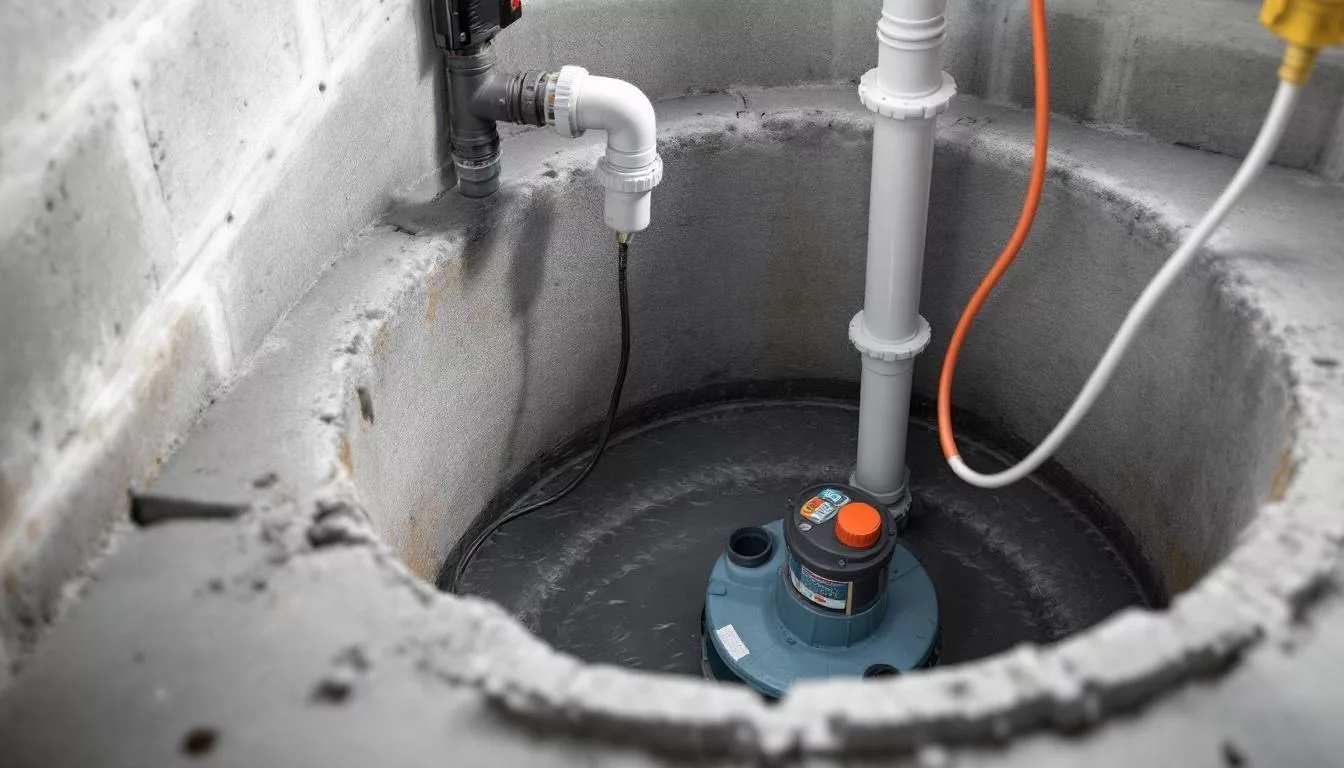
Submersible and pedestal pumps solve the same problem differently, and the choice hinges on what matters most to your basement. Submersible pumps sit underwater in the sump pit, taking up no visible floor space and running quietly because water muffles the motor noise. They pack more power, making them ideal for basements that flood frequently or during heavy storms. The trade-off is maintenance difficulty-if a submersible fails, you might not realize it until water starts pooling, potentially causing thousands in damage before you notice. Pedestal pumps stand on the floor with the motor above ground, making them far easier to inspect, test, and repair. They typically cost less to install and last longer because the motor never sits underwater, reducing wear and corrosion. However, pedestal pumps deliver roughly one-third the power of submersibles and require dedicated floor space, creating a tripping hazard and taking up valuable basement real estate. For finished basements or homes prone to severe flooding, submersible is the stronger choice. For unfinished basements with moderate water intrusion and a preference for easy maintenance, pedestal pumps work well.

Sizing Your System for Actual Water Inflow
Most residential homes need a pump rated between one-third and one-half horsepower, but your actual requirement depends on how much water enters during heavy rain. Assess your basement’s water inflow by observing how quickly it fills during a storm-if water rises several inches in an hour, you need higher flow capacity. Standard discharge piping measures 2 inches in diameter, which matches most residential systems. A one-half horsepower pump handles most basements adequately, but larger spaces or clay-heavy soil that retains water may justify upgrading to three-quarter horsepower. Always verify your electrical setup-virtually all residential pumps run on 120 volts and draw 8 to 10 amps, so confirm your home’s panel capacity and install a dedicated, GFCI-protected circuit.
Why Backup Power Matters During Storms
A backup pump is not optional if flooding would damage your home-it is insurance. Water-powered backup pumps operate using municipal water pressure and require no electricity, making them reliable during blackouts when storms threaten. Battery-powered backups store energy and activate automatically if the primary pump fails or power cuts. A quality battery-powered system runs the pump for several hours, sufficient for most outages. Install the backup on an independent discharge line so both pumps can work simultaneously without interfering. For homes in Hinsdale, Darien, or Willowbrook where severe storms are common, this redundancy prevents catastrophic water damage. The cost of a backup system-typically $1,000 to $2,000 installed-is far less than the average cost of water damage per incident. Test your backup monthly and replace the battery every three to five years to maintain readiness. Pump failures happen without warning, and that is precisely when you need a backup ready to go.
Moving Forward With Confidence
You now understand the core differences between pump types and the importance of backup protection. The next step involves evaluating your specific basement conditions-water volume, pit size, and local building codes-to narrow down which system fits your home and budget.
Assess Your Basement Before You Buy
Knowing your basement’s water behavior and physical constraints separates a smart purchase from an expensive mistake. Start by observing how water enters during heavy rain-does it seep slowly from the walls, pool near the foundation corners, or rush in through cracks? This pattern tells you whether you need a pump sized for steady seepage or rapid inflow.
Measure Water Inflow and Pit Dimensions
If water rises several inches per hour during storms, you need a half-horsepower pump minimum; if it rises slowly over several hours, a third-horsepower unit may suffice. Measure the exact dimensions of your sump pit or the space where you plan to install one-most residential pits measure 18 by 30 inches or 24 by 24 inches, and your pump must fit comfortably inside with room for the float switch to move freely. A pit that is too small restricts the pump’s operation and causes it to cycle more frequently, wearing out the motor faster.

Identify Drainage Patterns in Your Basement
Check your basement floor and walls for cracks, efflorescence (white mineral deposits), or standing water after rain to identify drainage patterns; these clues show where water concentrates and help you position the pit for maximum effectiveness. Water that pools in corners or near foundation cracks indicates localized seepage, while water spreading across the floor suggests hydrostatic pressure from surrounding soil. Position your pit where water naturally collects to minimize the distance the pump must move water and reduce strain on the system.
Verify Local Building Codes and Permits
Contact your local village or municipality before purchasing anything-building codes in Burr Ridge, Hinsdale, Darien, and surrounding areas often require permits for sump pump installation, and some jurisdictions mandate specific discharge locations, pit depths, or venting requirements. Violating local codes can result in fines, failed inspections, or forced reinstallation at your expense. Discharge piping must slope downward away from your foundation-typically to daylight or a storm drain-and cannot drain toward a neighbor’s property or into a septic system, depending on local rules.
Confirm Electrical and Discharge Requirements
Verify your electrical panel has a dedicated 120-volt GFCI-protected circuit within reach of your pit location, as code requires this safety measure. The cost of a permit is minimal compared to the cost of removing and reinstalling a non-compliant system, making this step non-negotiable before you finalize your purchase. A licensed professional familiar with your area’s regulations ensures your system passes inspection the first time and protects your home’s resale value.
With your basement conditions mapped out and local requirements confirmed, you now have the information needed to select a pump that matches your home’s actual demands and meets all regulatory standards.
Installation and Long-Term Pump Health
Professional installation makes the difference between a system that lasts ten years and one that fails in three. Hiring a licensed plumber handles the setup correctly, especially because mistakes during installation void warranties and create costly problems later. A proper installation includes mounting the pump on a stable, level base to minimize vibration, connecting a 2-inch discharge pipe with a check valve prevents backflow, and running the discharge line downhill away from your foundation with proper slope. The pump’s float switch must operate freely without obstruction, and if you have a backup system, it needs an independent discharge line so both pumps function simultaneously. Installation costs typically range from $500 to $1,500 depending on pit depth and accessibility, but this investment protects an asset worth thousands more than the cost of water damage. Many homeowners skip professional installation to save money, then spend far more replacing a pump that failed prematurely due to improper setup. Your electrical circuit requires GFCI protection on a dedicated line, and local code may demand specific venting or discharge locations that only an experienced plumber knows. A licensed professional familiar with Burr Ridge, Hinsdale, Darien, and surrounding municipalities ensures your system passes inspection and meets all local requirements on the first attempt.
Test Your Pump Monthly
Monthly testing keeps your pump working when you need it most, yet most homeowners ignore this simple task until water starts pooling. Test your primary pump by pouring water into the sump pit until the float rises and triggers the pump-it should activate smoothly and discharge water completely, then shut off. Listen for unusual grinding, squealing, or stuttering sounds that signal internal wear; if the pump runs but water level does not drop, the discharge line is likely blocked or the pump is failing.
Maintain Your System’s Components
Inspect the intake screen monthly for debris and clean it if clogged, since a restricted intake forces the pump to work harder and shortens its life. Replace your battery-powered backup system’s battery every three to five years regardless of whether it has been used-batteries degrade even in storage, and you discover a dead battery only during an actual outage. If the pump cycles excessively (running every few minutes), the check valve may be leaking and allowing water to drain back into the pit, forcing the pump to restart constantly.

Know When Replacement Is Overdue
Corrosion-resistant cast-iron housings last longer than plastic alternatives, but even quality pumps wear out after seven to ten years of regular use. When your pump runs constantly, fails to shut off, or produces no discharge despite running, replacement is overdue. Water damage from a failed pump costs far more than replacing the unit proactively, so plan to install a new pump before the old one dies rather than waiting for failure during a storm.
Final Thoughts
Selecting the right sewage sump pump comes down to matching your basement’s actual water behavior with a system that handles it reliably. Water damage costs homeowners an average of $11,098 per incident, and a well-chosen pump with professional installation stops that damage before it starts. You now understand the difference between submersible and pedestal pumps, why backup power protects your home during storms, and how proper sizing prevents premature failure.
The most important decision you make is hiring a licensed plumber who understands your local building codes and installs your system correctly. We at Ace Plumbing & Sewer have served homeowners in Burr Ridge, Hinsdale, Darien, and Willowbrook, handling everything from pit installation to backup system setup. Our team ensures your pump passes inspection, operates efficiently, and lasts for years without unexpected failure.
Monthly testing and routine maintenance extend your pump’s life and catch problems early, but professional installation is where reliability begins. Contact us today to schedule a site visit, receive a clear estimate, and protect your home with a sewage sump pump installation you can trust. Your basement’s health depends on having the right system in place before the next heavy storm arrives.
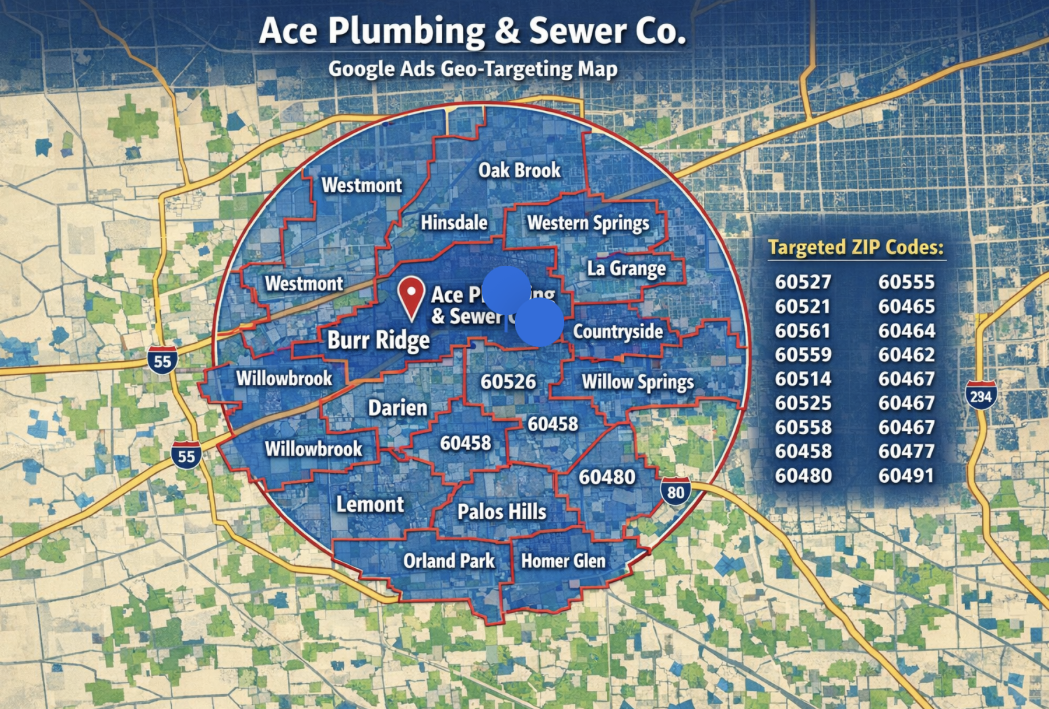
Proudly serving Burr Ridge and Southwest Chicago
Request a free quote
Tell us what’s going on and we’ll get right back to you. Need help now? Call and a real plumber answers 24/7.