How to Choose the Right Elevator Sump Pump
Trusted by homeowners across Burr Ridge and Chicago, IL
Elevator pits face constant water infiltration from groundwater, condensation, and building systems. Without proper drainage, this water can damage expensive elevator equipment and create safety hazards.
We at Ace Plumbing & Sewer help commercial property owners in Burr Ridge, Hinsdale, and Westmont select the right elevator sump pump for their specific needs. The wrong choice leads to costly repairs and potential liability issues.
What Pump Capacity Does Your Elevator Need?
Minimum Flow Rate Standards
The ASME A17.1 Safety Code mandates that elevator sump pumps remove a minimum of 3,000 gallons per hour (or 50 gallons per minute). This baseline applies to all elevator installations, but your actual needs depend on pit size, water table levels, and building design. Commercial properties in Downers Grove and Oak Brook face higher groundwater infiltration during spring months, which requires pumps with 4,000 to 6,000 gallons per hour capacity. Standard residential pumps that handle 1,500 gallons per hour fail catastrophically in elevator applications.

Code Compliance Across Western Suburbs
Local codes vary significantly between municipalities in our service area. Clarendon Hills requires oil separators for hydraulic elevators, while Westmont allows alarm systems as alternatives. La Grange mandates complete liquid discharge capabilities during emergencies. Professional assessment prevents costly code violations and project delays. Building codes establish minimum requirements to safeguard public health, safety and general welfare through structural standards.
Professional Assessment Requirements
Nearly 25,000 Oil Minder systems operate reliably in commercial buildings, which proves that proper specification prevents failures. Your elevator contractor cannot determine pump requirements alone – professional plumber expertise identifies pit dimensions, discharge routes, and electrical connections. Properties in Hickory Hills and Countryside need backup power systems due to frequent storm-related outages. Professional plumbing installation costs $50 to $100 more per job but eliminates callbacks and warranty claims from improper specification.
The next step involves selecting the right pump type and features that match your specific elevator pit configuration and operational requirements.
Which Pump Features Matter Most for Elevator Applications?
Submersible vs Pedestal Pump Selection
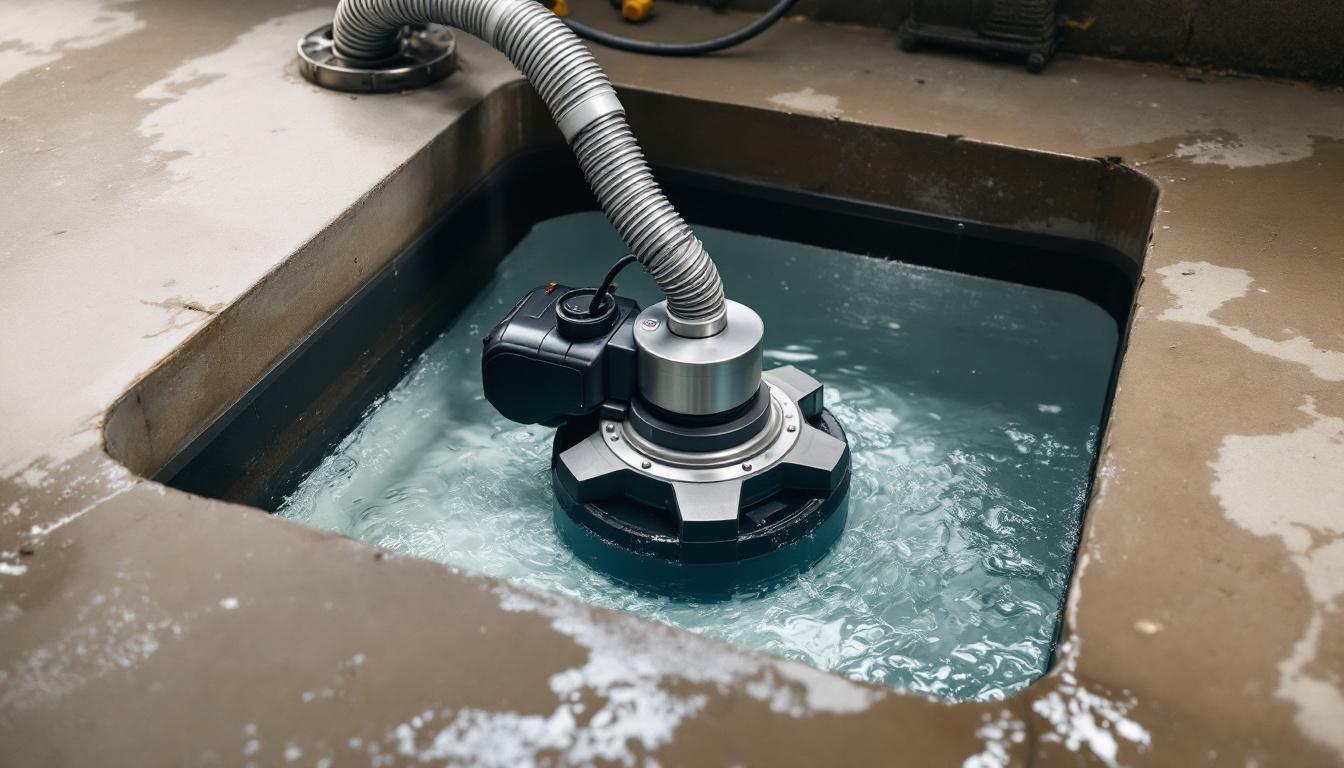
Submersible pumps dominate elevator pit installations because they operate quietly and handle large water volumes efficiently without motor overheating risks. These units sit completely underwater and push debris through 0.5 to 0.75-inch solids handling capabilities. Pedestal pumps fail in elevator pits because their exposed motors overheat from basement humidity and their limited capacity cannot meet ASME requirements.
Zoeller M53 submersible models deliver 4,400 gallons per hour at 10-foot head heights, which exceeds code minimums for properties in Willowbrook and Indian Head Park. Cast iron construction outperforms plastic housings in commercial applications where pumps operate continuously during heavy rainfall periods.
Emergency Power and Monitoring Systems
Battery backup systems prevent catastrophic flooding when power outages coincide with severe storms. Water-powered backup pumps like the Zoeller 540 FLEX operate without electricity and use municipal water pressure to evacuate pit water during emergencies. Properties in Darien and Western Springs experience 15-20 power outages annually during storm season (making backup power mandatory for liability protection).

Integrated alarm systems with BACnet communication alert building management systems when water levels rise or pumps malfunction. Float switch redundancy prevents single-point failures – dual float systems provide high-level alarms and automatic pump activation at different water depths.
Material Selection and Durability Standards
Commercial elevator pumps require materials that withstand continuous operation and corrosive conditions. Stainless steel components resist mineral buildup from groundwater, while bronze fittings handle brackish water applications in areas near salt-treated roads. Cast iron housings provide superior strength compared to thermoplastic alternatives that crack under pressure fluctuations.
Energy-efficient motors reduce operational costs over the pump’s 5-10 year lifespan. Monthly testing cycles verify pump operation and prevent emergency failures during critical moments when elevator equipment faces water damage. Proper material selection directly impacts maintenance frequency and replacement costs for commercial properties in Hickory Hills and Countryside.
The next consideration involves proper installation techniques and maintenance protocols that maximize pump performance and prevent costly emergency repairs.
Why Do Most Elevator Pump Installations Fail?
Pit Dimensions and Access Restrictions
Elevator pits impose severe space limitations that cause installation challenges. Standard 18×30 inch basins cannot fit in most commercial elevator pits, which measure only 42-48 inches wide in buildings constructed before 2010. Properties in Clarendon Hills and La Grange require custom basin fabrication to accommodate existing pit dimensions and structural constraints.
Pump placement must allow 6-inch clearance from pit walls for maintenance access, yet many contractors ignore this requirement and create inaccessible installations. Professional installers measure discharge pipe routes before pump selection because 90-degree elbows reduce flow capacity by 15-20% when contractors position them improperly.
Permits and Code Violations
Municipal permit requirements vary dramatically across western Chicago suburbs and create compliance nightmares for unprepared contractors. Westmont requires electrical permits for pump installations, while Hinsdale mandates plumbing permits plus inspector approval for discharge connections. Countryside demands both permits plus oil separator documentation for hydraulic elevators.
Professional installation prevents $2,000-5,000 fines from code violations that shut down elevator operations. Licensed contractors handle permit applications and coordinate inspections to prevent project delays that cost building owners $500-1,000 daily in lost elevator service.
Maintenance Protocol Failures
Monthly pump tests prevent 85% of emergency failures, yet most building managers skip this protocol until water damage occurs. Quarterly pit cleanings remove debris that clogs float switches and impeller housings during heavy rainfall events. Annual electrical connection inspections catch corroded terminals before they cause pump motor failures.

Properties in Darien and Indian Head Park that follow structured maintenance schedules report fewer emergency service calls compared to reactive maintenance approaches. Professional contractors measure water entry during heavy rainfall to determine exact capacity needs, as oversized pumps waste energy while undersized units fail. Professional maintenance contracts cost $300-500 annually but prevent $5,000-15,000 emergency repairs from neglected pump systems (which explains why proactive maintenance saves money long-term).
Final Thoughts
Elevator sump pump selection demands careful attention to capacity requirements, material durability, and emergency backup systems. Properties in Burr Ridge, Hinsdale, and Westmont need pumps that exceed the 3,000 gallons per hour minimum to handle groundwater infiltration and seasonal floods. Cast iron submersible models with battery backup systems prevent catastrophic equipment damage during power outages.
Professional assessment eliminates costly mistakes that plague DIY installations. Licensed contractors understand local permit requirements across western Chicago suburbs and prevent code violations that shut down elevator operations. Proper pump placement and electrical connections require expertise that building owners cannot replicate without specialized training (which explains why professional installation saves money long-term).
We at Ace Plumbing & Sewer provide commercial elevator sump pump solutions for properties throughout Darien, Countryside, and Oak Brook. Our licensed team handles permits, coordinates inspections, and delivers code-compliant installations that protect your investment. The Ace Plumber offers same-day emergency response and preventative maintenance programs tailored for commercial properties.
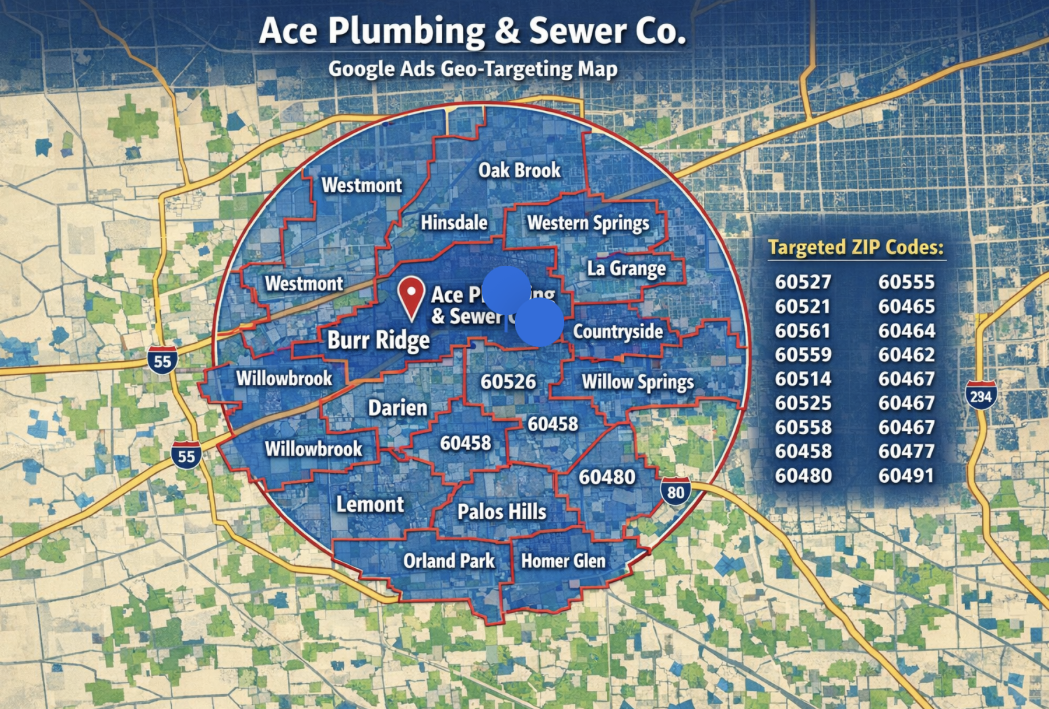
Proudly serving Burr Ridge and Southwest Chicago
Request a free quote
Tell us what’s going on and we’ll get right back to you. Need help now? Call and a real plumber answers 24/7.