How Long Does a Sump Pump Last?
Trusted by homeowners across Burr Ridge and Chicago, IL
Your basement’s protection depends on a working sump pump, but these systems don’t last forever. Understanding sump pump life expectancy helps homeowners in Burr Ridge, Hinsdale, and Westmont plan for replacements before flooding occurs.
We at Ace Plumbing & Sewer see too many emergency calls from families who ignored warning signs. Most plumber visits for sump pump failures could have been prevented with proper timing.
Which Sump Pump Type Lasts Longest
Submersible Pumps: Short-Term Solutions
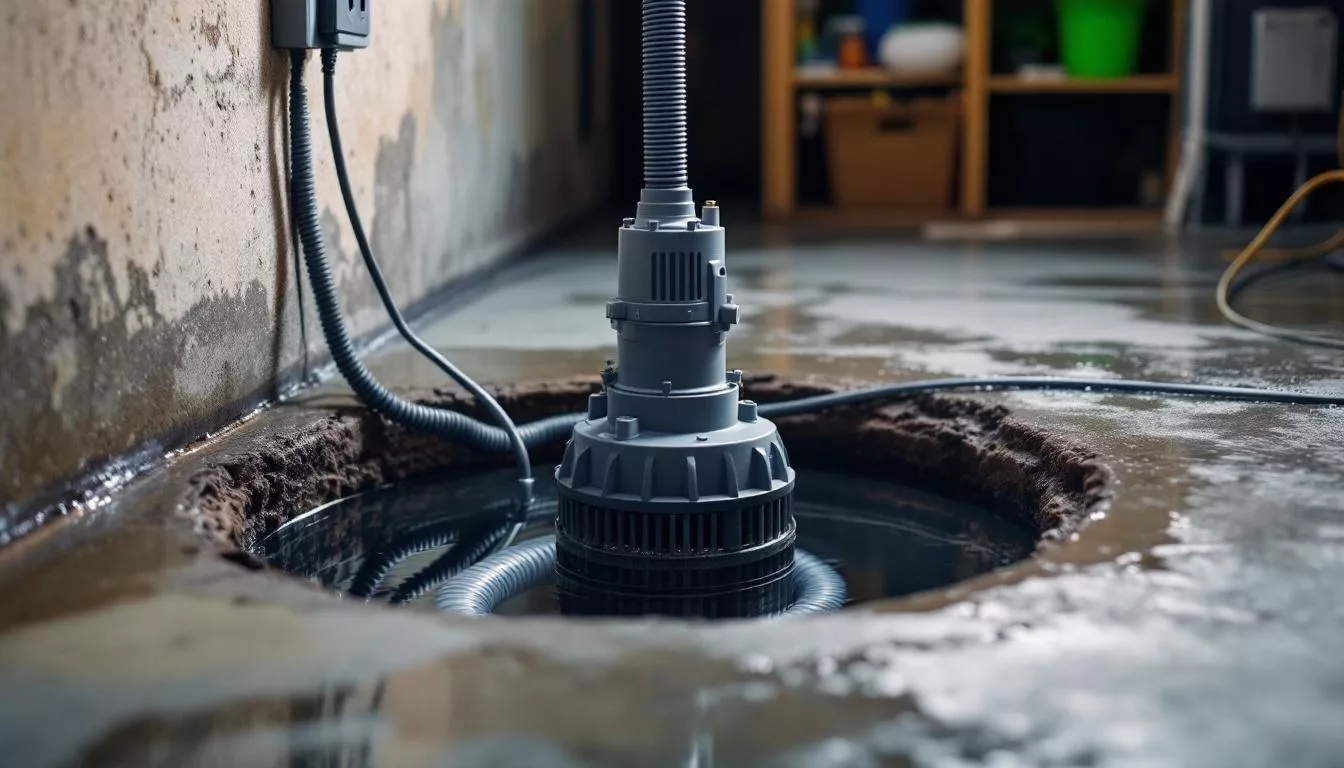
Submersible sump pumps dominate the market but offer the shortest lifespan at just 5 to 7 years. These units sit underwater in your sump pit, which makes them quieter but exposes their motors to constant moisture damage. The American Society of Home Inspectors reports that submersible pumps fail most frequently due to seal deterioration and motor burnout.
Homeowners in Darien and Clarendon Hills replace these units twice as often as other types. The constant water exposure creates inevitable wear on electrical components, and most manufacturers design them as disposable units rather than long-term investments.
Pedestal Pumps: Built for Decades
Pedestal sump pumps deliver exceptional longevity, lasting 25 to 30 years with proper maintenance. These systems position the motor above the water line, which protects critical components from moisture damage. The National Association of Home Builders confirms pedestal pumps outlast submersible models significantly.
Battery Backup Systems: Frequent Replacements Required
Battery backup systems require replacement every 3 to 5 years regardless of your primary pump type. These backup batteries lose capacity over time, and most professionals recommend quarterly testing. Homeowners in Western Springs and Westmont should budget for battery replacements more frequently than primary pump replacements (backup systems work harder during storm seasons when power outages coincide with heavy rainfall).
The type you choose affects replacement costs significantly, but other factors play equally important roles in pump longevity.
What Shortens Your Sump Pump Life
Heavy Water Volume Destroys Pumps Fast
High water volume kills sump pumps faster than any other factor. Homes in Burr Ridge and Hinsdale with high water tables force pumps to cycle every 15 minutes during wet seasons, compared to monthly cycles in drier areas. Water systems can deliver up to 10,000 gallons per minute at high pressures, but residential pumps handling excessive weekly volumes fail within 3 years instead of the typical 7-year lifespan.
Continuous operation during spring flood seasons reduces motor life by 60 percent. Properties near creeks in Western Springs and Clarendon Hills see pumps burn out from overwork. A pump sized for 1,800 gallons per hour that handles 3,000 gallons will fail prematurely from motor strain.

Poor Installation Cuts Lifespan in Half
Installation quality determines whether your pump lasts 3 years or 10 years. Improper pit size causes pumps to short-cycle, which means they run constantly without movement of sufficient water. Poor installation practices lead to premature pump failures, with many issues stemming from incorrect float position or inadequate discharge pipes.

Professional installation costs more upfront but doubles pump lifespan. DIY installations in Westmont and Darien typically fail within 2 years due to electrical connection problems and improper grounding (most homeowners lack the specialized tools and knowledge required for proper electrical connections).
Power Surges Kill Motors Instantly
Electrical issues destroy sump pumps without warning. Power surges during storms fry motor windings, while voltage fluctuations cause premature wear. Homes without surge protection see pump failures increase by 300 percent during severe weather events. Installation of whole-house surge protectors costs $200 but prevents $1,500 pump replacements.
These factors work together to shorten pump life, but early warning signs can help you catch problems before complete failure occurs.
When Should You Replace Your Sump Pump
Motor Noises Signal Immediate Failure
Strange noises from your sump pump demand immediate replacement. Motors produce distinct sounds when they fail: grinding indicates worn bearings inside the housing, while buzzing without water movement shows electrical failure. Heavy rains make sump pumps the last line of protection from flooded basements and massive water damage.
Homeowners in Burr Ridge and Darien who ignore these warning sounds face basement floods during the next heavy rain. Normal pumps operate silently except for brief startup sounds, so any persistent noise requires professional assessment.
Short Cycles Destroy Motors Rapidly
Pumps that cycle on and off every few minutes indicate serious problems that require immediate replacement. This short cycle pattern occurs when float switches malfunction or when pumps lose prime from air leaks in discharge lines. Properties in Westmont and Clarendon Hills with short cycle pumps see motor burnout within weeks instead of years.
Proper pumps should run for 30 to 90 seconds per cycle during normal conditions, then remain off for extended periods. Continuous short cycles overwork the motor and create excessive heat buildup.
Rust Indicates Complete System Failure
Visible rust or corrosion on pump components signals the end of useful life. Rust spreads rapidly in wet environments and compromises electrical connections, which creates fire hazards and pump failure. Once rust appears on motor housings or electrical connections, replacement becomes mandatory for safety reasons.
Corroded pumps in Western Springs basements have caused electrical shorts during flood events (these situations create dangerous conditions for homeowners who attempt repairs). Metal deterioration also weakens structural integrity and leads to catastrophic failure during peak demand periods.
Final Thoughts
Sump pump life expectancy varies dramatically by type and usage patterns. Submersible pumps last 5 to 7 years, while pedestal models protect basements for 25 to 30 years. Battery backup systems require replacement every 3 to 5 years regardless of your primary pump choice.
Regular maintenance extends these lifespans significantly. Testing your pump quarterly and cleaning debris from the pit prevents premature failures that cost homeowners thousands in flood damage. Properties in Burr Ridge, Hinsdale, and Western Springs benefit from professional inspections before spring storm seasons (especially homes with high water tables).

Strange noises, short cycles, or visible rust indicate immediate replacement needs. Waiting for complete failure during heavy rains creates emergency situations that flood basements and damage belongings. We at Ace Plumbing & Sewer provide annual plumbing inspections for homes in Darien, Clarendon Hills, and Westmont, plus same-day emergency response when your pump fails unexpectedly.
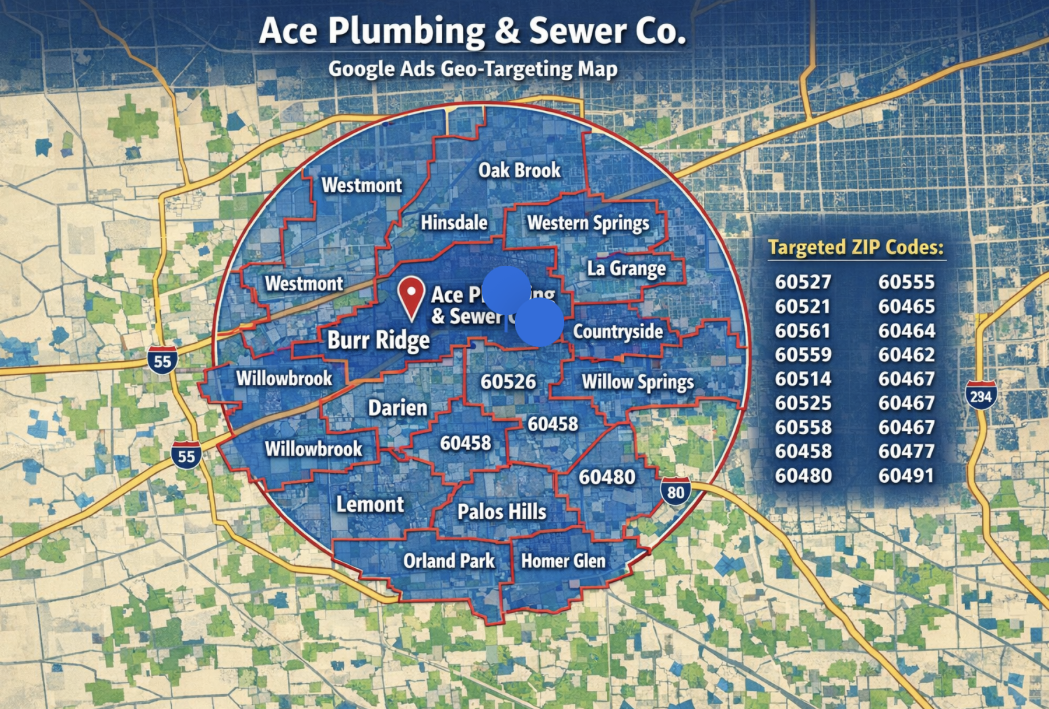
Proudly serving Burr Ridge and Southwest Chicago
Request a free quote
Tell us what’s going on and we’ll get right back to you. Need help now? Call and a real plumber answers 24/7.