
Sump Pump Battery Backup Cost: Complete Guide
Trusted by homeowners across Burr Ridge and Chicago, IL
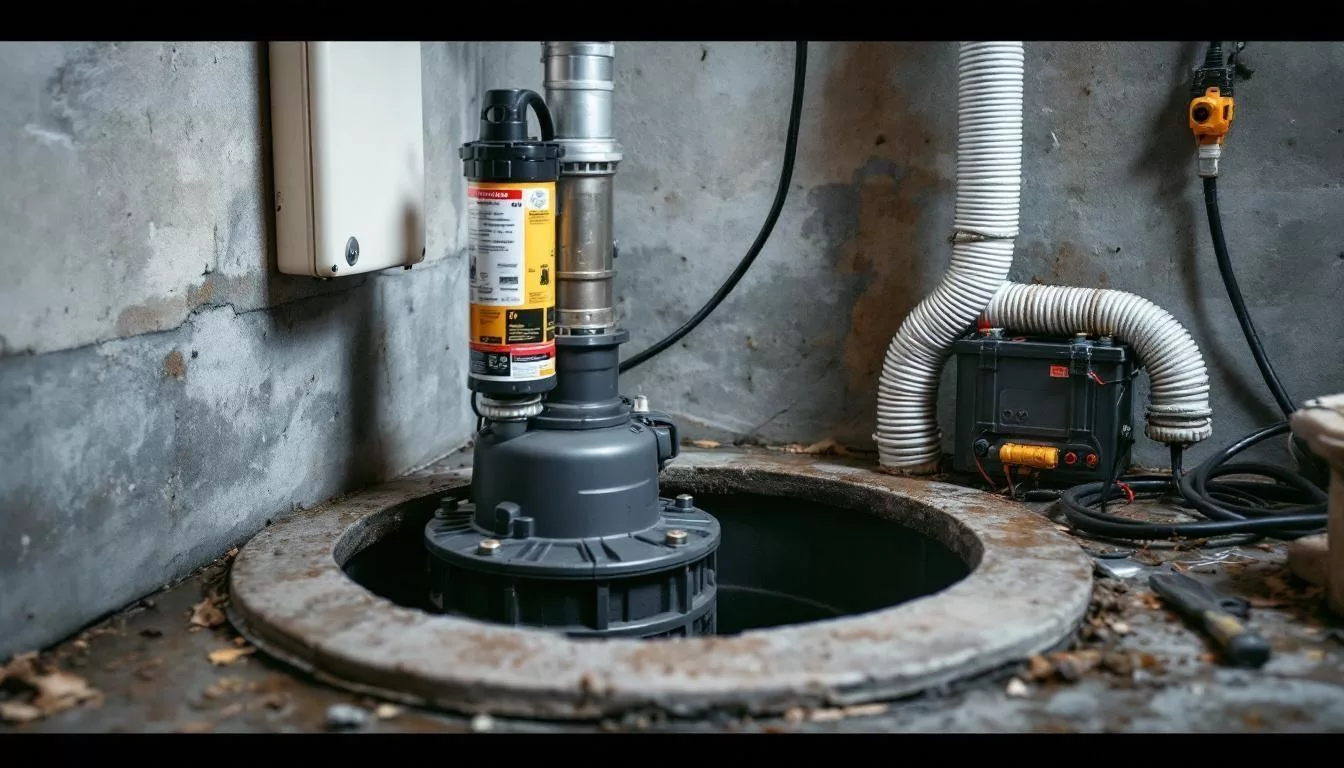
Basement flooding can cost homeowners thousands in damage, making sump pump battery backup systems a smart investment. Understanding sump pump battery backup cost helps you budget for this protection.
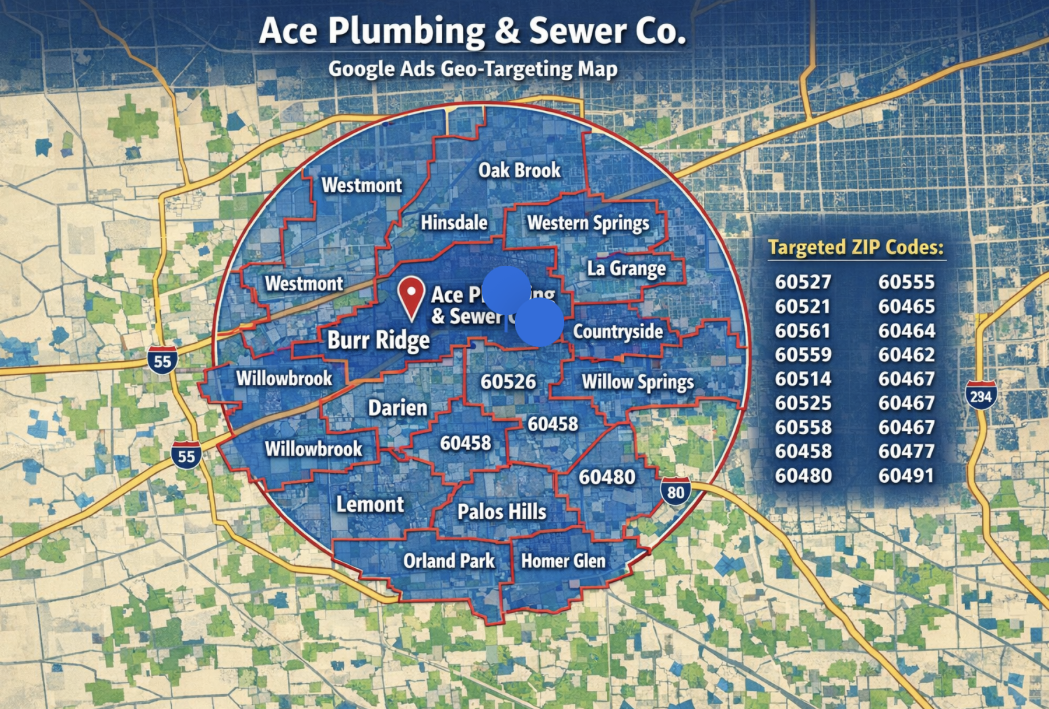
We at Ace Plumbing & Sewer see homeowners in Burr Ridge, Hinsdale, and Westmont face flooding risks during power outages. This guide breaks down pricing for different backup systems and installation factors.
Sump Pump Battery Backup System Types and Costs
DC Battery Backup Systems Deliver Reliable Protection
DC battery backup systems represent the most popular choice for homeowners in Burr Ridge and Darien, with costs that range from $300 to $800 for the unit alone. These systems use deep-cycle marine batteries that can last 6-8 years when properly charged and rarely discharged, though they may fail in 2 years or less if deeply discharged often. They provide 5-53 hours of operation during outages. Lead-acid batteries cost $150-$600 while AGM batteries run $200-$800 but handle deeper discharges better. Lithium-ion options start at $800 and reach $2,000, though they last 10 years and recharge faster than other battery types.

AC/DC Combination Units Provide Premium Protection
AC/DC combination systems cost $500-$1,500 but provide dual power sources for maximum reliability. These units automatically switch between AC power and battery backup when outages occur. Professional installation adds $300-$750 to total costs, though handy homeowners can self-install with basic tools. Additional components like charge controllers ($50-$200), battery boxes ($30-$100), and alarm systems ($25-$150) increase overall investment.
Water-Powered Systems Require Lower Upfront Investment
Water-powered backup systems cost $200-$400 and require no electricity or batteries to operate. These eco-friendly units use municipal water pressure to pump basement water but consume 3 gallons of city water to remove 6 gallons of sump water per cycle. Homes in Westmont and Hinsdale with strong water pressure benefit most from this option. Installation typically runs $150-$300 since no electrical work is needed, which makes total costs significantly lower than battery systems.
Understanding these system types helps you choose the right backup solution, but several installation factors will affect your final investment. Your home’s specific requirements and local conditions play major roles in determining total project costs.
Factors That Affect Battery Backup Installation Costs
Your home’s unique characteristics significantly impact battery backup installation expenses, with basement size serving as the primary cost driver. Larger basements in Burr Ridge and Clarendon Hills require higher-capacity systems, which push costs from $600 to $1,800 for the battery unit alone. Homes with finished basements need careful planning to avoid damage during installation, often adding $200-$400 in labor costs.
The distance between your electrical panel and sump pit affects wiring expenses, with runs over 50 feet requiring additional conduit and materials that cost $3-$8 per foot. Basement ceiling height also matters since low ceilings complicate battery placement and ventilation requirements.

Electrical Work Demands Significant Investment
Most battery backup installations require dedicated circuits, with electrical work that ranges from $300-$800 depending on panel capacity and distance. Homes in Westmont and Hinsdale built before 1990 often need panel upgrades that cost $1,200-$2,500 to handle additional load safely.
GFCI protection requirements add $150-$300 to electrical costs, while homes without existing sump pump wiring face $500-$1,200 in new circuit installation. Local electrical permits in Burr Ridge cost $75-$125, though some contractors include permit fees in their quotes.
Labor Rates Fluctuate Across Western Suburbs
Professional installation rates in Burr Ridge average $85-$125 per hour, while nearby Darien and Willowbrook contractors charge $75-$110 hourly. Installation complexity affects total labor time, with simple replacements taking 3-4 hours versus new installations requiring 6-8 hours.
Weekend and emergency installations cost 50-75% more than standard weekday service. Geographic factors like basement access and parking availability can add 1-2 hours to installation time (particularly in older neighborhoods with narrow driveways or limited contractor access).
System Capacity Requirements Drive Equipment Costs
Homes with high water tables or frequent flooding need larger battery systems that cost $800-$1,500 more than standard units. Properties in flood-prone areas of Clarendon Hills and Hinsdale benefit from dual-battery setups that provide extended runtime but double equipment costs.
Pump specifications also influence battery requirements, as larger pumps demand greater capacity batteries that increase initial investment by $200-$600. Understanding these cost factors helps you budget effectively, but smart shopping strategies can reduce your total investment significantly.
Cost-Saving Tips and Financing Options
DIY Installation Cuts Labor Expenses Significantly
Smart homeowners in Burr Ridge and Westmont can cut battery backup costs by 40-60% through strategic decisions and proper timing. DIY installation can reduce costs significantly, though you need basic electrical knowledge and proper permits from your local municipality. Professional plumber installation guarantees code compliance and warranty protection, which makes it worthwhile for complex electrical work or homes that require panel upgrades.
Most battery backup kits include straightforward instructions that handy homeowners can follow with basic tools. However, electrical work beyond simple connections requires licensed professionals to meet local building codes in Darien and Hinsdale.
Seasonal Timing Reduces Equipment Costs
Purchase systems during late fall or early spring when contractors offer 15-25% discounts to fill slower periods. Home improvement stores in Darien and Hinsdale typically mark down inventory 20-30% after winter flooding season ends in April.
Contractors often provide better pricing during off-peak months (November through February) when demand drops significantly. This timing strategy can save homeowners $200-$400 on total project costs while still allowing installation before spring storm season arrives.
Maintenance Plans Extend System Lifespan
Annual maintenance contracts cost $75-$150 but extend battery life from 3-5 years to 5-7 years through proper testing and cleaning. Deep-cycle batteries require monthly voltage checks and annual load testing to prevent premature failure that costs $150-$600 in replacement expenses.

Professional plumbing maintenance includes battery testing, float switch calibration, and discharge pipe inspection that prevents costly emergency repairs during peak flooding seasons in Clarendon Hills and Western Springs. Quality maintenance also helps homeowners avoid system failures during critical storm events.
Insurance Discounts Provide Long-Term Savings
Insurance companies offer water backup coverage that often starts around $5,000 per year for coverage limits. Quality systems prevent average flood damage costs of $25,000, making the $600-$1,200 investment pay for itself after one major storm.
Documentation of professional installation and annual maintenance helps homeowners qualify for maximum insurance discounts. Some carriers require certified installation receipts and maintenance records to approve premium reductions.
Final Thoughts
Sump pump battery backup cost ranges from $600 to $2,800 for complete systems, with installation that adds $300 to $1,200 based on electrical requirements. Homeowners in Burr Ridge, Hinsdale, and Westmont typically invest $1,200 to $2,000 for professional installation of quality battery backup systems. The financial protection justifies this investment when you consider average flood damage costs $25,000 per incident.
Battery backup systems prevent basement flooding during power outages and protect your home’s foundation and belongings while potentially qualifying you for insurance premium discounts. Professional assessment helps determine the right system capacity for your home’s specific needs (particularly in flood-prone areas like Darien and Clarendon Hills). Licensed professionals evaluate your basement configuration, electrical requirements, and flood risk factors to recommend appropriate backup solutions.
We at Ace Plumbing & Sewer provide comprehensive evaluations for homeowners throughout Western Springs and surrounding communities. Contact The Ace Plumber today for expert assessment and installation of your sump pump battery backup system. Our team delivers reliable flood protection solutions that safeguard your home investment for years to come.
Proudly serving Burr Ridge and Southwest Chicago
Request a free quote
Tell us what’s going on and we’ll get right back to you. Need help now? Call and a real plumber answers 24/7.