Flood Control Systems: 5 Essential Ways to Protect Your Home
Trusted by homeowners across Burr Ridge and Chicago, IL
Last spring’s heavy rains left hundreds of Chicago-area homeowners dealing with flooded basements and thousands in water damage. With our region’s unpredictable weather patterns and aging infrastructure, protecting your property with proper flood control systems isn’t just smart—it’s essential. The right combination of preventive measures can save you from devastating water damage and give you peace of mind during every storm season.
At Ace Plumbers, we’ve seen firsthand how effective flood control systems transform vulnerable properties into protected havens. After 40 years serving the western Chicago suburbs, we understand exactly what works—and what doesn’t—when it comes to keeping water where it belongs.

Why Flood Control Systems Are Critical for Chicago Area Homes
Chicago’s unique geography creates perfect conditions for basement flooding. Our clay-heavy soil doesn’t absorb water quickly, and decades-old sewer systems struggle during heavy rainfall. When these factors combine with increasingly intense storms, the result is predictable: water finds its way into your basement.
The statistics are sobering. According to the federal flood preparedness guidelines, even one inch of water in a 1,000-square-foot basement can cause over $25,000 in damage. That’s why property flood protection isn’t optional—it’s a necessity for Chicago-area homeowners.
Modern flood control systems work together as a comprehensive defense network. Rather than relying on a single solution, the most effective approach combines multiple technologies that address different water entry points and scenarios.
The Real Cost of Inaction
We’ve responded to countless emergency calls where homeowners wished they’d invested in prevention. Beyond the immediate water damage, flooding creates long-term problems:
- Structural damage to foundation walls and support beams
- Mold growth that can take months to remediate
- Damage to irreplaceable personal belongings
- Increased insurance premiums or policy cancellation
- Reduced property value and difficult resale conditions
Sump Pumps: Your First Line of Defense Against Basement Flooding
Sump pump installation represents the cornerstone of effective basement flood prevention. These systems actively remove water that accumulates around your foundation, preventing it from entering your living space.
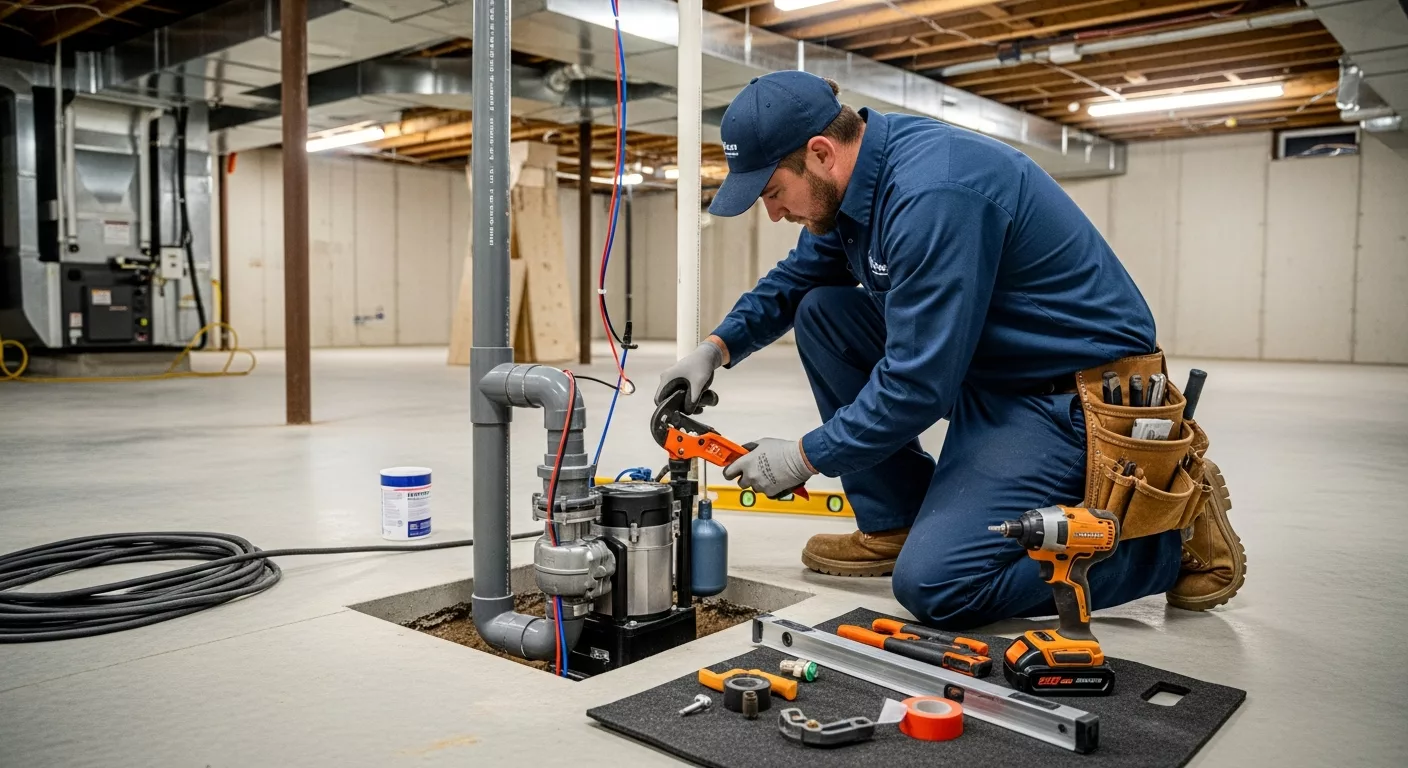
A properly installed sump pump system includes three critical components: the sump pit, the pump itself, and the discharge system. The pit collects water from foundation drains and natural groundwater seepage. When water reaches a predetermined level, the pump automatically activates and moves water away from your home through buried discharge pipes.
Primary vs. Backup Pump Systems
Smart homeowners invest in both primary and backup systems. Your primary sump pump handles day-to-day water management, but backup pumps become lifesavers during power outages or primary pump failures—exactly when you need protection most.
Battery backup systems provide 6-8 hours of protection during power outages. For extended protection, water-powered backup pumps use your home’s water pressure to operate indefinitely, though they work slower than electric pumps.
We recommend submersible pumps for most Chicago-area homes because they’re quieter, more efficient, and less prone to debris interference. Pedestal pumps work well in shallow pits but create more noise and require more maintenance.
Sizing Your Sump Pump Correctly
Pump capacity must match your home’s specific needs. A 1/3 horsepower pump handles most residential applications, moving 35-40 gallons per minute. Homes with chronic water issues or larger footprints may require 1/2 or 3/4 horsepower systems.
The right pump selection depends on your basement size, local water table conditions, and soil characteristics. Our technicians perform detailed assessments to ensure proper sizing and placement.
Backwater Valves: Preventing Sewage Backup During Heavy Rains
Municipal sewer systems can become overwhelmed during heavy rainfall, causing sewage to back up into your home through floor drains and toilets. A backwater valve installation prevents this nightmare scenario by automatically blocking reverse flow.
These mechanical devices install in your main sewer line, allowing wastewater to flow out normally while preventing contaminated water from returning. When functioning properly, they’re invisible to homeowners—you’ll never know they’re protecting you.
Types of Backwater Valves
Mainline backwater valves protect your entire home by installing in the main sewer line before it exits your property. These provide comprehensive protection but require professional installation and occasional maintenance access.
Floor drain backwater valves offer targeted protection for individual drains. They’re less expensive and easier to install but only protect specific areas. Many homeowners benefit from a combination approach.
Gate valves provide manual control but require someone to operate them before storms. Automatic float valves respond to rising water levels without human intervention, making them more reliable during emergencies.
Installation and Compliance
Backwater valve installation must comply with local plumbing codes and often requires permits. The International Code Council backwater valve standards ensure proper installation and performance.
Professional installation typically takes 4-6 hours and involves excavating your main sewer line. While disruptive initially, proper installation provides decades of protection with minimal maintenance requirements.
French Drains and Foundation Waterproofing Solutions
Exterior drainage systems prevent water from reaching your foundation in the first place. French drains redirect surface water and groundwater away from your home, reducing hydrostatic pressure against basement walls.
These systems consist of perforated pipes surrounded by gravel, installed along your foundation’s perimeter. They collect water before it can penetrate your basement, directing it to safe discharge areas away from your home.
Interior vs. Exterior French Drains
Exterior French drains provide superior protection by intercepting water before it reaches your foundation. However, they require significant excavation and landscaping restoration, making them expensive to install in existing homes.
Interior French drains install inside your basement perimeter, collecting water that’s already penetrated your foundation. While less ideal than exterior systems, they’re more cost-effective for existing homes and can be highly effective when properly installed.
Both systems typically connect to your sump pump pit, creating an integrated water management network that addresses multiple entry points.
Foundation Waterproofing Options
Exterior waterproofing creates a barrier between your foundation and groundwater. This involves excavating around your entire foundation, applying waterproof membranes, and installing proper drainage systems.
Interior waterproofing focuses on managing water that’s already entered your basement. This includes sealants, interior drainage systems, and vapor barriers that prevent moisture problems without exterior excavation.
The most effective approach often combines both strategies, creating redundant protection that addresses different water entry mechanisms.
Professional Installation vs. DIY: What Licensed Experts Recommend
While some homeowners consider DIY flood control installations to save money, the risks often outweigh potential savings. Improper installation can create more problems than solutions, potentially voiding insurance coverage and creating safety hazards.
Flood control systems require precise engineering to function correctly. Pump sizing, discharge routing, electrical connections, and code compliance all demand professional expertise. Mistakes in any area can compromise your entire system’s effectiveness.
When DIY Makes Sense
Simple maintenance tasks like testing sump pumps, cleaning debris from discharge lines, and inspecting backwater valves can be homeowner responsibilities. These activities help ensure your systems remain ready when needed.
Basic waterproofing measures like improving yard drainage, extending downspouts, and sealing minor foundation cracks can also be DIY projects for handy homeowners.
When Professional Installation Is Essential
Electrical work for sump pumps requires licensed electricians to ensure safety and code compliance. Improper electrical connections create fire hazards and can be deadly in wet conditions.
Sewer line modifications for backwater valves must be performed by licensed plumbers. These installations affect your home’s entire plumbing system and require permits in most municipalities.
Complex drainage systems involving excavation, pipe installation, and integration with existing systems need professional engineering and installation to function properly.
Our team brings four decades of experience to every pump installation project, ensuring systems are properly sized, installed, and tested before we leave your property.
Preventative Maintenance: Keep Your Flood Control Systems Ready
Even the best flood control systems fail without proper maintenance. Regular inspections and upkeep ensure your investment continues protecting your property when storms arrive.
Flood damage prevention depends on systems that activate automatically during emergencies. If components fail during critical moments, the consequences can be devastating.
Sump Pump Maintenance Schedule
Test your sump pump monthly by pouring water into the pit until the pump activates. Listen for unusual noises, check for proper drainage, and ensure the float switch moves freely.
Annual maintenance includes cleaning the pit, inspecting discharge lines for blockages, testing backup systems, and replacing batteries in battery backup units. These simple tasks prevent most pump failures.
Professional annual inspections can identify developing problems before they cause failures. Our technicians check electrical connections, measure pump performance, and verify proper installation during these visits.
Backwater Valve Care
Inspect backwater valves annually to ensure flaps move freely and seals remain intact. Debris or sediment can prevent proper closure, compromising protection when you need it most.
Clean valve components carefully using manufacturer-recommended procedures. Harsh chemicals can damage seals and moving parts, reducing effectiveness and shortening lifespan.
Drainage System Maintenance
Keep French drain outlets clear of debris, leaves, and ice. Blocked discharge points can cause entire systems to back up, eliminating their protective benefits.
Inspect foundation areas annually for signs of settlement, cracking, or vegetation growth that might compromise drainage effectiveness. Address problems promptly before they affect system performance.
Consider professional drain cleaning every few years to remove accumulated sediment and ensure optimal water flow through your drainage network.
Comprehensive Protection for Chicago-Area Homes
Effective property flood protection requires a systems approach that addresses multiple water entry points and failure scenarios. The most reliable installations combine sump pumps, backwater valves, and drainage systems into integrated networks that provide redundant protection.
The FEMA homeowner flood protection toolkit emphasizes the importance of comprehensive planning that considers your home’s unique risks and vulnerabilities.
Our approach begins with detailed property assessments that identify your specific flood risks. We consider soil conditions, local drainage patterns, home construction, and historical flooding to develop customized protection strategies.
Integration with Home Systems
Modern flood control integrates with home automation systems, providing remote monitoring and alerts when problems develop. Smart sump pumps can send notifications when pumps activate, allowing you to monitor conditions even when away from home.
Backup power systems ensure protection continues during outages. Beyond battery backups, some homeowners invest in whole-house generators that maintain all protective systems during extended power interruptions.
Insurance and Financial Protection
Many insurance companies offer discounts for homes with professionally installed flood control systems. Document your installations with photos and professional certifications to maximize potential savings.
Some municipalities offer rebates or financing programs for flood control improvements. These programs recognize that private flood control reduces strain on public infrastructure during major storms.
Keep detailed records of maintenance and inspections to demonstrate proper care if insurance claims become necessary. Well-maintained systems are less likely to fail and more likely to receive full coverage consideration.
Taking Action Before the Next Storm
Chicago’s weather patterns are becoming increasingly unpredictable, with more frequent intense rainfall events that overwhelm traditional drainage systems. The question isn’t whether severe weather will return—it’s whether your home will be ready.
Investing in comprehensive flood control systems provides peace of mind that extends far beyond storm season. These systems protect your largest investment while preserving irreplaceable belongings and memories stored in your basement.
At Ace Plumbers, we’ve helped hundreds of Chicago-area homeowners protect their properties with customized flood control solutions. Our three generations of experience, combined with modern technology and American-made components, ensures systems that perform when you need them most.
Don’t wait until the next severe weather warning to address your home’s flood vulnerabilities. Professional assessment and installation take time, and emergency installations during active flooding are impossible.
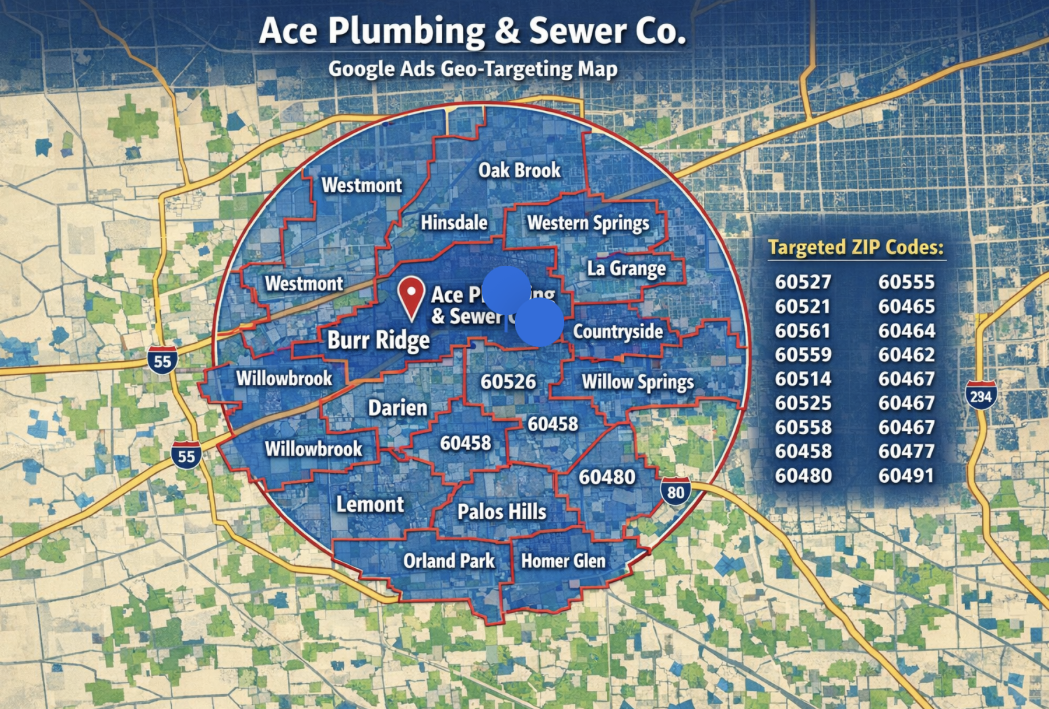
Ready to protect your home with professional flood control systems? Contact Ace Plumbers at (708) 204-8602 for a comprehensive property assessment and customized protection plan. Our licensed technicians serve Burr Ridge, Woodridge, Willowbrook, and surrounding western Chicago suburbs with the expertise and reliability your family deserves.
Proudly serving Burr Ridge and Southwest Chicago
Request a free quote
Tell us what’s going on and we’ll get right back to you. Need help now? Call and a real plumber answers 24/7.