Commercial Kitchen Sink Plumbing Diagram Guide
Trusted by homeowners across Burr Ridge and Chicago, IL
Your commercial kitchen sink plumbing diagram is more than just lines on paper-it’s a roadmap to keeping your operation running smoothly. Understanding how these systems work prevents costly downtime and health code violations.
We at Ace Plumbing & Sewer have helped restaurants and food service businesses across Burr Ridge, Hinsdale, Oak Brook, and Western Springs stay compliant and operational. This guide walks you through the essentials so you know what you’re looking at and when to call in the professionals.
What Makes Up a Commercial Kitchen Sink System
The Seven Essential Components
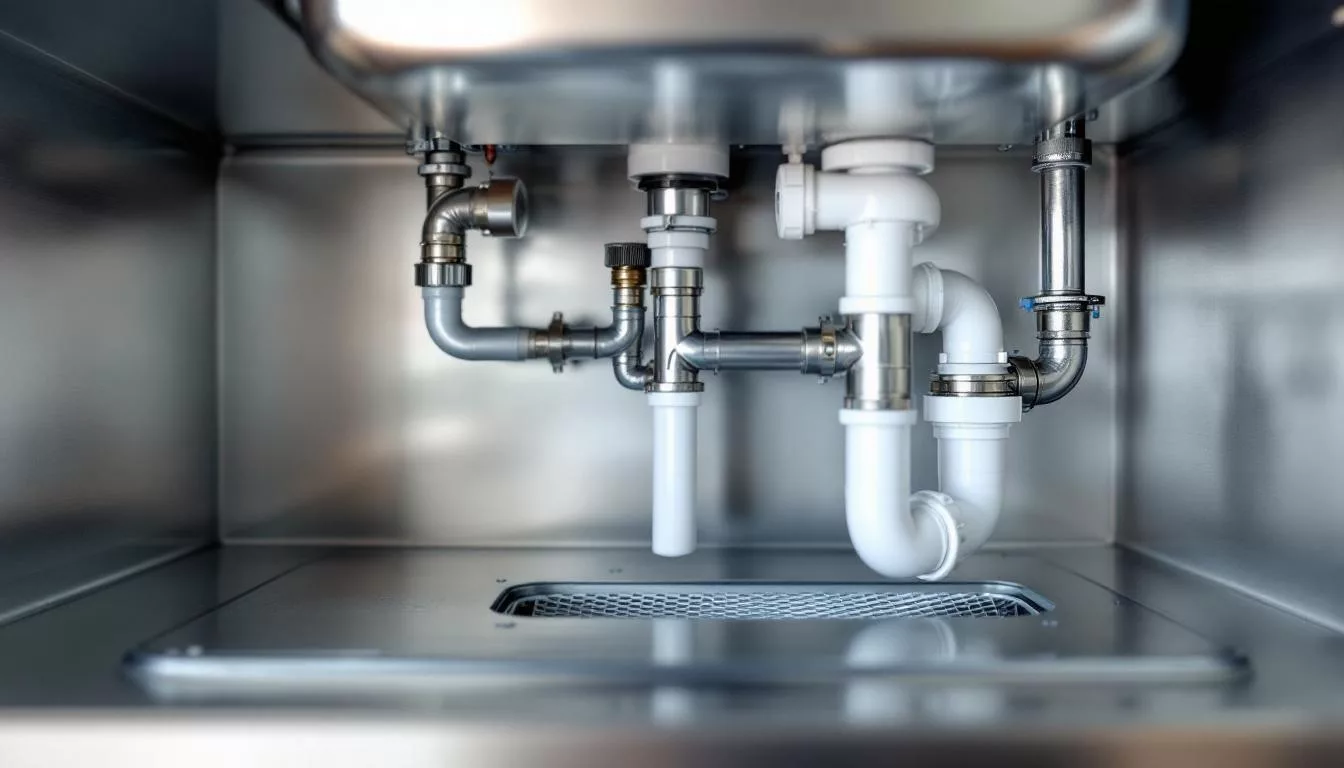
Commercial kitchen sinks operate differently from residential ones because they handle higher volumes, grease buildup, and stricter health codes. The design complexity rivals hospital plumbing systems, according to PM Engineer’s Neil Morris, which means understanding each component matters for keeping your operation compliant and efficient. A commercial kitchen sink typically includes a strainer basket that catches large debris before it reaches your drain, a strainer flange that seals the connection between sink and drain assembly, a rubber gasket that prevents leaks at the sink surface, and a locknut that secures everything underneath. The tailpiece extends downward and connects to a P-trap-a curved pipe that holds water to block sewer gases from entering your kitchen.

From there, the waste pipe carries wastewater to your main drain line. Water supply lines feed both hot and cold water to your faucet, which controls flow and temperature. For commercial applications, copper piping offers superior durability and sanitation properties, though CPVC and PEX provide cost-effective alternatives. Your drainage system must include proper venting to prevent siphoning and slow drains, plus grease traps or interceptors positioned strategically to catch grease before it clogs your main line.
How Water and Drainage Work Together
These components work together to determine whether your kitchen runs smoothly or faces costly downtime. Water flows from your supply lines through the faucet into the sink bowl, then drains through the strainer basket into the tailpiece and P-trap. The P-trap’s water seal is critical-it prevents sewer gases and odors from backing up into your kitchen while also trapping small objects that might otherwise clog downstream pipes. Your drain lines must slope properly toward the main waste line, typically at a quarter-inch drop per foot, to ensure gravity handles the work without requiring excessive water velocity. Vent lines run parallel to drain lines and allow air to enter, maintaining atmospheric pressure so water drains smoothly and the P-trap seal stays intact.
Grease Management and Code Compliance
For restaurants and food service operations in Burr Ridge, Hinsdale, Oak Brook, and Western Springs, grease management is non-negotiable. Grease traps intercept cooking oils and fats before they reach municipal sewers, where they cause blockages affecting entire neighborhoods. A properly designed commercial kitchen sink diagram shows each of these elements clearly, including supply shutoffs, backflow prevention devices to protect your potable water, cleanout access points for maintenance, and compliance with local codes. Restaurants often use double or triple-bowl configurations with a single P-trap for easier maintenance, and island sinks require extending supply and drain lines through floors with robust venting to prevent gurgling and slow drainage issues. Understanding these configurations helps you identify what your kitchen needs and what questions to ask when planning upgrades or repairs.
Reading Your Commercial Kitchen Sink Plumbing Diagram
Decoding Symbols and Color Standards
A commercial kitchen sink plumbing diagram uses standardized symbols and color-coding to communicate critical information at a glance. Water supply lines appear in blue for cold water and red for hot water, while drain lines show in black or dark gray. Vent lines typically display in green. Symbols represent fixtures like sinks, faucets, traps, and backflow preventers so you don’t need to interpret complex drawings. Legends and notes on your diagram explain what each symbol means, valve types, pipe materials, and pressure ratings.
Understanding Fixture Units and Pipe Sizing
According to the IPC (International Plumbing Code) standards, a commercial kitchen sink uses separate hot and cold water loads being three-fourths of the total load for the fixture in each case. This matters because it determines your pipe sizing-a single sink fed by undersized piping creates pressure drops exceeding 3.4 psi per 100 feet, which causes weak water flow and customer complaints. Your diagram should clearly show shutoff valves at each fixture and the main supply line so you can isolate problems without shutting down your entire kitchen. The P-trap sits prominently on drainage diagrams because it serves as your defense against sewer gases; it must maintain a water seal at all times, which proper venting ensures. Cleanout access points marked on your diagram tell you exactly where you can snake a clogged drain or inspect for buildup without tearing into walls or floors.
Code Requirements for Burr Ridge, Hinsdale, Oak Brook, and Western Springs
Code-compliant layouts in your area follow specific requirements that your diagram must reflect. Drain lines must slope at a quarter-inch drop per foot minimum, and your diagram shows this gradient so installers know the exact pitch needed. Grease traps or interceptors must sit between the kitchen and municipal sewer lines, with proper sizing based on your peak flow rates-undersized traps lead to backups and violations. Your diagram identifies backflow prevention devices, typically located where water supply enters your building, protecting municipal water from contamination. Double-bowl sinks often use a single larger P-trap rather than two separate ones, which your diagram clarifies to prevent installation errors. Island sinks require extended supply and drain lines running through floors with additional vent stacks-your diagram shows these routes and confirms they meet code before construction begins.
Avoiding Installation Mistakes Through Proper Diagram Reading
Recognizing these elements on paper prevents expensive mistakes during installation or renovation. When your team reads the diagram correctly, you avoid installing pipes at the wrong slope, missing required cleanout access points, or oversizing drains that create stagnant water and odors. The Ace Plumber has worked with restaurants and food service operations across the western suburbs to interpret these diagrams accurately and execute installations that pass inspection on the first attempt. Your diagram becomes the blueprint for success-and understanding what you’re looking at separates a smooth project from costly delays and code violations that shut down your operation.
Keeping Your Commercial Kitchen Drain System Running Smoothly
Daily and Weekly Maintenance Tasks
Your commercial kitchen sink strainer basket fills with debris daily-grease, food particles, and buildup that block drainage if ignored. You must empty it after every service period, not just once a day. Food service operations in Burr Ridge, Hinsdale, Oak Brook, and Western Springs that skip this step face slow drains within weeks.

You should regularly clean your drains and run cold water after disposal to flush particles downstream and prevent them from settling in your P-trap. Once monthly, you need to flush hot water through the system to clear soap scum and grease residue that accumulates on pipe walls. You should inspect visible connections under the sink for drips or moisture-loose slip-nut connections at the tailpiece cause leaks that damage cabinetry and create slip hazards. You can tighten them hand-tight, then a quarter-turn with a wrench. If you operate a restaurant, you must check your grease trap weekly; the interceptor fills faster than most operators expect. A trap at 75 percent capacity loses effectiveness, allowing grease into municipal sewers. You should clean it before it reaches that point.

Recognizing Warning Signs Before Failure
Your P-trap water seal requires attention too. If you notice sewer gas odors rising from the sink, the seal has broken-usually from a clogged vent line preventing air circulation. This forces water from the trap, exposing you to gases that pose health code violations. Gurgling sounds from drains signal vent blockages before they cause complete drainage failure. You can clear the vent by checking for debris at the roof penetration or calling a professional with camera inspection equipment. Slow drainage that resists plunging indicates buildup deeper in your line-a drain snake removes minor clogs, but commercial systems often need hydro jetting to clear grease buildup that snakes cannot reach. Leaking faucets waste water and spike utility costs; worn O-rings and cartridges cause most failures and are replaceable without replacing the entire fixture.
Addressing Leaks and Drainage Problems
Leaks under the sink demand immediate attention since they indicate failed seals or corroded pipes that worsen rapidly. Double-bowl configurations sometimes drain unevenly if one P-trap becomes partially blocked-you can isolate which bowl drains slowly by plugging one and testing the other. A completely clogged drain that resists home tools requires professional equipment to diagnose whether the blockage sits in your line or further downstream in the municipal system. Island sinks present unique challenges because their extended drain lines through floors trap debris more easily than wall-mounted configurations. You should inspect these lines more frequently and consider annual professional cleaning to prevent emergency shutdowns during service hours.
Final Thoughts
A commercial kitchen sink plumbing diagram serves as your operation’s protection against costly downtime, health code violations, and emergency repairs that disrupt service. When you understand what those lines and symbols represent, you control your plumbing system instead of waiting for problems to force your hand. The restaurants and food service businesses we serve across Burr Ridge, Hinsdale, Oak Brook, and Western Springs recognize that preventative maintenance and proper system design save thousands in emergency calls and lost revenue.
Review your current plumbing diagram with fresh eyes, armed with the knowledge from this guide, and identify your strainer baskets, P-traps, vent lines, and grease management components. Check that your drain slopes meet code requirements and your cleanout access points remain accessible for maintenance. If your diagram is outdated or missing critical details, that signals your system may not be compliant or optimized for your current operation.
Commit to the maintenance routine we outlined-empty strainer baskets daily, flush hot water monthly, inspect connections for leaks, and monitor your grease trap before it reaches capacity. When you need professional guidance, contact The Ace Plumber for expert commercial kitchen solutions, and we’ll deliver fast turnaround and durable results that keep your kitchen running smoothly.
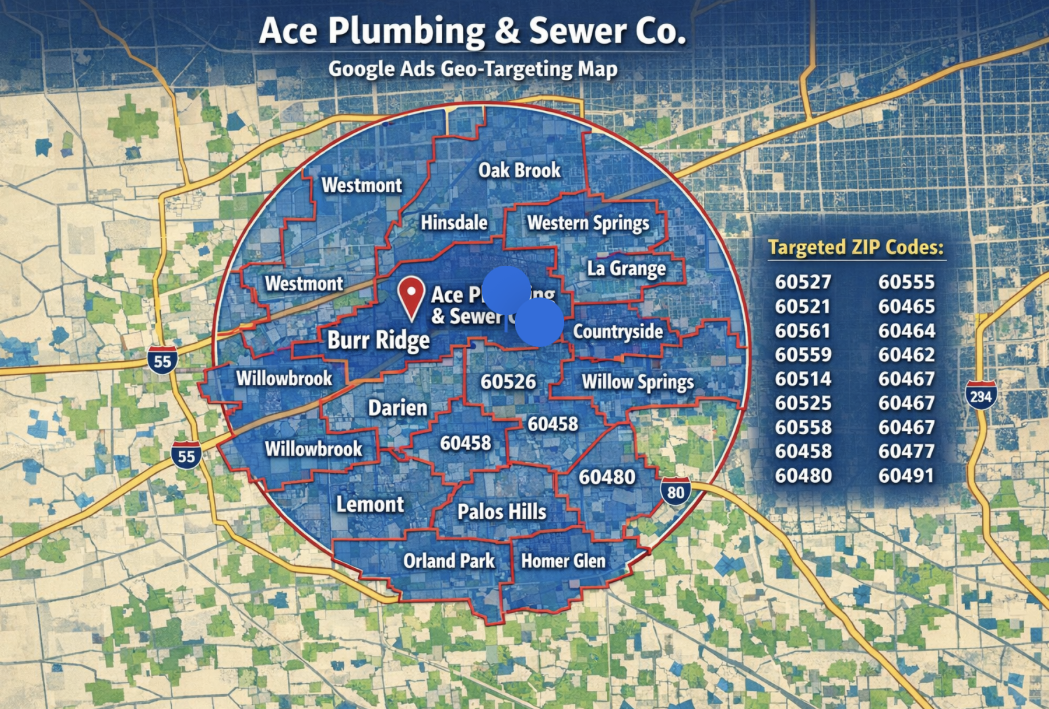
Proudly serving Burr Ridge and Southwest Chicago
Request a free quote
Tell us what’s going on and we’ll get right back to you. Need help now? Call and a real plumber answers 24/7.