Backflow Testing Hinsdale: Ensuring Safe, Compliant Water
Trusted by homeowners across Burr Ridge and Chicago, IL
Your water supply is under constant threat from contaminated water entering your pipes through cross-connections. At Ace Plumbing & Sewer, we’ve seen firsthand how backflow testing in Hinsdale protects families and businesses from serious health hazards and regulatory violations.
Hinsdale and surrounding areas like Oak Brook, Western Springs, and Clarendon Hills have strict compliance standards that require regular backflow testing. This guide walks you through what backflow is, why testing matters, and how to keep your water safe.
What Backflow Actually Is and Why It Matters
How Contaminated Water Enters Your System
Backflow means water moves opposite its normal path in your pipes into your clean drinking water supply through two distinct mechanisms. Backpressure happens when a non-potable system builds pressure higher than your main water line, forcing contaminated water upstream. Backsiphonage occurs when a sudden drop in public water main pressure creates a vacuum that pulls contaminated water backward into your pipes. In Hinsdale, Western Springs, Clarendon Hills, and Oak Brook, municipal water systems face real risk from cross-connections in older homes, irrigation systems, and commercial operations.
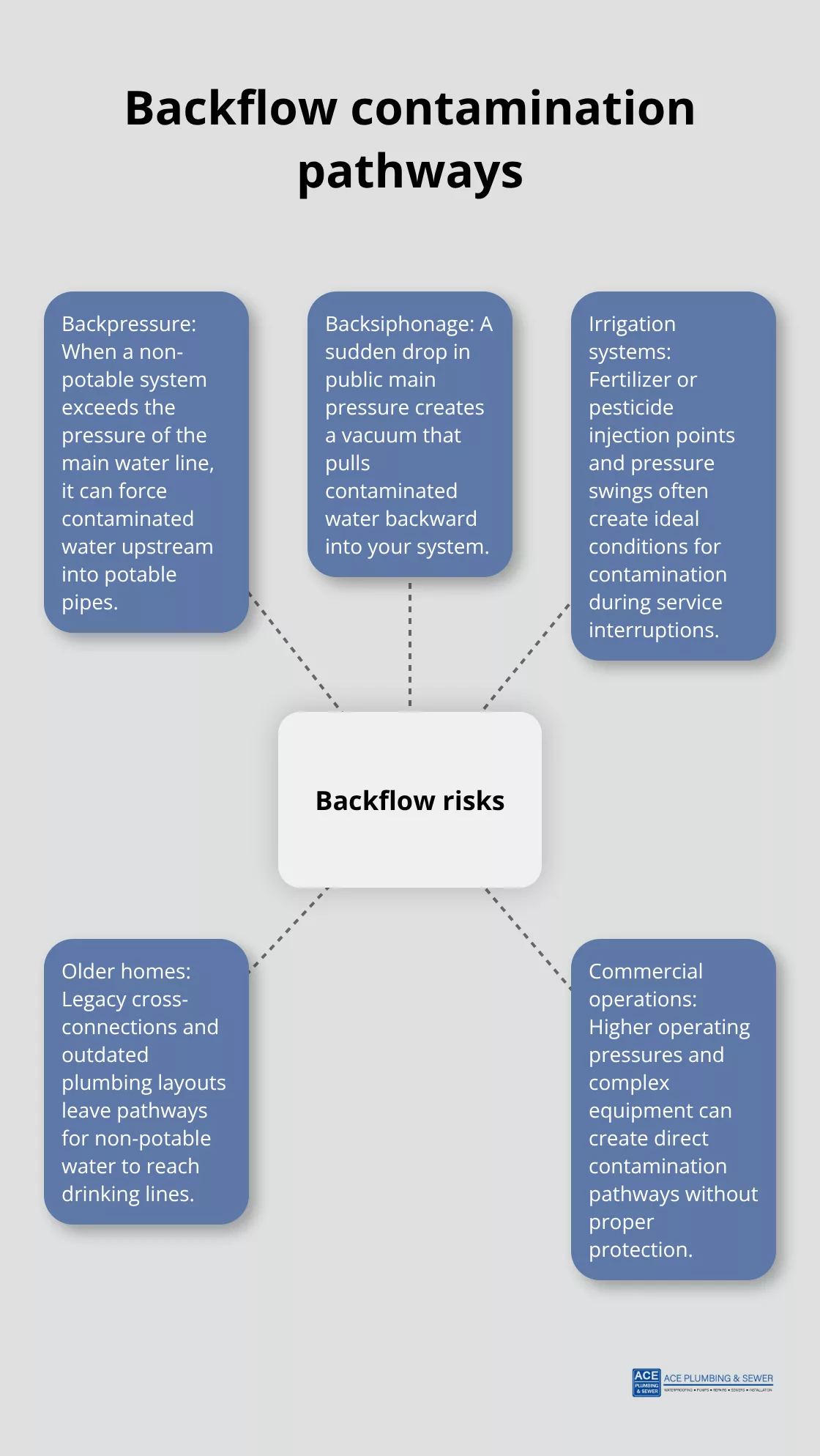
Contaminants that enter your water supply through backflow include fertilizers, pesticides, chemicals, bacteria, and sewage-substances that pose immediate health threats to your family or customers. A single backflow event can contaminate an entire building’s water supply or, in worst-case scenarios, reach the municipal water system and affect thousands of residents.
Illinois Code Requirements and Local Standards
The Illinois Plumbing Code requires a double-check backflow preventer as the minimum baseline for all installations, and many municipalities enforce stricter standards. Hinsdale, Hodgkins, La Grange, and Bridgeview all maintain their own compliance frameworks that align with or exceed state requirements. Properties that skip testing face failed inspections, fines, and potential liability if contamination occurs.
Testing backflow prevention devices annually is not optional-it’s a legal requirement in Hinsdale and mandated by the Illinois Plumbing Code. A certified cross-connection detector inspector (who must be a licensed plumber in Illinois) performs these tests using specialized equipment to verify that check valves operate correctly and pressure differentials meet code standards.
Testing Procedures and Device Types
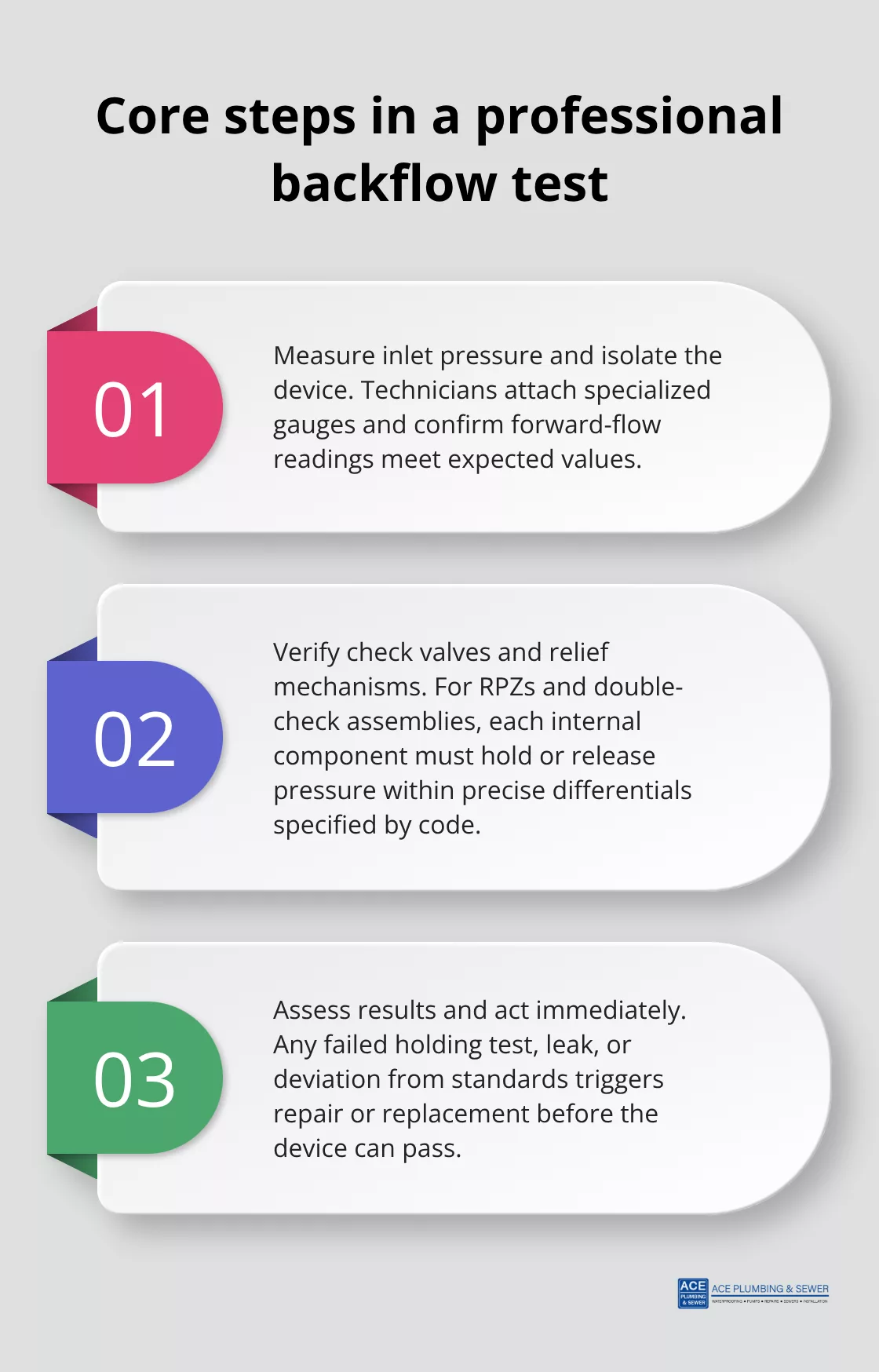
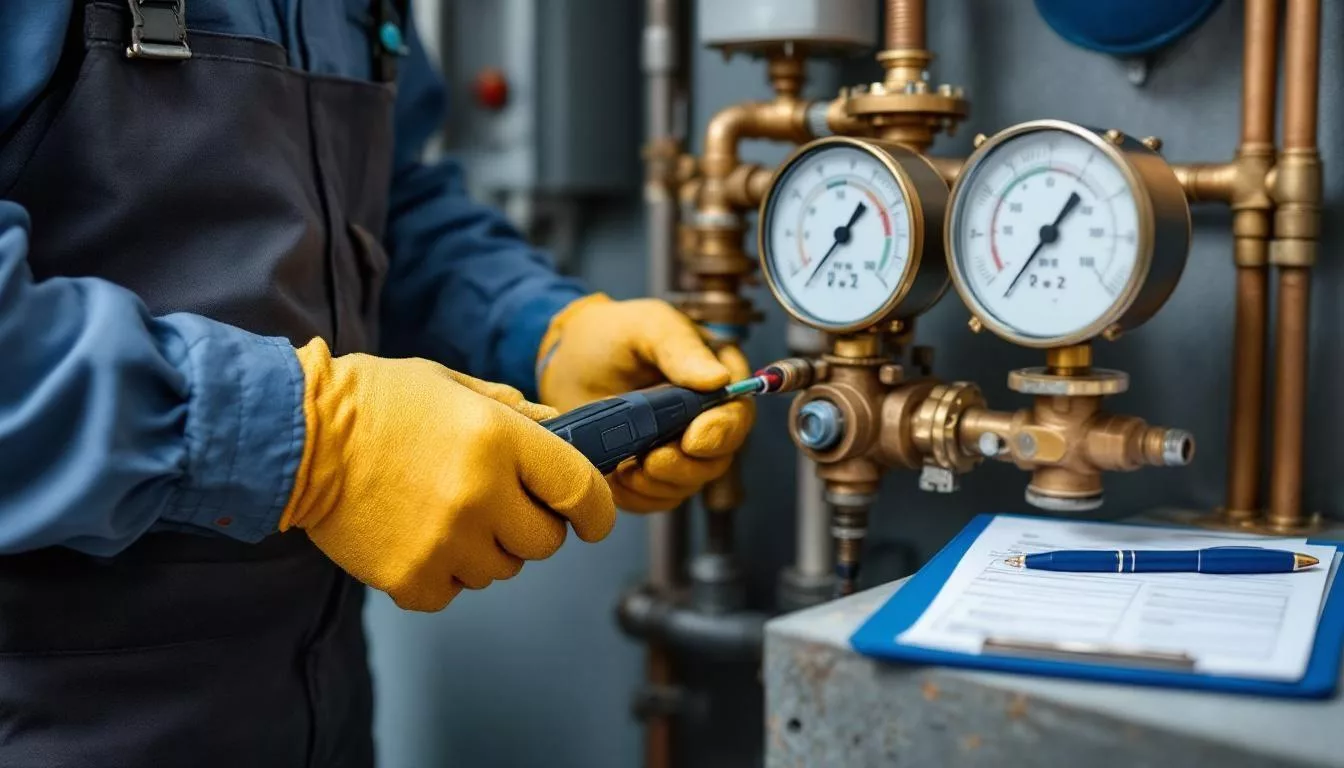
Common devices tested include Reduced Pressure Zone assemblies, Double Check Valve assemblies, Pressure Vacuum Breakers, and Atmospheric Vacuum Breakers. During testing, technicians measure forward-flow pressure, check valve operation, and overall device integrity; deviations typically require repair or replacement. The process confirms correct pressure differentials and fully operating valves-critical steps that protect both your property and the community’s drinking water.
Documentation from these tests must be filed with your water purveyor or public works department. Maintaining records supports future property transactions, insurance claims, and regulatory audits. Properties that schedule testing before irrigation season or high-use periods prevent last-minute emergencies and ensure their systems function when needed most.
Why Annual Testing Protects Your Property
Annual testing and certification keep your backflow prevention system compliant with local codes and EPA requirements. This preventative approach stops cross-connection contamination before it starts, reducing public health risk and protecting your investment. Licensed professionals handle all paperwork to register backflow testing with proper agencies, simplifying municipal compliance for property owners in the Hinsdale area and surrounding communities.
With your backflow system verified and documented, you’re ready to address the specific vulnerabilities that exist in different types of properties-from older homes with outdated plumbing to modern commercial kitchens and landscape irrigation setups.
How Backflow Testing Actually Works
Initial System Assessment and Device Identification
A backflow test starts the moment a licensed professional arrives at your property to assess what you actually have installed. The technician identifies every backflow prevention device on your system-whether it’s a Reduced Pressure Zone assembly protecting your irrigation system, a Double Check Valve on a fire suppression line, or a Pressure Vacuum Breaker serving your landscape. This initial inspection matters because many properties in Hinsdale, Hodgkins, La Grange, and Clarendon Hills have multiple devices installed across different water sources, and each one requires separate testing and documentation. The technician photographs the installation location, notes the device type and manufacturer, checks for visible corrosion or leaks, and verifies that the device sits in an accessible spot where testing can occur safely. Properties with poor installations-devices hidden behind walls or buried under landscaping-often fail initial assessment because technicians cannot access test ports or properly evaluate the equipment.
Testing Procedures and Pressure Verification
Once accessibility is confirmed, the actual testing uses specialized test kits designed specifically for backflow prevention devices. For a Double Check Valve assembly, technicians measure the forward-flow pressure at the inlet, then check the operation of both internal check valves by applying test pressure to specific ports and confirming they hold or release pressure exactly as the Illinois Plumbing Code requires. An RPZ device demands more rigorous testing: technicians verify the main check valve, the secondary check valve, and the relief valve all function within precise pressure differentials. If any valve fails to hold pressure, leaks during testing, or shows deviation from code standards, the device fails and requires immediate repair or replacement. Testing takes between 30 and 60 minutes per device depending on complexity.
Documentation and Municipal Compliance
Every test result gets recorded on official certification forms that technicians submit to your water purveyor and local municipality. Properties in Bridgeview, Western Springs, and Oak Brook all maintain different filing procedures with their public works departments, so proper documentation specific to your location matters rather than leaving you to navigate municipal requirements alone. Documentation must include test dates, device serial numbers, pressure readings, technician credentials, and certification stamps-omit any detail and your property falls out of compliance with Illinois Administrative Code Part 890. These records support future property transactions, insurance claims, and regulatory audits. Properties that maintain complete documentation avoid penalties and demonstrate responsible water system management to local authorities.
Common Backflow Issues in Hinsdale Homes and Businesses
Cross-Connections in Older Properties
Older homes throughout Hinsdale, Hodgkins, and Western Springs contain cross-connections in older properties installed decades ago when plumbing codes were far less stringent than today’s Illinois Plumbing Code standards. These properties typically feature multiple water sources-municipal supply lines, well systems, fire suppression connections, and irrigation systems-all interconnected without proper isolation. A licensed cross-connection detector inspector will find garden hoses left submerged in pools or hot tubs, boiler feed lines lacking check valves, and outdoor faucets with backflow-prone attachments still connected after the irrigation season ends. Properties built before 1990 in areas like Clarendon Hills and La Grange face the highest risk because retrofitting backflow prevention into older plumbing layouts costs more and requires careful assessment of existing infrastructure.
Commercial Kitchens and Industrial Setups
Commercial kitchens and industrial setups in Bridgeview and Oak Brook present far greater complexity than residential systems. These facilities operate under higher water pressure from commercial water heaters, maintain complex drainage systems that interact with potable lines, and often feature equipment like floor drains, three-compartment sinks, and chemical injection systems that create direct contamination pathways. A restaurant’s ice machine connected to a line without proper backflow protection can introduce bacteria and minerals into the entire building’s water supply within hours. Illinois law requires annual backflow testing for all commercial properties, with substantial fines for non-compliance. Industrial properties with boilers, cooling towers, or manufacturing processes face severe contamination risks because non-potable water in these systems reaches pressures that exceed municipal supply pressure, creating ideal conditions for backpressure backflow events.
Landscape Irrigation and Lawn Care Systems
Landscape irrigation and lawn care systems represent the most common backflow violation we encounter in residential properties across the western suburbs. Irrigation systems operate at pressures that fluctuate based on demand, soil moisture, and seasonal use-exactly the conditions that trigger both backpressure and backsiphonage. Many homeowners in Hinsdale, Western Springs, and Hodgkins install irrigation systems themselves or hire contractors unfamiliar with Illinois Plumbing Code requirements, resulting in systems lacking proper reduced-pressure zone assemblies or double-check valves at the point of connection. When fertilizer, pesticide, or herbicide solutions are injected into irrigation lines through backflow-prone injection ports, contaminated water backs into the home’s drinking water supply during pressure drops-a scenario that happens routinely when the municipal water main experiences service interruptions or when high-demand periods stress the system.
Annual Testing Before Irrigation Season
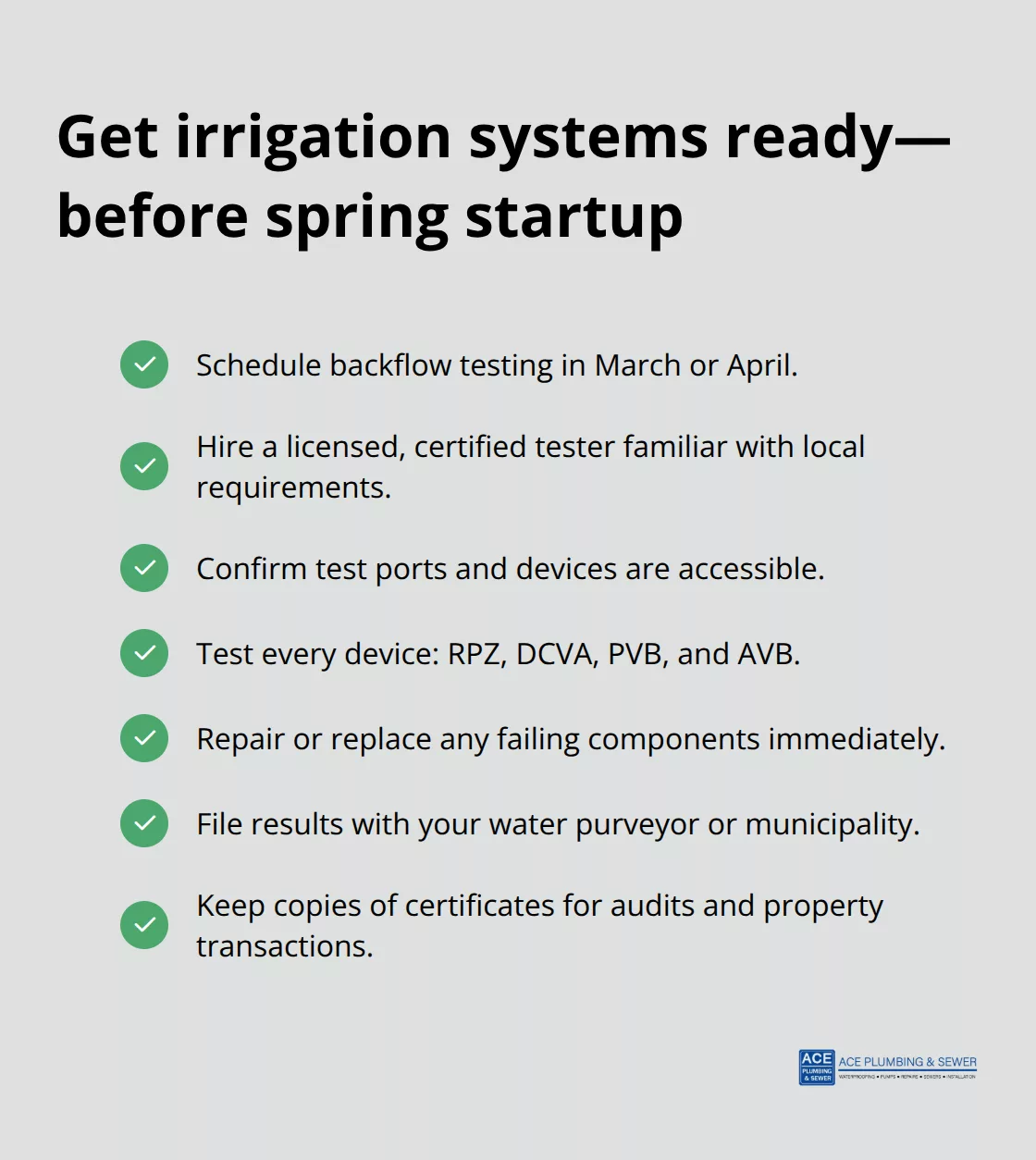
Testing these systems annually before spring startup reveals whether check valves have degraded over winter or whether pressure differentials have drifted out of compliance. Properties that delay testing until summer discover failures only after weeks of potential contamination. Schedule irrigation system backflow testing in March and April specifically to catch these problems before the season begins, protecting families and their community’s water supply from preventable contamination.
Final Thoughts
Backflow testing in Hinsdale protects your family, your business, and your community’s water supply from serious contamination. The risks are real, the regulations are strict, and the solution is straightforward: annual testing with a licensed professional who understands Illinois Plumbing Code requirements and your local municipality’s compliance standards. We at Ace Plumbing & Sewer have served the western suburbs since 1983, and backflow prevention is one of our core specialties.
Our licensed, certified technicians handle everything from initial system assessment through annual testing and documentation filing with your water purveyor across Hinsdale, Hodgkins, Western Springs, Clarendon Hills, and surrounding areas. We work with residential properties, commercial kitchens, industrial facilities, and multi-unit buildings throughout the region. Same-day appointments are available, and we provide complete documentation immediately after testing.
Contact Ace Plumbing & Sewer today to schedule your backflow test. Our technicians arrive on time, work efficiently, and explain exactly what they find so you understand your system’s condition. No hidden fees, no surprises, just professional service backed by decades of experience.
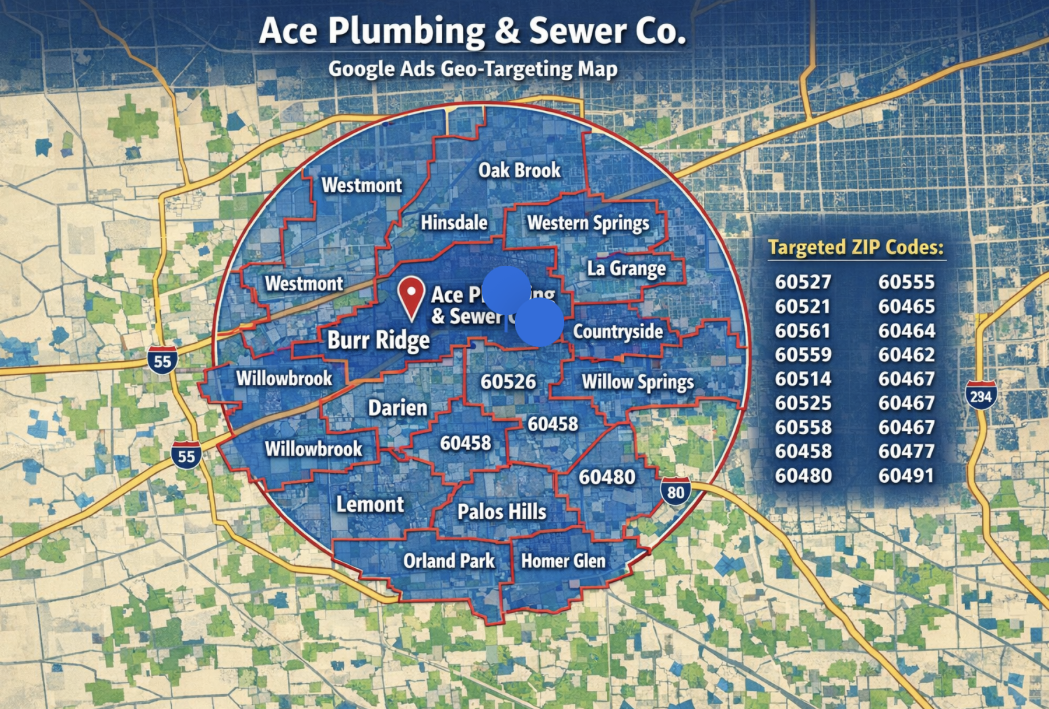
Proudly serving Burr Ridge and Southwest Chicago
Request a free quote
Tell us what’s going on and we’ll get right back to you. Need help now? Call and a real plumber answers 24/7.