Backflow Prevention Systems: Your Complete Guide to Safe Water
Trusted by homeowners across Burr Ridge and Chicago, IL
Every day, your family relies on clean, safe water flowing from your taps. But without proper backflow prevention systems, contaminated water could flow backward into your drinking supply—putting your health and property at serious risk. Understanding how these critical devices protect your water supply isn’t just smart—it’s essential for every property owner who values safety and compliance.
Whether you’re a homeowner in Burr Ridge or manage commercial properties across the western suburbs, backflow prevention isn’t optional. It’s your first line of defense against water contamination that could cost thousands in damages and create serious health hazards for everyone who depends on your water system.

What Is Backflow and Why It Threatens Your Water Supply
Backflow occurs when water flows in the opposite direction from its intended path, potentially allowing contaminated water to enter your clean water supply. Think of it like a straw—when you stop sucking, liquid can flow back down. The same principle applies to your plumbing system when pressure changes occur.
Two main conditions cause backflow: backpressure and backsiphonage. Backpressure happens when downstream pressure exceeds supply pressure, often due to pumps, boilers, or elevated storage tanks. Backsiphonage occurs when supply pressure drops below atmospheric pressure, creating a vacuum effect that pulls contaminated water backward.
The health risks are serious. Contaminated water can carry bacteria, chemicals, pesticides, and other harmful substances directly into your drinking water. Commercial properties face even greater risks, with potential contamination from industrial processes, cooling systems, or irrigation chemicals.
According to the EPA Cross Connection Control and Backflow Prevention Guidelines, thousands of backflow incidents occur annually, many resulting in serious illness or environmental contamination. Property owners who ignore backflow prevention face liability issues, code violations, and potential lawsuits.
Types of Backflow Prevention Systems for Your Property
Choosing the right backflow prevention device depends on your property type, water usage, and contamination risk level. Here’s what you need to know about the most common systems:
Air Gap Systems
The simplest and most reliable method, air gaps create a physical separation between the water supply outlet and the flood level rim of a receiving vessel. You see this every day at your kitchen sink—that gap between the faucet and the sink rim prevents contaminated water from reaching your supply lines.
Air gaps work great for residential applications but aren’t always practical for commercial or industrial settings where continuous water flow is required.
Atmospheric Vacuum Breakers (AVB)
These basic devices protect against backsiphonage in low-hazard situations. They’re commonly used for residential irrigation systems and outdoor hose connections. AVBs are cost-effective but only work when installed above the highest downstream outlet.
Double Check Valve Assemblies (DCVA)
DCVAs provide moderate protection with two independently operating check valves. They’re suitable for situations where contamination would be objectionable but not dangerous to health. Many residential and light commercial applications use DCVAs for water meter protection.
Reduced Pressure Zone Devices (RPZ)
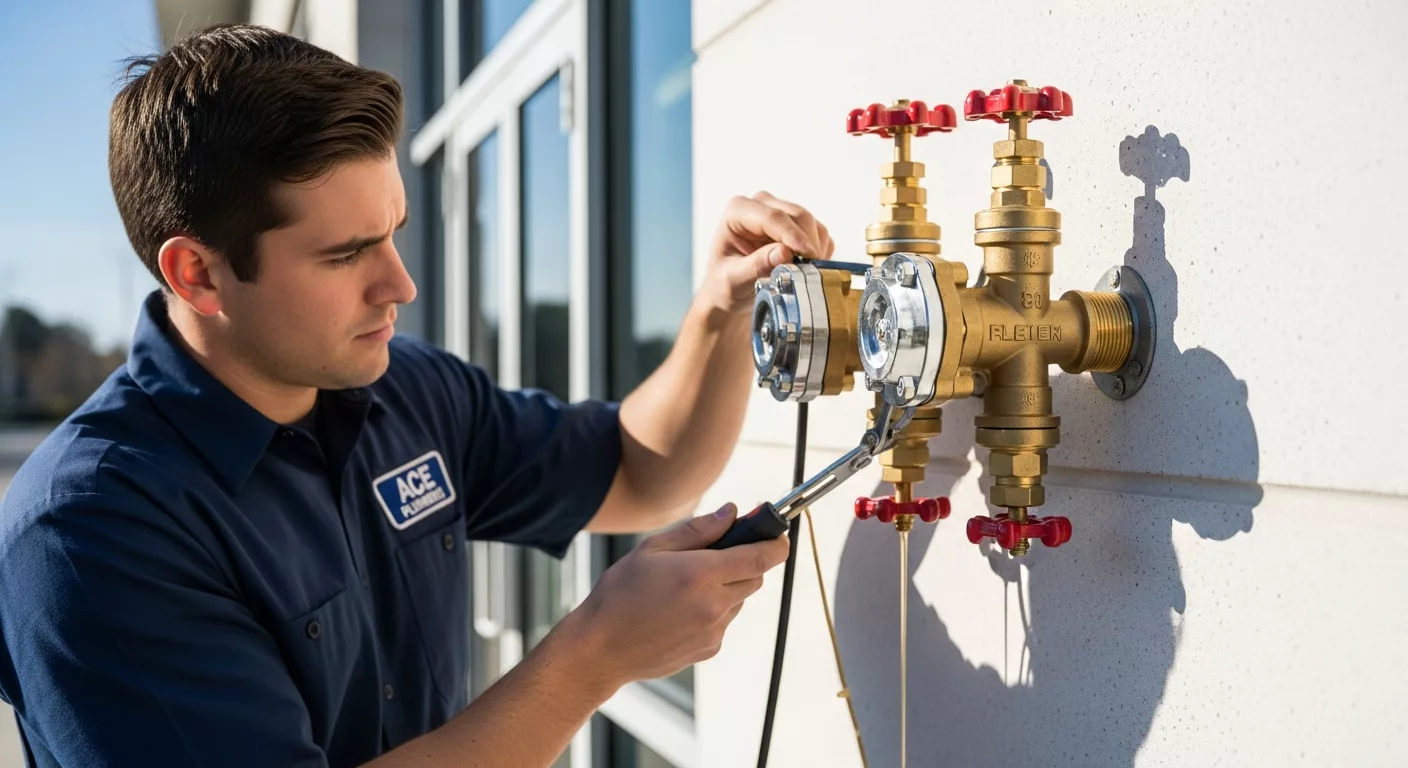
RPZ valves offer the highest level of mechanical protection. They feature two check valves separated by a reduced pressure zone that dumps water if either valve fails. Commercial properties, medical facilities, and industrial sites typically require RPZ devices.
The American Water Works Association Backflow Prevention Resources provides detailed guidance on selecting appropriate devices based on hazard assessment and local code requirements.
Signs Your Backflow Preventer Needs Professional Attention
Backflow prevention devices don’t last forever. Recognizing warning signs early prevents costly emergencies and keeps your water supply safe. Here are key indicators that demand immediate professional attention:
Water Quality Changes
Strange tastes, odors, or discoloration in your water supply often signal backflow preventer failure. Don’t ignore metallic tastes, chlorine-like odors, or cloudy water—these could indicate contamination entering your clean water supply.
Visible Device Problems
Check your backflow preventer regularly for obvious issues:
- Continuous water discharge from relief valves
- Corrosion or mineral buildup on device components
- Cracked or damaged valve housings
- Loose or missing test cocks
Pressure Issues
Sudden drops in water pressure throughout your property might indicate backflow preventer problems. If multiple fixtures experience low pressure simultaneously, your backflow device could be malfunctioning.
Failed Annual Testing
Annual backflow testing isn’t just recommended—it’s required by law in most jurisdictions. If your device fails testing, don’t delay repairs. Contact licensed professionals immediately to restore proper protection.
At Ace Plumbers, we’ve seen too many property owners ignore these warning signs until contamination occurs. Early intervention protects your health and saves money on emergency repairs.
Commercial vs. Residential Backflow Prevention Requirements
The complexity and cost of backflow prevention varies dramatically between residential and commercial applications. Understanding these differences helps you plan appropriately and stay compliant with local codes.
Residential Backflow Protection
Residential backflow devices typically focus on protecting individual homes from low to moderate contamination risks. Most residential systems require:
- Atmospheric vacuum breakers for irrigation systems
- Hose bib vacuum breakers for outdoor water connections
- Double check valves for water meter protection
- Air gaps for dishwashers and washing machines
Residential installations are generally less complex and expensive, with devices ranging from $50 for simple vacuum breakers to $500 for whole-house protection systems. Annual testing requirements vary by municipality but typically cost $75-150 per device.
Commercial Backflow Requirements
Commercial backflow testing involves more sophisticated systems due to higher contamination risks and complex water usage patterns. Commercial properties typically need:
- RPZ assemblies for high-hazard applications
- Larger diameter devices to handle higher flow rates
- Multiple protection points throughout the facility
- Redundant systems for critical applications
Commercial installations often cost $1,000-10,000 depending on size and complexity. The CDC Guidelines on Backflow Prevention emphasize that commercial facilities face stricter regulations due to public health implications.
Properties like restaurants, medical facilities, manufacturing plants, and multi-unit buildings face additional requirements including:
- Professional design and installation by licensed contractors
- Detailed record-keeping for all tests and maintenance
- Immediate notification of device failures
- Periodic hazard assessments and system upgrades
Annual Testing and Maintenance: Protecting Your Investment
Backflow prevention maintenance isn’t optional—it’s legally required and financially smart. Proper maintenance prevents expensive emergency repairs and ensures continuous protection for your water supply.
Why Annual Testing Matters
Backflow preventers contain mechanical components that wear out over time. Springs weaken, seals deteriorate, and debris accumulates in check valves. Without regular testing, you won’t know your device has failed until contamination occurs.
Most municipalities require annual testing by certified professionals. Test results must be submitted to local water authorities within specified timeframes, typically 10-30 days after testing.
What Professional Testing Includes
Certified backflow testers perform comprehensive evaluations using calibrated equipment:
- Visual inspection of all device components and connections
- Pressure testing to verify proper valve operation and pressure differentials
- Flow testing to ensure adequate protection under various conditions
- Documentation of all test results and any necessary repairs
Maintenance Best Practices
Between annual tests, property owners should:
- Perform monthly visual inspections for obvious problems
- Keep vegetation and debris away from outdoor devices
- Protect devices from freezing temperatures
- Maintain detailed records of all service and repairs
For comprehensive maintenance programs, consider partnering with experienced professionals. Our Emergency Plumbing Burr Ridge: 24/7 Rapid Response team provides preventive maintenance contracts that keep your systems compliant and operating efficiently.
Choosing Licensed Professionals for Backflow Installation
Backflow preventer installation requires specialized knowledge and certification. The wrong device or improper installation creates liability risks and leaves your property vulnerable to contamination.
Why Professional Installation Is Essential
Backflow prevention involves complex calculations including:
- Hazard assessment based on property use and contamination sources
- Device sizing for adequate flow rates and pressure requirements
- Proper location selection considering accessibility and freeze protection
- Integration with existing plumbing systems and local codes
DIY installations often fail because homeowners underestimate these complexities. Professional installers understand local codes, manufacturer specifications, and industry best practices.
What to Look for in Backflow Professionals
When selecting contractors for backflow work, verify:
- Proper licensing—Look for certified backflow installers and testers
- Insurance coverage—Ensure adequate liability and workers’ compensation
- Local experience—Contractors should understand local codes and procedures
- Equipment quality—Professionals use calibrated test equipment and quality devices
At Ace Plumbers, our certified technicians have installed and maintained backflow systems throughout the Chicago western suburbs for over 40 years. We understand the unique requirements of both residential and commercial properties.
The Installation Process
Professional backflow preventer installation follows a systematic approach:
- Site assessment and hazard evaluation
- Device selection based on application and local codes
- Permit acquisition and inspection scheduling
- Installation using proper techniques and materials
- Testing and commissioning to verify proper operation
- Documentation and submission to local authorities
Quality installations include proper support, weatherproofing, and accessibility for future testing and maintenance. We also provide detailed documentation and maintenance recommendations to keep your system compliant.
For specialized applications like industrial facilities, consider our Industrial Plumbing Western Springs: Scalable, Code-Compliant Solutions services that address complex backflow prevention needs.
Protecting Your Property Investment
Backflow prevention systems represent a small investment compared to the potential costs of water contamination, property damage, and legal liability. Understanding your options and working with qualified professionals ensures reliable protection for years to come.
Whether you need residential protection for your family home or comprehensive commercial systems for your business, don’t compromise on safety. The right backflow prevention system, properly installed and maintained, provides peace of mind and regulatory compliance.
For expert guidance on backflow prevention systems in Burr Ridge and surrounding communities, contact Ace Plumbers at (708) 204-8602. Our certified technicians provide comprehensive assessments, professional installation, and ongoing maintenance to keep your water supply safe and compliant.
Ready to protect your property with proper backflow prevention? Schedule your consultation today and discover why Chicago western suburbs property owners have trusted our three-generation family business since 1983.
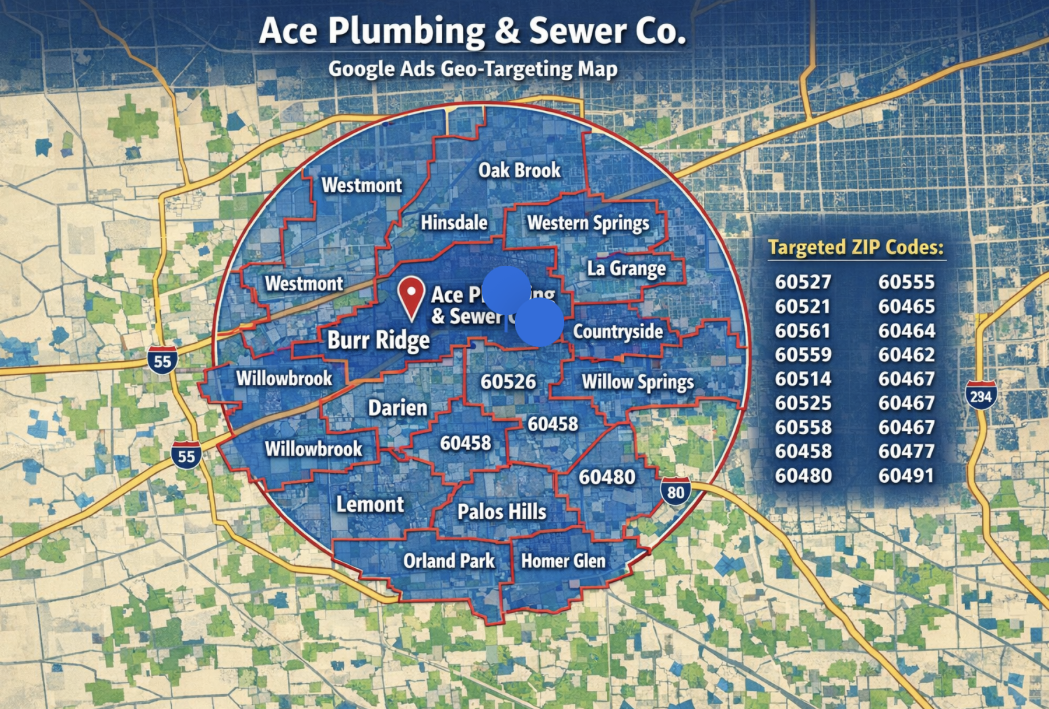
Proudly serving Burr Ridge and Southwest Chicago
Request a free quote
Tell us what’s going on and we’ll get right back to you. Need help now? Call and a real plumber answers 24/7.