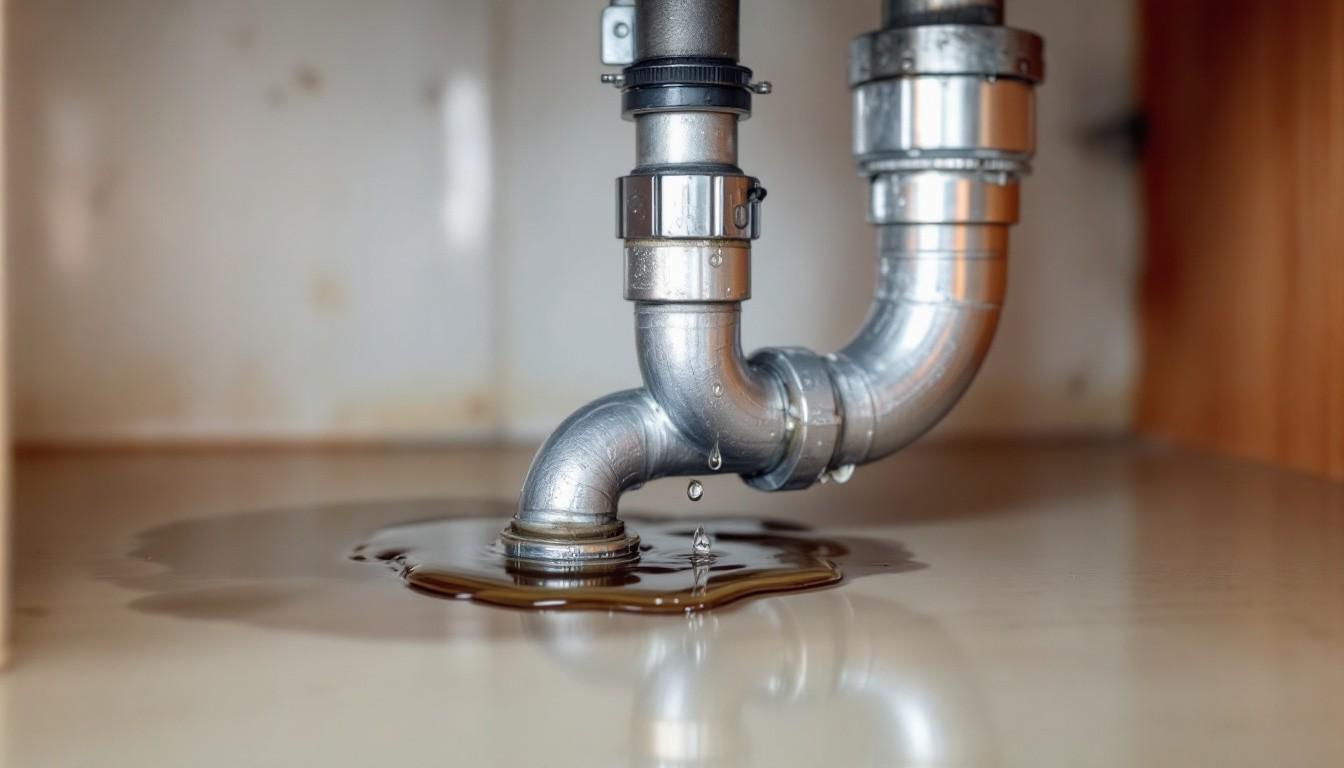
Advanced Leak Detection in La Grange-Stop Water Damage Before It Spreads
Trusted by homeowners across Burr Ridge and Chicago, IL
Water damage costs American homeowners over $13 billion annually, with hidden leaks being the primary culprit. Most leaks go undetected for months, causing extensive structural damage and mold growth.
We at Ace Plumbing & Sewer use advanced leak detection technology to find problems before they become disasters. Modern detection methods can locate leaks within walls, under slabs, and in hard-to-reach areas with pinpoint accuracy.
Which Technologies Actually Find Hidden Leaks
Acoustic Detection Pinpoints Water Flow Sounds
Acoustic leak detection employs sensitive microphones and ground sensors to detect the sound of water that escapes from pipes. Water under pressure creates distinct frequencies between 100-300 Hz when it exits through cracks or holes. Professional technicians place devices directly on pipes, valves, and the ground surface above suspected leak areas. This method works exceptionally well on metal pipes where sound travels efficiently and detects leaks as small as one gallon per hour. The technology identifies leak locations within 2-3 feet of accuracy, even through concrete slabs up to 4 feet thick. Advanced acoustic equipment distinguishes between leak sounds and background noise like traffic or HVAC systems.

Thermal Cameras Reveal Temperature Differences
Infrared thermal imaging detects temperature variations that water leaks cause and show hot or cold spots invisible to the naked eye. Water that leaks from hot water lines appears as warm areas on thermal images, while cold water leaks create cooler zones. This non-invasive method works through walls, ceilings, and floors without demolition requirements. Thermal detection proves most effective when temperature extremes create maximum contrast between leak water and materials (professional-grade thermal cameras cost $15,000-$25,000). The technology detects temperature differences and locates moisture problems behind tile, drywall, and insulation where traditional methods fail.
Electronic Sensors Monitor Water Presence
Electronic leak detectors use moisture sensors, conductivity meters, and pressure monitors to identify water where it should not exist. These devices measure electrical resistance changes when water contacts sensor probes that technicians place along pipe routes and in vulnerable areas. Smart water sensors send instant alerts to smartphones when moisture levels exceed normal thresholds. Pressure-sensitive systems monitor water line pressure drops that indicate leaks and detect pressure changes as small as 0.1 PSI. Electronic systems provide 24/7 monitoring capabilities and catch leaks within minutes rather than months.
These advanced detection methods work best when professionals combine multiple technologies to locate different types of leaks throughout La Grange homes.
Where Do Most Home Leaks Actually Start
Foundation and Slab Vulnerabilities Strike First
Slab leaks develop when water lines beneath concrete foundations corrode or shift due to soil movement. Clay soil in La Grange expands and contracts with moisture changes and puts constant pressure on copper pipes that contractors installed in the 1960s and 1970s. These pipes typically fail after 40-50 years, with pinhole leaks that start where pipes contact rebar or concrete. Foundation settlements of just 1-2 inches create enough stress to crack rigid pipe joints and cause immediate water loss.
Hot water lines fail more frequently than cold lines because thermal expansion accelerates metal fatigue. Homes that builders constructed before 1980 show slab leak rates 3 times higher than newer construction due to outdated pipe materials and installation methods that contractors used decades ago.
Wall Cavity Failures Create Hidden Damage
Plumbing failures behind walls account for 28% of home water damage claims with average costs of $13,954. Copper pipes develop pinhole leaks where they contact metal studs or electrical wires and create galvanic corrosion that eats through pipe walls. Water heater connections fail when flexible supply lines exceed their 8-10 year lifespan, with braided steel lines that show higher failure rates than solid copper connections.

Toilet supply valves leak when rubber washers deteriorate after 5-7 years of use. Bathroom fixtures that homeowners install during remodels often develop leaks within 2-3 years when DIY installations skip proper joint seals (professional installations last 15-20 years longer). Kitchen sink connections under cabinets leak frequently due to constant vibration from garbage disposals and dishwashers that loosen threaded fittings over time.
Water Heater and Appliance Connection Points
Water heaters create multiple leak opportunities through temperature and pressure relief valves, drain valves, and supply line connections. Tank-style water heaters develop sediment buildup that corrodes the bottom of tanks after 8-12 years of service. Tankless units leak at heat exchanger connections when mineral deposits block water flow and create pressure spikes.
Washing machine supply hoses burst without warning after 5 years of use, with rubber hoses that fail more often than stainless steel braided versions. Dishwasher connections leak at the water supply valve and drain hose connections where constant heat cycles weaken rubber seals. These appliance leaks often go unnoticed for weeks because they occur in utility areas that homeowners rarely inspect.
Professional leak detection services identify these hidden problems before they cause thousands of dollars in water damage and structural repairs.
Why Professional Detection Saves Money Long-Term
Professional leak detection services deliver measurable financial returns that far exceed their initial cost. Water damage restoration can cost more than $11,000 in repairs even from just one inch of water in a small home, while professional leak detection typically costs $300-$500. Early detection through regular inspections can save homeowners thousands of dollars in potential repairs. This prevents structural damage that requires foundation repairs costing $15,000-$25,000 and stops mold remediation expenses that average $3,500-$7,000 per affected room.
Detection Technology Cuts Water Bills Immediately
Hidden leaks waste enormous amounts of water that directly impact monthly bills. A single pinhole leak wastes 970 gallons per month and adds $25-$35 to water costs. Slab leaks contribute to significant water waste, and household leaks can account for substantial water loss annually. Professional detection identifies these problems within hours rather than months and stops waste before it accumulates.
The Environmental Protection Agency estimates that leak repairs reduce household water consumption by 12% on average. Thermal cameras and acoustic detection locate multiple small leaks that homeowners never notice but collectively waste hundreds of gallons weekly.
Insurance Benefits Reward Prevention
Insurance companies report that homes with professional leak detection systems experience 65% fewer major water damage claims. Many insurers offer premium discounts up to 15% for properties with monitored leak detection systems (similar to discounts for security systems or smoke detectors). These savings compound annually and often pay for detection services within 2-3 years.

Claims-free homes maintain better insurance rates and avoid the coverage restrictions that insurers place on properties with water damage history. Professional detection creates documentation that proves proactive maintenance to insurance adjusters.
Property Values Stay Protected Through Prevention
Water damage creates permanent property value reduction that professional detection prevents completely. Homes with documented water damage history sell for 8-12% less than comparable properties without damage records. Mold problems require disclosure to buyers and reduce sale prices by $15,000-$30,000 according to real estate market analysis.
Professional leak detection maintains clean inspection records and prevents the structural deterioration that makes homes difficult to sell. Foundation integrity stays intact when leaks get caught before they saturate soil and cause settlement problems that cost tens of thousands to repair.
Final Thoughts
La Grange homeowners face significant financial risks when water leaks remain hidden for months or years. Professional leak detection services prevent the $11,000+ repair costs that concealed leaks create through structural damage and mold growth. Advanced acoustic sensors, thermal cameras, and electronic monitors locate problems that traditional methods miss completely.
We at Ace Plumbing & Sewer combine decades of experience with advanced detection technology to protect your property investment. Our licensed team identifies leaks within walls, under slabs, and in hard-to-reach areas before they cause expensive damage (early detection saves thousands in repair costs while it preserves your home’s value and structural integrity).
Water damage spreads quickly once it starts, but professional leak detection catches problems early and stops them from affecting your entire home. Contact our experienced team today for comprehensive leak detection solutions that protect your La Grange property from costly water damage. Advanced technology makes the difference between minor repairs and major reconstruction projects.
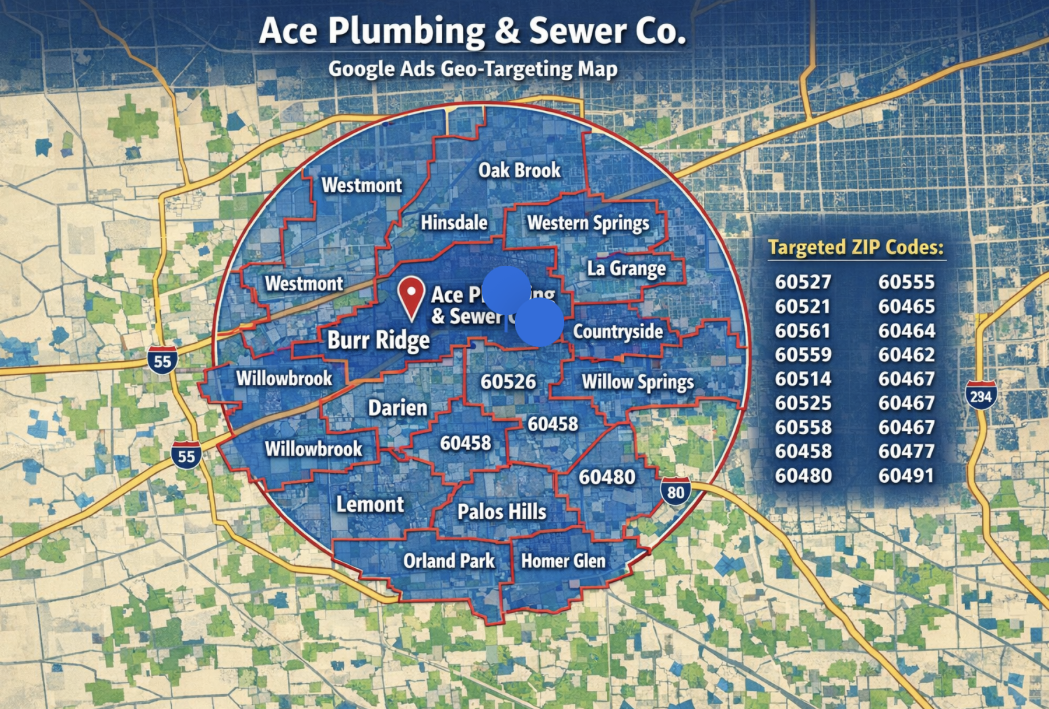
Proudly serving Burr Ridge and Southwest Chicago
Request a free quote
Tell us what’s going on and we’ll get right back to you. Need help now? Call and a real plumber answers 24/7.