How to Stop Basement Flooding with a Sump Pump
Trusted by homeowners across Burr Ridge and Chicago, IL
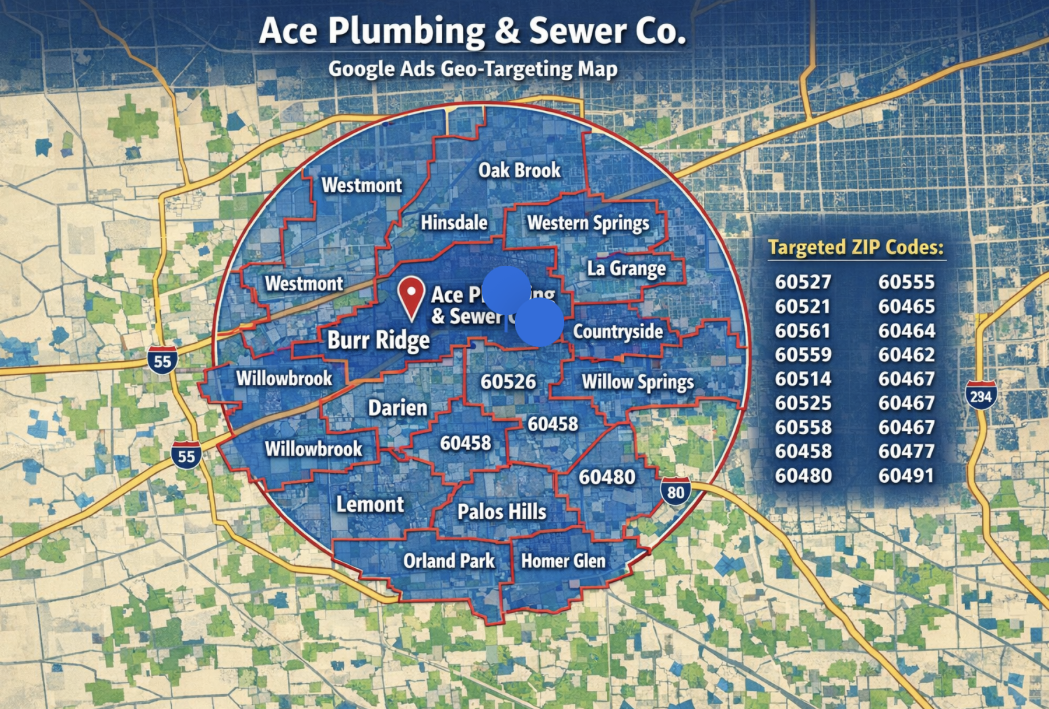
Basement flooding affects thousands of homeowners across Burr Ridge, Hinsdale, and Westmont each year, causing extensive property damage and costly repairs.
A basement flooding sump pump system serves as your first line of defense against water intrusion, automatically removing excess water before it can damage your foundation or belongings. We at Ace Plumbing & Sewer have installed hundreds of these systems throughout the western suburbs, protecting homes from seasonal flooding and unexpected water emergencies.
Understanding Basement Flooding and Sump Pump Solutions
Common Causes of Basement Flooding
Heavy rainfall overwhelms drainage systems across Burr Ridge, Darien, and Westmont, with roughly 14,000 U.S. residents filing water damage claims each day, equating to about 1 in 60 insured homes annually. Spring snowmelt combines with clay soil common throughout DuPage County to create hydrostatic pressure against foundation walls.
Aging sewer systems in older neighborhoods like Hinsdale and Clarendon Hills frequently back up during storms. These systems push contaminated water into basements through floor drains and utility connections (particularly during peak rainfall periods).
How Sump Pumps Prevent Water Damage
A properly installed sump pump activates automatically when water reaches preset levels in your basement’s lowest point. The system removes water efficiently, which prevents costly damage to furnaces, electrical panels, and stored belongings.

Submersible pumps sit below water level for maximum efficiency, while pedestal models position motors above the pit for easier maintenance. Battery backup systems operate during power outages (which occur in 40% of severe weather events according to ComEd data). Professional installation includes proper discharge lines that direct water at least 20 feet from your foundation to prevent recirculation.
Types of Residential Sump Pumps
Submersible sump pumps handle higher water volumes and operate more quietly than pedestal models, making them ideal for finished basements in Willowbrook and Indian Head Park. Quarter-horsepower pumps work for standard residential basements, while one-third horsepower units handle larger spaces or areas with high water tables.
Installation costs range from $1,000 to $2,500 depending on pit preparation and electrical requirements. This investment prevents thousands in flood damage cleanup costs and protects your home’s foundation integrity.
The next step involves selecting the right pump specifications and features for your specific home conditions and local water table levels.
Which Sump Pump Works Best for Your Basement
Submersible Pumps Deliver Superior Performance
Submersible pumps outperform pedestal models in every meaningful way for basement protection in Burr Ridge, Darien, and Westmont homes. These units operate underwater and handle up to 4,400 GPH compared to pedestal pumps’ lower capacity. Submersible models run 50% quieter and last 8-10 years versus 5-7 years for pedestal units, which makes them the clear choice despite higher upfront costs of $200-400 more.
Horsepower Selection Based on Your Space
Quarter-horsepower pumps handle basements under 1,000 square feet with standard water infiltration, while one-third horsepower units work for larger spaces or homes near creeks in Hinsdale and Clarendon Hills. Half-horsepower pumps become necessary for basements that exceed 2,000 square feet or properties with high water tables common throughout DuPage County. An undersized pump leads to continuous operation and premature failure, while oversized units waste energy and money through short-cycle operation.

Battery Backup Systems Save Your Investment
Power outages occur during severe storms, which leaves standard pumps useless when you need them most. Battery backup systems maintain operation for 8-12 hours during typical outages and pump 1,800 gallons on a single charge. We recommend sealed AGM batteries over maintenance-free gel types for Willowbrook and Indian Head Park installations, as they handle temperature fluctuations better and provide 3-5 years of reliable service.
Professional installation includes automatic switches between primary and backup power, plus audible alarms when backup activation occurs. This comprehensive approach to pump selection and backup power protection sets the foundation for proper installation techniques that maximize system effectiveness.
Professional Sump Pump Installation Process
Site Assessment Determines System Requirements
Professional sump pump installation begins with precise measurements of your basement’s lowest point and water infiltration calculations during peak conditions. Licensed plumbers excavate sump pits 24 inches deep and 18 inches wide, positioned away from foundation footings to avoid structural damage. Clay soil throughout Burr Ridge, Hinsdale, and Westmont demands specialized drainage tile installation that connects to the pit at exact angles for optimal water collection. Electrical capacity evaluation becomes essential, as proper circuit protection ensures safe operation for both 120-volt and larger pump installations.

Pit Preparation and Drainage Setup
Contractors dig the sump pit through concrete basement floors and compact gravel bases to create stable pump foundations. Perforated drainage tiles surround the pit perimeter and connect to exterior foundation drains in Darien, Willowbrook, and Indian Head Park installations. Professional teams seal pit walls with waterproof membrane and install airtight covers that prevent debris accumulation and odor escape. The pit design includes proper slope gradients (typically 1% minimum) that direct water flow toward the pump intake.
Discharge Line Installation Prevents Failures
Discharge pipes extend at least 20 feet from your foundation and include check valves that prevent water backflow, extend pump life, and ensure basement protection during storms. Professional installation features IceGuard fittings on exterior discharge lines to prevent freeze-ups that cause basement floods during winter months. Buried discharge lines run below frost depth with pop-up emitters that direct water away from neighboring properties in Clarendon Hills and Westmont areas. Proper pipe sizing (typically 1.5-inch minimum diameter) handles peak flow rates without pressure buildup.
System Testing and Calibration
Technicians fill the pit with water to verify pump activation, float switch operation, and complete water evacuation within 60 seconds for quarter-horsepower units. Testing procedures include discharge line flow verification and electrical connection inspection to confirm proper grounding and circuit protection. Professional calibration adjusts float switch positions for optimal on/off cycles and prevents short-cycle operation that reduces pump lifespan. Final testing simulates actual flood conditions to validate system performance before project completion.
Final Thoughts
Professional basement flooding sump pump systems boost property values by 3-5% throughout Burr Ridge, Hinsdale, and Westmont while reducing insurance premiums for documented flood protection. Quality installations operate reliably for 8-10 years with minimal maintenance costs compared to thousands in flood damage cleanup expenses. These systems protect your largest financial investment and maintain basement usability year-round.
Contact a licensed plumber immediately when your pump runs continuously, makes unusual noises, or fails to activate during testing. Strange odors, visible rust, or water in your basement signal urgent replacement needs. We at Ace Plumbing & Sewer provide same-day emergency response for pump failures throughout Darien, Willowbrook, and Clarendon Hills.
Your Burr Ridge home deserves comprehensive flood control solutions that protect foundation integrity and prevent mold growth. Professional basement flooding sump pump installation safeguards your property for decades with warranty-backed service. Contact us today for transparent pricing and expert installation that keeps your basement dry during the heaviest storms.

Proudly serving Burr Ridge and Southwest Chicago
Request a free quote
Tell us what’s going on and we’ll get right back to you. Need help now? Call and a real plumber answers 24/7.