How to Choose the Right Auto Sump Pump for Your Home
Trusted by homeowners across Burr Ridge and Chicago, IL
Basement flooding affects over 60% of American homes according to the American Society of Home Inspectors. An auto sump pump serves as your first line of defense against water damage in areas like Burr Ridge, Hinsdale, and Westmont.
We at Ace Plumbing & Sewer help homeowners across the western suburbs select the right plumber for proper installation. The right system protects your foundation and prevents costly repairs.
How Auto Sump Pumps Protect Your Property
Automatic Activation Prevents Water Damage
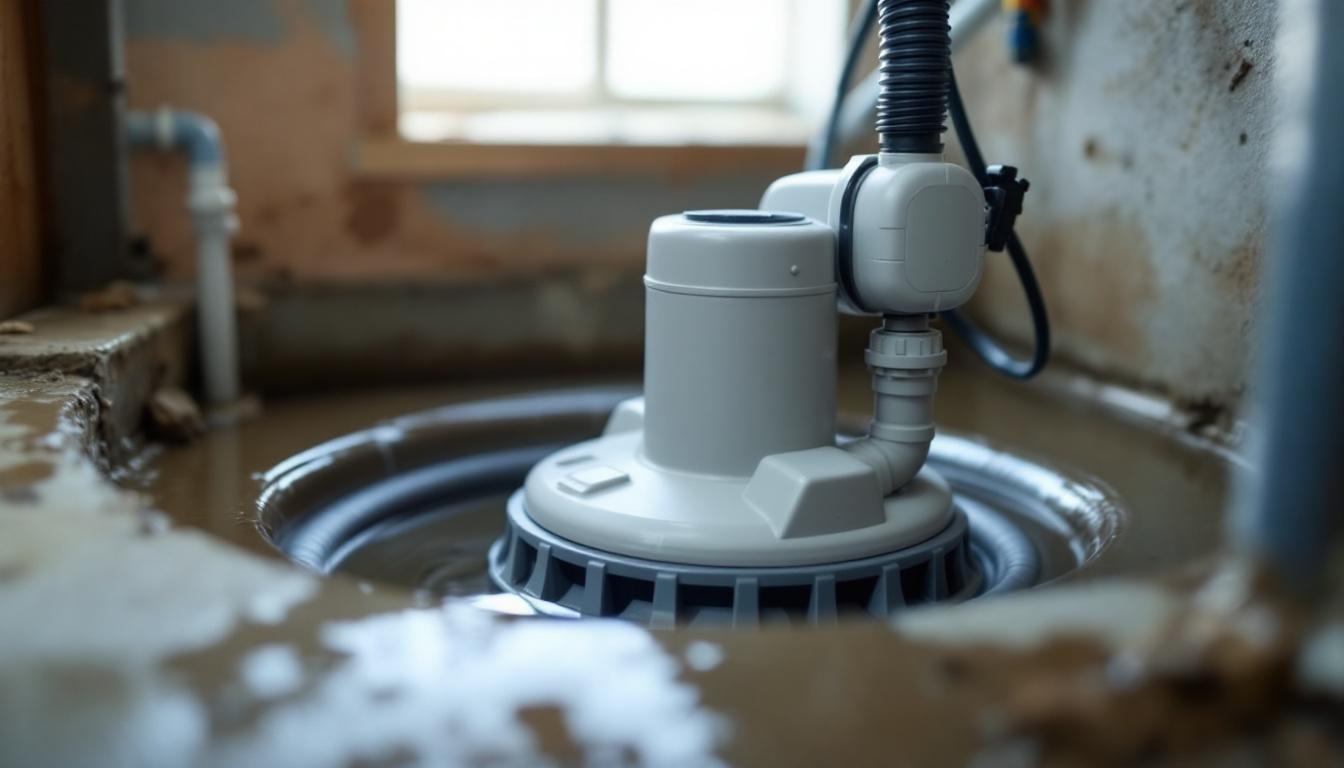
An auto sump pump activates when water reaches a preset level in your basement’s sump pit. The system uses a float switch that rises with water levels and triggers the pump motor to remove water before it floods your basement. Submersible models operate underwater and handle flow rates of 35-60 gallons per minute for most residential applications in areas like Clarendon Hills, Western Springs, and Indian Head Park. The pump pushes water through discharge pipes away from your foundation and typically handles vertical lifts of 7-20 feet (depending on horsepower).

Warning Signs That Demand Immediate Action
Water stains on basement walls, musty odors, or visible moisture during heavy rains indicate immediate need for automatic protection. Homes with basements below the water table face the highest risk, especially in clay soil common throughout the western suburbs. Foundation cracks wider than 1/8 inch allow groundwater entry that manual systems cannot handle effectively. Properties near Willowbrook and Darien experience seasonal floods that require 24/7 automatic response. Basement damage costs average $10,000-25,000 when homeowners rely on manual pumps that fail during storms.
Superior Performance Over Manual Systems
Manual sump pumps require constant watch and physical activation during emergencies. Automatic systems respond within seconds of water detection, while manual operation often results in delayed response and property damage. Battery backup capabilities in modern auto pumps deliver flow rates between 800-2,000 gallons per hour and maintain protection during power outages that disable manual systems. Electronic float switches provide superior reliability compared to mechanical alternatives and reduce failure rates by 40% according to pump manufacturer data. Regular testing every three to four months ensures your system functions properly when needed.
The next step involves selecting the right specifications for your specific basement conditions and water table challenges.
What Pump Specifications Match Your Home
Horsepower Selection Based on Basement Depth
Basement depth and water table conditions determine horsepower requirements for effective water removal. A 1/3 HP pump handles vertical lifts of 7-10 feet and works for average basement conditions in Burr Ridge and Hinsdale homes with standard water tables. Properties with deeper basements or high water tables in Clarendon Hills and Western Springs need 1/2 HP models that deliver 35-40% more capacity. Homes near Willowbrook with flood-prone areas require 3/4 HP or 1 HP pumps that provide 20-25% additional capacity over 1/2 HP units.

Vertical lifts that exceed 20 feet or horizontal discharge runs longer than 150 feet demand higher horsepower to maintain adequate water flow. Homeowners must measure their specific lift requirements before they select horsepower ratings for optimal performance.
Flow Rate and Head Pressure Calculations
Flow rate requirements depend on your basement size and expected water influx during storms. Most residential applications in Darien and Indian Head Park need 35-60 gallons per minute capacity for effective flood protection. Tank sump pumps typically range from 1,800 to 4,200 gallons per hour capacity. Head pressure calculations include vertical lift plus friction losses from pipe length and fittings.
Each 90-degree elbow adds approximately 2.5 feet of head pressure while every 10 feet of horizontal pipe adds 1 foot of head loss. Modern systems use 1.5-inch PVC discharge pipes to minimize friction losses and maintain flow efficiency throughout the system.
Submersible vs Pedestal Performance Comparison
Submersible pumps operate underwater and provide superior performance for most residential applications. These units run 40% quieter than pedestal models and handle debris better due to enclosed motor design. Submersible models cost more initially but last longer and require less maintenance than pedestal alternatives.
Pedestal pumps work in shallow sump pits but create noise issues and need frequent motor service. Electronic float switches in submersible units provide better reliability than mechanical switches and reduce failure rates significantly compared to pedestal alternatives. Consider adding a backup system to ensure continuous protection during power outages.
Professional installation becomes the next critical step once you understand these specifications and their impact on your home’s protection system.
Should You Install Your Auto Sump Pump Yourself
Professional Installation Prevents Common Failures
Professional installation costs $800-1,500 but prevents common DIY installation issues. Improper electrical connections cause 30% of sump pump failures, while incorrect float switch placement accounts for another 25% of system breakdowns.

Homeowners who attempt DIY installation often violate local electrical codes that require GFCI protection and dedicated circuits for basement pumps (especially in municipalities with strict requirements). Licensed professionals handle permits and code compliance for installations across Burr Ridge, Westmont, and Clarendon Hills where municipal requirements vary significantly.
Monthly Tests Prevent Emergency Failures
Test your auto sump pump every 30 days by pouring water into the pit until the float activates the system. Electronic float switches should trigger at water levels 6-8 inches above the pit bottom, while mechanical switches need 10-12 inches of water depth. Clean debris from the pit every three months and inspect discharge pipes for ice blockages during winter months in areas like Hinsdale and Western Springs. Battery backup systems require annual battery replacement and monthly voltage tests to maintain 12-volt output capacity. Pump motors that run longer than 45 seconds during tests indicate clogged impellers or motors that need immediate professional attention.
Critical Warning Signs Demand Immediate Action
Strange noises during operation signal bearing wear or debris in the impeller chamber that requires professional diagnosis. Pumps that cycle on and off rapidly indicate undersized units or faulty float switches that cannot handle water influx properly. Water levels that rise above normal activation points suggest pump capacity problems or discharge line blockages that need emergency repair. Rust stains around the pump housing indicate internal corrosion that compromises motor seals and electrical safety (particularly dangerous in basement environments). Homeowners in Darien and Indian Head Park should replace pumps immediately when these symptoms appear rather than risk basement floods during the next storm.
Final Thoughts
Auto sump pump selection demands careful evaluation of horsepower, flow rate, and installation type based on your specific basement conditions. Homes in Burr Ridge, Hinsdale, and surrounding areas face unique water table challenges that require proper pump capacity and professional assessment. Licensed technicians assess vertical lift requirements, discharge pipe routes, and electrical compliance to match pump specifications with your property’s needs.
Professional evaluation prevents costly mistakes that lead to system failures during critical flood events. Improper pump selection results in basement damage that averages $10,000-25,000 per incident (especially common when homeowners choose undersized units). Expert installation handles permits, code compliance, and warranty protection for long-term basement security.
We at Ace Plumbing & Sewer provide comprehensive plumbing solutions for auto sump pump installation and maintenance across western Chicago suburbs. Our licensed, bonded, and insured technicians deliver same-day emergency response throughout Westmont, Clarendon Hills, and Indian Head Park. Contact The Ace Plumber at (708) 204-8602 for professional assessment and installation that protects your investment with proper auto sump pump selection.
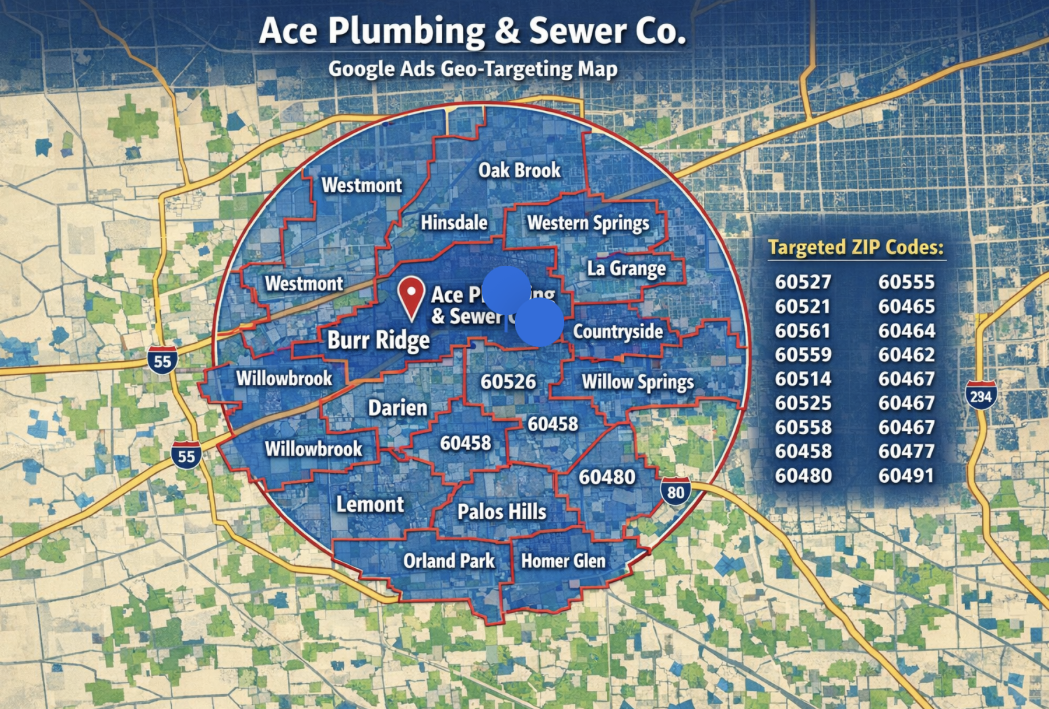
Proudly serving Burr Ridge and Southwest Chicago
Request a free quote
Tell us what’s going on and we’ll get right back to you. Need help now? Call and a real plumber answers 24/7.