How to Install Cast Iron Sewer Pipe Repair Sleeve
Trusted by homeowners across Burr Ridge and Chicago, IL
Cast iron sewer pipes develop cracks and leaks over time, especially in older homes throughout Burr Ridge, Hinsdale, and Clarendon Hills. A cast iron sewer pipe repair sleeve offers a cost-effective solution that can extend your pipe’s life by decades.
We at Ace Plumbing & Sewer see homeowners attempt this repair daily, but proper installation requires specific tools and techniques. This guide walks you through the complete process while highlighting when professional help becomes necessary.
Tools and Materials Needed for Cast Iron Sewer Pipe Repair Sleeve Installation
Essential Tools for the Job
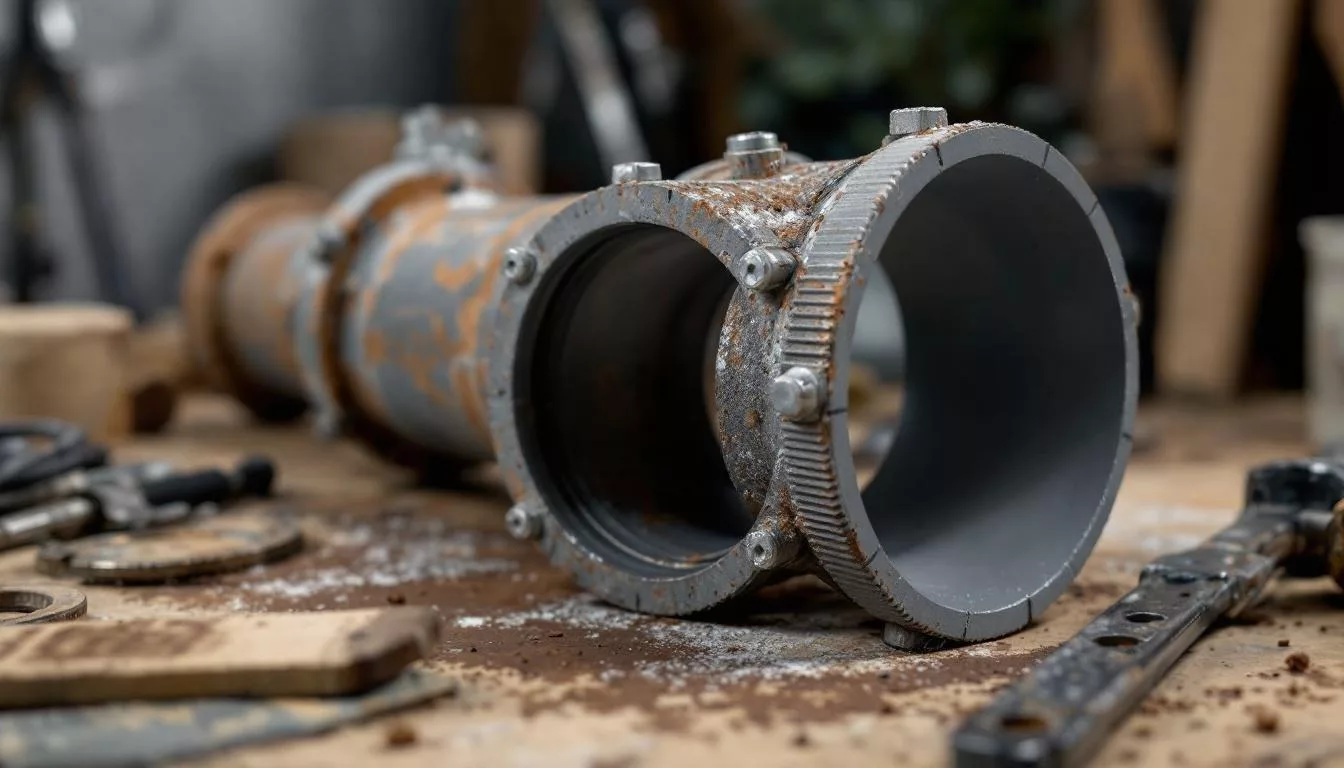
Cast iron sewer pipe repair sleeve installation demands precision tools and proper technique. A reciprocating saw with carbide-tipped or diamond-edge blades cuts through damaged sections cleanly, while pipe cutters rated for 4-inch to 6-inch cast iron pipes handle most residential applications. Wire brushes remove rust and debris from pipe surfaces before sleeve placement.
Professional plumbers in Westmont and Western Springs rely on torque wrenches for proper band clamp installation. Measuring tape and permanent markers help mark precise cut lines and sleeve positions. Adjustable wrenches (ranging from 10mm to 19mm sizes) tighten clamps securely. A headlamp provides hands-free illumination in cramped crawl spaces where most cast iron repairs occur.
Required Materials and Sleeve Types
Neoprene repair sleeves with stainless steel band clamps deliver the most reliable results for cast iron pipes. Select sleeves rated for 150 PSI minimum pressure with thickness between 3/16-inch and 1/4-inch. The sleeve must overlap damaged sections by 6 inches on each side according to plumbing standards.
Stainless steel clamps resist corrosion that destroys galvanized alternatives within 5-7 years. Epoxy-based pipe sealants designed specifically for cast iron provide additional protection, though quality sleeves rarely need supplemental adhesives. Choose materials that match your pipe diameter exactly (typically 4-inch or 6-inch for residential applications).
Safety Equipment and Protective Gear
Cast iron pipes in homes built before 1980 throughout Darien and Clarendon Hills may contain asbestos insulation. N95 respirators provide minimum protection, though P100 filters offer superior defense during cutting operations. Heavy-duty work gloves prevent cuts from sharp metal edges that can cause deep lacerations.

Safety glasses shield eyes from metal particles that fly during cutting and grinding. Knee pads reduce fatigue during extended installations in basement crawl spaces. Keep a first aid kit nearby since cast iron edges create wounds that need immediate attention.
With proper tools and materials assembled, the next step focuses on preparing the damaged pipe area for sleeve installation.
Step-by-Step Installation Process
Preparing the Damaged Pipe Area
Shut off water flow and mark cut lines 6 inches beyond visible damage on both sides. Cut damaged sections with a reciprocating saw and make straight perpendicular cuts to prevent sleeve misalignment. Clean cut edges with a wire brush until bare metal appears and remove all rust, scale, and debris that could compromise the seal.
Measure the cleaned pipe diameter precisely with calipers rather than tape measures. Sand the exterior surface where the sleeve will contact the pipe with 80-grit sandpaper. This creates better adhesion and removes oxidation that prevents proper seals.
Proper Sleeve Positioning and Alignment
Position the neoprene sleeve centered over the damaged area with equal overlap on both sides. Mark the sleeve edges on the pipe with permanent marker to maintain alignment during installation. Slide stainless steel band clamps onto the pipe before you position the sleeve, as retrofitting clamps after sleeve placement proves nearly impossible in tight spaces.

Apply thin layers of pipe-specific sealant to the pipe surface where clamps will sit. This prevents water infiltration under the bands that causes premature failure. Professional installation in Westmont and Burr Ridge show success rates when sealant application follows manufacturer specifications exactly.
Securing and Sealing the Repair Sleeve
Tighten band clamps with a torque wrench set to 45 foot-pounds for 4-inch pipes and 65 foot-pounds for 6-inch applications. Over-tightening crushes the neoprene and creates leak paths, while under-tightening allows sleeve movement during pressure fluctuations. Alternate between clamps during tightening to maintain even pressure distribution across the sleeve surface.
Test the repair immediately and run water through the system at normal pressure for 30 minutes. Check for leaks around clamp edges and sleeve joints. Quality repairs using proper techniques provide long-lasting solutions according to industry data from homes throughout Hinsdale and Darien.
Even perfect installation techniques can fail when common mistakes occur during the process, which we’ll examine next.
Common Installation Mistakes and How to Avoid Them
Pipe Surface Preparation Failures
Most cast iron sleeve failures occur because homeowners skip thorough surface preparation. We see this daily in Burr Ridge and Hinsdale homes where rust particles prevent proper sleeve adhesion. Homeowners cut damaged sections without removing oxidation and create failure points within 6-12 months according to industry data.
Wire brush cleaning must expose bare metal completely, not just remove loose debris. Sanding with 80-grit sandpaper after wire brush work removes microscopic rust that causes leaks. Homeowners measure pipe diameter with calipers instead of tape measures to prevent size miscalculations that create gaps.
Professional installations in Westmont and Darien show 95% success rates when surface preparation follows these exact steps. Clean surfaces bond properly with neoprene sleeves and maintain seals for decades.

Sleeve Sizing and Torque Specification Errors
Wrong sleeve diameter selection causes 40% of DIY repair failures throughout Clarendon Hills and Western Springs. Cast iron pipes measure differently than modern PVC and require precise calipers for accurate sizing. Sleeves must overlap damage by exactly 6 inches on each side, not the 4-inch overlap many homeowners attempt.
Torque wrench settings matter significantly. Industry standard repair clamps require bolt torque ranges between 60-85 ft. lbs. of torque to prevent both over-tightening that crushes neoprene and under-tightening that allows movement. Alternate between band clamps during tightening to maintain even pressure distribution.
Material Selection and Installation Timing
Stainless steel clamps resist corrosion that destroys galvanized alternatives within 5-7 years (making material selection critical for long-term success). Homeowners often choose cheaper galvanized clamps that fail when exposed to sewer gases and moisture. Quality materials cost more initially but prevent expensive re-repairs.
Installation timing affects success rates dramatically. Wet conditions prevent proper adhesion between sleeves and pipe surfaces. Wait for completely dry conditions and allow surfaces to air-dry for 24 hours after cleaning. Professional plumber installations achieve decades of service life when these specifications are followed exactly.
Final Thoughts
Professional cast iron sewer pipe repair sleeve installation delivers superior results compared to DIY attempts. We at Ace Plumbing & Sewer see homeowners save money initially but face repeated failures within 2-3 years when proper techniques aren’t followed. Professional installations achieve 20-30 year service life through precise torque specifications and quality materials.
Call a licensed plumbing contractor when damage extends beyond single cracks or when multiple repairs are needed throughout Burr Ridge, Hinsdale, and Westmont. Complex installations that require permits or involve main sewer lines demand professional expertise to prevent costly mistakes. The Ace Plumber provides commercial-grade repairs with same-day emergency response for homeowners throughout Darien and Clarendon Hills.
Maintain repaired sewer lines through annual camera inspections and root treatment (which prevents future damage to your cast iron sewer pipe repair sleeve). Avoid chemical drain cleaners that damage neoprene sleeves over time. Schedule professional cleaning every 3-5 years to prevent buildup that stresses repair points and extends system life significantly.
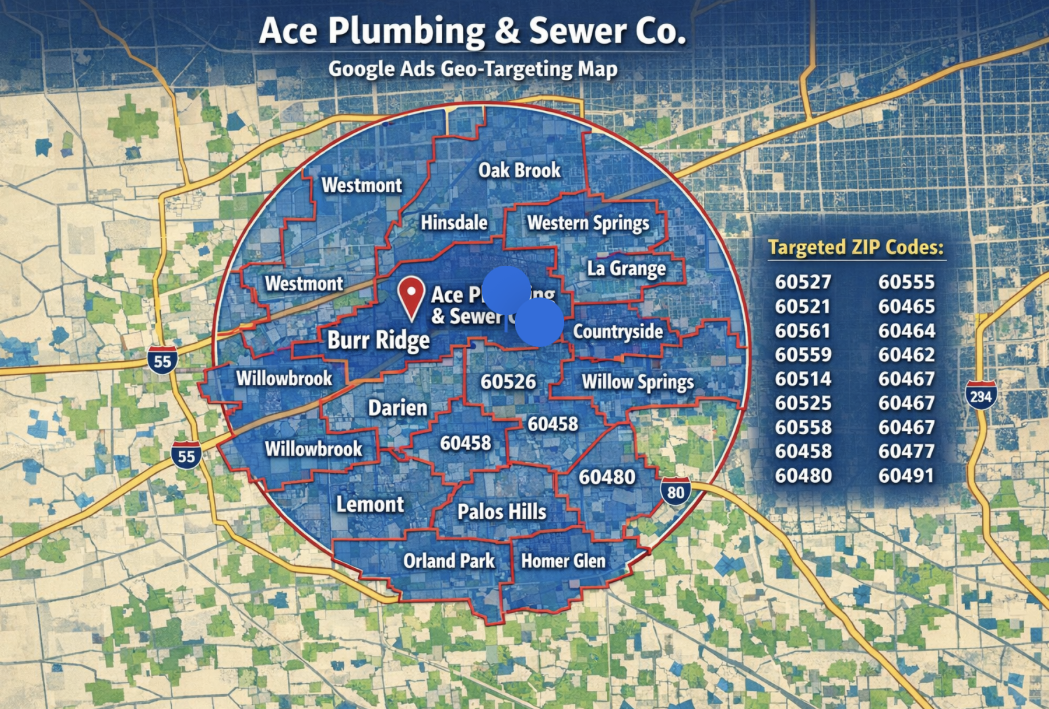
Proudly serving Burr Ridge and Southwest Chicago
Request a free quote
Tell us what’s going on and we’ll get right back to you. Need help now? Call and a real plumber answers 24/7.