How to Choose the Right Sump Pump for Industrial Use
Trusted by homeowners across Burr Ridge and Chicago, IL
Picking the wrong sump pump for industrial use can cost you thousands in downtime and repairs. We at Ace Plumbing & Sewer know that industrial facilities in Burr Ridge, IL, Hinsdale, and Western Springs need pumps that handle serious flow rates and tough conditions.
The right system keeps your operation running smoothly while protecting your equipment and property. This guide walks you through the specifications and features that actually matter for your facility.
What Flow Rate and Head Pressure Does Your Facility Actually Need
Measuring Your Vertical and Horizontal Requirements
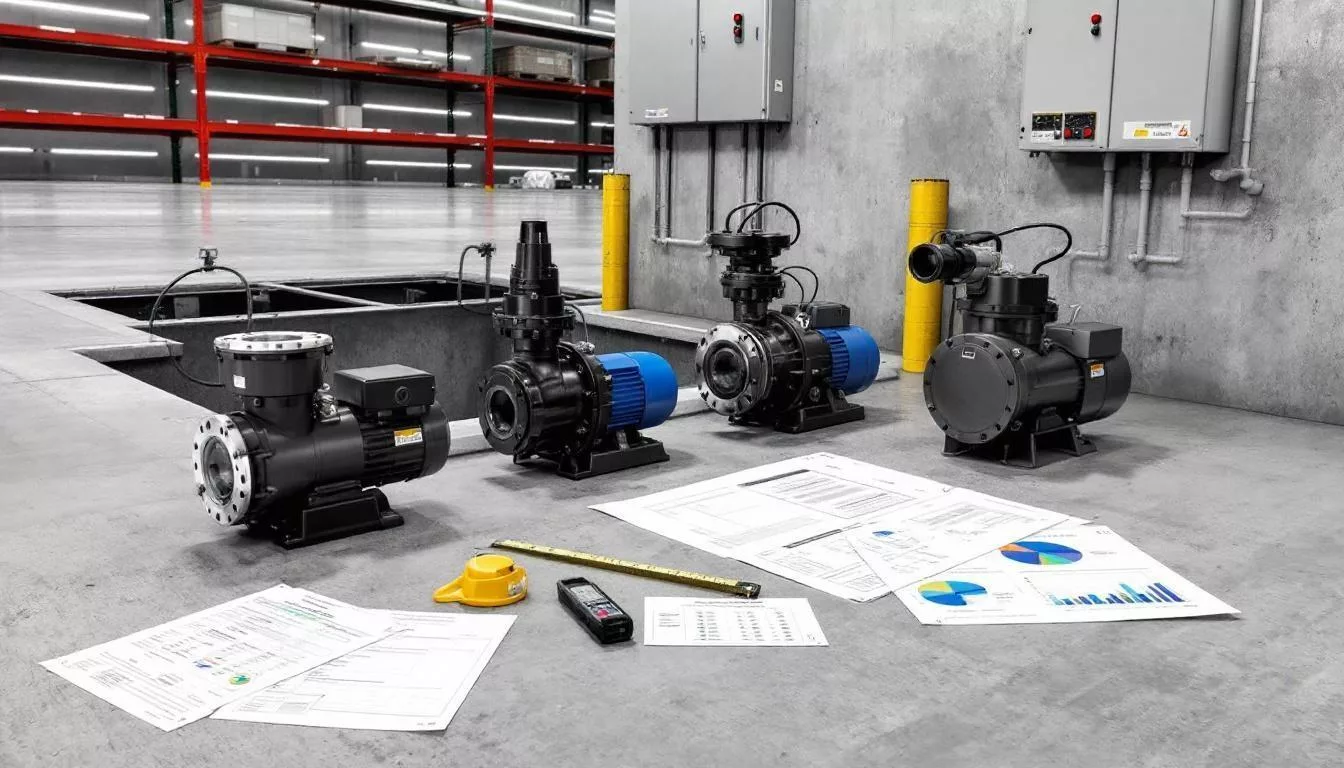
Industrial facilities generate water at vastly different rates, and oversizing or undersizing your pump directly impacts your operating costs and reliability. Start with two concrete measurements: the vertical distance from the bottom of your sump pit to where water exits your building, and the horizontal distance the water travels. Most industrial sump pits sit around 2 feet deep, which gives you a baseline for vertical head requirements. Horizontal discharge distance matters equally-measure from your pit center to the building exit and add extra distance for any walls or obstacles the piping must navigate.
Once you have these two numbers, you can match them against pump specifications. Residential systems typically handle 35–60 gallons per minute, but industrial operations often demand hundreds of GPM to move water quickly enough to prevent backup and flooding. A pump rated for 5,000 gallons per hour at your required head pressure becomes your target range; anything less leaves you vulnerable during peak inflow events, while anything more wastes energy and increases your electricity bill unnecessarily.

Handling Solids and Debris in Your Discharge
Solids and debris change everything about pump selection and longevity. If your facility handles slurries, sediment, or any liquid with suspended particles, a standard centrifugal pump will clog within weeks. Solids handling pump technology with non-clog and vortex impellers are specifically engineered to pass solids without jamming, and cast iron construction resists the wear that abrasive materials inflict on softer metals. For facilities near Hinsdale, Western Springs, and surrounding areas where stormwater mixes with industrial discharge, selecting a pump built for solids handling prevents costly downtime.
Choosing Between Submersible and Pedestal Designs
Power source decisions hinge on your site’s electrical infrastructure and backup reliability. Submersible pumps operate quietly and handle larger volumes efficiently in tight spaces, making them ideal for urban industrial settings. Pedestal pumps sit outside the basin with the motor on a platform, offering easier maintenance access but requiring more floor space and tolerating higher noise levels. Automatic float switches or pressure sensors eliminate operator intervention and guarantee your system responds instantly when water rises.
Automatic operation is non-negotiable for industrial use-manual activation creates liability and downtime risk that no facility should accept. Battery-powered or water-powered backup systems protect you during power outages, a consideration that separates reliable operations from those facing unexpected shutdowns. Your next step involves validating these measurements and confirming the right pump capacity for your specific conditions, which brings us to the key features and specifications that actually differentiate one industrial pump from another.
Key Materials and Controls That Protect Your Investment
Selecting the Right Material for Your Environment
Cast iron, stainless steel, and bronze determine how long your pump survives in harsh industrial environments. Cast iron handles heat dissipation well and resists impact from solids, making it the standard choice for facilities processing abrasive slurries or sediments. Cast iron pump longevity depends on installation quality, duty cycle, sedimentation, and materials used. Stainless steel costs more upfront but outlasts cast iron in corrosive water chemistry, particularly around Hinsdale and Western Springs where municipal water treatment influences local groundwater conditions. Bronze works best for brackish or slightly saline discharge, while plastic construction offers cost savings only if your facility handles clean water.
Motor Power and Efficiency Ratings
Motor power ratings deserve equal attention to material selection. Residential pumps typically run 1/4 to 1/3 horsepower, but industrial operations need 1/2 HP or higher to achieve the hundreds of GPM your facility demands. High-efficiency motor designs reduce electricity consumption over time, offsetting their higher purchase price through lower operating costs. Higher efficiency motors deliver measurable savings compared to standard models, depending on runtime hours and duty cycle.

Automation Systems That Respond Instantly
Automation transforms your pump from a reactive tool into a proactive protection system. Diaphragm switches work reliably in tight basins, integral snap-action floats handle standard installations, and tethered floats suit larger basins where water level fluctuates dramatically. Automatic operation means your system responds instantly when water rises, eliminating the operator error that leads to flooding and equipment damage. Battery-powered backup systems protect you during power outages-a critical safeguard for facilities in Burr Ridge, Clarendon Hills, and surrounding areas prone to severe weather. Water-powered backup options provide continuous protection without battery maintenance, though they require adequate water pressure from your municipal supply.
Monitoring and Alert Systems
Electronic monitoring systems detect rising water levels and alert your team before problems escalate, giving you time to respond rather than discovering flooded basins during morning shift checks. These systems transform reactive maintenance into predictive protection, reducing emergency calls and extending equipment life. When you select a plumber to install your system, confirm they understand these specifications and can source quality components matching your facility’s exact requirement. Professional installations include manufacturer warranties and service guarantees that protect your investment long-term. The installation process itself carries significant weight-improper setup undermines even the best pump specifications, which is why professional plumbing installation and ongoing maintenance form the foundation of reliable industrial dewatering.
Getting Installation and Maintenance Right From Day One
Pre-Installation Setup That Prevents Early Failures
Professional installation determines whether your industrial sump pump system performs reliably for years or fails within months. Start with industrial sump pump installation best practices and pre-installation checklist that most contractors skip: clear all debris from the pit, confirm the mounting surface is level, and test the unit before permanent setup. Your discharge line must be secured properly with the check valve installed in correct orientation to prevent backflow and water from flowing backward into your pit when the pump stops.
The piping configuration matters enormously. A standard 1.5-inch PVC or ABS line handles 45 GPM effectively, but industrial facilities generating higher flow rates need larger diameter piping to reduce friction losses and keep your pump from working harder than necessary. Measure from your pit center to the building exit, add extra length for any obstacles or elevation changes, and size the discharge accordingly. Your basin itself requires proper dimensioning: residential setups use 18×30 inch basins, but industrial installations with two sewage pumps need a minimum 30-inch basin to prevent pump interference and allow adequate water volume for stable float switch operation.
Monthly Maintenance Routines That Extend Equipment Life
Preventative maintenance schedules separate facilities that run for a decade without incident from those facing unexpected shutdowns. Each month, clean the pump and pit thoroughly, remove accumulated debris that restricts water flow, inspect the anti-airlock hole to confirm it’s open, check the float mechanism for smooth operation, and test the impeller by hand rotation to verify no obstruction exists. Your backup system-whether battery-powered or water-powered-must cycle monthly if unused to confirm it activates when needed.

Keep essential spare parts in inventory: replacement switches, gaskets, and backup batteries minimize downtime when components fail. Document your maintenance activities, water usage trends, and energy consumption to spot performance changes before they become failures. Train your operations staff on startup and shutdown procedures so they respond quickly when water levels rise unexpectedly.
Backup Systems for Power Outages and Emergencies
Battery-backed sump pump systems power outage protection provides continuous protection during power outages, which matters for facilities in Burr Ridge, Clarendon Hills, and Western Springs where severe weather can knock out electrical service unexpectedly. Water-powered backup options eliminate battery maintenance but require adequate municipal water pressure, typically 20 PSI minimum. Your facility’s specific conditions determine which backup strategy works best, and testing quarterly ensures neither system becomes a liability.
Professional service networks matter when emergencies strike. Facilities within 10 miles of major service hubs like those surrounding Hinsdale and Western Springs benefit from rapid response availability and readily available replacement components. 24/7 emergency response and maintained inventory of quality replacement parts minimize your downtime when failures occur.
Final Thoughts
Selecting the right sump pump industrial system requires matching flow rates and head pressure to your facility’s actual conditions, choosing materials that withstand your specific environment, and implementing automation that responds instantly to rising water levels. The specifications matter, but execution matters more-a perfectly specified pump installed incorrectly or maintained sporadically becomes a liability rather than protection. We at Ace Plumbing & Sewer have installed and maintained industrial pumping systems across Burr Ridge, Hinsdale, Western Springs, and Clarendon Hills for years, and we understand that your facility deserves more than generic recommendations.
Professional installation includes site assessment, proper basin sizing, correct discharge line configuration, and backup system integration that actually works when you need it. The partnership between your facility and an experienced plumbing contractor determines whether your investment protects your operation for years or becomes an expensive mistake. Preventative maintenance schedules, quarterly backup system testing, and rapid emergency response separate reliable facilities from those facing unexpected shutdowns.
Contact Ace Plumbing & Sewer to schedule a site assessment for your industrial sump pump system. Our licensed, bonded, and insured team delivers fast, professional solutions tailored to your facility’s exact specifications. Call us today to protect your operation.
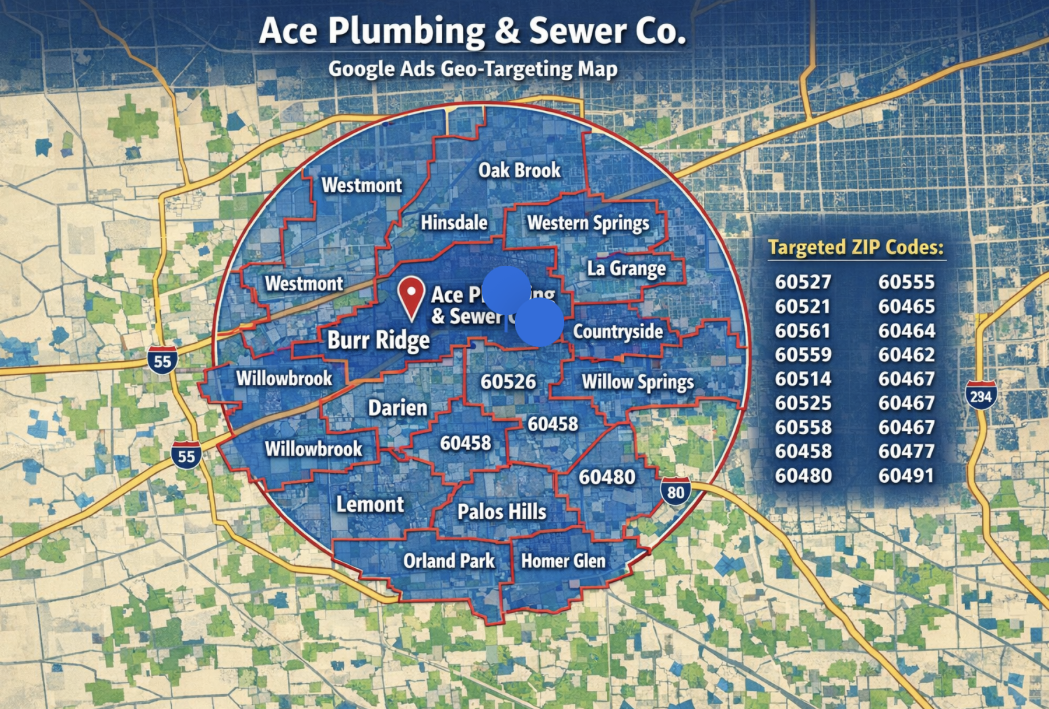
Proudly serving Burr Ridge and Southwest Chicago
Request a free quote
Tell us what’s going on and we’ll get right back to you. Need help now? Call and a real plumber answers 24/7.