How to Choose the Best 12V Sump Pump for Your Needs
Trusted by homeowners across Burr Ridge and Chicago, IL
A 12V sump pump is one of the smartest investments you can make for basement protection. These compact systems work quietly and reliably, keeping water damage at bay even during power outages.
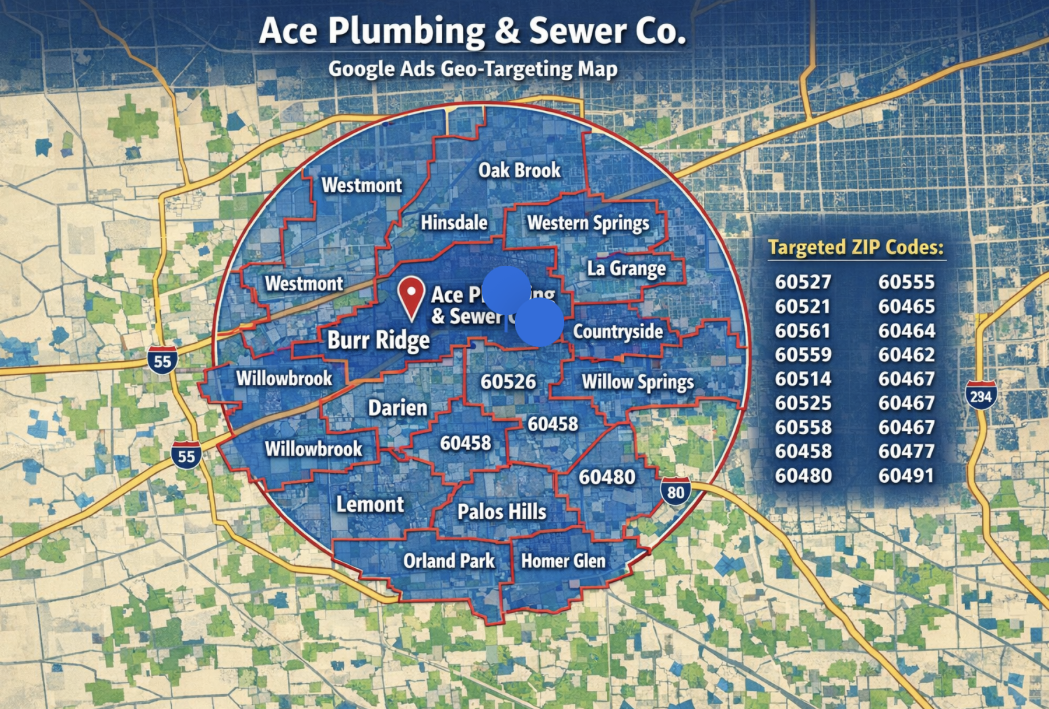
We at Ace Plumbing & Sewer help homeowners throughout Burr Ridge, Hinsdale, and Western Springs find the right pump for their specific situation. This guide walks you through everything you need to know to make the best choice for your home.
How 12V Sump Pumps Operate
Battery Power Keeps Your Basement Dry During Outages
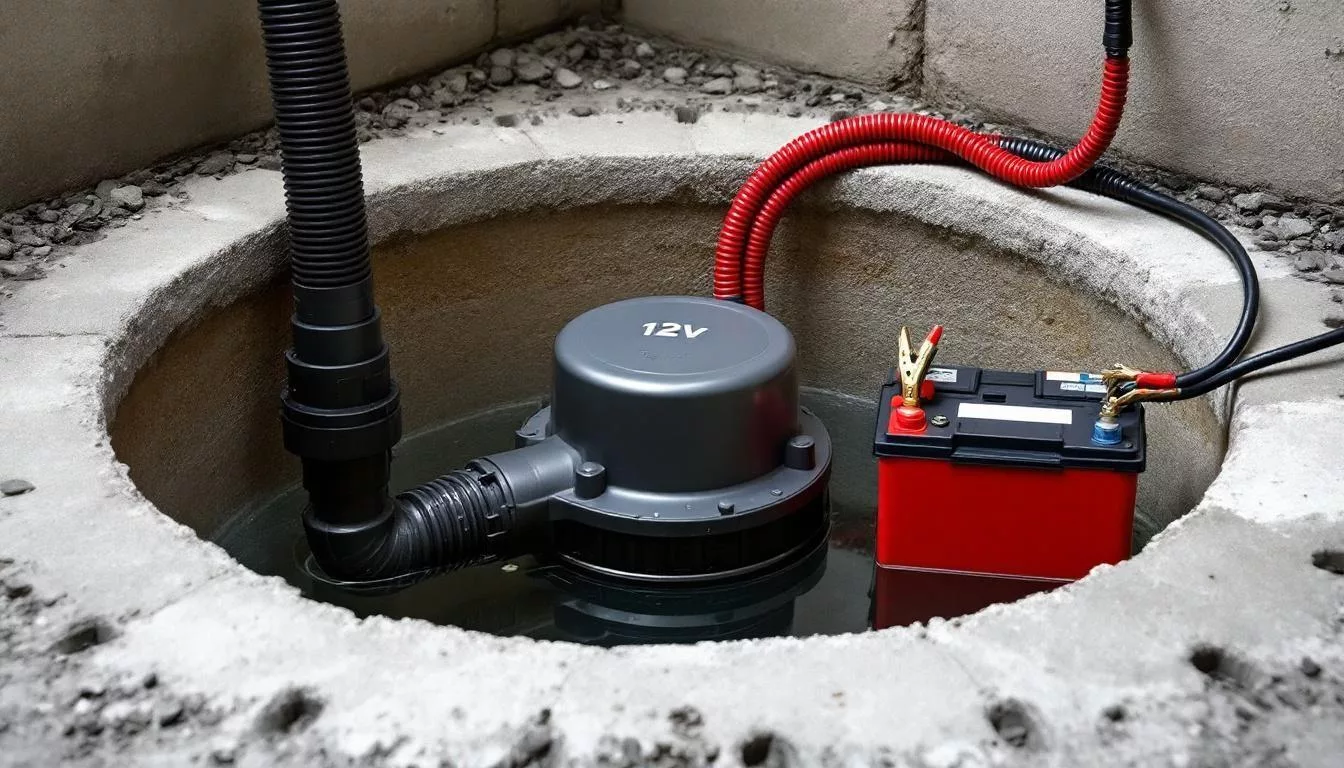
A 12V sump pump runs on deep-cycle battery power, making it your basement’s safeguard when the main electrical system fails. Water collects in your sump pit and triggers a float switch that activates the pump. The pump then pushes water out through discharge piping-typically to a spot at least 10 feet away from your foundation. Unlike standard AC pumps that depend entirely on mains electricity, a 12V system operates independently, delivering protection during storms when power outages are most likely.
Most residential 12V models pump between 1,200 and 2,400 gallons per hour at a standard 10-foot head, which covers the majority of home basement situations. The battery itself is a deep-cycle design, similar to marine batteries, capable of powering the pump for 7 to 8 hours on a full charge-enough time to handle extended storms or outages in areas like Hinsdale and Western Springs where severe weather can knock out power for hours.

Why Standard AC Pumps Fall Short
Standard sump pumps rely on AC power from your home’s electrical panel, meaning they stop working the moment power cuts out. A 12V backup system fills that gap by running entirely on battery, so your basement keeps draining even when your neighbors’ homes are flooding. Homeowners in communities near Burr Ridge choose 12V models specifically because they eliminate the anxiety of watching water rise during a blackout.
The upfront investment is higher than a standard pump alone, but the protection is incomparable-especially when you factor in water damage costs that can range from $3 to $7.50 per square foot depending on water type.
Pairing Systems for Maximum Protection
A dual approach works best: pair a primary AC pump with a 12V backup rather than relying on either system alone. This strategy lets your AC pump handle normal rainfall while the battery backup kicks in during power loss, effectively doubling your pumping capacity when it matters most. The battery typically needs replacement every 3 to 5 years, so factor that maintenance into your decision.
Homeowners throughout Hinsdale, Western Springs, and surrounding communities benefit from this layered protection strategy. When you’re ready to explore which 12V system matches your home’s specific needs, understanding the key features that separate quality models from mediocre ones becomes your next priority.
What Matters Most When Comparing 12V Sump Pump Models
Flow rate at your actual head height
Flow rate is where most homeowners make their first mistake-they pick a pump based on the manufacturer’s headline number without checking what that flow actually means at their home’s specific conditions. Every 12V pump is rated in gallons per hour, but that rating assumes a standard 10-foot vertical lift from your sump pit to the discharge point. If your pit sits deeper or your discharge line runs longer, the actual flow drops significantly. A pump rated at 2,400 GPH at 10 feet might only deliver 1,800 GPH at 15 feet, which changes everything during a heavy storm. Measure your exact head height before shopping-this single number eliminates guesswork. Real-world examples matter here: the Zoeller 508-0005 delivers 1,800 GPH at 10 feet and costs around $504, while the iON 55ACi+ pushes 3,660 GPH at the same height but runs closer to $2,238. For most homes in Hinsdale, Western Springs, and nearby Burr Ridge communities, a pump between 1,800 and 2,400 GPH at your actual head height provides solid protection without overpaying for capacity you’ll never use.

Battery runtime and chemistry options
Battery runtime matters just as much as pump power because a fast pump with a weak battery defeats the purpose. A deep-cycle battery rated at 75–100 amp-hours typically powers your pump for 7 to 8 hours on a full charge-that’s genuinely sufficient for extended outages in most situations. Lead-acid and AGM batteries are the industry standard for residential systems, though AGM models cost more upfront but require zero maintenance compared to wet-cell batteries that need periodic water top-ups. Lithium-ion options exist but jump the price considerably for longer lifespan. Plan to replace your battery every 3 to 5 years regardless of type, so factor that recurring cost into your decision.
Alarms, Float Switches, and Check Valves
Alarms and float switches separate peace-of-mind systems from basic setups. A reliable float switch triggers the pump when water rises, and a quality alarm notifies you during high-water events or pump failure-this is non-negotiable. Smart float switches that send phone alerts cost more but let you monitor your basement from anywhere, which matters when you’re away during storms. Check valve inclusion varies widely between models; roughly half of available pumps include one, and you absolutely want one to prevent backflow that wastes energy and defeats your backup protection. Models like the Liberty 442-10A add wireless NightEye alarms for around $1,830 at 10 feet, giving you audible alerts plus remote monitoring.
Submersible Versus Pedestal Design
Motor reliability hinges on submersible versus pedestal designs. Submersible pumps sit inside the sump pit and cool naturally through water contact, making them quieter and more efficient for continuous duty. Pedestal models like the Zoeller 585 Aquanot II stand outside the pit and cost less, but they’re noisier and better suited for lighter use. Most 12V backups are submersible because basement protection demands reliability during the worst conditions.
Brand Reputation and Warranty Coverage
Brand reputation matters more than you might think-Zoeller, Liberty Pumps, Little Giant, Wayne, and iON appear consistently across professional installations because their motors hold up under repeated discharge cycles that typical sump pumps never experience. Warranty coverage typically spans 1 to 3 years on the pump itself, so confirm that before purchase. A professional plumber in your area can verify compatibility with your existing system and spot installation issues that online shopping misses entirely. Once you’ve narrowed down your options based on flow rate, battery capacity, and reliability features, the next step involves understanding how to get your chosen system installed correctly and maintained for years of dependable service.
Getting Your 12V System Installed and Maintained Right
Professional Installation Prevents Costly Failures
Professional installation makes the difference between a system that works flawlessly for a decade and one that fails when you need it most. A licensed plumbing technician verifies that your sump pit has adequate space for both the primary pump and 12V backup side by side, checks compatibility with existing check valves and discharge piping, and confirms your battery setup matches the pump’s electrical requirements. Improper installation-even small mistakes like incorrect float switch positioning-renders expensive equipment useless. A professional also identifies whether your pit needs reinforcement, ensures discharge lines slope correctly to prevent water from flowing backward, and tests the entire system before the job concludes. DIY installation might save $300 to $500 upfront, but a flooded basement costs $3,000 to $10,000 in water damage and mold remediation, making professional setup the only sensible choice for homeowners in Burr Ridge, Hinsdale, and Western Springs.
Battery Terminal Care Keeps Power Flowing
Maintenance directly determines how long your system stays reliable, and most homeowners skip it entirely until failure forces their hand. Inspect battery terminals every three months for corrosion buildup and clean them with a wire brush if white or blue residue appears; corroded terminals reduce power delivery and can prevent your pump from running during an outage. Check water levels in lead-acid batteries monthly if you chose a wet-cell design, topping them with distilled water only when the level drops below the minimum mark. Corroded or dry terminals represent the most common reason backup systems fail during actual storms (even though the pump itself functions perfectly).
Float Switch Testing Catches Problems Early
Test your float switch quarterly by pouring water into the sump pit to confirm the pump activates and stops as expected-this catches mechanical failures before storms arrive. A float switch that sticks or responds slowly means your backup won’t activate when water rises, defeating the entire purpose of having a 12V system. This simple quarterly test takes five minutes and prevents thousands in damage.

Annual Professional Inspections Extend System Life
Plan a full system inspection annually with a licensed technician who can assess battery health, verify electrical connections, confirm alarm function, and catch issues like cracks in discharge pipes or sediment accumulation that reduces pumping efficiency. Battery replacement depends on usage patterns; a properly maintained deep-cycle battery can last 6–8 years, while frequent deep discharges may reduce lifespan to 2 years or less. Your warranty typically covers the pump itself for 1 to 3 years depending on the manufacturer, but battery failures almost never qualify for coverage since batteries degrade predictably. Document your maintenance with photos and dates so you can prove you followed the manufacturer’s requirements if a warranty claim becomes necessary. Communities throughout Hinsdale, Western Springs, and nearby Burr Ridge benefit from this structured maintenance approach because it transforms a one-time investment into reliable, long-term protection.
Final Thoughts
Matching flow rate to your actual head height, selecting a battery chemistry that fits your maintenance comfort level, and securing professional installation form the foundation of a smart 12V sump pump choice. A pump rated at 1,800 to 2,400 GPH at 10 feet handles most residential situations in Burr Ridge, Hinsdale, and Western Springs without overspending on capacity you won’t use. Battery runtime of 7 to 8 hours on a full charge provides genuine protection during extended outages, and deep-cycle designs outlast standard batteries when properly maintained.
Your next step involves scheduling a professional assessment with a licensed technician who measures your sump pit dimensions, verifies your actual head height, and confirms that your chosen system fits alongside your primary pump without conflicts. This single visit eliminates guesswork and prevents expensive installation mistakes that render your investment useless. We at Ace Plumbing & Sewer install 12V sump pump systems throughout Burr Ridge, Hinsdale, Western Springs, and surrounding communities, and we understand the specific drainage challenges that homeowners face in this region.
Our licensed, bonded, and insured team handles everything from site assessment through final testing, ensuring your backup system activates reliably when power fails and storms threaten your basement. Contact Ace Plumbing & Sewer today to schedule your consultation and protect your home with professional installation and ongoing maintenance support that actually works when you need it most.
Proudly serving Burr Ridge and Southwest Chicago
Request a free quote
Tell us what’s going on and we’ll get right back to you. Need help now? Call and a real plumber answers 24/7.