How Do Electric Water Heaters Work?
Trusted by homeowners across Burr Ridge and Chicago, IL
Electric water heaters are one of the most common appliances in homes across Burr Ridge, IL, Hinsdale, and Western Springs. Most homeowners use them daily without understanding how do electric water heaters work or what happens inside the tank.
We at Ace Plumbing & Sewer want to walk you through the mechanics, efficiency ratings, and maintenance needs of your electric water heater. This guide covers everything from heating elements to cost savings and when repairs make sense.
Inside Your Electric Water Heater Tank
How the Two-Element System Works
Your electric water heater contains two-element system that work in tandem to deliver hot water on demand. The upper element heats the top portion of the tank first, giving you quick access to hot water when you turn on a faucet. Once that section reaches temperature, the lower element activates to heat the remaining water in the tank. This two-stage approach saves energy compared to heating the entire tank at once. Both elements respond to separate thermostats that maintain water around 120°F, the temperature recommended by most manufacturers for balancing comfort, safety, and efficiency.

Tank Design and Water Flow
When you draw hot water from the tank, cold water enters through a dip tube at the bottom, which directs incoming water away from the hot water outlet at the top. This design keeps hot and cold water separated, allowing the heater to recover faster and maintain consistent temperatures. Tank sizes range from 30 to 80 gallons depending on household demand and the number of bathrooms in homes across Hinsdale, Western Springs, and Burr Ridge, IL. A typical 4-person household performs well with a standard 40 to 50-gallon electric tank, though larger homes or those with simultaneous hot water demand may need 75 to 80 gallons.
Heating Elements and Temperature Control
The heating elements themselves are metal rods submerged directly in the water, generating heat through electrical resistance much like a toaster or hair dryer. Your thermostat acts as a control switch, sensing water temperature and signaling the heating element to turn on or off as needed. Most thermostats allow adjustment between 120°F and 140°F, though lowering the setting to 120°F reduces energy consumption without sacrificing comfort. Tank insulation minimizes heat loss, but some energy still escapes over time-this is called standby loss.
Safety Features and Maintenance Access
A pressure and temperature relief valve sits near the top of the tank as a safety feature, releasing excess pressure if the water heats beyond safe limits. The drain valve at the bottom allows you to flush out sediment that accumulates from minerals in your water supply. Sediment buildup reduces heating efficiency and stresses the elements, which is why annual flushing is essential for units serving homes in Clarendon Hills and surrounding areas. Understanding these components prepares you to recognize when efficiency drops or problems develop-issues we’ll address in the next section on energy consumption and cost management.
Energy Efficiency and Operating Costs
Understanding Your Electric Water Heater’s Power Draw
Electric water heaters use 12-15 kWh per day for an average household, making them one of the larger energy draws in most homes across Burr Ridge, IL, Clarendon Hills, and Western Springs. The actual operating cost depends heavily on your local electricity rate and how often the unit cycles on to replace standby heat loss. At $0.14 per kilowatt-hour, a typical electric heater running four hours daily costs roughly $56 per month, according to Department of Energy consumption patterns. Homes with higher hot water demand or older tanks with poor insulation push costs toward $70 to $85 monthly.
How Gas and Heat Pump Systems Compare
Gas water heaters cost less to operate in most regions because natural gas prices are lower per BTU, typically running $30 to $50 monthly for similar household demand. However, if electricity rates drop below $0.11 per kilowatt-hour in your area, electric units become competitive with gas on operating expense alone. Heat pump water heaters change the efficiency equation entirely-these units transfer ambient heat from surrounding air rather than generating heat through resistance, offering significant energy savings compared to standard electric heaters. A heat pump model costs $60 to $120 more monthly to purchase but recovers that investment through lower energy bills within 5 to 8 years in most climates.
Tankless Systems and Temperature Adjustments
Tankless electric systems eliminate standby losses completely, saving 24 to 34 percent on energy for households using under 41 gallons daily, though they require substantial electrical upgrades. Lowering your thermostat from 140°F to 120°F reduces monthly costs by roughly 6 to 8 percent without affecting comfort. This simple adjustment makes a measurable difference over time without sacrificing the hot water you need.
Practical Steps to Cut Your Monthly Bills
Flushing sediment annually restores heating efficiency by preventing mineral buildup that forces elements to work harder and longer. Insulating the first 6 feet of hot water piping cuts heat loss by 20 to 30 percent and delivers hot water faster to distant bathrooms in homes throughout Hinsdale and surrounding areas. Installing a recirculation pump on upper floors eliminates the waste of running cold water down the line while waiting for hot water to arrive. These upgrades pay for themselves through reduced energy consumption and faster hot water delivery.

Sediment accumulation, thermostat failures, and heating element problems all signal that your system needs attention-issues that develop over time and affect both efficiency and reliability.
What Causes Water Heater Failures and How to Prevent Them
Sediment Buildup Destroys Efficiency and Tank Life
Sediment accumulation acts as the silent killer of electric water heater efficiency and lifespan. Minerals in your water supply-calcium, magnesium, and other deposits-settle at the bottom of the tank over time, forming a layer that insulates the heating elements from the water they’re meant to warm. This forces your elements to work harder and longer, consuming more electricity and generating heat stress that shortens their life. Annual flushing removes sediment and restores efficiency by maintaining your system’s performance. To flush your tank, turn off power at the breaker, close the cold water inlet, attach a garden hose to the drain valve at the bottom, and run water through until it runs clear-a process that takes 20 to 30 minutes for a standard 50-gallon unit. Homeowners in Hinsdale, Western Springs, and Burr Ridge, IL dealing with hard water should flush twice yearly instead of once, since mineral content accumulates faster in those conditions.

Thermostat and Element Failures Signal Replacement Needs
Thermostat and heating element failures announce themselves through inconsistent hot water or no hot water at all. A faulty upper thermostat means you’ll get cold or lukewarm water immediately from the tap, while a failed lower thermostat leaves you with adequate hot water for only a few minutes before it runs cold. Both scenarios require element replacement, which costs $200 to $300 in parts and labor-far less than a new tank. You can test elements yourself using a multimeter set to ohms; a reading of zero or infinity indicates failure. These problems develop gradually, so catching them early saves money and prevents emergency situations in homes throughout Clarendon Hills and surrounding areas.
The Anode Rod Prevents Rust and Tank Corrosion
The anode rod prevents rust and extends tank life by protecting the tank from corrosion. The rod needs inspection every 2 to 3 years and replacement when it’s less than half an inch thick or heavily coated with calcium. A corroded or missing anode rod allows rust to form inside the tank, eventually causing leaks that force complete replacement. Check your anode rod during annual flushing-it takes only minutes and prevents expensive tank failure. This single component extends your tank’s life when maintained properly, making it one of the most cost-effective maintenance tasks you can perform.
Safety Valves Require Regular Testing
Annual inspection of the pressure and temperature relief valve keeps you safe; simply lift the lever to confirm it releases water and reseals properly. If it leaks or fails to reseal, replace it immediately-a stuck valve can allow dangerous pressure buildup. This quick test takes less than a minute and protects your home from potential damage or injury caused by excessive tank pressure.
Maintenance Schedules Prevent Emergency Repairs
Homeowners who schedule preventative maintenance avoid 80 percent of emergency repairs and extend tank life by 3 to 5 years compared to those who wait for problems to develop. Regular flushing, anode rod inspection, and valve testing cost far less than emergency service calls or tank replacement. Skipping this maintenance means repair bills within 7 to 10 years; consistent care allows your tank to reach 12 to 15 years of reliable service. The choice between proactive maintenance and reactive repairs determines both your costs and your peace of mind.
Final Thoughts
Understanding how electric water heaters work empowers you to maintain your system properly and make smart repair decisions. Your tank’s two-element design, thermostat control, and safety features work together to deliver reliable hot water for years when you follow a basic maintenance routine. Annual flushing, anode rod inspection, and pressure valve testing prevent 80 percent of emergency repairs and extend your tank’s life from 10 to 15 years.
Repair costs typically run $200 to $300 for element or thermostat replacement, making fixes worthwhile for tanks under 10 years old. Once your unit reaches 12 to 15 years or develops multiple problems, replacement becomes the smarter choice. A new electric water heater costs $400 to $800 installed, while emergency repairs on an aging tank drain your budget repeatedly.
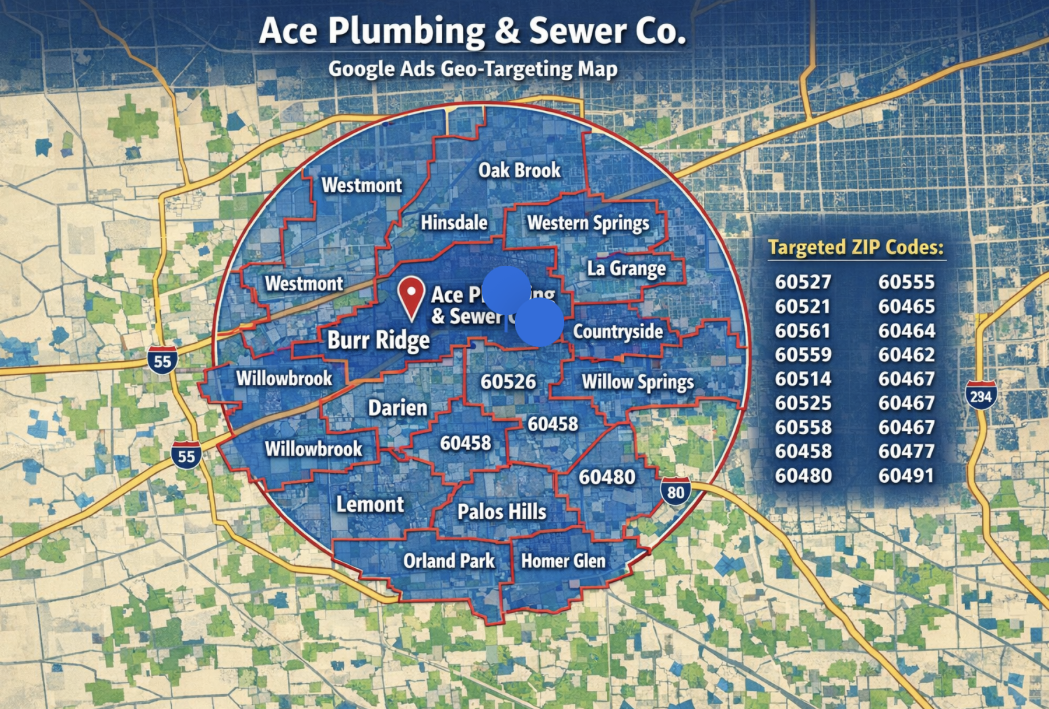
Contact Ace Plumbing & Sewer today for professional inspection, maintenance, or replacement in Burr Ridge, Hinsdale, Western Springs, and Clarendon Hills. Call (708) 204-8602 or visit our plumber team to schedule your service and keep your hot water flowing reliably.

Proudly serving Burr Ridge and Southwest Chicago
Request a free quote
Tell us what’s going on and we’ll get right back to you. Need help now? Call and a real plumber answers 24/7.