5 Telltale Signs You Need a New Water Heater
Trusted by homeowners across Burr Ridge and Chicago, IL
Is your water heater acting up? At Ace Plumbing & Sewer, we know how frustrating it can be when your hot water supply becomes unreliable.
Recognizing the signs you need a new water heater is crucial for maintaining comfort and efficiency in your home. This guide will help you spot the telltale indicators that it’s time for an upgrade, ensuring you’re never caught off guard by a failing unit.
1. The Clock Is Ticking on Your Water Heater
Water heaters have a limited lifespan; the average lifespan of regular tank-style water heaters is around eight to 12 years. However, various factors can influence this estimate. As your water heater ages, it becomes more prone to issues that affect its performance and efficiency. Watch for these signs of wear:

- Rust on the tank’s exterior
- Decreased hot water output
- Unusual noises during operation
These indicators suggest your water heater approaches the end of its useful life. Regular maintenance extends your water heater’s lifespan. An annual water heater flush and pressure-relief valve test, as well as the replacement of the anode rod, can help prolong its life.
If your water heater nears or surpasses the decade mark, start planning for a replacement. Proactive replacement avoids the inconvenience and potential water damage of a sudden failure. Don’t wait for a cold shower to signal it’s time for an upgrade – schedule regular inspections to stay ahead of problems. The next sign to watch for is a change in your water quality, which we’ll explore in the following section.
2. Rusty Water Signals Trouble
Discolored or rusty water from your taps indicates serious water heater issues. This problem often stems from corrosion inside your water heater tank, which can lead to leaks and system failure. Drinking water with high levels of iron can lead to iron overload (hemochromatosis), with symptoms including fatigue, joint pain, and abdominal discomfort. To pinpoint the source of the problem, run cold water for a few minutes. If the water clears up, your water heater likely needs attention rather than your pipes.
Rusty water can result in costly water damage and unexpected cold showers. A professional inspection of your system is essential if you notice discolored water. Early detection and treatment of this issue can extend the life of your water heater and protect your home’s plumbing system. Regular inspections can prevent sediment buildup, which, if left unchecked, can reduce heating efficiency by up to 20%.

As we move forward, we’ll explore another common indicator that your water heater might be failing – strange noises emanating from the tank.
3. Noisy Water Heater Warning Signs
Your water heater shouldn’t sound like a percussion instrument. Strange noises often indicate potential issues that require attention. Popping or rumbling sounds typically signal sediment buildup at the tank’s bottom, forcing the heating element to heat up more than usual to make up for the sediment blockage. Crackling or hissing noises might indicate scale buildup on heating elements, reducing efficiency and possibly causing element failure. High-pitched whistling or screaming sounds could point to a more serious problem, such as excessive pressure buildup within the tank.
These audible alerts from your water heater shouldn’t be ignored. Regular maintenance, including annual flushing, prevents many of these issues and extends your water heater’s lifespan. However, persistent noises despite maintenance might necessitate a professional inspection. We at Ace Plumbing & Sewer recommend immediate professional attention if you hear loud banging or metal-on-metal sounds, as these could indicate imminent failure. Addressing these issues promptly saves you from costly repairs or unexpected cold showers. As we move on to our next topic, let’s explore another common sign of water heater trouble: inconsistent water temperature.
4. Temperature Troubles Signal Water Heater Woes
Inconsistent water temperature often indicates a failing water heater. If your showers alternate between scalding and freezing, your unit might need replacement. A malfunctioning thermostat or failing heating element typically causes these temperature fluctuations. The U.S. Department of Energy reports that water heating accounts for about 18% of your home’s energy use and is typically the second largest energy expense in any home.
Lukewarm water is another clear sign your water heater needs attention. A professional inspection can determine if a simple repair will suffice or if it’s time for a replacement. If your water heater is over 10 years old and shows temperature inconsistencies, an upgrade might prove more cost-effective. A new water heater isn’t just about comfort-it’s an investment in your home’s efficiency and your family’s well-being. As we move on to our final warning sign, let’s explore a problem that can cause significant damage to your home if left unchecked.
5. Water Leaks Spell Trouble for Your Home
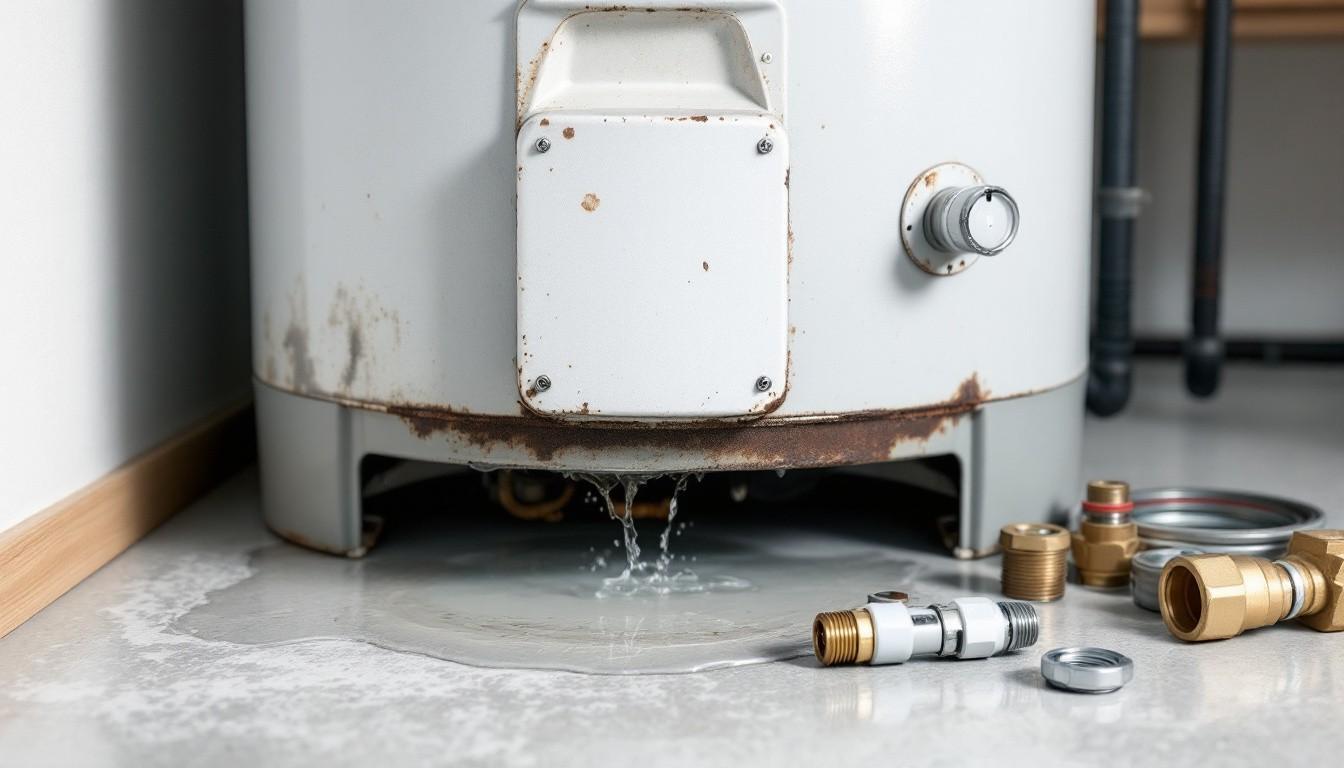
Water leaks around your water heater demand immediate attention. Even small drips can escalate into major issues, potentially causing extensive damage to your floors, walls, and belongings. According to iProperty Management, water damage claims average $11,098, highlighting the financial impact of unchecked leaks. If you spot puddles, dampness, or rust stains near your water heater, you must act fast. Turn off the power supply and water inlet valve to minimize damage, then call a professional plumber right away.
Different types of leaks indicate various problems:
- A leaking pressure relief valve might signal dangerous pressure buildup
- Water seeping from the tank itself often means the unit needs replacement
- Corrosion at pipe connections can sometimes be fixed
- Internal tank corrosion usually requires a new water heater
Annual inspections catch potential leaks early. This proactive approach not only prevents water damage but also extends your water heater’s lifespan, improves energy efficiency, reduces the risk of breakdowns, and enhances safety for your home and family.

Addressing leaks promptly protects your home and ensures a reliable hot water supply. Personalized maintenance plans based on factors like home age and water usage patterns can help prevent issues before they start. Now, let’s explore how to make the right decision for your home when it comes to water heater replacement or repair.
Final Thoughts
The signs you need a new water heater should not be ignored. Age, rusty water, strange noises, temperature inconsistencies, and leaks all indicate potential problems. Modern water heaters offer improved energy efficiency, reliability, and advanced features (often with longer warranties).
We at Ace Plumbing & Sewer can help you make the right decision for your home. Our team of professionals can assess your current water heater and provide expert advice. We offer fast, reliable installation services tailored to your specific situation.
Don’t wait for a cold shower or water damage to prompt action. If you’ve noticed any warning signs or if your water heater is nearing the end of its lifespan, consider an upgrade. Contact us today for a professional assessment and experience the benefits of a reliable, efficient water heater in your home.
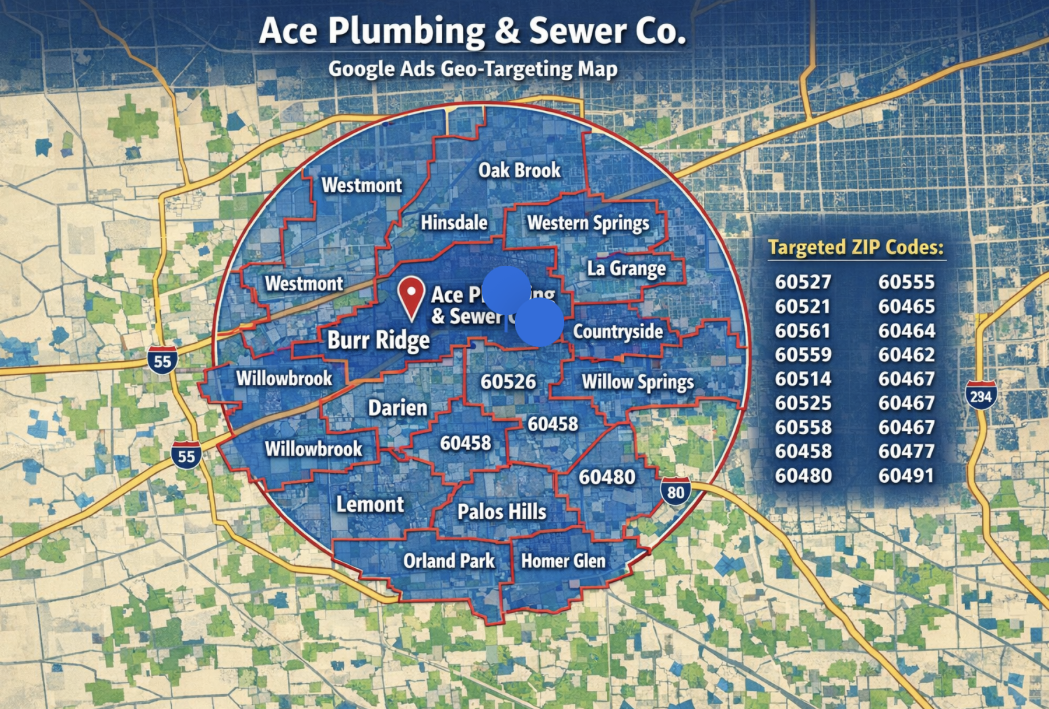
Proudly serving Burr Ridge and Southwest Chicago
Request a free quote
Tell us what’s going on and we’ll get right back to you. Need help now? Call and a real plumber answers 24/7.