Common Problems with Gas Water Heaters
Trusted by homeowners across Burr Ridge and Chicago, IL
Gas water heaters power millions of homes across Burr Ridge, Hinsdale, and Western Springs, but they’re not immune to breakdowns. Problems with gas water heaters can leave families without hot water when they need it most.
We at Ace Plumbing & Sewer see these issues daily in our service calls throughout the Chicago suburbs. From pilot light failures to mysterious leaks, most gas water heater problems follow predictable patterns that homeowners can learn to recognize.
Why Won’t Your Pilot Light Stay Lit
Pilot light failures account for roughly 40% of gas water heater service calls across Darien, Clarendon Hills, and Westmont. The pilot light serves as the ignition source for your water heater’s main burner, and when it won’t stay lit, you’re left without hot water until the problem gets fixed.

Thermocouple Failures Stop Gas Flow
The thermocouple acts as a safety device that detects whether your pilot light burns. When this copper tube fails, it cuts off gas supply to prevent dangerous gas leaks. A faulty thermocouple typically shows signs of wear and requires replacement as part of regular maintenance.
Homeowners in Hinsdale and Western Springs often notice their pilot light goes out repeatedly before the thermocouple completely fails. Replacement costs range from $150-250 (labor included), but DIY repairs on gas components create serious safety risks that professional plumbers should handle.
Gas Supply Problems Create Safety Hazards
Gas supply interruptions or leaks pose immediate dangers that require professional attention. Low gas pressure from utility issues affects entire neighborhoods, while individual home problems stem from blocked gas lines or faulty gas control valves.
The tragic 2019 Ohio incident where a family died from carbon monoxide exposure due to improper water heater ventilation shows why gas appliance repairs demand professional expertise. If you smell gas near your water heater in Willowbrook or Indian Head Park, shut off the gas supply immediately, ventilate the area, and contact a licensed professional before you attempt any repairs.
Draft Hood and Ventilation Issues
Poor ventilation creates backdraft conditions that prevent proper pilot light operation. Draft hoods that have excessive tape, improper materials, or missing components allow outside air to interfere with combustion. These ventilation problems don’t just affect pilot light stability-they can also cause dangerous carbon monoxide buildup in your home.
Temperature and heating performance problems often develop alongside pilot light issues, creating a cascade of water heater malfunctions that affect your entire household.
What Causes Water Temperature Problems
Water temperature issues affect 65% of gas water heater complaints in Burr Ridge, Darien, and Clarendon Hills according to Department of Energy data. When your water doesn’t reach the right temperature, the problem usually stems from thermostat settings, sediment buildup, or undersized equipment. The American Council for an Energy-Efficient Economy found that improper thermostat calibration causes most heating inconsistencies, while sediment accumulation reduces efficiency by up to 30% in hard water areas like Western Springs and Hinsdale.

Thermostat Settings Create Most Temperature Issues
Gas water heaters should operate at exactly 120°F for optimal safety and efficiency. Settings below this temperature allow bacteria growth, while higher temperatures waste energy and create scalding risks. Homeowners in Westmont and Willowbrook often set their thermostats too low during summer months, then forget to adjust them when cooler weather arrives. Professional thermostat calibration costs $125-175 but prevents the energy waste that increases monthly bills by 15-20%.
Sediment Buildup Destroys Heating Elements
Hard water minerals create limestone deposits that insulate heating elements from water contact. This buildup forces your water heater to work harder while it produces less hot water. Annual tank flushing removes sediment before it hardens into permanent deposits that require element replacement. Water softener installation prevents future accumulation and extends your water heater lifespan from the typical 10-12 years to 15-18 years in areas with mineral-heavy water supplies.
Recovery Rate Problems Leave Families Cold
Undersized water heaters cannot meet household demand during peak usage periods. A 40-gallon unit serves two people maximum, while families of four need 60-80 gallon capacity for consistent hot water supply. Professionals calculate recovery rates based on first-hour rating rather than tank size alone (this measurement determines actual hot water availability). Upgrading to properly sized equipment eliminates morning shower delays and dishwasher scheduling conflicts that plague homes in Indian Head Park and Countryside.
These temperature problems often coincide with strange noises and visible leaks that signal your gas water heater needs immediate professional attention.
Strange Noises and Leaks from Your Gas Water Heater
Rumbling and Popping Sounds Signal Sediment Problems
Rumbling and popping sounds from gas water heaters alert homeowners to sediment buildup that needs immediate attention. These noises happen when mineral deposits create a barrier between heating elements and water, which forces steam bubbles to form and burst violently. Sediment buildup acts as an insulator between the tank and heating elements, reducing water heater efficiency and shortening equipment lifespan in hard water areas around Burr Ridge, Hinsdale, and Western Springs.
Tank flushing removes loose sediment, but hardened limestone deposits require professional intervention to prevent tank cracks from thermal expansion stress. Homeowners who ignore these warning sounds face complete system failure within 18-24 months (compared to normal 10-12 year lifespans).
Water Leaks Create Structural Damage
Water leaks around the base or connections create structural damage that spreads rapidly through basement floors and walls. Pressure relief valve failures cause most connection leaks, while tank corrosion creates base leakage that signals complete replacement needs. These leaks start small but expand quickly once metal corrosion begins.
Professional diagnosis determines whether repairs can fix connection issues or if full replacement becomes necessary. Homeowners in Darien, Clarendon Hills, and Westmont should address visible moisture immediately to prevent mold growth and foundation damage.
Gas Odors Indicate Dangerous Supply Problems
Gas odors near water heater units indicate dangerous supply line problems that require immediate gas shutoff and professional repair. The U.S. Consumer Product Safety Commission tracks carbon monoxide deaths associated with consumer products, highlighting the serious risks of gas water heater incidents.
Even minor gas leaks create explosion risks that demand specialized training and equipment to handle safely. Homeowners should evacuate the area, avoid electrical switches, and contact professionals immediately when they detect gas smells near their water heater in Willowbrook or Indian Head Park.

Final Thoughts
Gas water heater repairs demand professional expertise when safety concerns arise. Call a licensed plumber immediately if you smell gas, notice carbon monoxide symptoms, or face repeated pilot light failures. These problems with gas water heaters create serious risks that DIY repairs cannot address safely.
Preventive maintenance extends equipment life and prevents emergency breakdowns. Annual tank flushing removes sediment buildup, while thermocouple inspections catch failures before complete pilot light shutdown. Water softener installation protects against mineral deposits in hard water areas throughout Burr Ridge, Hinsdale, and Western Springs.
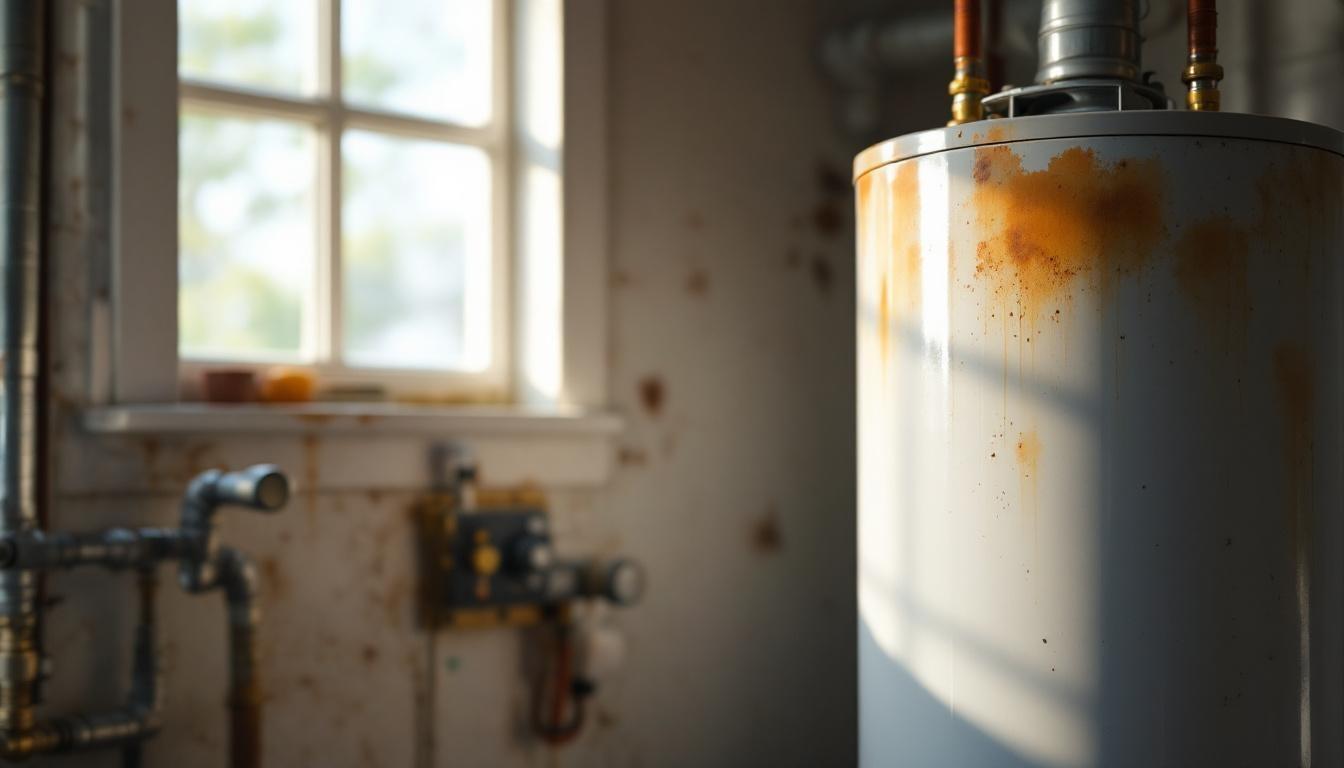
Replace your gas water heater when repair costs exceed 50% of replacement value (typically after 10-12 years of service). Frequent breakdowns, rust-colored water, and visible tank corrosion signal replacement needs. We at Ace Plumbing & Sewer provide emergency response for gas water heater problems across Darien, Clarendon Hills, and Westmont. Contact us at (708) 204-8602 for professional service that keeps your family safe and comfortable.
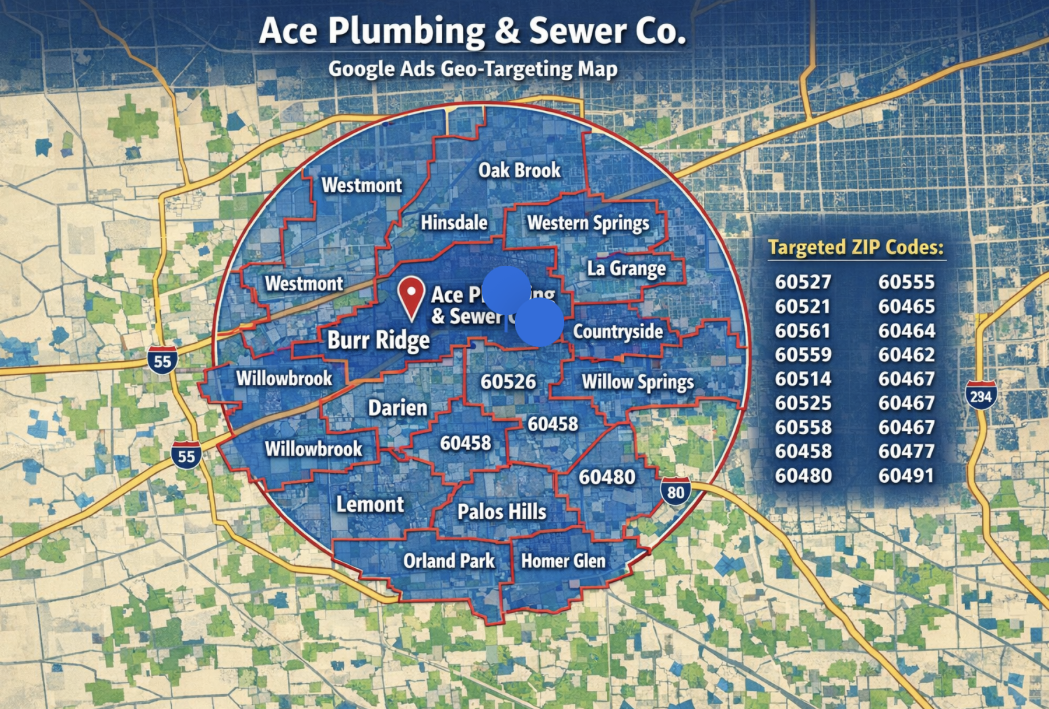
Proudly serving Burr Ridge and Southwest Chicago
Request a free quote
Tell us what’s going on and we’ll get right back to you. Need help now? Call and a real plumber answers 24/7.