Commercial Laundry Plumbing Design Best Practices
Trusted by homeowners across Burr Ridge and Chicago, IL
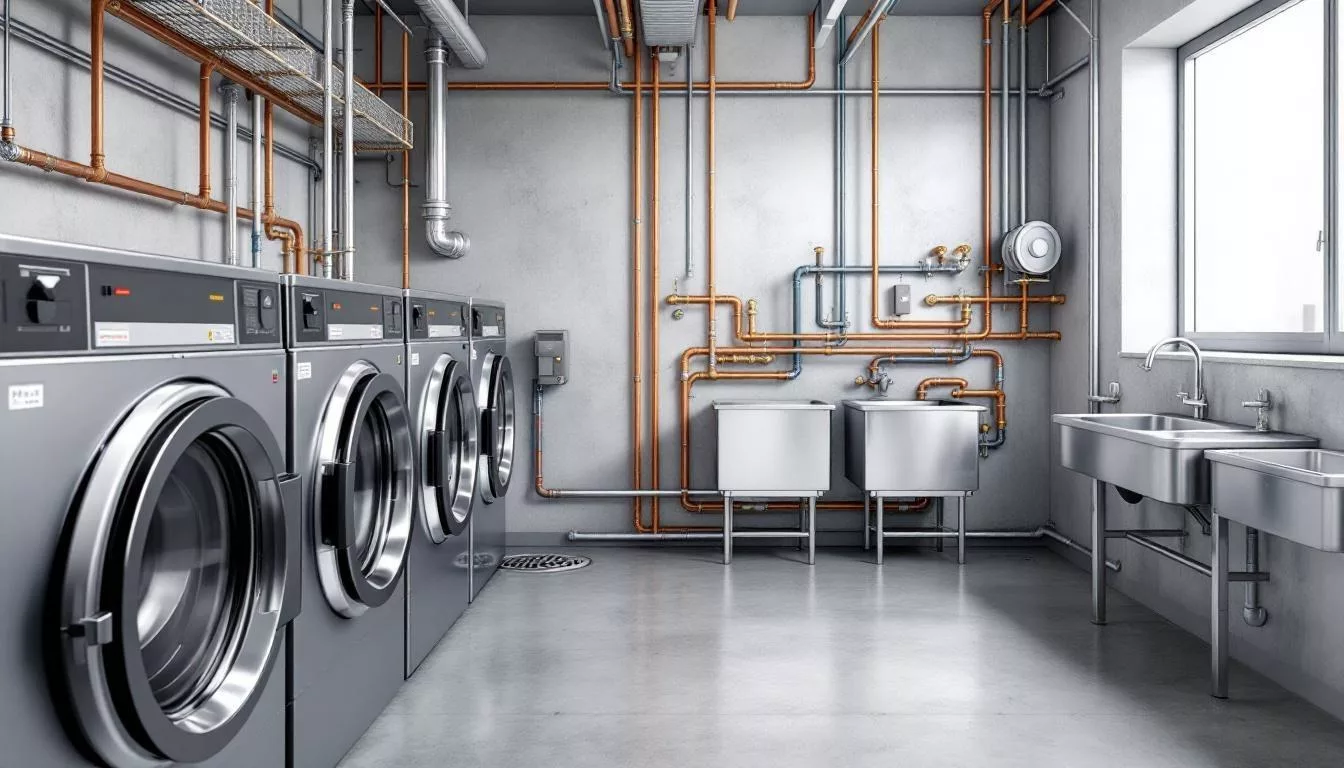
Commercial laundry operations demand precise plumbing systems that handle high water volumes and constant use. Poor design leads to costly downtime, water waste, and equipment damage.
At Ace Plumbing & Sewer, we’ve seen firsthand how commercial laundry plumbing design mistakes drain business profits. This guide covers the essentials for building reliable systems that work hard and last long.
Water Supply and Drainage Sizing for Commercial Laundry
Calculate Flow Rates for Peak Demand
Commercial laundries process anywhere from 100 to 500 pounds of laundry per hour, depending on facility size and client base. This volume demands water supply lines that deliver 3/4-inch to 1.5-inch diameter pipes with consistent pressure between 40 and 60 psi. Most facilities fail here by undersizing their water lines, causing pressure drops during peak cycles that slow wash times and frustrate operations. Calculate your actual flow rate by multiplying the number of machines by their per-cycle water consumption, then add 20% for simultaneous fill cycles. A single 100-pound commercial washer needs roughly 40 gallons per cycle; two machines running together need your supply line to handle 80 gallons flowing simultaneously.

If your incoming municipal water pressure drops below 40 psi during peak demand, install a pressure tank or booster pump to maintain consistent performance across all machines.
Design Separate Hot and Cold Water Systems
Hot water systems must be sized independently and often become the hidden cost killer in commercial laundry design. A facility processing 100 pounds per hour typically requires a tankless water heater or large-capacity storage system capable of delivering 120-140 gallons per hour at 140°F. Gas-fired systems almost always outperform electric on operating costs; energy efficiency payback typically occurs within 2 to 4 years when calculating annual utility savings. Design separate hot and cold lines to prevent mixing issues and allow independent pressure regulation. This separation protects equipment longevity and simplifies troubleshooting when pressure problems arise.
Install Drain Troughs to Handle Simultaneous Machine Dumps
Drain lines present the most critical sizing challenge because gravity drainage for commercial washers means water flows downhill through large-diameter pipes. A single washer dump releases 40+ gallons in seconds, so your drain line must be at least 2 inches in diameter with proper slope toward the sewer connection. For multi-machine facilities, drain troughs for commercial laundry-concrete or polypropylene trenches located behind or between washers-handle simultaneous dumps from all equipment without sewer gas or debris backup issues that plague closed PVC plumbing systems. These troughs include lint screens for daily cleaning and connect to your main sewer line, eliminating the clogging problems that force expensive hydro jetting service calls. Towns like Hinsdale, Clarendon Hills, and La Grange within 5 miles of Burr Ridge often operate older municipal sewer systems with limited capacity, making proper trough installation non-negotiable to prevent backups that shut down operations. A commercial plumbing specialist experienced in laundry systems can size your water supply, hot water capacity, and drainage trough correctly the first time, protecting your investment and keeping cycles running on schedule. With proper drainage infrastructure in place, your facility is ready to address the equipment selection and backflow protection that complete a robust plumbing system.
Plumbing Infrastructure and Equipment Selection
Choose Commercial-Grade Pipes and Fittings
Proper material selection separates laundry facilities that run smoothly for decades from those plagued by premature failures and expensive repairs. Copper or schedule 40 PVC work best for main water lines because these materials withstand the constant pressure cycling that commercial laundry creates. Copper resists corrosion from hot water and maintains structural integrity under sustained 40-60 psi operation, while schedule 40 PVC handles cold water lines reliably and costs less upfront. Avoid thin-wall PVC or galvanized steel in new installations-galvanized corrodes internally within 15-20 years in high-volume operations, and thin-wall PVC fails under the pressure spikes that occur when multiple washers fill simultaneously. Fittings matter equally; use brass or stainless steel ball valves rated for 200 psi minimum, not plastic gate valves that crack under thermal stress.

Your drain connections must use 2-inch minimum cast iron or schedule 40 PVC with proper slope (1/4 inch per foot toward the sewer connection) to maintain gravity flow and prevent standing water that harbors bacteria and odors. In towns like Hinsdale and Clarendon Hills within 5 miles of Burr Ridge, older municipal sewer connections sometimes create backpressure during heavy rain, making quality piping and proper slope your only defense against backup flooding.
Install Backflow Prevention Devices
Backflow prevention devices protect your municipal water supply from contamination and code requires them in every state. Install a reduced pressure zone backflow preventer on your main water supply line before it enters the facility-this device prevents liability exposure if detergent or contaminated water flows backward into the city system. A certified plumber must test the preventer annually, and certification documentation satisfies municipal inspectors in Bridgeview, La Grange, and surrounding areas. This annual testing protects both your facility and the public water supply from cross-contamination risks.
Size Water Heaters for Peak Demand
Your water heater sizing directly impacts whether machines fill properly during peak cycles; undersized heaters force washers to wait for hot water, destroying throughput and frustrating staff. A facility processing 100 pounds per hour needs 120-140 gallons per hour of 140°F water, achievable through either a 120-gallon storage tank with 199,000 BTU gas input or a tankless system delivering 5-7 gallons per minute continuously. Tankless systems cost more upfront but save 20-30% on annual fuel costs and eliminate standby heat loss, recovering their premium within 3-4 years. Gas-fired heaters outperform electric models in operating cost by 40-50%, so prioritize natural gas availability in your facility location. Size your gas line at minimum 3/4 inch diameter with 5-7 inches water column pressure to avoid flow restriction that reduces heating capacity during peak demand.
With your water supply, drainage, and heating systems properly sized and installed, your facility can now address the operational challenges that emerge once equipment runs at full capacity-particularly the lint and debris that accumulate in drains and threaten system reliability.
Common Plumbing Issues in Commercial Laundries and Prevention Strategies
Lint Accumulation Threatens Drain System Reliability
Lint accumulation in commercial laundry drainage systems represents a significant concern for facility operators managing drainage reliability. Closed PVC plumbing systems trap lint inside pipes where it combines with detergent residue and grease, forming blockages that require expensive hydro jetting service calls to clear. Drain troughs with integrated lint screens eliminate this problem entirely because lint settles in the trough rather than traveling downstream, allowing staff to remove debris during daily maintenance in under 10 minutes.
The lint screen sits at the trough entrance, catching fibers before they reach your main sewer line, which means your facility avoids the emergency service calls that cost $300 to $800 per incident. Facilities in Hinsdale, Clarendon Hills, and La Grange within 5 miles of Burr Ridge operating drain troughs report zero clogging issues compared to facilities still using closed PVC systems that experience slow drains and backups every 6 to 12 months.
Water Pressure Fluctuations Reduce Operational Efficiency
Water pressure fluctuations during peak demand periods create operational headaches that damage equipment and frustrate staff. When multiple washers fill simultaneously, incoming water pressure can drop significantly below your target range, forcing washers to extend cycle times and reducing daily throughput. Install a pressure tank or booster pump if your municipal water pressure drops below 40 psi during peak fill cycles; these devices cost $1,500 to $3,500 installed but eliminate pressure complaints and protect your washer motors from the stress of low-pressure operation.
Separate your hot and cold water lines with independent pressure regulators so pressure changes on one side do not cascade through both systems, a design mistake that creates inconsistent wash temperatures and longer cycle times.
Moisture Accumulation Accelerates Equipment Corrosion
Moisture accumulation inside walls and mechanical spaces accelerates equipment corrosion and creates mold growth that damages facility air quality. Commercial laundries generate 500 to 1,000 gallons of steam and evaporated water daily from dryer exhaust, and without proper ventilation this moisture condenses on pipes, electrical panels, and structural components. Design your facility with exhaust ventilation of 150 to 300 CFM per dryer, routed directly outside rather than into attic spaces where condensation collects and promotes rust and rot.
Install make-up air systems that supply fresh outside air at the same rate you exhaust humid air, maintaining neutral building pressure that prevents moisture from being drawn into wall cavities. Temperature control between 68 and 75 degrees with humidity maintained at 40 to 60 percent protects both your equipment and building structure; try for 4 to 6 complete air changes per hour to prevent stagnant pockets where moisture concentrates. HVAC design represents 15 to 25 percent of total facility build-out costs but prevents water damage claims that run $5,000 to $15,000 when structural repairs become necessary.
Material Selection Protects Against Corrosion in Humid Environments
Copper piping resists corrosion better than galvanized steel in humid environments, and schedule 40 PVC drain lines with proper 1/4-inch-per-foot slope maintain gravity flow that prevents standing water where bacteria and odors develop. A plumber experienced in laundry facilities understands these moisture challenges and designs ventilation systems that protect your building investment while keeping equipment running reliably for 20 years or more.
Final Thoughts
Commercial laundry plumbing design requires precision at every stage, from water supply sizing through drainage trough installation and ventilation planning. We at Ace Plumbing & Sewer have worked with facilities across Burr Ridge, Hinsdale, Clarendon Hills, and La Grange to implement systems that eliminate downtime and protect long-term operations. The foundation of reliable performance rests on three core principles: properly sized water lines that maintain 40-60 psi pressure during peak demand, drain troughs with lint screens that prevent the clogging disasters that plague closed PVC systems, and ventilation design that controls moisture before it corrodes equipment and building structure.

Your facility’s success depends on getting these details right during initial installation rather than discovering problems after equipment fails. Professional installation by a licensed plumber experienced in commercial laundry operations protects your investment and satisfies code compliance with local municipal standards. Annual maintenance contracts that include backflow prevention testing, drain trough cleaning, and pressure system inspection catch small issues before they become expensive emergencies that shut down operations.
We at Ace Plumbing & Sewer deliver fast, professional solutions for commercial plumbing challenges across the western Chicago suburbs. Our licensed, bonded, and insured team understands the high-capacity demands of laundry facilities and designs systems built to last. Contact us today at (708) 204-8602 to schedule a site visit and receive a customized quote for your commercial laundry plumbing design project.
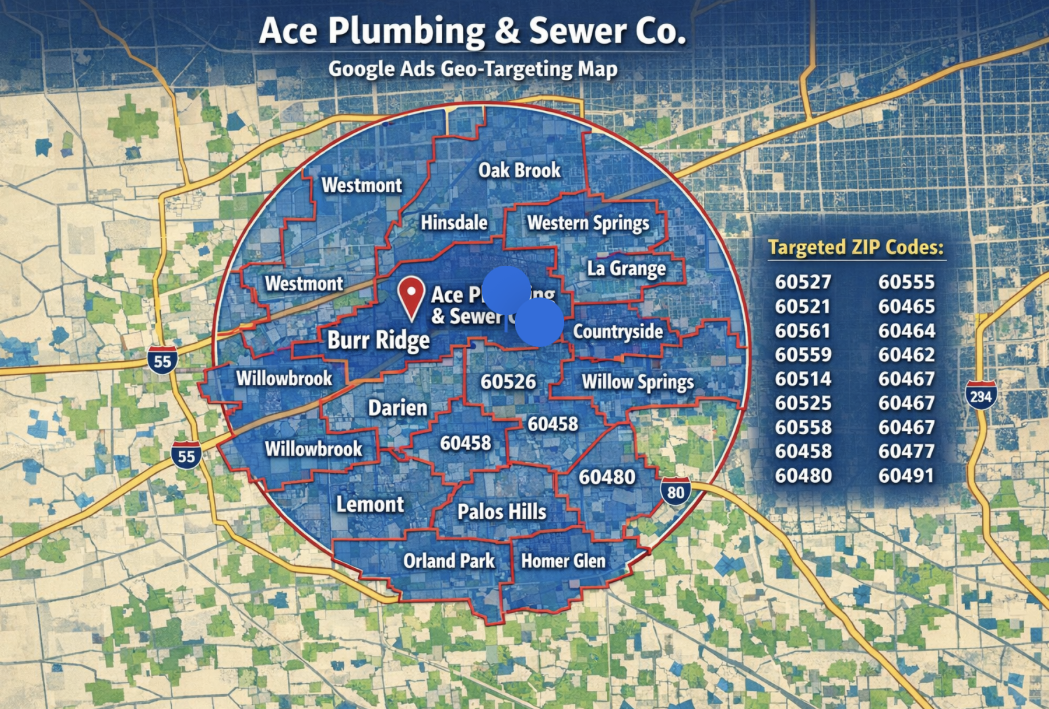
Proudly serving Burr Ridge and Southwest Chicago
Request a free quote
Tell us what’s going on and we’ll get right back to you. Need help now? Call and a real plumber answers 24/7.