Backflow Testing Chicago: Protect Your Water Supply [2024]
Trusted by homeowners across Burr Ridge and Chicago, IL
A single backflow incident can contaminate your entire water supply with sewage, chemicals, or other dangerous contaminants—putting your family’s health at serious risk and potentially costing thousands in cleanup and medical bills. For Chicago property owners, understanding backflow testing requirements and maintaining proper prevention systems isn’t just about compliance—it’s about protecting the health of everyone who depends on your water supply.
Whether you manage a commercial facility or own residential property, backflow testing Chicago regulations require annual inspections of backflow prevention devices to ensure they’re functioning correctly. A malfunctioning backflow preventer can allow contaminated water to flow backward into your clean water supply, creating a dangerous cross-connection that threatens public health.

What Is Backflow and Why It Threatens Your Water Safety
Backflow occurs when water flows in the opposite direction from its intended path, potentially allowing contaminated water to enter your clean water supply. This dangerous reversal happens when water pressure drops or negative pressure creates suction in your plumbing system.
Two main conditions cause backflow incidents:
- Backpressure: When downstream pressure exceeds supply pressure, forcing contaminated water backward into the clean system
- Back-siphonage: When negative pressure or vacuum conditions draw contaminated water back through cross-connections
Common sources of contamination include irrigation systems mixing with fertilizers or pesticides, industrial processes using chemicals, fire protection systems with stagnant water, and even something as simple as a garden hose submerged in a bucket of cleaning solution.
The health risks are severe. Contaminated water can carry bacteria, viruses, parasites, toxic chemicals, and other harmful substances directly into your drinking water. The CDC Drinking Water Regulations and Health Protection guidelines emphasize that preventing backflow is critical for maintaining safe drinking water standards.
Real-World Backflow Contamination Examples
Backflow incidents have caused serious public health emergencies across the United States. Industrial facilities have accidentally pumped toxic chemicals into municipal water supplies, while residential properties have contaminated neighborhood water systems through faulty irrigation connections.
In commercial settings, restaurants using chemical dishwashing systems, medical facilities with laboratory equipment, and manufacturing plants with industrial processes all present high-risk scenarios for backflow contamination without proper prevention measures.
Chicago Backflow Testing Requirements: What Property Owners Must Know
Chicago municipal code requires annual backflow prevention device testing for most commercial properties and many residential installations. These regulations align with EPA Cross-Connection Control and Backflow Prevention Guidelines to protect public water supplies.
Properties required to have backflow testing include:
- Commercial buildings with fire suppression systems
- Restaurants and food service establishments
- Medical and dental facilities
- Industrial and manufacturing sites
- Properties with irrigation systems
- Multi-unit residential buildings
- Any property with potential cross-connection hazards
The testing must be performed by licensed backflow testing professionals who hold proper certification. Chicago requires these certified testers to submit annual reports documenting that backflow prevention assemblies are functioning within acceptable parameters.
Failure to comply with testing requirements can result in water service disconnection, fines, and legal liability if contamination occurs. Property owners receive annual notices reminding them of testing deadlines, typically requiring completion by specific dates to maintain continuous water service.
Understanding Your Backflow Prevention Assembly
Different properties require different types of backflow prevention assemblies based on their hazard level. Reduced pressure principle (RPP) assemblies provide the highest level of protection for high-hazard applications, while double check valve assemblies may be sufficient for lower-risk situations.
The American Water Works Association Cross-Connection Control Resources provide detailed guidance on selecting appropriate backflow prevention devices based on specific applications and risk levels.
Signs Your Backflow Prevention System Needs Professional Testing
Beyond annual compliance testing, certain warning signs indicate your backflow prevention system may need immediate professional attention. Recognizing these symptoms early can prevent contamination incidents and costly emergency repairs.
Watch for these red flags that suggest backflow preventer maintenance issues:
- Discolored or foul-smelling water from any tap, which could indicate contamination from cross-connections
- Unusual water pressure fluctuations that might affect backflow preventer operation
- Visible leaks or corrosion around backflow prevention assemblies
- Water hammer or unusual noises in the plumbing system during water use
- Failed previous test results indicating the assembly isn’t functioning within specifications
Commercial properties should also schedule immediate testing after any plumbing modifications, fire system maintenance, or if water service was interrupted for repairs. These events can affect backflow preventer settings and require professional verification.
Seasonal Considerations for Backflow Testing
Weather extremes common in Chicago can affect backflow prevention assemblies. Freezing temperatures may damage internal components, while extreme heat can cause thermal expansion issues. Properties with outdoor assemblies need weatherproof enclosures and may require more frequent inspections.
Spring is an ideal time for commercial backflow testing since it allows addressing any winter damage before peak water usage seasons and ensures compliance with annual testing requirements.
The Complete Backflow Testing Process: What to Expect
Professional backflow testing follows strict protocols to ensure accurate results and regulatory compliance. Understanding this process helps property owners prepare and know what to expect during scheduled testing appointments.
The comprehensive testing process includes:
Pre-Testing Preparation
Licensed technicians begin by reviewing your property’s backflow prevention assembly documentation, including previous test reports and manufacturer specifications. They’ll identify all testable assemblies on your property and verify proper access for testing equipment.
The testing team will also coordinate with you to minimize disruption to business operations, as testing may require temporary water service interruption to specific areas.
Physical Inspection and Testing
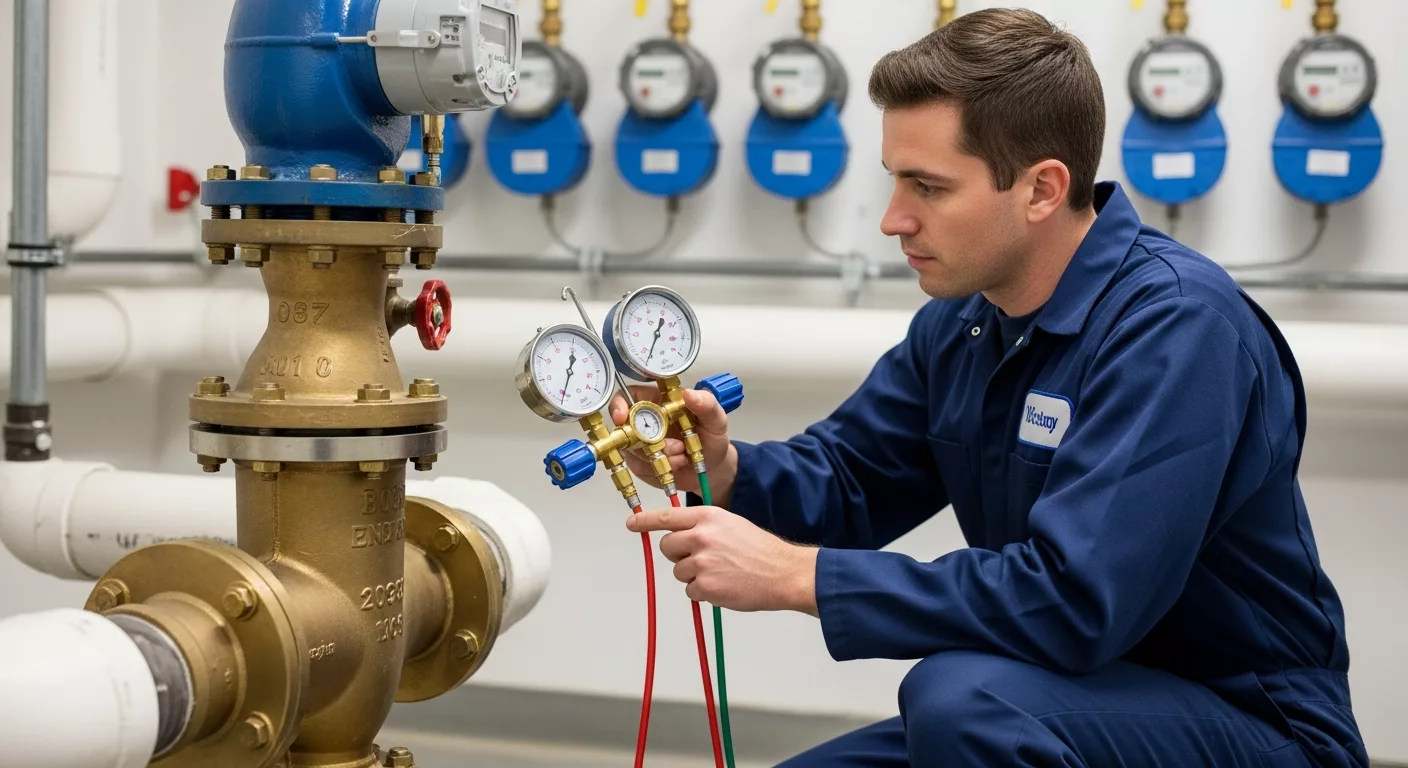
Certified professionals use specialized gauges to measure pressure differentials across backflow prevention assemblies. They test each component systematically, including relief valves, check valves, and shutoff valves, to ensure they operate within acceptable parameters.
During testing, technicians check for leaks, verify proper assembly installation, and document any maintenance needs. They’ll also inspect assembly enclosures and ensure adequate drainage and freeze protection.
Documentation and Compliance Reporting
After completing tests, certified professionals provide detailed reports showing test results, pass/fail status, and any recommended repairs or maintenance. They submit required documentation to Chicago water authorities and provide you with copies for your records.
If assemblies fail testing, technicians will explain needed repairs and can often perform maintenance on-site to bring systems back into compliance. Some repairs may require replacement parts or assembly modifications to meet current standards.
At Ace Plumbers, our Chicago Commercial Plumbing: 24/7 Emergency & Maintenance team includes certified backflow testing professionals who streamline this entire process for commercial and residential clients throughout the western suburbs.
Preventative Maintenance Tips to Keep Your System Compliant
Proactive backflow preventer maintenance extends assembly life, ensures reliable protection, and helps you pass annual testing requirements. Simple preventative measures can save thousands in emergency repairs and protect against contamination incidents.
Monthly Visual Inspections
Property owners should visually inspect backflow prevention assemblies monthly, looking for obvious signs of damage, corrosion, or leaks. Check that assembly enclosures remain secure and properly ventilated, and ensure drainage systems aren’t blocked or frozen.
Document any changes or concerns in a maintenance log, and contact licensed professionals immediately if you notice any problems. Early intervention prevents minor issues from becoming major failures.
Seasonal Maintenance Tasks
Prepare backflow assemblies for Chicago’s harsh winters by ensuring adequate insulation and heating in enclosures. Spring maintenance should include checking for freeze damage and verifying that drainage systems function properly after snow melt.
Commercial properties with landscape irrigation should coordinate backflow testing with seasonal system startup to identify any issues before full operation begins.
Professional Maintenance Partnerships
Establishing ongoing maintenance contracts with licensed professionals ensures consistent care and priority scheduling for emergency service. These partnerships often include annual testing, routine inspections, and discounted repair services.
Our team at Ace Plumbers offers comprehensive maintenance contracts for commercial clients, providing scheduled inspections and priority service that keeps systems compliant and operating reliably. This proactive approach aligns with our 5 Essential Plumbing Maintenance Tasks to Prevent Costly Repairs philosophy.
Choosing Licensed Commercial Plumbing Experts for Reliable Testing
Selecting qualified professionals for backflow testing ensures accurate results, regulatory compliance, and reliable system protection. Not all plumbing contractors have the specialized training and certification required for proper backflow testing.
Essential Qualifications to Verify
Licensed backflow testers must hold current certification from recognized training programs and maintain proper insurance coverage. They should be familiar with Chicago-specific requirements and have experience with your type of property and backflow assembly.
Ask potential contractors about their certification status, testing equipment calibration schedules, and experience with your specific assembly types. Qualified professionals will gladly provide credentials and explain their testing procedures.
Service Quality Indicators
Reliable backflow testing services include prompt scheduling, professional communication, detailed reporting, and follow-up support for any needed repairs. Look for contractors who offer emergency service and can handle repairs immediately if testing reveals problems.
The best service providers also offer preventative maintenance programs and can integrate backflow testing with other essential services like Professional Drain Cleaning Guide: When to DIY vs Call Experts to maximize efficiency and minimize service disruptions.
Why Ace Plumbers Stands Out for Backflow Testing
With over 40 years of experience serving Chicago’s western suburbs, Ace Plumbers combines certified backflow testing expertise with comprehensive commercial plumbing services. Our third-generation, family-owned company understands the unique demands of both commercial and residential properties.
We maintain current certifications, properly calibrated testing equipment, and carry comprehensive insurance coverage for your protection. Our team provides detailed reporting, immediate repair services, and ongoing maintenance support to keep your systems compliant and reliable.
Our commercial clients appreciate our fast response times, flexible scheduling, and expertise with complex systems. We manage all permitting and compliance requirements, ensuring your property meets Chicago regulations without disrupting your operations.
Protecting Your Water Supply Investment
Annual water contamination prevention through proper backflow testing represents a small investment compared to the potential costs of contamination incidents. Beyond regulatory compliance, backflow testing protects your property value, reduces liability risks, and ensures safe water for everyone who depends on your system.
Commercial properties especially benefit from establishing ongoing relationships with certified professionals who understand their systems and can provide rapid response when issues arise. This proactive approach minimizes downtime and maintains the reliability your business demands.
Don’t wait until the last minute to schedule your annual backflow testing. Early scheduling ensures compliance, allows time for any needed repairs, and demonstrates your commitment to water safety and regulatory compliance.
For reliable backflow testing Chicago services that protect your water supply and keep you compliant, contact Ace Plumbers at (708) 204-8602. Our certified professionals provide comprehensive testing, immediate repairs, and ongoing maintenance support for both commercial and residential properties throughout the western suburbs.
Ready to schedule your backflow testing or need emergency service for a suspected contamination issue? Our experienced team is standing by to protect your water supply and ensure regulatory compliance with fast, professional service you can trust.
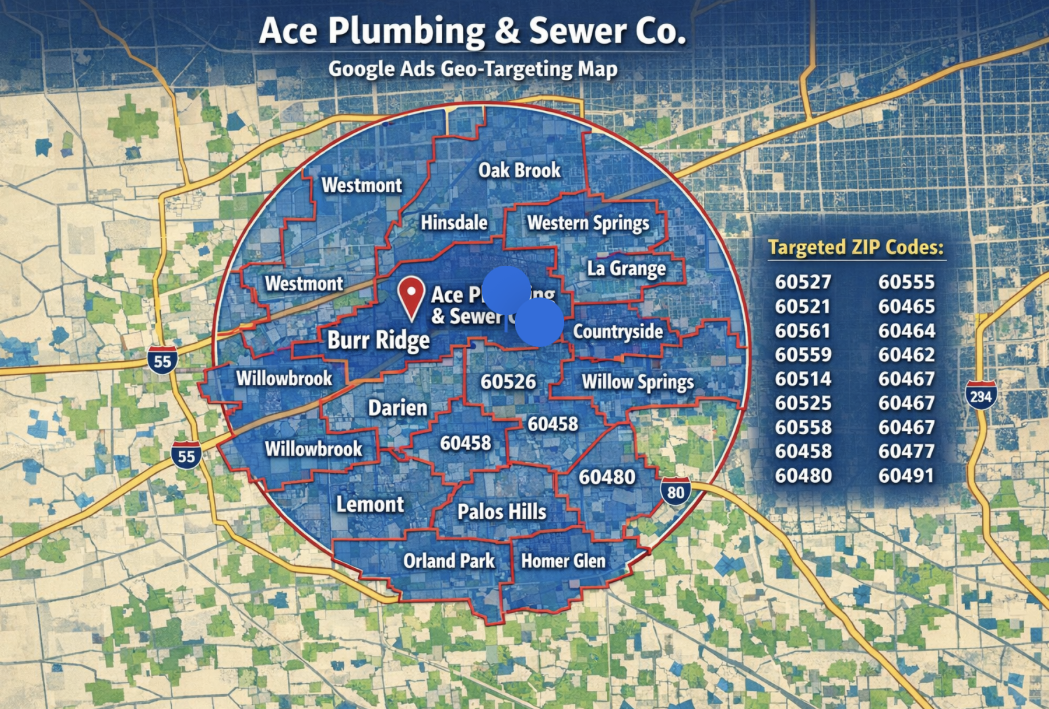
Proudly serving Burr Ridge and Southwest Chicago
Request a free quote
Tell us what’s going on and we’ll get right back to you. Need help now? Call and a real plumber answers 24/7.