Why Does Your Sump Pump Smell Bad?
Trusted by homeowners across Burr Ridge and Chicago, IL
A sump pump that smells bad is telling you something’s wrong. We at Ace Plumbing & Sewer know that foul odors from your sump pit usually point to bacteria, mold, or trapped debris that need immediate attention.
The good news is that most sump pump smells are preventable with regular maintenance. This guide walks you through identifying the source and fixing it fast.
What Creates Sump Pump Odors
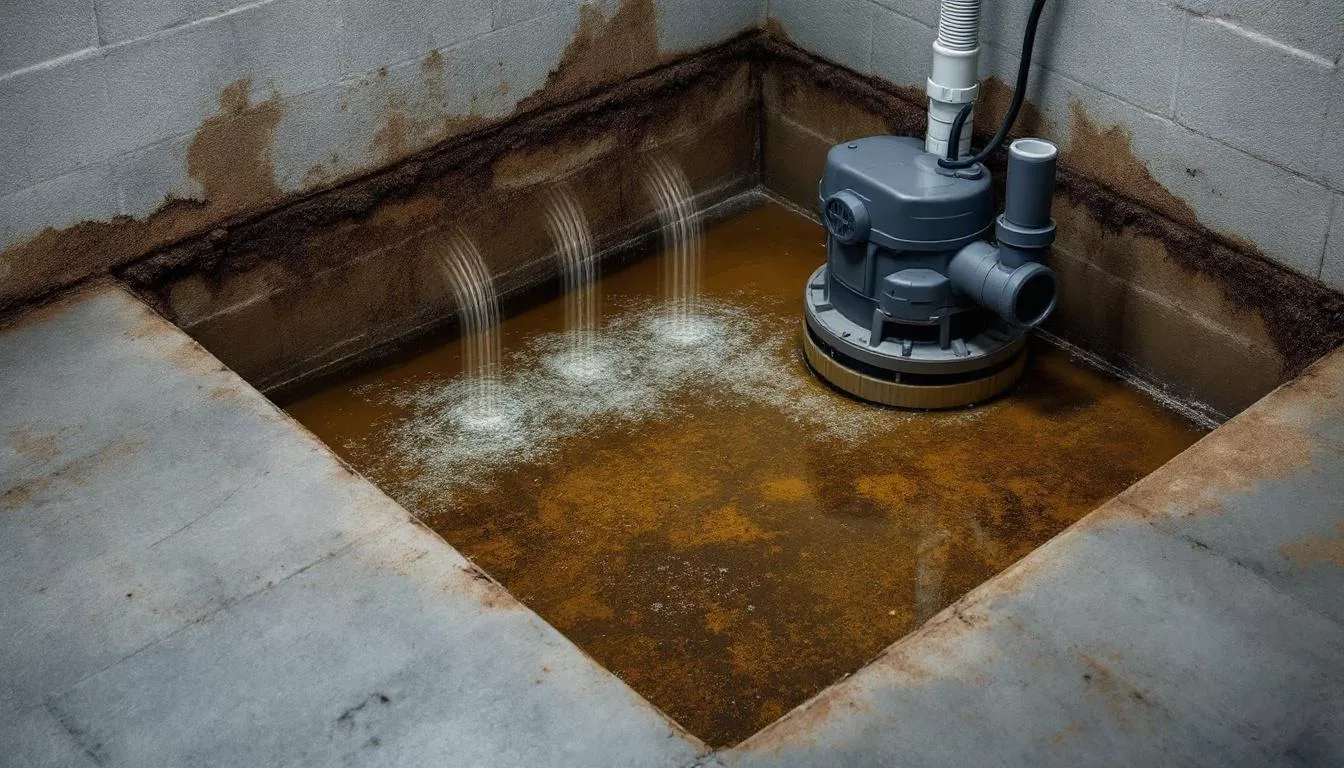
Standing water in your sump pit creates the perfect breeding ground for bacteria and mold, especially when organic debris accumulates. Laundry water draining into the sump pit introduces soap residue, lint, and organic matter that decomposes over time, generating hydrogen sulfide gas-that rotten egg smell you’re noticing. Research confirms that sludge buildup in the sump pit creates a foul smell as decomposing organic matter such as dirt and debris accumulate. If your sump pit sits undisturbed for weeks, anaerobic bacteria thrive in oxygen-poor conditions. The EPA notes that high humidity and dampness intensify odor production, making basements in areas like Darien, Hinsdale, and Westmont particularly vulnerable during wet seasons.

Indianapolis’s heavy rainfall and high groundwater make sump pumps essential for basement protection, but they also mean your pit fills more frequently-and if it’s not draining completely, stagnant water becomes an odor factory within days, not weeks.
Bacterial Growth and Mold in Stagnant Water
A float switch malfunction or clogged discharge line prevents your sump pit from emptying fully, leaving water sitting at the bottom. Mold colonies develop rapidly when water remains static for extended periods, and sulfur-producing bacteria generate that unmistakable rotten egg odor. Family Handyman recommends cleaning the sump pit every three to six months to prevent organic decay odors from accumulating. If you notice the smell intensifies after laundry day but lingers for days instead of disappearing the same day, your pump likely isn’t draining completely-a sign the float switch needs adjustment or the check valve requires replacement.
Decomposing Debris and Dry Traps
Dirt, sand, gravel, and debris entering through drain lines settle in your sump basin and decompose, creating foul odors. A dry floor drain trap or missing vent pipe allows sewer gas to enter your basement directly. Pouring water into basement floor drains keeps P-traps sealed and prevents sewer odors from escaping into living spaces. If your sump pit lacks proper ventilation to the outside, gases accumulate and escape through cracks or gaps around the basin. Homes in Burr Ridge, Willowbrook, and Clarendon Hills benefit from professional inspection to confirm adequate ventilation and functioning check valves that prevent backflow and odors.
Pinpoint the Problem
Look Inside the Sump Basin
Open the sump basin lid and inspect the interior with a flashlight. You’re searching for visible sludge, dirt, sand, gravel, or debris settled at the bottom-this buildup almost always causes the odor. If the water looks murky or has a layer of sludge coating the walls, decomposing organic matter generates that hydrogen sulfide odor. Remove the impeller and thoroughly clean it with a wire brush, then use a bleach solution to scrub and disinfect the sump basin walls.

Trace Your Drainage Lines for Clogs
Blocked or slow-draining lines prevent water from flowing freely into the sump, which means water sits longer and odors intensify. Trace your drainage lines from where laundry, showers, and basement drains connect to the pit. Pour water slowly into a floor drain near the sump and watch how quickly it flows into the pit-if it trickles instead of flowing steadily, you’ve found a clog. Slow drainage traps water in your system and accelerates bacterial growth.
Test the Check Valve and Discharge Pipe
Check the discharge pipe leaving your sump pump and locate the check valve, which should be a one-way flapper preventing water from flowing backward into the basin. If water has backed up into the pit after the pump cycles, the check valve is failing and needs replacement immediately. A malfunctioning check valve sustains damp, smelly conditions by allowing pumped water to re-enter the basin.
Inspect the Pump and Float Switch
Inspect the sump pump itself for rust, corrosion, or unusual noise when it activates. A pump that hums or clangs but doesn’t discharge water is either clogged internally or the float switch is stuck, both of which trap stagnant water in the basin. Test the float switch by pouring water slowly into the pit until the pump activates-if it doesn’t turn on at the expected level, the switch needs adjustment or replacement.
Check for Cracks and Ventilation Issues
Look for cracks around the sump basin and foundation where sewer gas seeps in from outside; these gaps are often overlooked sources of persistent odor. Check whether your sump pit has a sealed lid with proper ventilation to the outside; an unsealed or vented-indoors basin allows gases to escape directly into your basement. Homes in Burr Ridge, Willowbrook, Clarendon Hills, and nearby areas experience frequent sump pit filling during spring thaw and heavy rain-meaning clogs or pump failures become obvious faster. Once you’ve identified visible buildup, drainage issues, or valve problems, you have clear direction for fixing them.
Fix Your Sump Pump Odor
Clean the Pit Thoroughly
The fastest way to stop sump pump odors is a three-step approach: clean the pit thoroughly, verify your check valve works, and address any ventilation gaps. Start with cleaning, which should happen twice a year to prevent organic decay. Mix one cup of bleach with one gallon of water, pour it into the sump basin until the float activates, then run the pump to cycle the solution through. After the cycle completes, scrub the pit walls and pump impeller with a wire brush to remove sludge coating that generates hydrogen sulfide odor. This single maintenance task eliminates most rotten egg smells within days.
Replace a Failing Check Valve
If the odor returns within weeks, your check valve is likely failing and allowing pumped water to re-enter the basin, sustaining damp conditions that breed bacteria. Replace a failing check valve immediately-the part costs $10 to $125, and a licensed plumber can install it in under an hour. Test the replacement by pouring water slowly into your sump pit and confirming the pump activates and fully drains; water should never back up into the basin after the pump cycles.
Install Proper Ventilation
Ventilation is the third critical fix that most homeowners overlook. If your sump pit vents indoors or lacks ventilation entirely, gases accumulate and escape through foundation cracks or gaps around the basin lid. Install or repair a vent pipe that directs gases outside and away from your home, similar to how your bathroom exhaust vents outdoors.

Homes in Burr Ridge, Willowbrook, Clarendon Hills, Darien, and Hinsdale benefit from sealed sump pit systems that combine a tight-fitting lid with dedicated outside venting-these systems cost $300 to $800 installed but eliminate odors permanently by preventing gas escape into living spaces.
Address Sewer-Line Problems
If odors persist after cleaning, valve replacement, and ventilation improvements, the underlying issue is likely a cracked sewer line or septic problem requiring professional camera inspection. A licensed plumbing contractor can diagnose and repair sewer-infiltration odors, which signal contamination that threatens your basement and foundation.
Final Thoughts
Sump pump smells don’t vanish without action, and ignoring them risks your basement’s safety. Two simple steps stop most odors: clean your pit twice yearly with a bleach solution, and verify your check valve functions properly. These tasks take an afternoon and cost almost nothing, yet they prevent the bacterial growth and stagnant water that create foul odors in the first place.
Test your sump pump monthly by pouring water into the pit and confirming it activates and fully drains. Inspect the discharge pipe for backflow, check the float switch for stuck movement, and look for cracks around the basin where sewer gas seeps in. Homes in Burr Ridge, Willowbrook, Clarendon Hills, Darien, and Hinsdale experience heavy spring thaw and frequent rainfall, which means your pump works harder and fills more often-regular attention prevents the neglect that turns a minor odor into a major problem.
If sump pump smells persist after cleaning and valve replacement, or if you discover a cracked sewer line during inspection, call a licensed plumber immediately. We at Ace Plumbing & Sewer handle sump pump repairs, sewer-line inspections, and ventilation fixes with the expertise your home deserves, and same-day emergency response keeps your basement dry and fresh.
Proudly serving Burr Ridge and Southwest Chicago

Request a free quote
Tell us what’s going on and we’ll get right back to you. Need help now? Call and a real plumber answers 24/7.