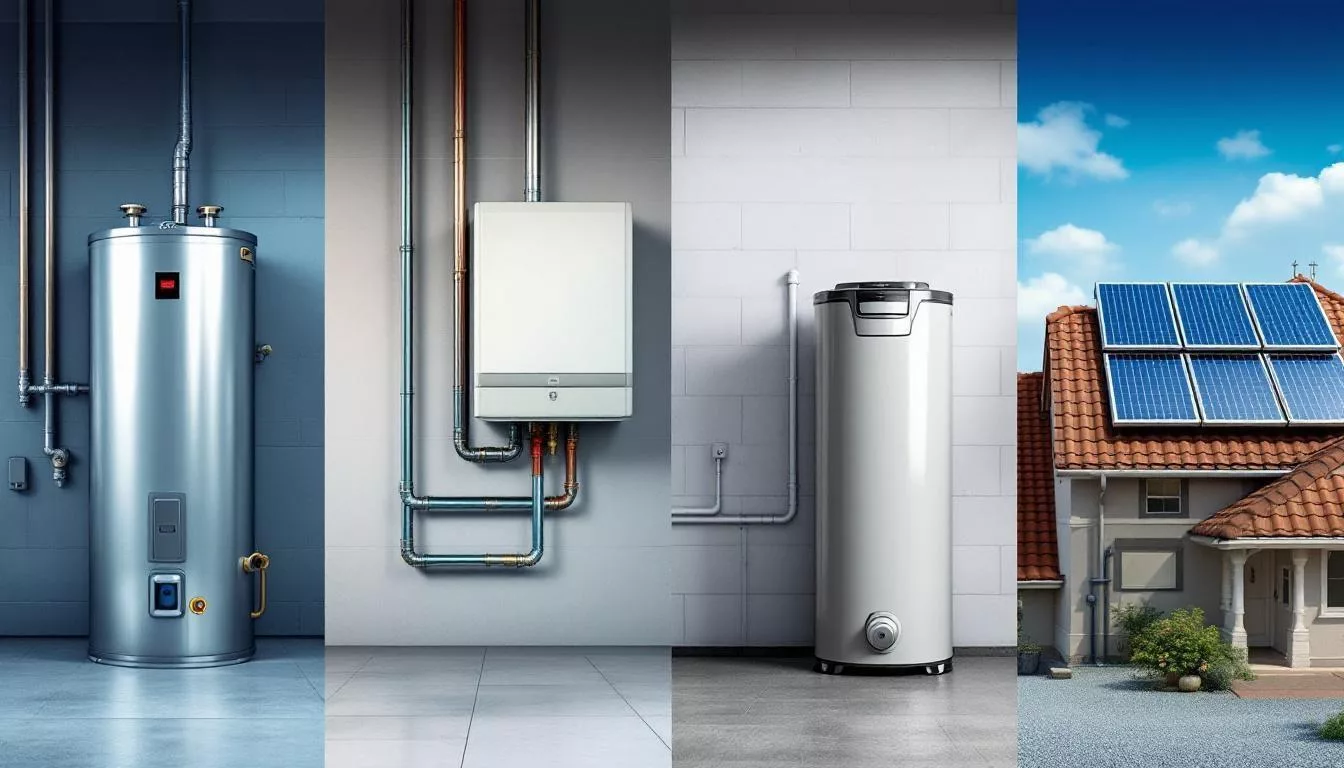
Types of Hot Water Heaters for Your Home
Trusted by homeowners across Burr Ridge and Chicago, IL
Your water heater is one of the hardest working appliances in your home, yet most homeowners give it little thought until something goes wrong. At Ace Plumbing & Sewer, we know that understanding the different types of hot water heaters available can save you money and headaches down the road.
Whether you’re dealing with an aging tank system or exploring modern alternatives, this guide walks you through your options so you can make an informed choice that fits your household’s needs and budget.
Tank Water Heaters Still Dominate Most Homes
How Tank Systems Work
Tank water heaters remain the most common residential option in the U.S., and for good reason. These systems store heated water in an insulated tank-typically 40 to 80 gallons-keeping it ready whenever you need it. Cold water enters the tank, and a heating element powered by gas or electricity warms it to your set temperature. The system cycles on and off to maintain that heat. The simplicity is hard to beat. When you turn on a shower in Burr Ridge, Hinsdale, or Clarendon Hills, hot water flows immediately without delay.
Real Advantages for Most Households
Tank water heaters offer genuine benefits that explain their popularity. Upfront affordability and installation simplicity make them attractive; a basic electric or gas model costs significantly less than tankless or hybrid alternatives, and replacement takes just a day or two. Gas models recover heat faster than electric ones, meaning you can run multiple showers back-to-back without running out of hot water-a major win for larger families. For most households, this straightforward approach still makes sense, especially if you’re replacing an existing tank system.
The Efficiency Problem
Tank systems have real drawbacks that matter over time. They lose energy continuously as stored water cools, even when nobody’s using hot water.

Heating water accounts for approximately 15 percent of a home’s energy use, making them far less efficient than on-demand systems. You’re also limited by tank capacity; if you have a 50-gallon tank and use 40 gallons for a shower and laundry at the same time, you’re waiting for recovery.
Lifespan and Maintenance Reality
A traditional tank water heater lasts 8-12 years, shorter than tankless or hybrid units. Maintenance matters significantly-flush sediment from the tank annually, replace the anode rod every three to five years to prevent rust, and have the temperature-pressure relief valve tested regularly. Neglect these tasks and you’ll shorten the heater’s life or risk corrosion damage.

When a Tank Makes Financial Sense
If you’re staying in your Willowbrook or Westmont home for fewer than ten years and energy costs aren’t a concern, a tank replacement often makes financial sense. But if you plan to stay longer, the steady energy drain becomes expensive. This is where exploring tankless or heat pump alternatives becomes worthwhile before making your final decision.
Are Tankless Water Heaters Worth the Investment?
How Tankless Systems Deliver Hot Water
Tankless water heaters operate on a fundamentally different principle than storage tanks. When you turn on a hot water tap in Hinsdale or Westmont, cold water flows through a heat exchanger that rapidly heats it to your desired temperature. No tank sits around keeping water hot all day and night. Natural gas or electricity powers the heating element, and you get hot water on demand. The system delivers 2 to 5 gallons per minute continuously, which works well for most household tasks.
The Reality of Simultaneous Demand
Multiple people showering at once or running the dishwasher while someone showers can strain an undersized unit. You might notice reduced flow or temperature dips if your system lacks adequate capacity. This reality matters far more than manufacturers typically admit, and sizing calculations during installation become non-negotiable. A properly sized tankless unit for a family of four requires 8 to 10 GPM to handle peak simultaneous demand without compromise. Undersizing creates frustration that no amount of efficiency gains can overcome.
Measurable Efficiency Advantages
The efficiency advantage is real and quantifiable. Tankless units eliminate standby heat loss entirely since no tank cools down when nobody uses hot water. According to Energy.gov, they deliver 24 to 34 percent better efficiency than traditional storage tanks for most households. Over 20 years, that translates to genuine savings, especially if local natural gas prices remain reasonable. Installation costs run significantly higher than tank replacement, typically ranging from $3,000 to $5,000 installed in the western Chicago suburbs (Burr Ridge, Clarendon Hills, Willowbrook), depending on venting requirements and gas line modifications.
Maintenance and Long-Term Performance
Maintenance isn’t zero either; annual descaling prevents mineral buildup in the heat exchanger, particularly in hard water areas. The upfront investment only makes financial sense if you stay in your home for at least 10 to 15 years. Tankless units last between 15 to 20 years with proper maintenance, compared to 8 to 12 years for traditional tanks. This extended lifespan can offset higher initial costs over the long run.
Evaluating Your Specific Situation
Whether tankless makes sense depends entirely on your household’s hot water patterns, local energy costs, and how long you plan to stay in your home. A professional evaluation of your actual usage patterns reveals whether the long-term savings justify the upfront cost in your particular situation. The decision requires honest assessment of your needs rather than assumptions about what you think you need.
Hybrid and Alternative Water Heating Systems
Heat Pump Water Heaters Deliver Real Efficiency Gains
Heat pump water heaters represent a genuinely different approach that deserves serious consideration if you’re in Burr Ridge, Hinsdale, Westmont, or nearby areas planning a 10-plus year stay. These hybrid systems pull ambient heat from surrounding air and use it to warm water, then add electric resistance heating only when needed. According to Energy Star, heat pump models deliver 2 to 3 times the efficiency of standard electric storage tanks, translating to roughly 50 percent lower operating costs compared to conventional electric units. The catch is real: they require adequate space (at least 1,000 cubic feet of air circulation), perform best in climates above 50°F, and cost significantly more upfront-typically $2,500 to $4,000 before installation.
Space and Climate Requirements Matter
If your garage or utility space can accommodate one and you have reliable electricity, the long-term payback works. Maintenance involves occasional filter cleaning and annual inspections, far simpler than tankless descaling.

Many utilities in the western Chicago suburbs now offer rebates for Energy Star certified heat pump installations, sometimes covering $500 to $1,500 of the cost, which substantially improves the financial case. The Inflation Reduction Act also provides federal tax credits for qualifying high-efficiency models, making the actual out-of-pocket expense lower than the sticker price suggests.
Heat Pumps Win on Total Cost of Ownership
For homeowners staying put and willing to invest upfront, heat pump water heaters often outperform both traditional tanks and tankless systems on total cost of ownership over 15 to 20 years. The efficiency advantage compounds year after year, and the extended lifespan (typically 15 to 20 years) means fewer replacement cycles than conventional tanks.
Solar Water Heaters: Maximum Efficiency, Maximum Investment
Solar water heaters sit at the opposite end of the spectrum-highest upfront cost but potentially the lowest long-term operating expense. Active solar systems use rooftop collectors to heat water directly or preheat it before a backup gas or electric heater finishes the job. According to the Department of Energy, solar water heaters can cut water-heating energy use by 50 to 80 percent depending on climate and system design, though northern Illinois experiences real seasonal variation that limits peak performance in winter months. Installation typically runs $3,500 to $8,000 after accounting for roof modifications, plumbing connections, and a backup heating source.
When Solar Makes Financial Sense
The systems last 20 to 30 years with proper maintenance, far exceeding any other option, and federal tax credits can offset 30 percent of qualified installation costs. Solar works best if your roof faces south with minimal shade, you’re committed to long-term ownership, and you can handle the substantial upfront investment. In areas like Willowbrook, Clarendon Hills, and Darien with moderate sun exposure, the payback period stretches to 12 to 15 years, which demands confidence in your long-term plans. Hybrid solar-assisted systems that combine collectors with heat pump backup technology represent emerging middle-ground options, though they’re still uncommon and require specialized installation expertise.
Final Thoughts
Your household’s hot water needs are unique, and the right choice depends on three factors: how much hot water you actually use, your budget for upfront costs, and how long you plan to stay in your home. Assess your peak demand honestly-count simultaneous showers, laundry cycles, and dishwasher runs happening at once. A family of four in Burr Ridge or Hinsdale with multiple bathrooms has vastly different requirements than a couple in Clarendon Hills or Willowbrook, and this realistic picture prevents oversizing or undersizing.
Compare the Uniform Energy Factor (UEF) on product labels across the types of hot water heaters you’re considering, since higher numbers mean lower operating costs. A heat pump water heater with a UEF of 3.5 will cost substantially less to run than a traditional electric tank rated at 0.95, but only if your space and climate support it. Tankless units typically deliver UEF ratings between 0.82 and 0.96, making them efficient but not necessarily superior to modern heat pump alternatives when total cost of ownership matters (federal tax credits and local utility rebates in the western Chicago suburbs can reduce the actual out-of-pocket expense by hundreds or thousands of dollars).
Contact a licensed plumber to assess your actual usage patterns and calculate proper sizing for tankless or heat pump systems. We at Ace Plumbing & Sewer can explain which option delivers the best value for your specific situation in Burr Ridge, Hinsdale, Westmont, Willowbrook, Clarendon Hills, or Darien. Schedule your consultation today and make a confident choice that serves your household for years to come.
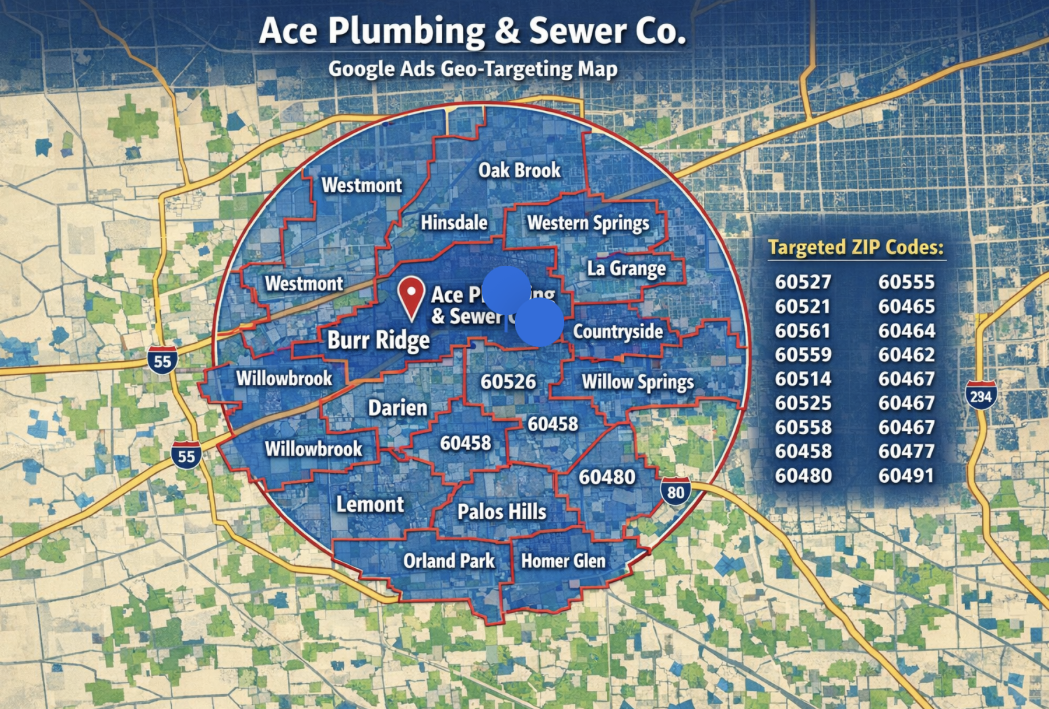
Proudly serving Burr Ridge and Southwest Chicago
Request a free quote
Tell us what’s going on and we’ll get right back to you. Need help now? Call and a real plumber answers 24/7.