Sewer Line Repair Methods Without Excavation
Trusted by homeowners across Burr Ridge and Chicago, IL
Sewer line problems can be a homeowner’s nightmare. But what if we told you there’s a way to fix them without tearing up your yard?
At Ace Plumbing & Sewer, we specialize in sewer line repair without digging. These innovative trenchless methods offer a less invasive, more efficient solution to traditional excavation.
In this post, we’ll explore two popular techniques: pipe lining and pipe bursting. You’ll learn how they work, their benefits, and when they’re the best choice for your sewer line issues.
What Is Trenchless Sewer Line Repair?
A Revolutionary Approach
Trenchless sewer line repair has transformed the plumbing industry. This innovative method fixes damaged sewer pipes without extensive digging or excavation. At Ace Plumbing & Sewer, we use this cutting-edge technique to address sewer line issues efficiently and effectively.
The Process Explained
Trenchless repair involves the creation of small access points at the beginning and end of the damaged pipe section. We use specialized equipment to repair or replace the pipe from within. This method proves far less invasive than traditional excavation, which often requires the disruption of large sections of yards or driveways.
Cost-Effectiveness
One of the most compelling advantages of trenchless repair is its cost-effectiveness. While the initial price might appear higher, it’s more economical in the long run. Trenchless replacement methods cost $60 to $250 per linear foot compared to traditional excavation at $50 to $200 per linear foot, but can save money on landscape restoration and labor costs.

Ideal Scenarios for Trenchless Repair
Trenchless repair suits various situations. It’s particularly useful when damaged pipes run under structures, landscaping, or hardscaping that you’d prefer to leave undisturbed. If you face issues like root intrusion, cracks, or leaks in your sewer line, trenchless repair could be your optimal solution.
Environmental Benefits
The reduced environmental impact of trenchless repair provides another compelling reason for its consideration. Traditional excavation methods can disrupt local ecosystems and contribute to soil erosion. Trenchless techniques minimize these issues, making them a more eco-friendly choice for environmentally conscious property owners.
As we move forward, let’s explore two popular trenchless repair methods: pipe lining and pipe bursting. These techniques offer unique advantages and can address a wide range of sewer line problems.
How Pipe Lining Works: A Revolutionary Trenchless Method
The Pipe Lining Process
Pipe lining transforms sewer repair. This innovative technique starts with a thorough inspection of the damaged pipe using high-tech camera equipment. We assess the extent of the damage and determine if pipe lining suits the situation. If appropriate, we clean the existing pipe with hydro jetting to remove debris and buildup.
Next, we insert a flexible liner (coated with epoxy resin) into the damaged pipe. We inflate the liner, pressing it against the walls of the existing pipe. As the epoxy cures, it forms a new, seamless pipe within the old one. This “pipe within a pipe” extends the life of your sewer line by up to 50 years.
Types of Pipe Lining
Several pipe lining techniques exist, each suited to different situations:
- Cured-in-Place Pipe (CIPP): This method uses a trenchless technique in which a resin-saturated liner is inserted into the damaged pipe and cured to form a new pipe within the old one.
- Spray Lining: This method works well for smaller diameter pipes. It involves spraying epoxy resin directly onto the pipe walls.
- Pull-in-Place: This technique pulls a flexible liner into place through the damaged pipe. We then inflate and cure it.
Benefits of Pipe Lining
Pipe lining offers numerous advantages. It disrupts your property less than traditional excavation methods. We often complete the process in just a day or two. It also proves more cost-effective in the long run, as it eliminates the need for extensive landscaping restoration.
A study by the Trenchless Technology Center at Louisiana Tech University found that trenchless methods like pipe lining can reduce project costs compared to traditional excavation methods. This cost saving (combined with minimal disruption to your property) makes pipe lining an attractive option for many sewer line repairs.

Limitations to Consider
While pipe lining works wonders in many situations, it doesn’t suit every case. Severely damaged pipes or those with significant structural issues may require full replacement. Additionally, pipe lining slightly reduces the diameter of the existing pipe (which could concern some property owners).
Pipe lining revolutionizes sewer repair, offering a less invasive and more efficient solution. However, each situation requires careful evaluation. Let’s explore another popular trenchless method: pipe bursting.
How Pipe Bursting Works: A Powerful Trenchless Solution
The Pipe Bursting Process Explained
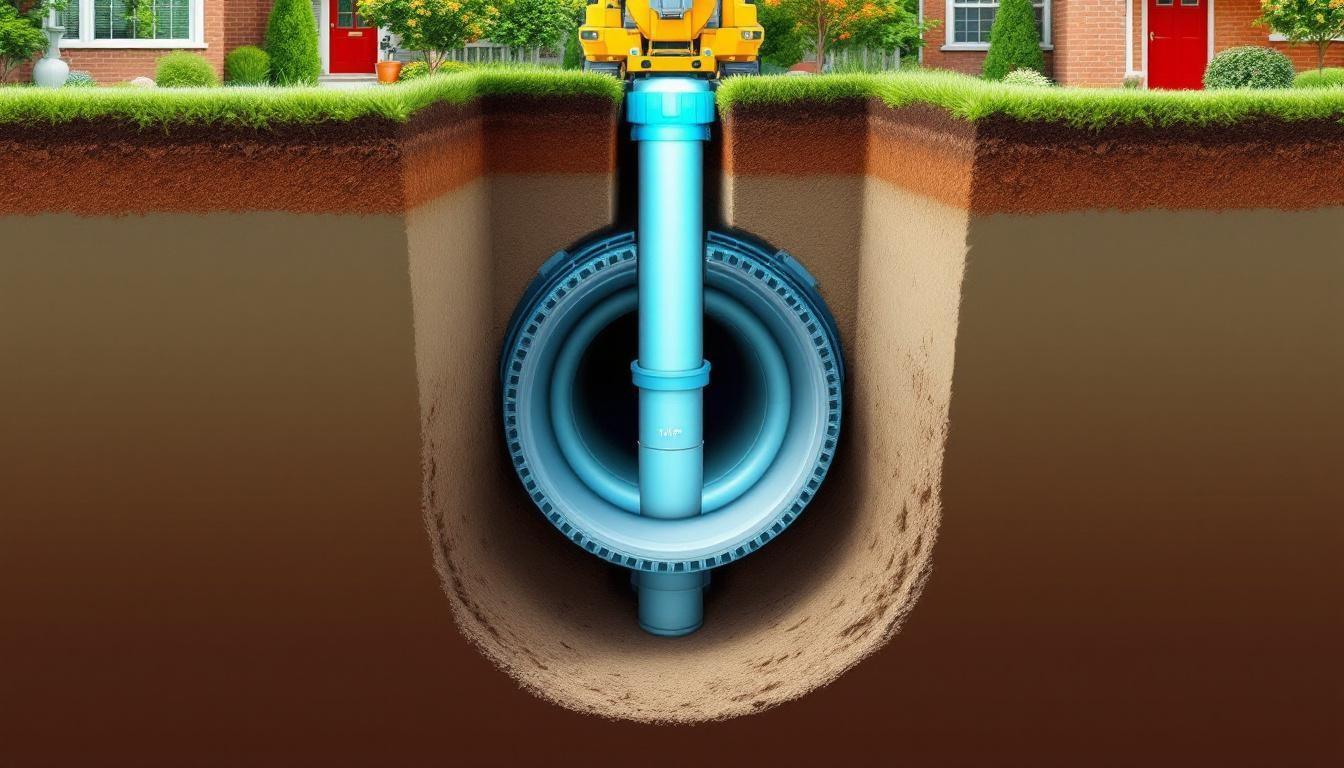
Pipe bursting replaces damaged pipes without extensive excavation. We start by digging small access pits at both ends of the damaged pipe section. We then insert a bursting head into the old pipe. This robust bursting head, attached to a new pipe, moves through the existing line with hydraulic or pneumatic force.
As the bursting head advances, it shatters the old pipe and displaces the fragments into the surrounding soil. The new pipe (typically made of high-density polyethylene or HDPE) follows immediately behind. This process can replace pipes ranging from 2 to 48 inches in diameter, offering versatility for various plumbing needs.
When Pipe Bursting Shines
Pipe bursting excels in several scenarios. It effectively replaces severely damaged or collapsed pipes that can’t undergo repair through lining methods. We often recommend this technique for pipes with extensive root intrusion, multiple cracks, or misaligned joints.
This method also allows for upsizing. If your property needs increased flow capacity, pipe bursting can replace the old pipe with a larger diameter one. This feature makes it an excellent choice for growing businesses or homes with expanding plumbing needs.
Advantages of Pipe Bursting
Pipe bursting offers significant benefits:
- Speed: It completes faster than traditional excavation, often in a day or two.
- Minimal Disruption: This speed translates to less disturbance for your property and business operations.
- Durability: The new HDPE pipes typically have a life expectancy of 50 years, with some lasting even longer in municipal potable water systems.
- Cost-Effective: While initial costs might seem higher, reduced labor and restoration expenses often make it more economical overall.

Considerations for Pipe Bursting
Despite its advantages, pipe bursting isn’t suitable for every situation:
- Space Requirements: It needs more access space than some other trenchless methods, which can challenge tight urban environments.
- Soil Conditions: The soil type and condition around the pipe can affect the feasibility of this method.
- Existing Utilities: Nearby utilities might limit the use of pipe bursting in some cases.
Professional Assessment
A thorough evaluation determines if pipe bursting suits your specific needs. Experienced plumbing professionals can guide you through the process, ensuring you receive the most effective and efficient sewer line repair possible.
Final Thoughts
Trenchless sewer line repair methods have transformed the plumbing industry. Pipe lining and pipe bursting offer efficient solutions for sewer line repair without digging. These techniques save time, money, and preserve landscapes while minimizing environmental impact.
At Ace Plumbing & Sewer, we understand the complexities of sewer line repairs. Our team uses cutting-edge technology to handle your sewer line needs effectively. We provide thorough assessments, clear explanations, and expert execution of the chosen repair method.
Don’t let sewer line problems disrupt your property. Contact Ace Plumbing & Sewer today for fast, reliable, and innovative repair solutions. With our expertise in trenchless technologies, we’ll restore your plumbing system with minimal disruption to your property.
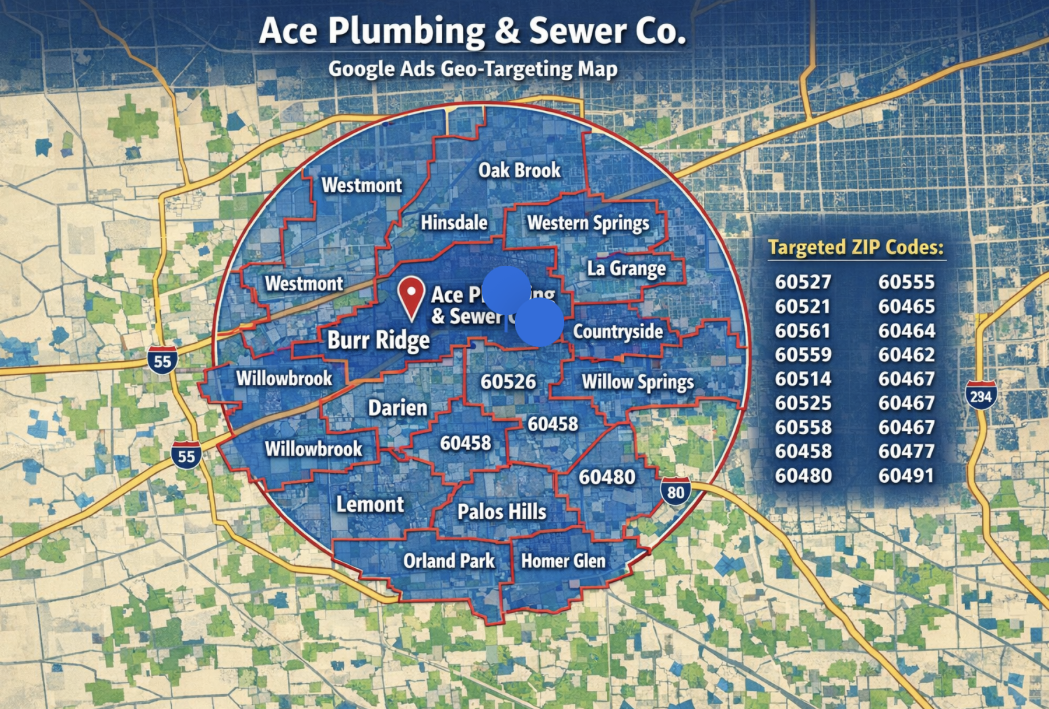
Proudly serving Burr Ridge and Southwest Chicago
Request a free quote
Tell us what’s going on and we’ll get right back to you. Need help now? Call and a real plumber answers 24/7.