Key Considerations for Your Bathroom Plumbing Renovation
Trusted by homeowners across Burr Ridge and Chicago, IL
Bathroom plumbing renovation projects require careful planning to avoid costly mistakes and code violations. Poor planning leads to water damage, permit issues, and budget overruns that plague 40% of renovation projects.
We at Ace Plumbing & Sewer have guided homeowners in Burr Ridge, Hinsdale, and Westmont through successful renovations for over two decades. Smart preparation saves both time and money.
Planning Your Bathroom Plumbing Layout
What You Should Evaluate Before Starting Your Layout
Your existing plumbing infrastructure determines renovation costs more than any design choice. Pipes installed before 1990 in Burr Ridge and Westmont homes may be nearing the end of their rated lifespan, particularly copper installed in the 1960s. Professional inspections examine water pressure at multiple fixtures simultaneously to identify undersized supply lines that restrict flow to new high-demand showers and soaking tubs.
Current System Assessment Reveals Hidden Costs
Galvanized steel pipes corrode internally and reduce water flow by 60% after 40 years of service. PEX and copper replacements restore full pressure while they prevent future leaks that damage finished surfaces.

Cast iron drain lines common in older Hinsdale properties crack from ground settling, which requires excavation that triples renovation timelines. Professional plumber inspections use video cameras to detect these issues before demolition begins, which prevents mid-project surprises that derail budgets.
Fixture Placement Drives Infrastructure Changes
Moving toilets requires new drain connections that must maintain proper slope ratios of 1/4 inch per foot to prevent clogs. Relocating fixtures more than 5 feet from existing plumbing lines doubles installation costs through additional pipe runs and wall modifications. Walk-in showers need 2.5 gallons per minute flow rates that overwhelm standard 1/2-inch supply lines and demand 3/4-inch upgrades from water heaters to fixtures.
Building Codes Control Every Connection
DuPage County requires permits for fixture relocations, with inspections at rough-in and final stages that cost $150 to $300 total. Bathroom exhaust fans must move 50 cubic feet per minute per square foot of floor space (with dedicated circuits for units that exceed 100 CFM capacity). New GFCI outlets within 3 feet of water sources follow strict placement rules that affect vanity and mirror positioning in Clarendon Hills and Western Springs renovations.
These infrastructure requirements directly impact your component selection and upgrade decisions, which we’ll examine next.
Essential Plumbing Components and Upgrades
Modern bathroom renovations demand infrastructure upgrades that go far beyond surface-level improvements. PEX piping has become the standard replacement for copper and galvanized steel lines in Burr Ridge and Hinsdale homes. This material offers 40% faster installation times and resists corrosion that extends system life to 50 years. Individual shut-off valves for each fixture cost an additional $75 to $150 per location but prevent whole-house water shutdowns during future repairs.
Water Supply Lines Determine System Performance
Water supply lines sized at 3/4 inch from the main to high-demand fixtures like rainfall showers maintain consistent pressure when multiple fixtures operate simultaneously. Standard 1/2 inch lines cause pressure drops that frustrate homeowners in Westmont and Western Springs properties.

Undersized water lines create pressure issues that worsen over time as mineral deposits accumulate. Main supply lines that enter bathrooms should measure 3/4 inch diameter to support luxury fixtures, while individual fixture connections require 1/2 inch minimum. Pressure-reducing valves protect fixtures from municipal water pressure that exceeds 80 PSI (which damages seals and shortens fixture lifespan in Western Springs homes connected to high-pressure systems).
Drainage Systems Require Precise Engineering
Drainage upgrades require precise calculations that many contractors overlook. Modern low-flow toilets need 3-inch drain lines with proper venting to prevent gurgling and slow flushing, while older 2-inch lines cause frequent clogs in Westmont and Clarendon Hills properties.
Drain line slopes must maintain 1/4 inch drop per foot of horizontal run to prevent standing water and bacterial growth. Vent stacks must extend 6 inches above rooflines and connect within specific distances from fixtures to maintain proper drainage flow. Bathroom exhaust fans sized at 1 CFM per square foot of floor area remove moisture that otherwise promotes mold growth behind tile and drywall.
Modern Fixtures Reduce Long-Term Costs
Water-efficient fixtures like WaterSense certified toilets use 1.28 gallons or less per flush and can save families $170 annually and 13,000 gallons of water. Smart leak detection systems integrated during renovations cost $200 to $500 but prevent water damage that averages $10,000 in repair costs when pipes fail behind finished walls.
Tankless water heaters sized for bathroom demand provide unlimited hot water while they reduce energy consumption by 30% compared to tank units. Dual-flush toilets offer 0.8 gallon and 1.6 gallon options that cut water usage by 25% annually. Motion-sensor faucets eliminate waste from running taps and reduce bacterial transmission in shared bathrooms, though they require dedicated electrical circuits that add $300 to installation costs.

These component upgrades often reveal hidden problems that complicate renovation timelines and budgets, which creates the challenges we’ll address next.
Common Renovation Challenges and Solutions
Hidden Structural Damage Behind Walls
Wall demolition exposes rotted framing around shower areas in Burr Ridge and Hinsdale bathroom renovations. Water damage from failed caulk penetrates drywall and spreads to floor joists, which creates structural repairs that add significant costs to project budgets. Cast iron drain lines crack behind tile work without visible signs until demolition reveals extensive corrosion that requires immediate replacement. Galvanized supply lines develop pinhole leaks that spray water inside walls for months before detection, which saturates insulation and promotes mold growth that demands professional remediation.
Water Pressure Problems Surface During Installation
Municipal water pressure in Western Springs and Westmont creates challenges when multiple outlets operate simultaneously through undersized supply lines. Contractors who install high-flow rainfall showerheads without upgrading 1/2-inch supply lines to 3/4-inch diameter create pressure drops that disappoint homeowners after renovation completion. Water pressure tests before fixture installation prevent these disappointments and identify undersized lines that restrict flow. Pressure-boosting pumps restore adequate pressure to second-floor bathrooms in Clarendon Hills homes where municipal pressure falls below optimal levels.
Trade Coordination Prevents Expensive Rework
Electrical rough-in must complete before plumbing installation to avoid conflicts between GFCI circuits and water supply lines that share wall cavities. HVAC ductwork modifications for bathroom exhaust fans require coordination with electrical circuits that power fan motors above 100 CFM capacity. Heated floor installations demand electrical circuits installed before plumbing rough-in, while tile setters need completed plumbing connections before waterproof membrane application. Poor coordination between trades extends renovation timelines and increases labor costs when rework becomes necessary to resolve conflicts between systems.
Permit Delays Stall Project Progress
DuPage County permit approvals require proper documentation for complex bathroom renovations that involve fixture relocations or electrical upgrades. Inspectors reject applications with incomplete drawings or code violations, which forces resubmission that adds time to approval timelines. Contractors who start work without proper permits face stop-work orders that halt progress until compliance issues resolve, costing homeowners additional storage fees for materials and extended contractor scheduling. Working with an experienced plumber ensures proper permit documentation and code compliance from the start.
Final Thoughts
Successful bathroom plumbing renovation demands thorough infrastructure assessment, precise fixture placement, and strict code compliance. These steps prevent the costly surprises that derail 40% of renovation projects in Burr Ridge, Hinsdale, and Westmont properties. Professional installation protects your investment through proper pipe dimensions, drainage calculations, and trade coordination.
Licensed contractors prevent permit delays and code violations that force expensive rework during construction phases. Quality renovations deliver measurable returns through reduced water bills, increased home values, and eliminated leak risks. Water-efficient fixtures save $170 annually while modern materials like PEX pipe extend system life to 50 years (with smart leak detection that prevents the $10,000 average cost of hidden water damage behind finished walls).
We at Ace Plumbing & Sewer have guided homeowners through successful renovations for decades. Our licensed team handles complex projects from initial plans through final inspection. This approach prevents the coordination problems that extend timelines and inflate budgets in Western Springs and Clarendon Hills properties.
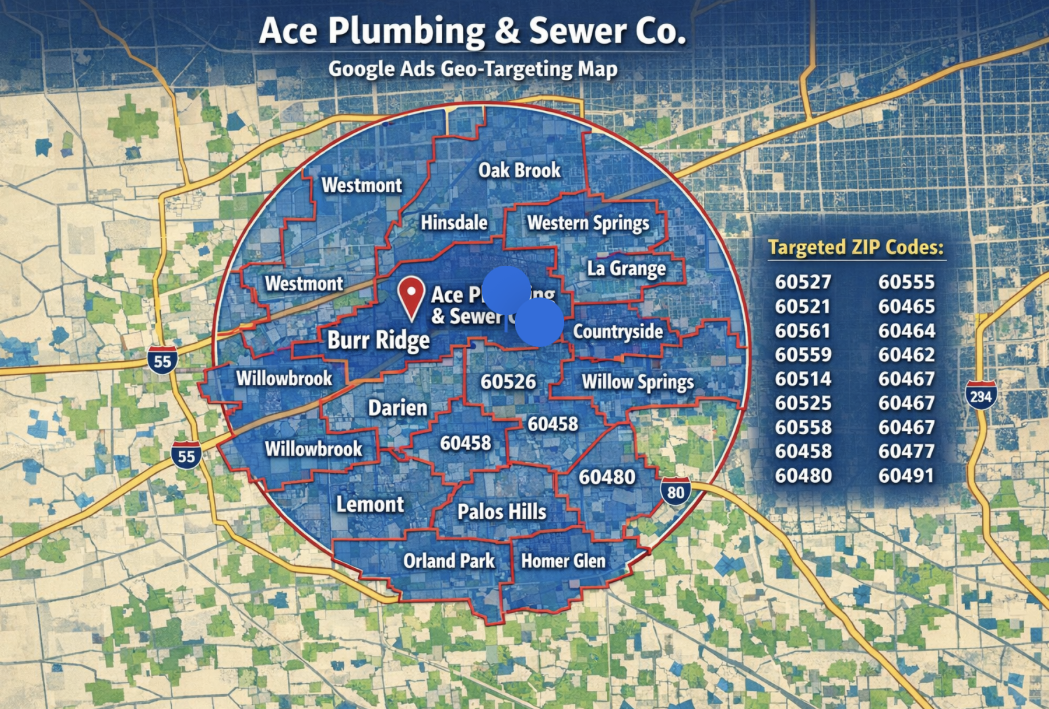
Proudly serving Burr Ridge and Southwest Chicago
Request a free quote
Tell us what’s going on and we’ll get right back to you. Need help now? Call and a real plumber answers 24/7.