How to Repair Sewer Pipes with Lining Methods
Trusted by homeowners across Burr Ridge and Chicago, IL
Sewer pipe damage doesn’t have to mean tearing up your yard. Modern sewer pipe repair lining methods can fix broken pipes without the mess and expense of traditional digging.
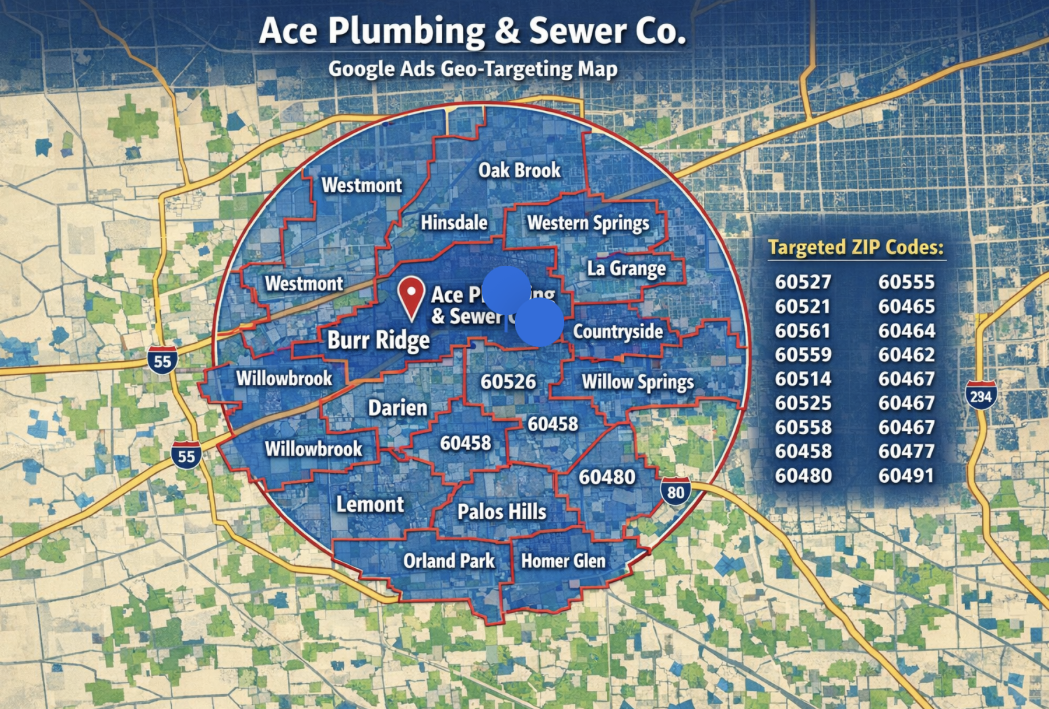
We at Ace Plumbing & Sewer help homeowners and businesses throughout Burr Ridge, Hinsdale, Oak Brook, and the surrounding western Chicago suburbs restore their sewer systems quickly and affordably. This guide walks you through how trenchless lining works and why it’s often the smarter choice for your property.
What Are Sewer Pipe Lining Methods
Cured-in-Place Pipe (CIPP) Lining
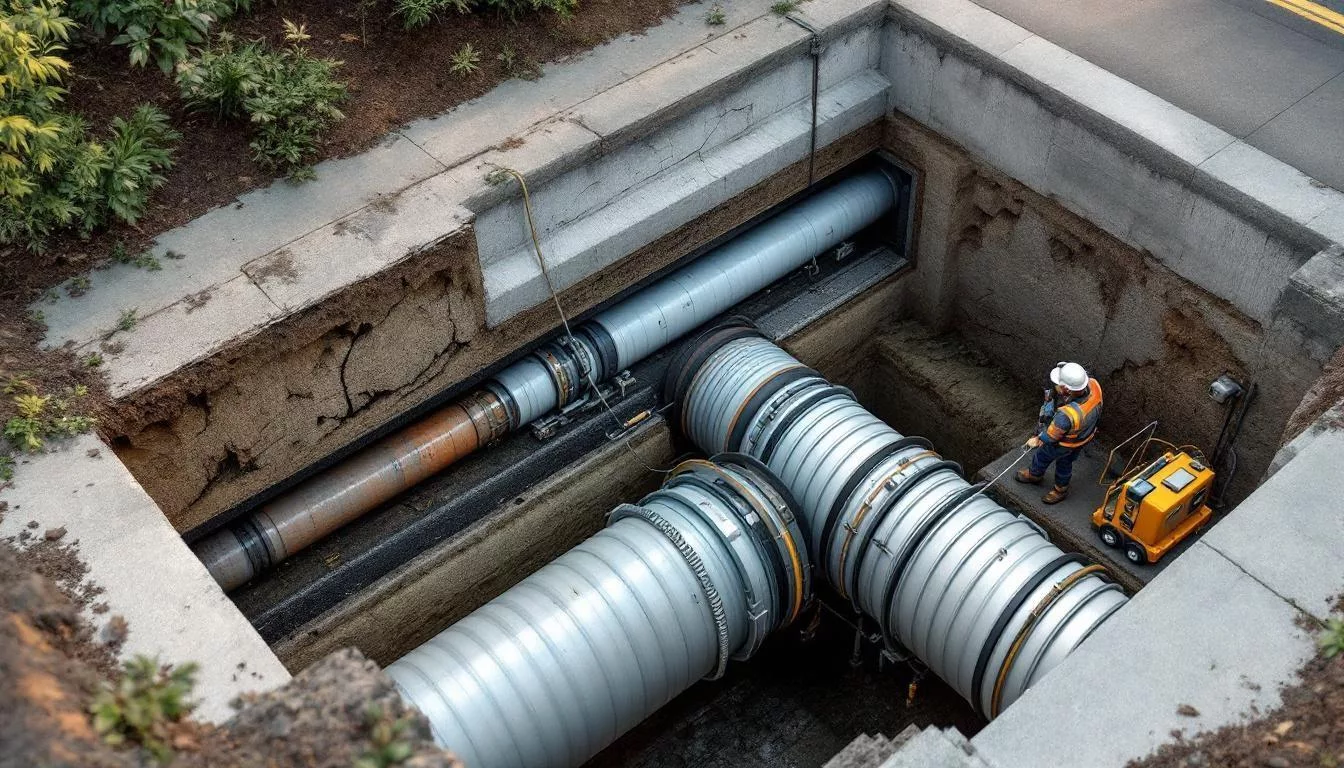
Cured-in-Place Pipe lining, commonly called CIPP, stands as the most widely used trenchless repair method for damaged sewer lines. The process involves inserting an epoxy resin-saturated fabric liner into your damaged pipe, then inflating it with compressed air to press it firmly against the host pipe walls. The epoxy cures in place over 12 to 24 hours, creating a seamless new pipe inside the old one without any excavation. CIPP works well for cracks, corrosion, and root intrusion-the three most common reasons sewer lines fail in the western Chicago suburbs. The cured liner extends your sewer line’s life by several decades, and the new interior surface resists future corrosion far better than the original pipe.
For homeowners in Burr Ridge, Hinsdale, Oak Brook, and nearby areas dealing with slow drains or foul odors, CIPP typically costs significantly less than full pipe replacement while delivering comparable durability. The method handles both small cracked sections (spot repairs) and longer pipe runs, making it flexible for different damage patterns.
Pipe Bursting and Full Replacement
Pipe bursting takes a different approach by replacing the old pipe entirely using hydraulic force, pulling a new plastic pipe through while simultaneously breaking apart the damaged one. This method requires two access trenches at the ends of the damaged section but can deliver a new pipe rated to last up to 100 years, making it ideal for extensive damage that CIPP cannot address. When damage spans a significant length or structural failure threatens the entire line, pipe bursting often proves more cost-effective than multiple sectional repairs.
Sectional Spot Repairs
Sectional spot repairs target smaller problem areas rather than the entire pipe run-useful when damage is confined to a specific section. This approach allows you to address localized failures without treating the whole line, which can reduce both material costs and project time.

Preparation Determines Success
The preparation phase is critical for all methods: a televised sewer line inspection identifies issues like cracks, blockages, root intrusion, or other damage without the need for extensive excavation. The pipe must be thoroughly cleaned beforehand to allow the liner to bond properly and perform at its peak. A professional video inspection reveals the exact condition of your line, helping you avoid costly mistakes in method selection. The right approach solves your problem in hours rather than days of excavation and restoration work, while the wrong choice wastes both time and money.
Understanding which method matches your specific damage is essential before moving forward with repairs.
Why Trenchless Repair Saves Money and Time
Excavation Costs Add Up Fast
Traditional sewer excavation tears open your yard, driveway, or landscaping-and the restoration costs often rival the repair itself. Homeowners in Hinsdale, Burr Ridge, Western Springs, and Oak Brook pay thousands extra for concrete cutting, soil removal, and landscape restoration that trenchless methods eliminate entirely.
Trenchless Methods Preserve Your Property
Trenchless lining accesses your sewer through existing cleanouts or minimal entry points, leaving your property intact. The preparation phase-a video inspection and pipe cleaning-takes only a few hours, then the lining itself cures in 12 to 24 hours depending on the method. Pull-in-place lining cures in as little as 20 minutes, allowing you to use your drains almost immediately. Your family or business resumes normal operations in hours rather than days, protecting your property value and avoiding tenant disruption in multi-unit buildings.
Speed Matters for Business Operations
Traditional excavation demands multiple days of heavy equipment on-site, neighborhood noise, and the logistics of hauling away broken pipe sections. Businesses operating in Clarendon Hills, Downers Grove, or Lisle cannot afford that downtime. Trenchless methods complete the job faster, keeping your operations running and your customers satisfied.

Long-Term Durability Reduces Future Costs
The epoxy-cured liner extends your sewer line’s lifespan by several decades and provides superior corrosion resistance compared to the original pipe. This means fewer future repairs and lower long-term maintenance costs. The new interior surface resists corrosion far better than aging materials, protecting your investment for decades to come.
The Financial Reality
Trenchless methods cost significantly less upfront than full excavation and eliminate the secondary expense of restoring your yard. When you combine faster completion, minimal property damage, and extended pipe life, trenchless lining becomes the financially smarter choice for most homeowners and commercial property managers dealing with damaged sewer lines. Understanding which specific lining method matches your damage pattern helps you maximize these savings.
What Happens Before Your Sewer Gets Lined
Video Inspection Maps Your Damage
Your sewer line repair starts before any liner touches your pipe. A televised inspection maps the exact location and severity of damage, with a video camera feeding real-time footage directly to your technician. This inspection shows cracks, root intrusion, corrosion, and blockages in precise detail. Without this step, you risk selecting the wrong repair method or discovering mid-project that damage extends further than expected. The inspection typically takes one to two hours and costs far less than repairing a failed lining job. Once the problem is identified, you know exactly what method will work best for your situation.
Aggressive Cleaning Prepares the Pipe
After inspection, professional cleaning removes debris, grease buildup, and tree roots using hydro jetting or mechanical rodding. Epoxy liners bond poorly to dirty surfaces, and a weak bond means premature failure. Homeowners in Hinsdale, Downers Grove, and Clarendon Hills who skip this step to save money often face repeat repairs within five years. Professional cleaning removes everything loose inside the pipe, leaving a clean surface for the liner to grip permanently.
CIPP Installation and Curing
CIPP lining is the most common approach used throughout Burr Ridge, Oak Brook, and Western Springs. The epoxy-saturated liner is measured precisely to match your damaged section, then inserted through a cleanout or small access point. Air pressure or a calibration hose pulls the liner through until it reaches the damaged area, then compressed air inflates it to press it firmly against the pipe walls. The epoxy cures in 12 to 24 hours depending on temperature and pipe diameter, and grout seals both ends to create watertight connections.
Fast-Curing Alternatives
Pull-in-place lining cures faster-as little as 20 minutes with hot steam-making it ideal when you cannot wait days for your drains to function normally. This speed allows your family or business to resume normal operations almost immediately after installation.
Final Verification Protects Your Investment
A post-installation video inspection confirms the liner seated properly and no defects remain. This final verification protects your investment and proves the repair meets code standards. The entire process from initial inspection to final verification typically completes within 48 hours for residential properties, compared to five to seven days for traditional excavation and replacement.

Final Thoughts
Sewer pipe repair lining works best when damage affects specific sections or when your entire line shows age-related deterioration like corrosion or minor root intrusion. If you experience frequent backups, slow drains, or foul odors in Burr Ridge, Hinsdale, Oak Brook, Clarendon Hills, Downers Grove, Lisle, or Western Springs, trenchless lining likely offers the fastest and most affordable solution. The method avoids excavation costs and disruption while extending your sewer’s life by several decades.
Your property stays intact, and normal operations resume within hours rather than days-a major advantage for commercial properties that cannot afford extended downtime. The epoxy-cured liner resists future corrosion far better than aging original pipe, which means fewer repairs down the road and lower long-term maintenance costs. The right choice depends on your specific damage pattern, which is why a professional video inspection matters so much.
We at Ace Plumbing & Sewer serve the western Chicago suburbs with licensed, bonded, and insured technicians who assess your situation and recommend the best approach. Contact us today for a professional assessment and upfront pricing with no surprises.
Proudly serving Burr Ridge and Southwest Chicago
Request a free quote
Tell us what’s going on and we’ll get right back to you. Need help now? Call and a real plumber answers 24/7.