How Do Gas Water Heaters Work?
Trusted by homeowners across Burr Ridge and Chicago, IL
Gas water heaters power millions of homes across Burr Ridge, Hinsdale, and Clarendon Hills, yet many homeowners don’t understand how these essential appliances actually function.
Understanding how gas water heaters work helps you spot problems early and maintain your system properly. We at Ace Plumbing & Sewer see countless issues that could have been prevented with basic knowledge of these heating systems.
How Gas Water Heaters Generate Heat
Gas Burner Assembly and Ignition Process
Gas water heaters begin heat production when the thermostat detects water temperature below the set point, typically 120°F to 140°F. The gas control valve opens and allows natural gas or propane to flow to the burner assembly located at the tank’s bottom. Modern units use either a pilot light system or electronic ignition to light the gas, which creates flames that reach temperatures around 3,000°F.
The burner assembly includes multiple ports that distribute flames evenly across the bottom of the tank and maximize heat transfer efficiency. Homeowners in Westmont and Darien should know that proper gas pressure (usually 3.5 inches of water column for natural gas) is vital for optimal burner performance.
Heat Exchange Through the Tank and Flue System
The combustion process transfers heat directly through the tank’s bottom and up through a central flue that runs vertically through the water. This flue acts as a heat exchanger, with hot exhaust gases that warm the water as they travel upward toward the venting system. The flue baffle inside directs these gases efficiently, while the tank’s glass lining protects against corrosion from the intense heat.
Most residential gas water heaters achieve 90% efficiency, which means they use 90% of their energy to heat water while wasting just 10%. Professional services recommend annual flue inspections to maintain this efficiency and prevent dangerous carbon monoxide buildup in homes throughout Indian Head Park and Willowbrook.

Temperature Control and Thermostat Operation
The thermostat continuously monitors water temperature through a sensor bulb immersed in the tank water. When temperature drops 10-15°F below the setpoint, the system activates the burner for another cycle. Advanced gas control systems include safety features like thermal coupling that automatically shuts off gas flow if the pilot light extinguishes.
The first-hour rating determines how much hot water the unit can deliver initially, typically ranging from 67-98 gallons for residential tanks. Smart thermostats in newer models provide precise temperature control within 2-3°F, which reduces energy waste and prevents the temperature fluctuations that plague older systems in Countryside and Clarendon Hills homes.
These heat generation components work together with several other vital parts that control gas flow, maintain tank integrity, and handle exhaust safely.
Key Components of Gas Water Heaters
Gas Control Valve and Safety Features
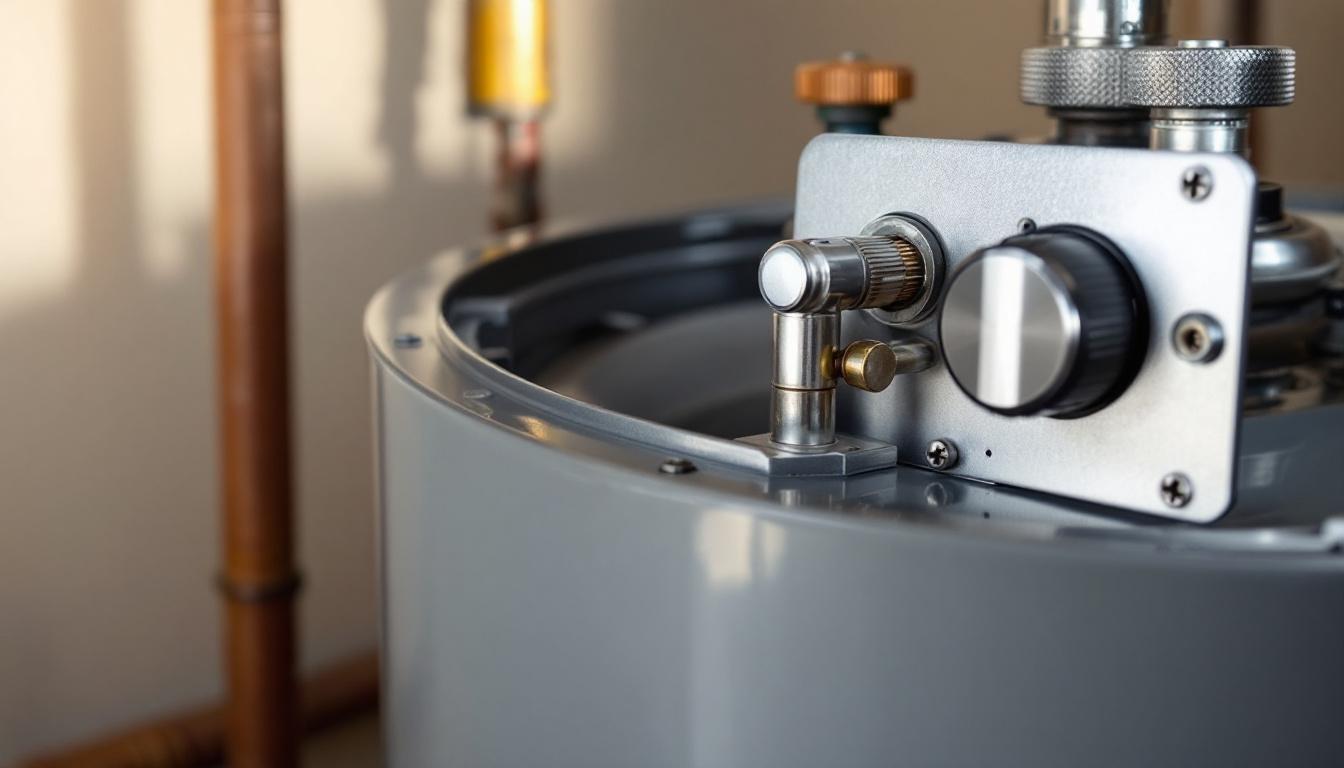
The gas control valve acts as the command center of your gas water heater, controlling gas flow and maintaining safety through multiple protection systems. This valve houses a thermocouple that produces electrical current from pilot flame heat, automatically stopping gas if the pilot dies. The Department of Energy reports that modern gas valves include thermal switches that halt gas flow when internal temperatures exceed 160°F, preventing dangerous overheating.

Professional installations in Burr Ridge and Hinsdale include flammable vapor sensors that detect gasoline fumes and prevent ignition in garages. Temperature and pressure relief valves require annual testing, as this component releases dangerous pressure buildup that could cause tank ruptures.
Tank Construction and Insulation Materials
Gas water heater tanks feature steel construction with porcelain enamel glass lining that resists corrosion and thermal shock from temperature changes. The tank includes 2-4 inches of foam insulation that reduces heat loss by 25-45% compared to older fiberglass insulation models (significantly improving energy efficiency). Sacrificial anode rods made of magnesium or aluminum protect the tank interior by attracting corrosive elements. These rods should be inspected every 1-2 years and replaced when more than 50% of their mass has corroded, extending tank life significantly with proper maintenance.
Venting System and Exhaust Requirements
Venting systems must comply with UL 174 codes and terminate at least 3 feet above roof penetration points. Standard atmospheric vents require vertical flue termination through roofs, while power vent models use motorized fans for horizontal wall termination. Homes in Westmont and Darien require professional inspections to verify proper clearances and carbon monoxide detector placement within 15 feet of gas appliances (meeting safety standards).
These safety components and construction features work together seamlessly, but even the best-built systems can develop common problems with gas water heaters that affect performance and safety.
Common Gas Water Heater Problems and Solutions
Pilot Light Issues and Ignition Failures
Pilot light problems account for 40% of gas water heater service calls in Burr Ridge and surrounding areas like Hinsdale and Westmont. Thermocouple failures cause most pilot outages, as these safety devices generate just 30 millivolts when they function properly. When thermocouples weaken below 25 millivolts, they cannot hold the gas valve open and pilots extinguish repeatedly.
Electronic ignition systems fail differently, typically from power surges or dirty flame sensors that prevent proper startup cycles. Homeowners should never attempt to bypass safety features or use matches to light pilots manually, as this creates explosion risks. Professional plumber diagnosis identifies whether thermocouple replacement, flame sensor cleaning, or complete ignition system upgrades provide the most cost-effective solution.
Temperature Fluctuations and Heating Problems
Temperature fluctuations signal serious system problems that worsen rapidly without intervention. Sediment buildup reduces heating efficiency by 15-30% and creates hot spots that damage tank linings prematurely. Water temperatures that swing more than 10°F indicate failing thermostats, undersized units, or gas pressure issues that require immediate attention.
Homes in Darien and Clarendon Hills commonly experience these problems due to hard water conditions that accelerate mineral accumulation. The mineral deposits act like insulation between the burner and water, forcing your system to work harder and consume more energy. Professional technicians use specialized equipment to measure gas pressure, which should maintain proper levels according to manufacturer specifications for natural gas systems.
Maintenance Tips for Optimal Performance
Monthly visual inspections catch 80% of potential problems before they cause system failures or safety hazards. Check for rust stains, water pooling, or unusual noises that indicate internal damage or loose connections. Test temperature and pressure relief valves annually by lifting the lever briefly to confirm proper water discharge.
Professional plumbing maintenance includes gas pressure testing, flue inspection, and carbon monoxide level monitoring that homeowners cannot perform safely. Set water temperature to 120°F maximum to prevent scalding while reducing energy costs by 6-10% compared to higher settings. Annual tank flushing removes sediment effectively, while anode rod replacements every 3-5 years prevent corrosion damage that causes expensive tank failures. Professional plumbing services ensure your system operates safely and efficiently year-round.

Final Thoughts
Knowledge of how gas water heaters work empowers homeowners in Burr Ridge, Hinsdale, and Westmont to maintain their systems effectively and spot problems early. These appliances combine gas combustion, heat exchange, and safety systems to deliver reliable hot water through precise temperature control and efficient energy transfer. Professional installation and regular maintenance remain vital for safe operation and optimal performance.
Gas water heaters involve complex safety components like thermocouples, pressure relief valves, and venting systems that require expert knowledge to service properly. Improper handling creates serious risks including carbon monoxide exposure and gas leaks (which can prove fatal in enclosed spaces). We at Ace Plumbing & Sewer recommend contacting licensed professionals when you notice pilot light problems, temperature fluctuations, unusual noises, or visible corrosion around your unit.
Don’t wait for complete system failure to address water heater issues. Contact The Ace Plumber at (708) 204-8602 for reliable service in Burr Ridge, Darien, Clarendon Hills, and surrounding communities. Our team provides same-day emergency response and code-compliant repairs for both residential and commercial properties.
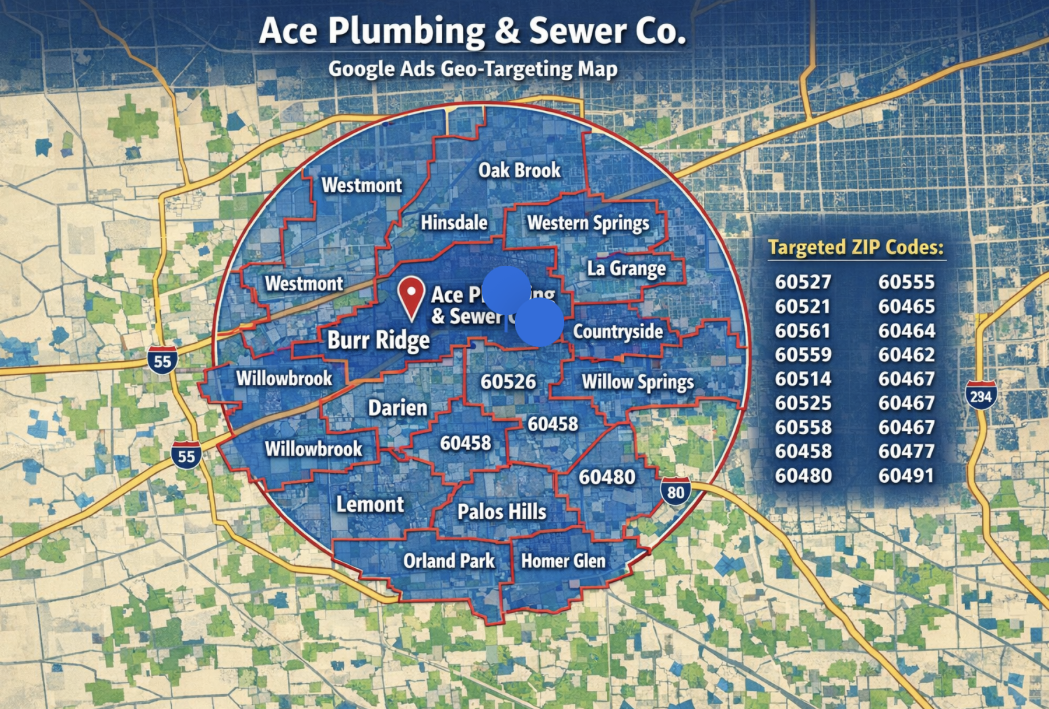
Proudly serving Burr Ridge and Southwest Chicago
Request a free quote
Tell us what’s going on and we’ll get right back to you. Need help now? Call and a real plumber answers 24/7.