Water Heater Repair vs Replace: Expert Guide Chicago 2024
Trusted by homeowners across Burr Ridge and Chicago, IL
Facing lukewarm showers and rising energy bills in your Chicago-area property? You’re not alone. Every day, property owners across the western suburbs wrestle with the critical decision of water heater repair vs replacement. As licensed, bonded, and insured commercial plumbing experts serving Chicago’s western suburbs for three generations, Ace Plumbers helps families and business owners make the right choice—saving thousands while preventing costly operational downtime.
The decision between repairing or replacing your water heater isn’t just about immediate costs. It’s about understanding your system’s condition, analyzing long-term value, and choosing the option that delivers reliable hot water for years to come. Let’s dive into the expert framework that will guide you to the smartest financial decision.
Key Warning Signs Your Water Heater Needs Professional Attention
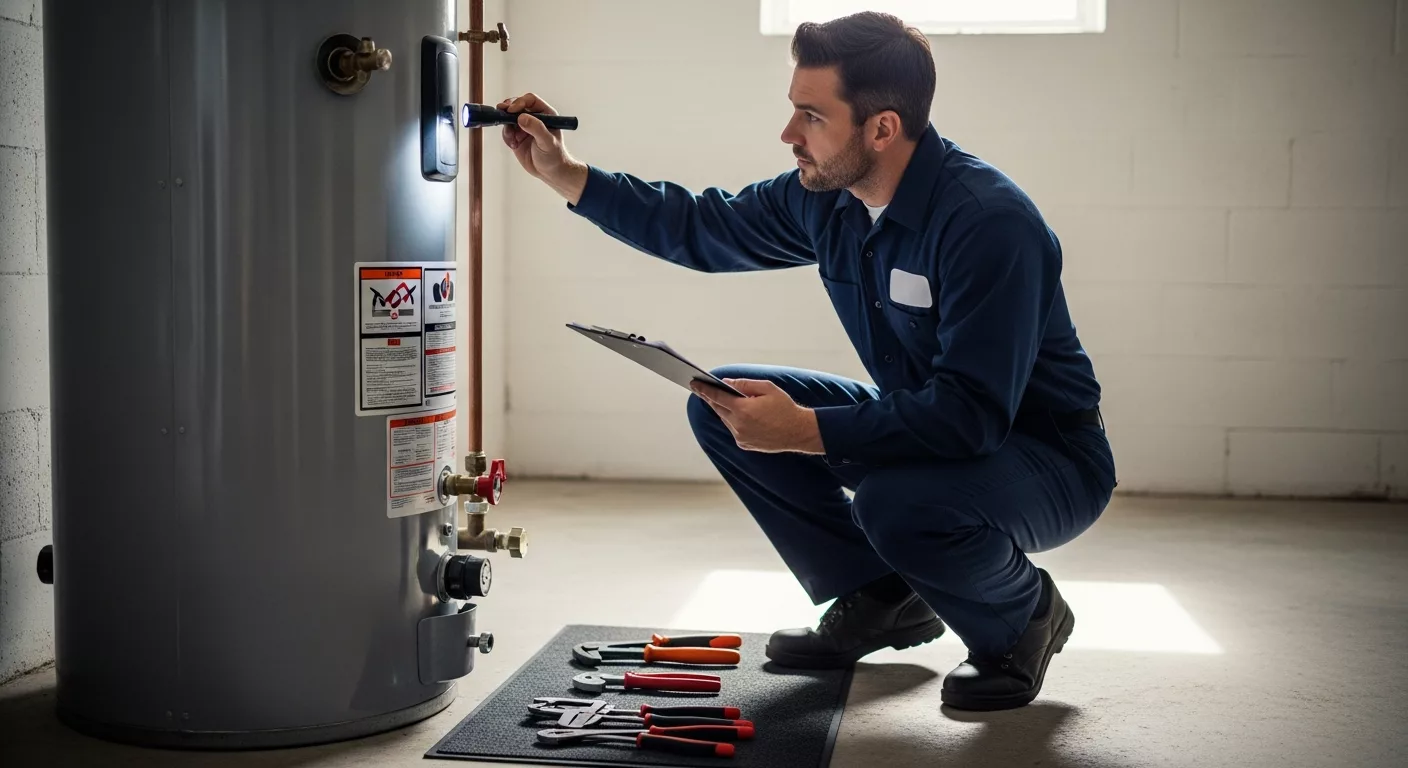
Your water heater communicates problems long before it fails completely. Recognizing these warning signs early can mean the difference between a simple repair and an emergency replacement during Chicago’s brutal winter months.
Temperature and Performance Issues
Inconsistent water temperature is often the first sign of trouble. If your morning shower starts hot but quickly turns lukewarm, or if you’re running out of hot water faster than usual, your heating elements or burner may be failing. Commercial properties experience this acutely—restaurants notice it in dishwashing cycles, while office buildings get tenant complaints.
Strange noises from your water heater tank signal serious internal issues. Popping, crackling, or rumbling sounds typically indicate sediment buildup on heating elements. In Chicago’s hard water areas like Burr Ridge and Woodridge, mineral deposits accumulate faster, reducing efficiency and potentially causing premature failure.
Visual and Physical Warning Signs
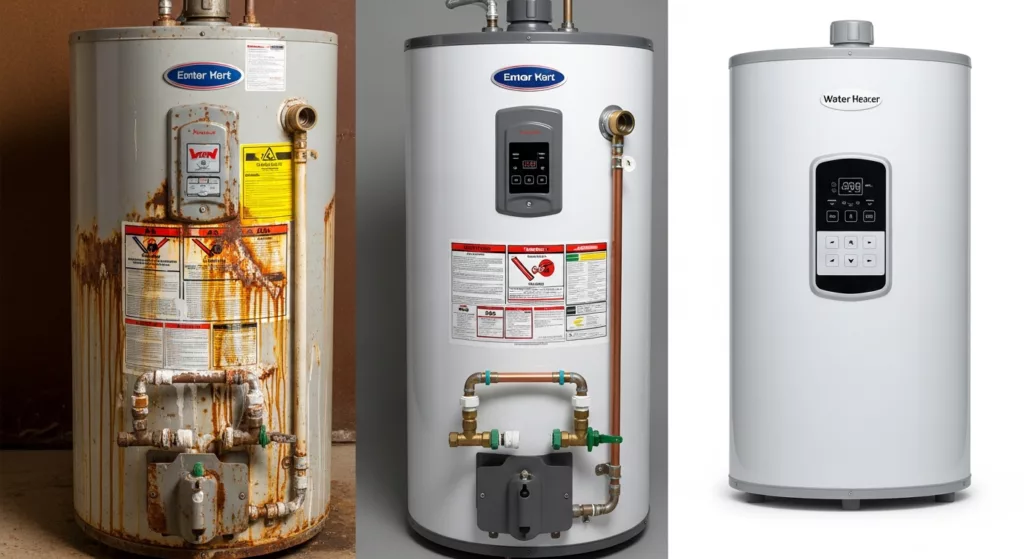
Water around your tank base isn’t normal condensation—it’s a leak. Small leaks often worsen rapidly, especially in older units. Rust-colored water from hot taps indicates internal tank corrosion, while a rusty tank exterior suggests the unit is approaching end-of-life.
Age matters significantly in the water heater repair vs replacement decision. Most residential units last 8-12 years, while commercial systems may need attention after 6-10 years due to heavy usage. Check your unit’s manufacture date on the serial number—if it’s approaching these ranges, replacement often makes more financial sense than major repairs.
Repair vs Replace: The Expert Decision Framework
Making the right choice requires analyzing several factors beyond initial costs. Our three-generation experience has taught us that the smartest decision considers both immediate needs and long-term value.
The 50% Rule for Smart Decisions
Here’s the professional guideline we use: if repair costs exceed 50% of a new unit’s price, replacement typically offers better value. For example, if a new water heater costs $1,200 installed and repairs would cost $700, replacement makes sense. This rule becomes even more critical for commercial properties where downtime costs money.
However, the 50% rule isn’t absolute. A two-year-old unit with a $600 repair bill might be worth fixing if it gives you another 8-10 years of reliable service. Conversely, an 8-year-old unit with a $400 repair might be better replaced if other components are likely to fail soon.
Commercial vs Residential Considerations
Commercial water heater service decisions involve different priorities than residential ones. Businesses can’t afford extended downtime, making reliability crucial. A restaurant’s water heater failure during lunch rush costs far more than the repair versus replacement price difference.
For commercial kitchen plumbing systems, we often recommend replacement when units reach 60-70% of expected lifespan, even if they’re still functioning. This proactive approach prevents emergency failures during peak business hours.
Cost Analysis: Repair Expenses vs New Installation Investment
Understanding true costs requires looking beyond sticker prices. The water heater installation cost includes equipment, labor, permits, and potential system modifications, while repairs might seem cheaper initially but lead to recurring problems.
Common Repair Costs in Chicago’s Western Suburbs
Based on current market conditions, here’s what typical repairs cost in our service area:
- Heating element replacement: $150-$300
- Thermostat replacement: $120-$250
- Gas valve replacement: $200-$400
- Tank leak repair: Often impossible; replacement required
- Anode rod replacement: $100-$200 (preventive maintenance)
For commercial units, costs typically run 30-50% higher due to larger components and more complex installations. A commercial thermostat replacement might cost $300-$500, while heating elements can reach $400-$600.
New Installation Investment Analysis
New water heater installation costs vary significantly based on unit type, capacity, and installation complexity. According to HomeAdvisor water heater installation cost data, residential installations range from $1,000-$3,500, while commercial units often start at $2,500 and can exceed $10,000 for large-capacity systems.
Energy efficiency improvements can offset higher upfront costs. Modern units are significantly more efficient than models from 10+ years ago. The Department of Energy water heating guidelines show that upgrading from an older unit can reduce energy costs by 20-30% annually.
When Same-Day Repair Makes Financial Sense
Sometimes immediate repair is the smart choice, especially when you understand when to replace water heater versus when to fix it. Our emergency water heater repair Chicago service has helped hundreds of property owners make this critical decision under pressure.
Ideal Repair Scenarios
Repair makes sense when your unit is relatively young (under 5 years), the problem is isolated to one component, and repair costs are reasonable relative to remaining lifespan. Simple issues like faulty thermostats, loose connections, or pilot light problems often have straightforward solutions.
For commercial properties, we sometimes recommend temporary repairs to get through busy seasons, followed by planned replacement during slower periods. A restaurant might repair their system to handle summer operations, then upgrade to a larger capacity unit before winter when hot water demand increases.
When Repairs Don’t Make Sense
Avoid repairs when your unit has multiple failing components, especially in older systems. We call this “chasing problems”—fixing one issue only to face another within months. Tank leaks almost always require replacement, as temporary fixes rarely last.
According to Consumer Reports water heater repair vs replacement guide, units over 10 years old with major component failures should generally be replaced rather than repaired.
Why Professional Installation Matters for Commercial Properties
Commercial water heater installations require expertise that goes far beyond residential work. Code compliance, capacity calculations, and integration with existing systems demand professional knowledge that only experienced licensed plumber water heater specialists possess.
Code Compliance and Permitting
Chicago-area municipalities have strict requirements for commercial water heater installations. Proper permitting ensures your system meets safety standards and protects your business from liability issues. We handle all permitting requirements for our commercial clients, ensuring installations pass inspection the first time.
Commercial installations often require additional safety features like emergency shutoffs, pressure relief systems, and proper ventilation. These aren’t optional—they’re required by code and essential for safe operation. DIY installations or unlicensed work can result in costly re-work when inspections fail.
System Integration and Capacity Planning
Commercial properties have complex hot water demands that vary throughout the day. A properly sized system handles peak demand without waste during low-usage periods. Our pump repair services often work alongside water heater installations to ensure complete system integration.
Professional installation includes proper insulation, efficient piping layouts, and integration with existing building systems. These details significantly impact long-term operating costs and system reliability.
Preventative Maintenance to Maximize Your Water Heater Investment
Whether you choose repair or replacement, proper maintenance extends system life and prevents costly emergency failures. Our three-generation experience has shown that proactive maintenance saves property owners thousands in premature replacements and emergency repairs.
Essential Maintenance Tasks
Annual flushing removes sediment buildup that reduces efficiency and shortens tank life. In Chicago’s hard water areas, we recommend flushing every 6-8 months. This simple task can add 2-3 years to your unit’s lifespan while improving performance.
Anode rod inspection and replacement is crucial but often overlooked. These sacrificial components protect your tank from corrosion. When they’re depleted, your tank starts deteriorating rapidly. We typically replace anode rods every 3-4 years as part of our maintenance contracts.
Commercial Maintenance Programs
Commercial properties benefit enormously from structured maintenance programs. Our contracts include regular inspections, priority emergency service, and planned component replacements before failures occur. This approach minimizes downtime and extends equipment life significantly.
Temperature and pressure monitoring helps identify problems before they become emergencies. We install monitoring systems that alert us to issues, allowing proactive repairs during convenient times rather than emergency situations.
Making the Right Choice for Your Property
The water heater repair vs replacement decision ultimately depends on your specific situation, but following our expert framework helps ensure you make the financially smart choice. Consider your unit’s age, repair costs relative to replacement, and your property’s operational needs.
For residential properties, focus on long-term value and reliability. A slightly higher upfront investment in replacement often pays dividends through improved efficiency and reduced maintenance needs. Commercial properties should prioritize reliability and minimize downtime risks, often making proactive replacement the smarter choice.
Remember that professional installation and regular maintenance are crucial regardless of whether you repair or replace. Quality workmanship and ongoing care can double your system’s lifespan while ensuring reliable operation when you need it most.
Facing a water heater decision in Chicago’s western suburbs? As licensed, bonded, and insured professionals serving Burr Ridge, Woodridge, and surrounding communities for over 40 years, Ace Plumbers provides honest assessments and expert solutions. Call (708) 204-8602 today for same-day service and transparent pricing—because your hot water can’t wait, and neither should you.
Proudly serving Burr Ridge and Southwest Chicago
Request a free quote
Tell us what’s going on and we’ll get right back to you. Need help now? Call and a real plumber answers 24/7.